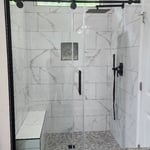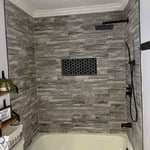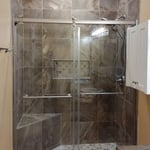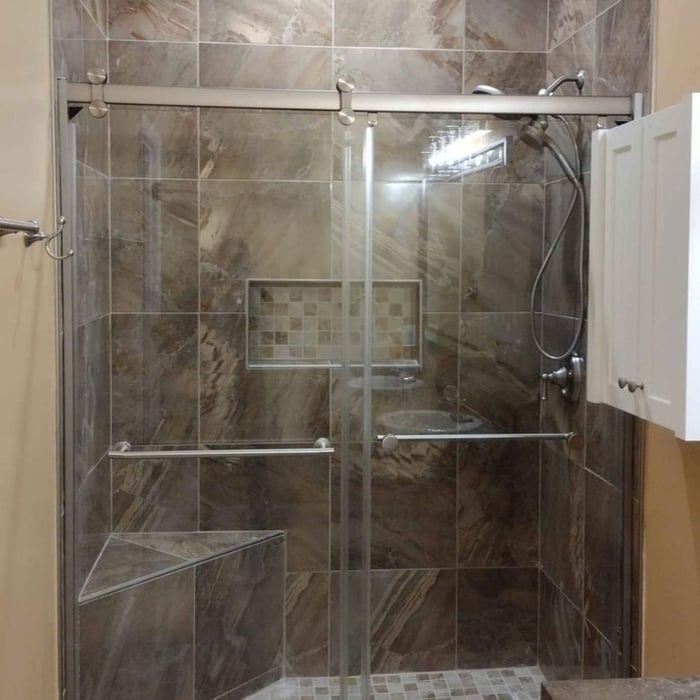





Top-rated drywall pros.

Get matched with top drywall pros in Auburn, AL

Enter your zip and get matched with up to 5 pros

Need a pro for your drywall service project in Auburn, AL?

Select your specific project to find the pro for you.

TRUSTED BY AUBURN, AL HOMEOWNERS

  • Average homeowner rating star icon4.4
    Average homeowner rating
  • Verified reviews icon36
    Verified drywall services reviews

Find Drywall pros in Auburn

Avatar for H Drywall
H Drywall
4.6(
42
)

Serving Auburn, AL and surrounding areas

Approved

In business since 2017

Free estimates

Emergency services offered

"They showed up at the correct time and was very informative about what they were going to do. The project was done in a timely manner and looked great. I would recommend them to anyone who needs drywall done."
Response time5 hrs
Recommended by94%of homeowners

Mike Hoff's Home Services
3.8(
25
)

Serving Auburn, AL and surrounding areas

Approved

In business since 1973

Free estimates

Customers say: Quick response

"Mike came out and looked at the drywall repairs I needed. He completed the work as promised. It took 3 trips to prep and finish the drywall repairs. He had a conflict one day and called to reschedule the final repairs. The work met our expectations and the charges were reasonable ."
Response time1 day
2 neighbors recently requested a quote
Recommended by84%of homeowners
Angel Remodeling Construction
4.3(
2
)

Serving Auburn, AL and surrounding areas

Approved

In business since 2005

Free estimates

Offers commercial services

We take great pride in our experience, expertise, quality, and customer service that we provide to meet the consumers' needs. It is our mission to provide excellent workmanship and complete customer satisfaction from start to completion of a project. To understand the needs and expectations of our customers, we take great care to work and communicate with every customer in a professional manner. Our reputation is based on service, safety, and quality, regardless of how large or small the job.

Response time1 day
Response rate92%
Recommended by100%of homeowners
...
Showing 1-10 of 181
Drywall questions, answered by experts

If your home’s foundation shifts slightly over time, any seams in the drywall represent the weakest point in the wall, leading to cracks. If your home has significant changes in temperature and humidity, this can cause the drywall to swell and contract slightly, causing a crack at the weak point of the seam. If your drywall installer did a poor job securing the panels to the wall studs, this could cause a weak layout and cracks in the seams.

You should wait at least 24 hours for drywall mud to dry before sanding or applying another coat. However, the exact drying time depends on several factors, including the thickness of the application, room temperature, humidity, and the type of compound used. Thicker layers, or projects in high humidity, may require 48 hours or more. Lightweight compounds tend to dry faster than heavier, all-purpose ones. You'll know the mud is ready when it feels completely dry and firm to the touch and has changed to a consistent light color. Sanding too early can cause smudging or gouges, so patience is essential for a smooth finish.

Yes, you can hammer a nail into a wall stud. But before you do, it’s important to confirm that you’re actually nailing into a stud—and not wiring, pipes, or ductwork. To check, find a few more studs in the wall, then measure to make sure they’re either 16 or 24 inches apart.

Deciding whether to repair or replace drywall can be tricky, but your top considerations should be the extent of the damage and what caused the damage. For instance, if you need to repair a small hole caused by a doorknob that hit the wall, you can safely patch it without a second thought. However, if you have significant drywall damage caused by water damage, it’s best to thoroughly remove the drywall to inspect and repair the pipes behind it before replacing it.

Although they have similar applications, spackle and joint compound are not the same. Their primary differences lie in their composition, consistency, and ideal use cases.

Spackle is composed of gypsum and binding agents, making it thicker than joint compound. It dries quickly and is easy to sand, which makes it ideal for small wall repair projects like filling nail holes or patching minor damage.

Joint compound, also known as drywall mud, consists of limestone and gypsum. It is primarily used for large-scale projects, such as taping and finishing the seams on newly installed drywall. It tends to shrink more than spackle and can be more difficult to spread.

While both products can be used to fill small depressions and cracks, spackle cannot replace joint compound for taping and mudding new drywall. Conversely, you can often use joint compound for small patching jobs typically done with spackle.

The Auburn, AL homeowners’ guide to drywall services

From average costs to expert advice, get all the answers you need to get your job done.