

Whether or not the cost of installing a pot filler is worth it depends on your kitchen needs. Learn why the faucet itself is often the least expensive factor.
Suss out the differences between these two common compounds

Wood putty versus wood filler matters because wood putty covers scratches and holes on finished wood, while wood filler repairs unfinished wood and larger structural damage.
Both wood putty and wood filler cost $1 to $4 per ounce, but your putty lasts longer because you use less for small cosmetic repairs.
Wood filler is sandable and stainable for your refinishing projects, while wood putty stays pliable and works best for outdoor furniture exposed to temperature changes.
Hiring a local carpentry professional takes the guesswork out of choosing between wood putty and wood filler, especially for repairs requiring precise sanding or staining.
Wood floors and furniture are durable and visually stunning, but unfortunately, they are susceptible to holes and other types of damage. If you try to fix one of these issues on your own, you will likely rely on two primary compounds—wood putty and wood filler. What are the differences between these two wood-maintenance tools, and what project types do they benefit most? Keep reading to compare these two handy tools.
Although their names are similar, wood putty and filler are very different. Wood putty is used only on finished wood for minor repairs, while wood filler is on unfinished wood and works well for large repairs. You can use wood putty indoors or outdoors, whereas wood filler is only usable indoors. And if you want to sand or stain the repaired area, you need to use wood filler and skip the putty.

Wood putty is not putty made from wood; rather, it is a putty-like compound used for certain wood maintenance tasks. In fact, wood putty includes no wood at all, unlike wood filler. Wood putty derives from plastic chemicals and oil-based compounds and is useful for covering nail holes, repairing holes, fixing gouges, and covering up nicks and scratches on finished wood surfaces. Woodworking pros appreciate wood putty for its aesthetic diversity and pliability, among other reasons.
| Pros | Cons |
|---|---|
| Easy to use | Cannot be sanded or finished |
| Many color options | Not usable on unfinished wood |
| Does not fully harden | Does not work for large jobs |
Best for:
Fixing small nicks, scratches, holes, and gouges
Finished wood surfaces
Repairing decking boards
Here are some of the major benefits to using wood putty for your next repair project.
This material is extraordinarily pliable, making installation a breeze, even if you are new to learning how to use wood putty. You only need a budget-friendly specialized tool called a putty knife. Use the knife to apply a layer of putty and scrape off the excess. Some brands even come in sticks that do not require a putty knife, so you only need to slide the putty stick over the scratch or hole. This ease of use is a major reason why many local hardwood flooring experts reach for wood putty to conduct minor cosmetic repairs, like fixing scratches and covering up holes.
Wood putty is available to match nearly any shade of wood. Matching to your specific wood stain involves taking some photographs or an actual sample to a hardware store and purchasing the putty that best matches the original color. There might be a slight discrepancy in some cases, but that is where learning about refinishing wood comes into play.
Due to the nature of its chemical makeup, wood putty will not harden fully, allowing it to shrink and expand along with the wood. This unique composition makes wood putty an ideal maintenance tool for outside furniture items that may be exposed to the elements. Many pros use wood putty to repair minor cracks in deck boards for this reason.
Here are some cons worth considering regarding wood putty.
The fact that wood putty stays relatively pliable is great for minimizing post-repair cracks related to temperature fluctuations, but bad in certain other situations. For instance, you cannot sand wood putty, and it does not react well to finishing compounds, so you have to apply it after finishing a particular item of wood. This characteristic somewhat limits the use-case scenarios available to the product.
As previously mentioned, refinishing over wood putty is off limits, due to the stay-pliable chemical design. You also cannot use wood putty on unfinished wood, as the chemicals used in its manufacturing are dangerous for certain types of finished wood and may lead to damage over time. Either stain your wood ahead of time to create a barrier between the chemicals and wood or use wood putty on finished items that already have a sealant or stain applied.
There is a reason pros reach for wood putty to fix small holes, cracks, and scratches, as it excels in small jobs. On the flip side, however, the substance is not the best choice for larger-than-average jobs. Why is that? It all comes down to the method of operation. Wood putty only works on the surface, so it is simply not useful for major structural repairs of any kind.

Wood filler is actually made from wood, unlike wood putty, and its main ingredients are wood particles, wood fiber, and a binder to tie it all together. Wood filler hardens rapidly and helps repair wood from the inside, due to its general makeup. These features make wood filler an ideal substance for fixing large holes in wood furniture and tackling related labor-intensive tasks, like repairing dents or fixing structural damage.
| Pros | Cons |
|---|---|
| Use on unfinished wood | Indoor use only |
| Ability to sand and stain | Takes practice to use |
| Usable on large jobs | Limited color choices |
Best for:
Fixing small nicks, scratches, holes, and gouges
Fixing large holes, dents, and structural damage
Fixing damaged edges on wooden counters or furniture
Here are the major pros to using wood filler for your next repair project.
Unlike wood putty, wood filler works well on unfinished wood because it does not contain potentially damaging chemicals. That is a primary benefit of making a wood restoration agent out of actual wood. Pros typically use a simple wood filler to repair minor nicks and scratches to unfinished wood for this reason.
In addition to being highly useful for unfinished wood, wood filler reacts positively to staining, sanding, and painting, which is another benefit to being manufactured using actual wood. These fillers soak into pre-existing wood fibers and bind with them, so when you stain the hardwood floor or item of furniture, you stain the filler right along with it.
Wood filler dries quickly, especially compared to putty, and contains mostly organic materials. Add these features up and you have a great tool for large repair or maintenance jobs, since filler will not damage the wood even when used in large quantities. That is why many professional woodworkers reach for filler when repairing large gouges, filling in gaps between flooring boards, and even molding and shaping damaged edges on tabletops and countertop.
Remember, wood filler is sandable and stainable, so repairing damaged edges is right in its wheelhouse. So, whether you are fixing flooring or repairing wood that a pet chewed on, filler is the right tool for the job.

Here are some cons worth considering when using wood filler for repairs.
Filler binds with wood fibers, which is great for conducting large repairs, but not great when exposed to the elements. Wood filler is basically wood, so it falls victim to the same expansion and shrinking cycles as the material itself. If you experience severe weather during the summer and winter months, using wood filler on outdoor furniture leads to eventual cracks, requiring further repairs down the line.
Wood filler is more versatile than putty, leading to a steeper learning curve. For small jobs, the application process does not differ too much from wood putty—just spread, remove excess, and wait for it to dry. Larger jobs, however, will require you to learn how to use wood filler, which may require extra steps like mixing the filler with sawdust. In some cases, you will drill small holes in the fixture to apply the wood filler, covering up these holes afterward. Read the instructions accompanying your chosen wood filler before beginning a project. And if you are unsure about doing the repair yourself, hire a handyman near you to help with the job.
Since most pros use wood filler on unfinished wood, the product is not available in many colors, so you may have a tough time finding an exact match. Your best solution to this problem? Apply wood filler to repair the issue and then apply a dedicated wood staining agent to try to match the color of your pre-existing wood. This method takes more time than simply applying an exact color match, but you will get there.
When comparing wood putty to wood filler, you will find some stark differences. Here are some points to keep in mind when you are wondering which to use.
Both products boast similar price tags, at around $1 to $4 per ounce. However, an average container of wood putty lasts longer than wood filler. That is mostly due to the use-case scenarios, as wood putty is best for small scratches and wood filler is best for larger repair projects. In other words, you will go through wood filler at a quicker pace than wood putty.
Wood putty lasts up to 20 years when stored in an appropriately cool and dry place. Once purchased, it will come in handy for decades, even after initial use. Wood filler is no slouch in the longevity department, lasting up to three years or so, but it hardens after a while from exposure to air and as the resin evaporates.
Wood putty takes the edge in this category. Not only is it extraordinarily easy to apply, but the compound also sells in a much wider variety of colors, making it simple to match your current wood stain. Using some wood putty to repair a minor scratch in finished wood is the perfect project for an amateur woodworking enthusiast.
Excellent, Prompt, Courteous Service!!! They were super friendly and quite personable. I felt very comfortable with the gentlemen that did the installation. They installed it exactly where I asked them to and they did an excellent job!! I loved their service so much.
 Tether House
Ace Fireplace Services' chimney sweep service is truly exceptional. They used advanced technology to ensure a thorough cleaning process, and my chimney has never looked better. I highly recommend their services.
 Ace Fireplace Services
Binion and Alex did such a good job. Fast, fair, efficient. Would def use them again. Best experience Iâ ve had in moving - someone should give them a raise. Will undoubtedly recommend this service.
 All My Sons Moving & Storage
Great customer service. The owner Ilia was wonderful to work with. Would definitely recommend this company.
 Window Depot USA of Central Ohio
I definitely recommend Ramonaâ s cleaning service! I have booked services with her many times and she arrives on time, ready to work and provides a great service.
 Your Cleaning Solutions LLC
Excellent experience! Left my place looking great. Friendly customer service too. Would recommend!
The service was excellent! They gave me a quote, and had it done 4 days later. My driveway looks amazing, very professional! I would definitely recommend their service to anyone. I have had neighbors stop by and ask for their information as well.
 All Star Paving and Sealing
Webb â s was priced well, flexible on scheduling, great with communication, and detailed in their work. Iâ ll definitely use their services again.
 Webbs Pressure and Paint LLC
They’ve been great to work with. All of my clients that have used them have nothing but good things to say about the experience. Quick responses and fast service. They’re a trustworthy team!
 Total Home Roofing
Mary cleaning service does an amazing job cleaning my home. They go over and beyond the cleaning services that I have had in the past. They are very punctual and thorough with cleaning my home, I’m extremely happy with the service they provide and I highly recommend them.
From average costs to expert advice, get all the answers you need to get your job done.
Whether or not the cost of installing a pot filler is worth it depends on your kitchen needs. Learn why the faucet itself is often the least expensive factor.

Knowing how to use wood filler can help you restore damaged or rotten wood to extend the life of your furniture and floors.

We explore the differences between caulk versus wood filler for your project. Learn which is best for sealing, filling, and repairing damaged wood.
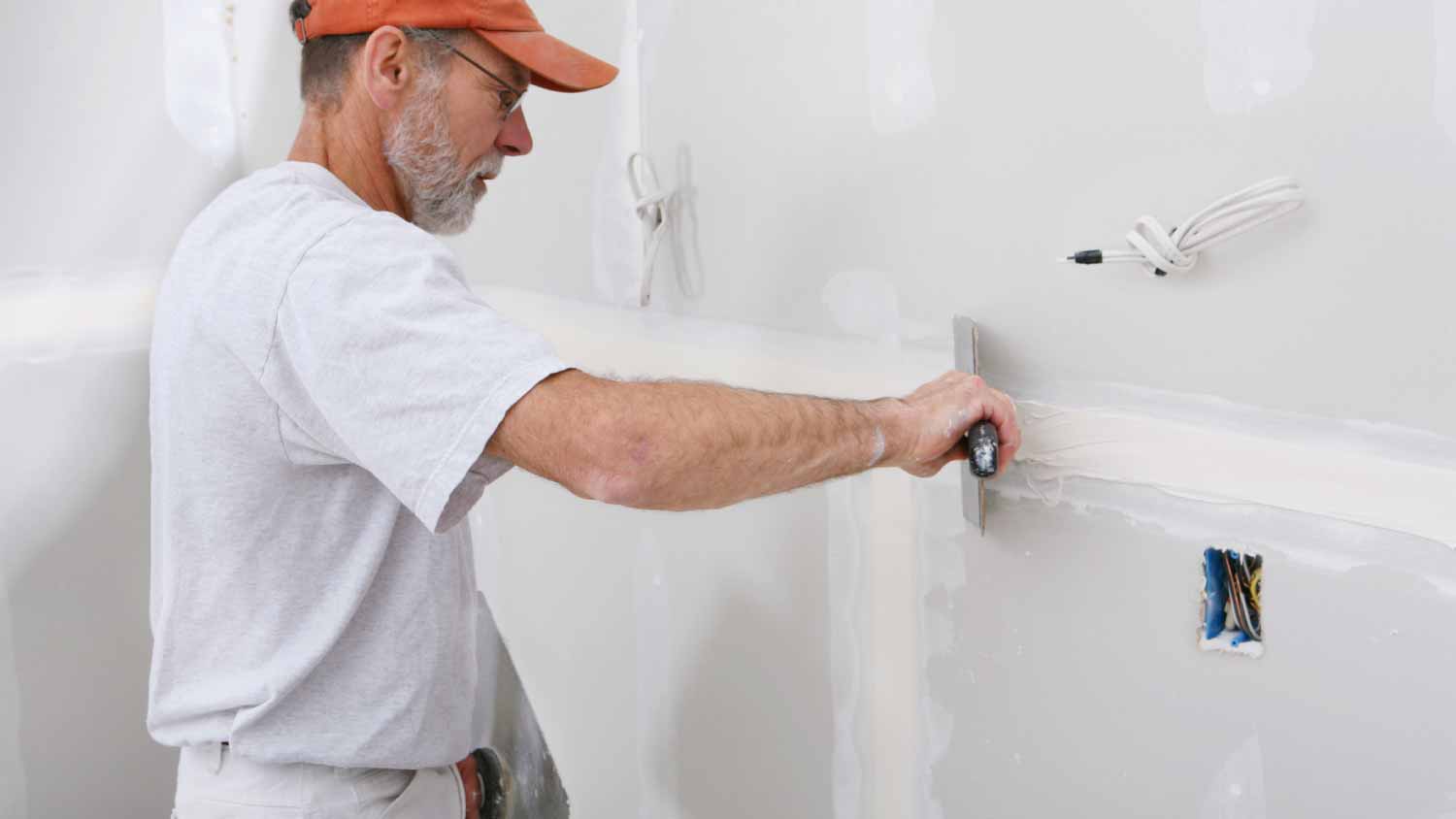
To fix holes in your drywall, you can use spackle or putty, but one may be better for certain jobs than others. Let’s take a look at the differences.
Baseboard holes are no small blemish. They're easily visible in a room. Learn how to fill nail holes in baseboards to keep walls clean and smooth.
Understanding the difference between plumber's putty and silicone will help you choose the right one for the job—read on to find out more.