
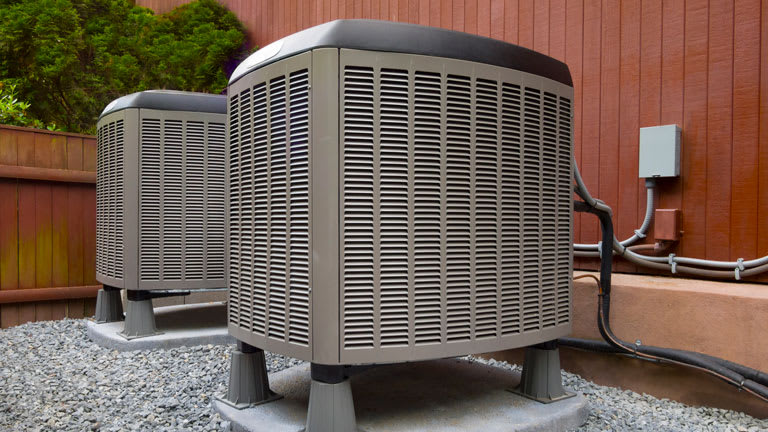
A heat pump is an eco-friendly heating and cooling system that can save you money on utilities each month. Find out the cost of a heat pump with this guide.
A broken heat pump is SO not cool

A heat pump not cooling properly often means your air filter is clogged with dust and debris, blocking airflow and preventing cool air from reaching your home.
Expect to pay $150 to $600 for heat pump repairs, with servicing costs around $200 or less, so addressing cooling issues early helps you avoid higher expenses.
Low refrigerant levels prevent your heat pump from cooling effectively, and you need a professional to safely check and refill the refrigerant in your unit.
Hiring a local HVAC repair professional gives you peace of mind when your heat pump stops cooling, with expert help for thermostat adjustments and refrigerant diagnostics.
When your heat pump isn't cooling, it puts a serious damper on summer fun. After all, the last thing you want is to walk into a sweltering house after a fun day of enjoying the sun. Sometimes, fixing your heat pump's cool air problem is as easy as changing the filter, but other problems might require a pro's expertise. So when your heat pump is not cooling, use this guide to troubleshoot so you can properly enjoy the summer heat.
In a nutshell, heat pumps cool or heat a home by trapping warm air from one area and transferring it to another. So during the warmer months, the heat pump cools the home by trapping heat from inside the home and transferring it outside.
During the cooler months, the pump heats the home by trapping heat from outside and bringing it inside. Even when the outdoor air temperature is cold, there's still enough thermal (heat) energy outside for the pump to grab and transfer inside.

When the hot months of summer hit, cool air is crucial. If your heat pump isn't cooling, here's how to troubleshoot it.
Troubleshooting tip number one is equivalent to the tech world’s “unplug it and plug it back in again,” but for your heat pump. If the pump isn't turning on at all, even when the power is on, a tripped circuit could be the culprit. Head to your circuit breaker and make sure all of the switches are in the “on” position.
In many cases, outdoor and indoor heat pump units are connected to different breakers, so be sure to check all breakers for any that are switched to the "off" position. If one of the switches is flipped off, flip it back on and see if that solves the problem.
Set your thermostat to "cool" or "auto." If you set it to "auto," check that the heat pump temperature setting is cool enough to where the heat pump would be blowing cool air if the pump were working correctly. For instance, if you set your thermostat to keep your indoor air at 72 degrees and the outdoor temperature is around 72 degrees, as well, your heat pump might not be blowing cool air because it doesn't need to cool your home further.
If the thermostat doesn't turn on at all or it doesn’t work properly once you’ve decreased the temperature, try replacing the batteries. If it still doesn't work, call a local HVAC repair technician to inspect it since you likely have an electrical problem on your hands.

Dirty air filters are a common heat pump problem. Over time, your heat pump's air filter will naturally collect dust, dander, and other debris, which can clog it and inhibit cool airflow. Fortunately, this is a very easy fix. Simply remove the air filter and inspect it. If it looks dirty, rinse it with warm water to clean it or replace it with a new one, depending on the type of filter you have (reusable versus single-use).
The heat pump's reversing valve transfers heat inside or outside, depending on the season. Luckily, you don’t need to know where the valve is or even what it looks like to test if it’s working.
To start, set the thermostat to heating mode. If the heat pump is blowing warm air when heating mode is on but isn’t blowing cool air when cooling mode is on, then you probably need a new reversing valve to fix the problem. Unless you have HVAC expertise under your belt, call a pro to replace the valve.
Damaged ductwork can create leaks, causing air to escape before it can cool down your home. Go to your attic or basement and visually inspect any exposed ductwork, paying close attention to joints and seams, and look for any damage, such as holes or disconnections. You should also look for signs of mold or rust, which can indicate a leak. If you notice any of these problems, call in a pro.

If the outdoor unit connected to your heat pump is frozen, it won't effectively blow cool air. So head outside and inspect your unit for any frost or ice. If you notice any signs of freezing, turn off the unit. Freezing can occur due to dirty filters or clogged ducts, but if both of these areas are clean, you should call a pro to help since you might have a broken valve, motor, or fan.
Debris and vegetation surrounding an outdoor unit can also prevent cool airflow, so make sure to regularly remove any debris that could potentially affect its performance.
Leaks, freezes, and regular wear and tear can all reduce a heat pump's refrigerant levels. When the refrigerant is too low, it can prevent cool airflow and create other problems.
Working with refrigerant can be dangerous, so don’t attempt to solve this issue on your own. Checking refrigerant levels requires specialized tools and expertise, meaning that this is a job best fit for the pros (not the DIYers).
To prevent the issue of your heat pump not cooling in the future, there are several steps you can take throughout the year. These maintenance tips will keep your pump in working order for longer:
Replace or clean your heat pump's filter every one to three months.
Keep the outdoor unit clear of vegetation and other debris.
Remove any obstructions over the indoor vents, such as furniture.
Regularly inspect the ductwork for any signs of damage.
Hire a local heat pump repair service to inspect the pump and perform maintenance at least once per year.
HVAC systems have many complicated parts, some of which can be dangerous to deal with (like toxic refrigerant) if you’re not a trained professional. Heat pump servicing done by a pro typically costs $200 or less.
If an issue gets bad enough to where an entire part or the whole unit needs replacing, you could end up paying a lot more (in the thousands of dollars).
In some cases, all you need to do to fix a heat pump is clean or replace the filter, change the thermostat batteries, or remove obstructions from the indoor vents or outdoor unit. These problems are fairly easy and safe for most homeowners to address themselves.
However, if you followed these troubleshooting steps and you're still having the issue of your heat pump not cooling, then it's a good idea to call an HVAC technician. They'll have the tools and expertise required to properly fix the problem before it becomes an even bigger issue.
Emma Diehl contributed to this piece.
If you’re good people wanting to do business with good people, hire Matt. He is a consummate professional and utterly competent. He installed a water heater in my home at a price that beat competitors by hundreds of dollars with a promise to support the unit for its life (even after its 6 yr...
 Greene's Plumbing Services
Corey Carr was great. I had damage from a recent storm and needed to have my mast and other components replaced. The project entailed coordinating with AEP, and Corey helped make a stressful situation a lot less stressful. I really appreciated his dedication to service and the job very well done.
 Mr. Electric of Columbus
This service was great. My air conditioner went out during the heat spell that we had. My husband has health issues and they came out that night and at 9:30pm the air conditioner was fixed and running. We are sooo very thankful, this is the company I will be using from now on and would...
 Mr. Mechanical Ohio
I normally do not leave reviews, but my experience with Worthington Air was extremely frustrating and disappointing. About 30 days ago, I had a consultation done for an HVAC replacement and was quoted approximately $15,079. Based on that quote, I applied for financing through their company...
 ARS Columbus Worthington Air
Great company! Price was competitive, technician showed up on time and completed the job (exterior electric Radon fan replacement) quickly. Would hire them again.
 MaGen Property Inspections and Radon Mitigation
Raven and crew does absolutely fantastic job. They are very professional if any concerns were to occur with any of her work she always took responsibility and finished out with a great job. I have worked with her business for a year and have always been satisfied. Very trusted business and...
 Creations of Transformation LLC
I would recommend this company to anyone! He showed up on time, was friendly, completed a very difficult repair on our dryer vent cover, was responsive, and pricing was extremely fair and competitive. I would have him back to do any of our repairs or cleanings without hesitation!
 U.S.A. Dryer Vent, LLC
Ace Fireplace Services' chimney sweep service is truly exceptional. They used advanced technology to ensure a thorough cleaning process, and my chimney has never looked better. I highly recommend their services.
 Ace Fireplace Services
The technician was very professional and friendly. He answered all my questions and was very thorough. He left the fireplace area very clean . He inspected from the roof and advised me as to other work that might need to be done. There was no pressure there. I was very satisfied with the...
 Supreme brick & chimney
On time, clean and finished fast. Windows seem sturdy and the finish is good. Caulking was done with no smudges. Would recommend.
 Window Depot USA of Central Ohio
From average costs to expert advice, get all the answers you need to get your job done.
A heat pump is an eco-friendly heating and cooling system that can save you money on utilities each month. Find out the cost of a heat pump with this guide.
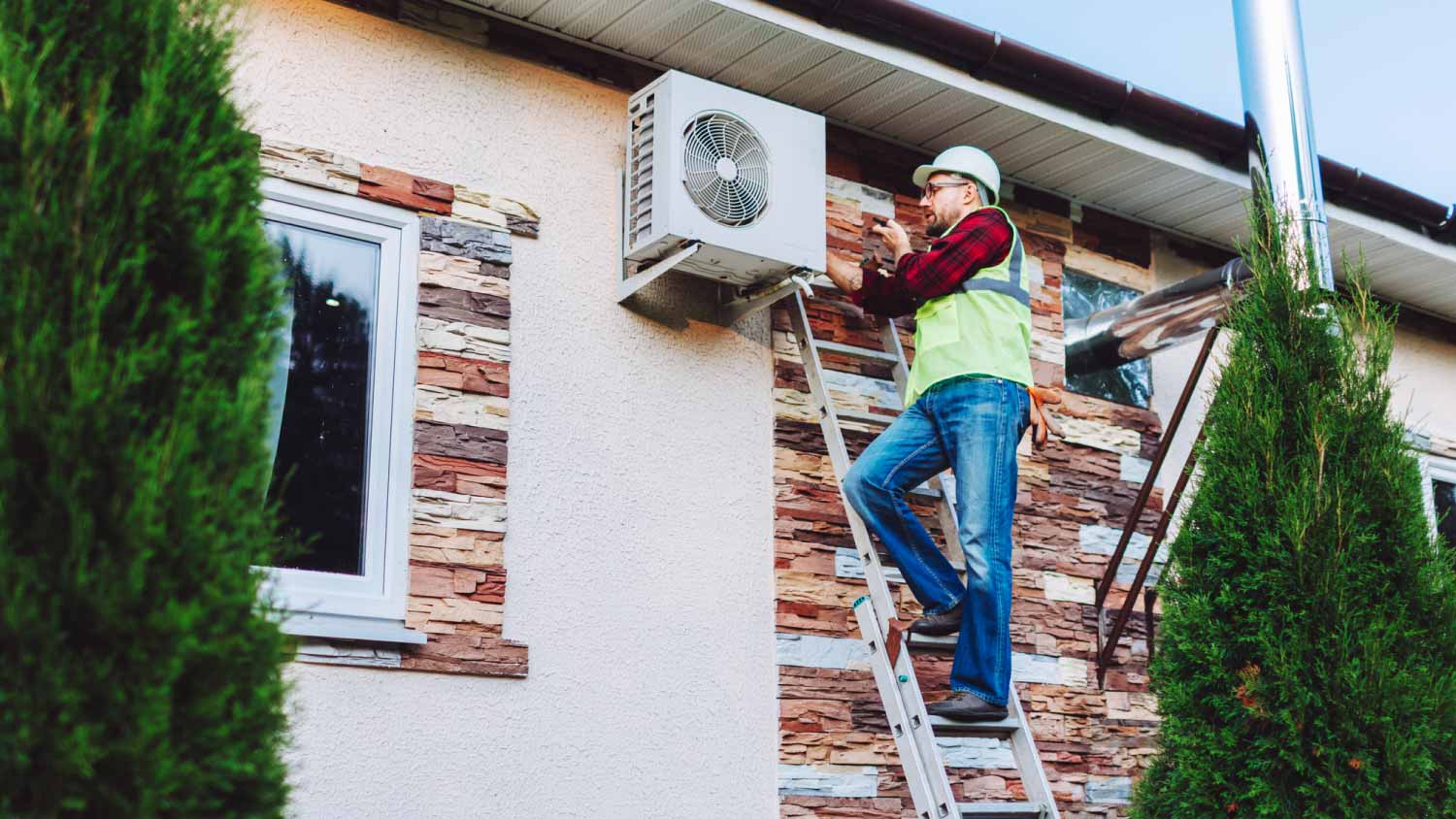
Find out the average heat pump repair cost, what impacts pricing, and how to save. Get transparent estimates and tips for homeowners planning repairs.
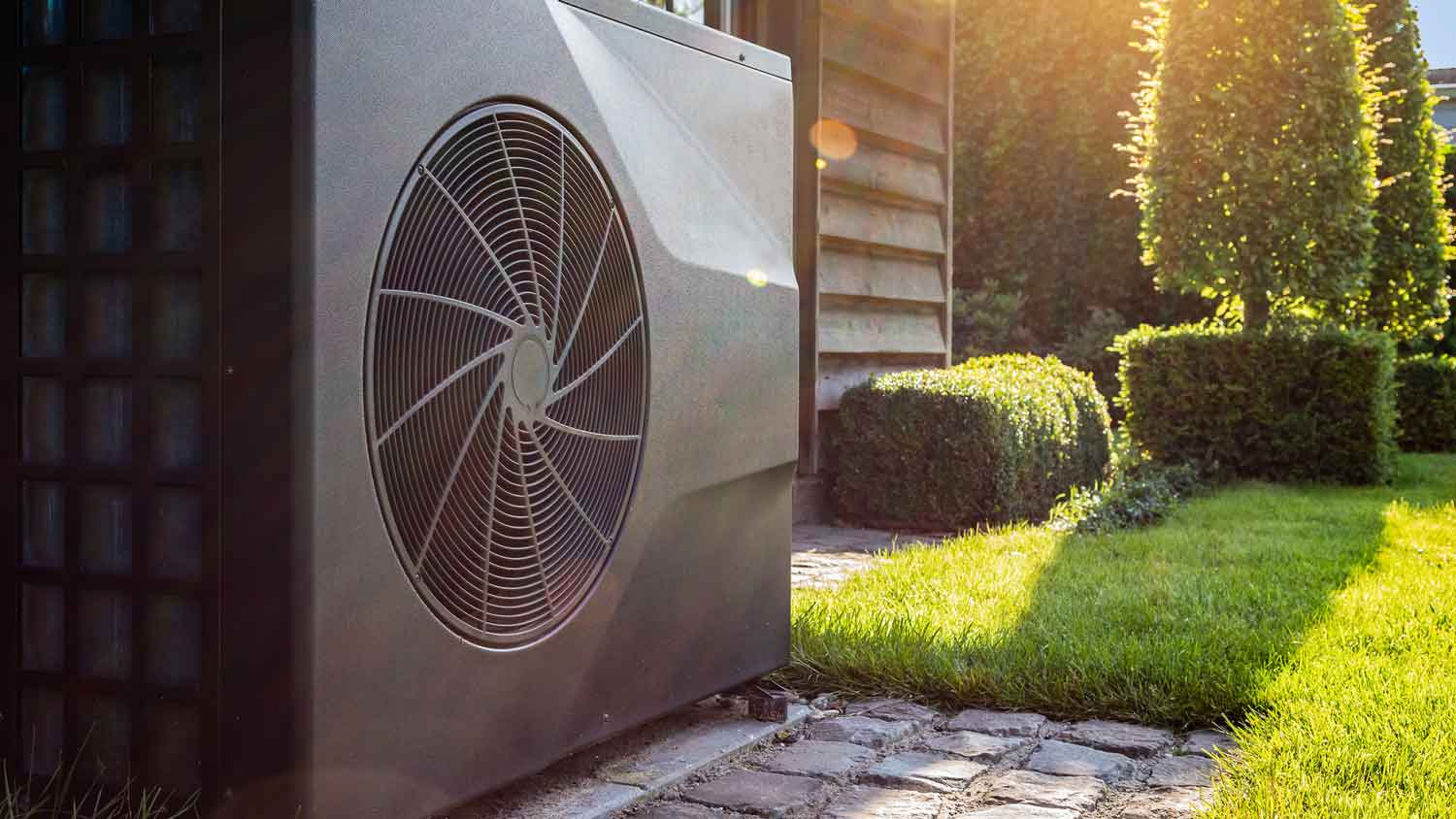
Is your heat pump fan not spinning? Discover what might be going wrong and get tips for fixing it by yourself or with the help of an HVAC pro.

Heat pumps offer more than meets the eye. Can a heat pump cool a house? Yes! So how cool can a heat pump make your house? The answer: comfortably cool.

A problem with your heat pump can lead to a house that’s too cold or too hot. Learn the most common heat pump problems—including any weird noises—and their solutions.
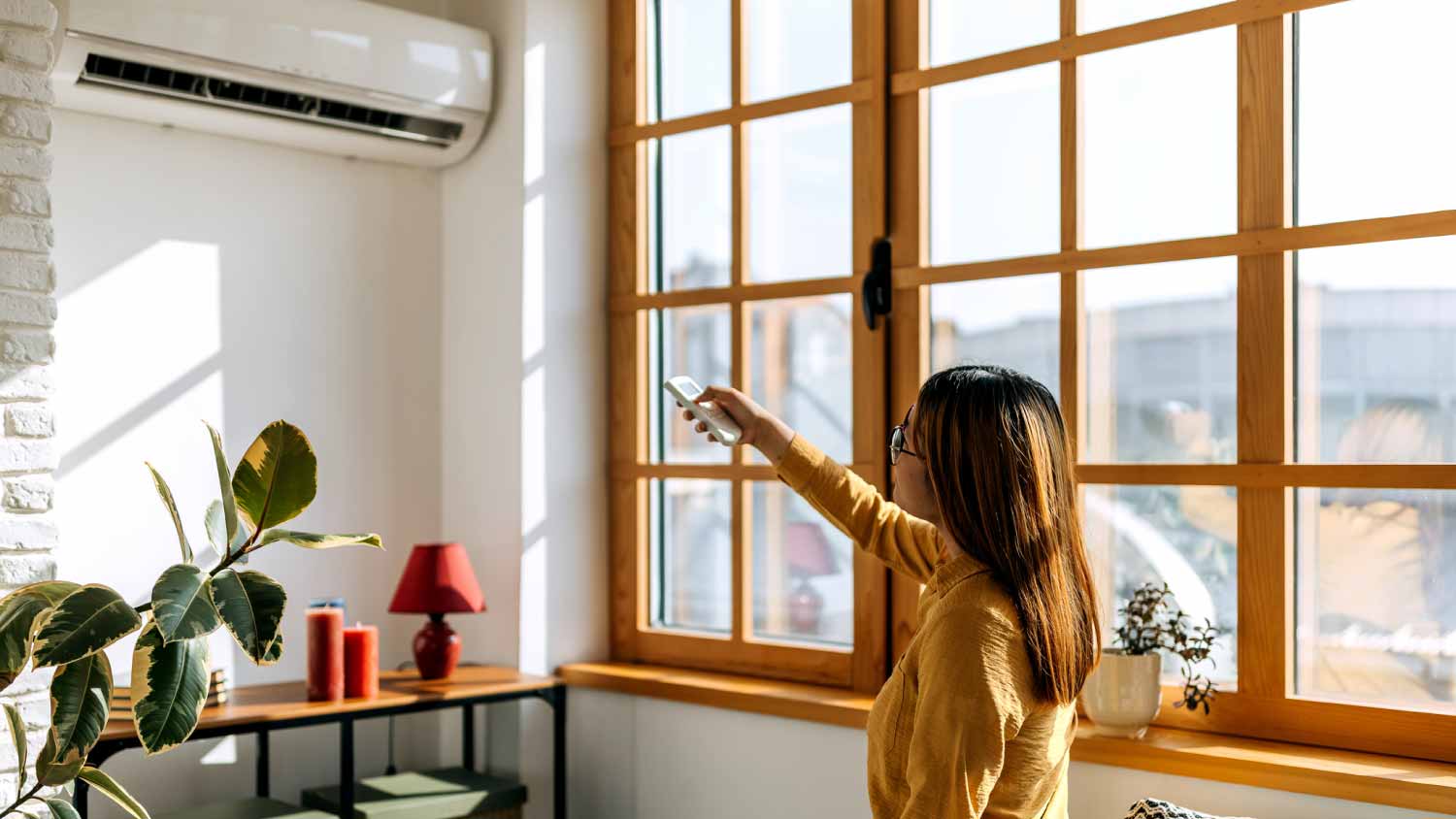
Do heat pumps heat and cool? Learn how heat pumps work and which type is best for your home and budget.