
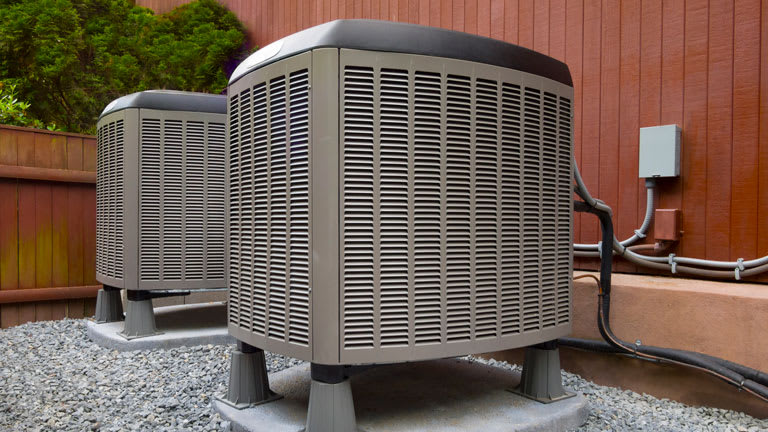
A heat pump is an eco-friendly heating and cooling system that can save you money on utilities each month. Find out the cost of a heat pump with this guide.
Well and pump service costs depend on your project and location. Check with a local pro for your specific job.


Heat pump repair costs range from $161 to $661, with most homeowners paying around $410 for your repair project.
The type of heat pump you own and the specific component needing repair determine your final bill and service complexity.
You should account for emergency service fees and potential ductwork or thermostat upgrades when creating your repair budget.
Hiring a local heat pump repair professional keeps your home comfortable and prevents dangerous electrical hazards or refrigerant exposure.
Heat pump repair cost is a key concern for homeowners facing system issues. The average heat pump repair cost is $161 to $661, with most homeowners paying around $410. Costs vary based on the type of repair, parts, and labor required. Understanding these factors can help you budget and plan for your next heat pump repair.
Let’s break down what impacts your repair bill, how to weigh repair versus replacement, and the smartest ways to save as you keep your home comfortable.
A few major factors influence your heat pump repair cost. Here’s what to consider when budgeting for repairs.
The type of repair needed has the biggest impact on your total heat pump repair cost. Common repairs include fixing or replacing the compressor, reversing valve, capacitor, fan motor, thermostat, resolving refrigerant leaks, or addressing electrical issues. Each repair type comes with its own price range and urgency. Accurately diagnosing the problem is essential—replacing the wrong part can lead to wasted money and ongoing issues.
| Repair Type | Description | Cost Range |
|---|---|---|
| Compressor | Powers refrigerant circulation | $650–$2,400 |
| Reversing valve | Controls heating/cooling mode | $200–$650 |
| Capacitor/contactor | Regulates electrical flow | $120–$400 |
| Fan motor | Drives airflow for heat exchange | $200–$700 |
| Thermostat | Controls temperature and system cycles | $80–$350 |
| Refrigerant leak repair | Fixes leaks and recharges refrigerant | $300–$1,200 |
| Electrical/control board | Repairs wiring or main control board | $150–$700 |
The type of heat pump you own affects repair complexity and cost. Air-source heat pumps are the most common and less expensive to fix. Ground-source (geothermal) systems involve underground pipes and specialized parts, raising repair costs. Ductless mini-splits and hybrid systems also have unique components that can impact pricing.
Specialized systems often require more expensive parts or technicians with additional training, which can increase your heat pump repair cost.
The size or tonnage of your heat pump affects the price of repairs. Larger systems have bigger, more costly components and may take more time to service. For example, a three-ton heat pump will cost more to repair than a one-and-a-half-ton unit.
| Heat Pump Size (Tonnage) | Description | Cost Range |
|---|---|---|
| 1.5–2 | Small home or apartment | $175–$800 |
| 2.5–3 | Medium-sized home | $250–$1,000 |
| 4–5 | Large home or commercial | $350–$1,500 |
The quality of replacement parts can impact your final bill. Original equipment manufacturer (OEM) parts are designed for your system and tend to be more expensive but reliable. Aftermarket parts cost less but may not last as long. Opting for high-efficiency or upgraded components can further raise your heat pump repair cost, but may improve performance.
| Material/Part Type | Description | Cost Range |
|---|---|---|
| OEM replacement | Manufacturer-supplied part | $100–$700 |
| Aftermarket part | Generic alternative | $75–$500 |
| High-efficiency part | Upgraded for better performance | $200–$1,000 |
Manufacturer or extended warranties can dramatically reduce your out-of-pocket heat pump repair cost. Warranties often cover major components like the compressor, reversing valve, or control board, but may not include labor. Always check your warranty status before authorizing repairs—having coverage can turn a big bill into a much smaller service charge.
Many HVAC companies offer maintenance plans that include regular inspections, cleaning, and minor repairs. These plans often cost $150 to $350 per year. Investing in a maintenance plan can help spot issues early and lower your long-term heat pump repair cost by avoiding expensive breakdowns. Choose a plan that includes priority service and discounts on parts for the best value.
Heat pump repairs are performed by licensed HVAC technicians. Labor costs vary by region, experience, and urgency. Expect to pay $75 to $150 per hour for standard service. Emergency, after-hours, or holiday calls can add $100 or more to your bill. Labor is a significant part of your total cost, especially for complex repairs that require several hours of work.
Where you live affects your repair bill. Urban areas and regions with high demand for HVAC services tend to have higher labor rates. Rural locations may have fewer technicians, leading to longer wait times or travel fees. The physical location of your heat pump—such as in a tight attic or crawlspace—can also raise labor costs due to access challenges.
Sometimes, a heat pump repair reveals other issues. Common add-ons include ductwork repairs, thermostat upgrades, refrigerant recharge, or electrical work. These extra services can add $100 to $1,000 or more to your total heat pump repair cost. Always ask for a detailed estimate before work begins so you understand all potential charges.
Deciding whether to repair or replace your heat pump depends on several factors. If your system is less than 10 years old and repairs are infrequent, fixing it is the best choice. However, if repairs are becoming more common, your system is over 12 years old, or major components like the compressor fail, replacement may make more sense.
Consider the 50% rule: If the repair cost is more than 50% of the price of a new system (which can range from $4,000 to $10,000 or more), replacement is recommended. Newer heat pumps are more energy efficient, so while the upfront cost is higher, you’ll likely save on energy bills over time. Always factor in warranty status and potential long-term savings when making your decision.
Hiring a heat pump repair pro near you isn’t just about paying for labor. You’re paying for the expertise that keeps your home warm without compromising on safety. DIY might save you between 20% and 40% of your total project cost, but without the proper tools and HVAC knowledge, you could turn a small fix into a budget-busting breakdown. Get things wrong could void your warranty and, more worryingly, cause code compliance or serious safety issues.
Hiring a pro to repair your heat pump is a smart move when you want reliable heat rather than system safety concerns. Here’s why:
Pros have the tools, training, and experience to quickly diagnose complex heat pump problems and implement an appropriate fix the first time.
Licensed heat pump pros know how to handle and dispose of refrigerants safely and legally.
You don’t have to worry about electrocution or fire risks when an experienced pro makes repairs.
They will complete the fix while complying with local building codes.
DIY heat pump repair work risks voiding your appliance warranty if things go wrong.
Pros can evaluate whether a replacement heat pump is a better investment than a costly repair.
Reputable heat pump pros always conduct thorough safety and efficiency checks upon completion of the repair.
While repairing a heat pump yourself isn’t a good idea, you can take some steps to ensure a smoother and possibly more cost-effective visit from a pro:
Perform basic checks, such as ensuring the breakers aren’t tripped and the thermostat is on, before calling out the pros.
Check and replace dirty air filters. Sometimes this simple fix can negate the need for more costly assistance.
Clear clutter from around your unit to make it easier for the pro to do their job. The improved airflow may also increase the heat pump's efficiency.
Provide the engineer with details of any strange noises, smells, short cycling, weak airflow, or higher energy bills to help aid diagnosis.
Consider these cost-saving strategies to make your <primary keyword> project more budget-friendly:
Schedule regular maintenance to prevent major breakdowns and keep your heat pump running efficiently.
Compare multiple quotes from heat pump experts to determine the best pricing and services for your repair.
Check your heat pump warranty coverage before authorizing repairs.
Consider setting up regular maintenance plans for long-term savings and peace of mind.
Confirm the scope of the repairs to understand the costs before work commences.
Check if your current heat pump is right for your home or if replacement may be a better investment than repair.
Discuss the parts that need replacing now and what may be able to wait if you have budget restrictions.
Decide whether performance-boosting upgrades, like ductwork repairs or a new thermostat, are worth investing in.
Home is the most important place on earth, which is why Angi has helped more than 150 million homeowners transform their houses into homes they adore. To help homeowners with their next project, Angi provides readers with the most accurate cost data and upholds strict editorial standards. We extensively research project costs to develop the pricing data you see, so you can make the best decisions for you and your home. We rely on reputable sources, including the U.S. Bureau of Labor Statistics, academic journals, market studies, and interviews with industry experts—all to ensure our prices reflect real-world projects.
Want to help us improve our cost data? Send us a recent project quote to [email protected]. Quotes and personal information will not be shared publicly.
This service was great. My air conditioner went out during the heat spell that we had. My husband has health issues and they came out that night and at 9:30pm the air conditioner was fixed and running. We are sooo very thankful, this is the company I will be using from now on and would...
 Mr. Mechanical Ohio
Joseph did a great job with the staircase and trim. Timely and efficient, clear communication about the work, very fair pricing. For the stairs in particular, done very skillfully in an old house (1893) in a tight spiral, and very creative with how to do the handrail. Did a nice job with...
 Vouis Trim Carpentry L.L.C.
Great experience!! Dion was prompt, professional and very polite. He is hands down the best plumber I have ever used.
 Mercenary Remodeling & Handyworks
Cole has been handling plumbing and general contracting for our four properties over the past three years, and he’s always done a great job. Most recently, he installed a sink and countertop in our retail store where none existed before, and it turned out exactly how we needed. He’s...
 ANB Renovations LLC
Matt is a consummate professional. The work turned out to be far more difficult than expected and rather than turn the job down, Matt rose to the occasion and completed a near impossible task. I can not recommend Greene's Plumbing Service more highly. On a scale of 1-5 I would give Matt a...
 Greene's Plumbing Service
The technician was very professional and friendly. He answered all my questions and was very thorough. He left the fireplace area very clean . He inspected from the roof and advised me as to other work that might need to be done. There was no pressure there. I was very satisfied with the...
 Supreme brick & chimney
Custom Paint Jobs LLC pays attention to every detail, ensuring a job well done every time.
 Custom Paint Jobs, LLC
When we had the winter freeze, I called Quantum Waterworks Waterline & Drain Cleaning Services and within 1 hour I received an e-mail and he sent someone out the next day and he was on time, he was nice and did the job quickly and cleaned up after himself. We had a leak in our kitchen from...
 Quantum Waterworks Waterline & Drain Cleaning Services, LLC
From the beginning , every appointment was met with punctuality! The day of installation, they arrived on time and worked tirelessly all day until the job was finished. ( Even through a very heavy down pour) Ilia, the owner is a professional, knowledgeable, and fair man. He is absolutely, and...
 Window Depot USA of Central Ohio
The service was excellent! They gave me a quote, and had it done 4 days later. My driveway looks amazing, very professional! I would definitely recommend their service to anyone. I have had neighbors stop by and ask for their information as well.
 All Star Paving and Sealing
From average costs to expert advice, get all the answers you need to get your job done.
A heat pump is an eco-friendly heating and cooling system that can save you money on utilities each month. Find out the cost of a heat pump with this guide.
When your water system isn’t working as intended, it’s time to repair your well pump. This cost guide will break down well pump repair costs and the parts involved.
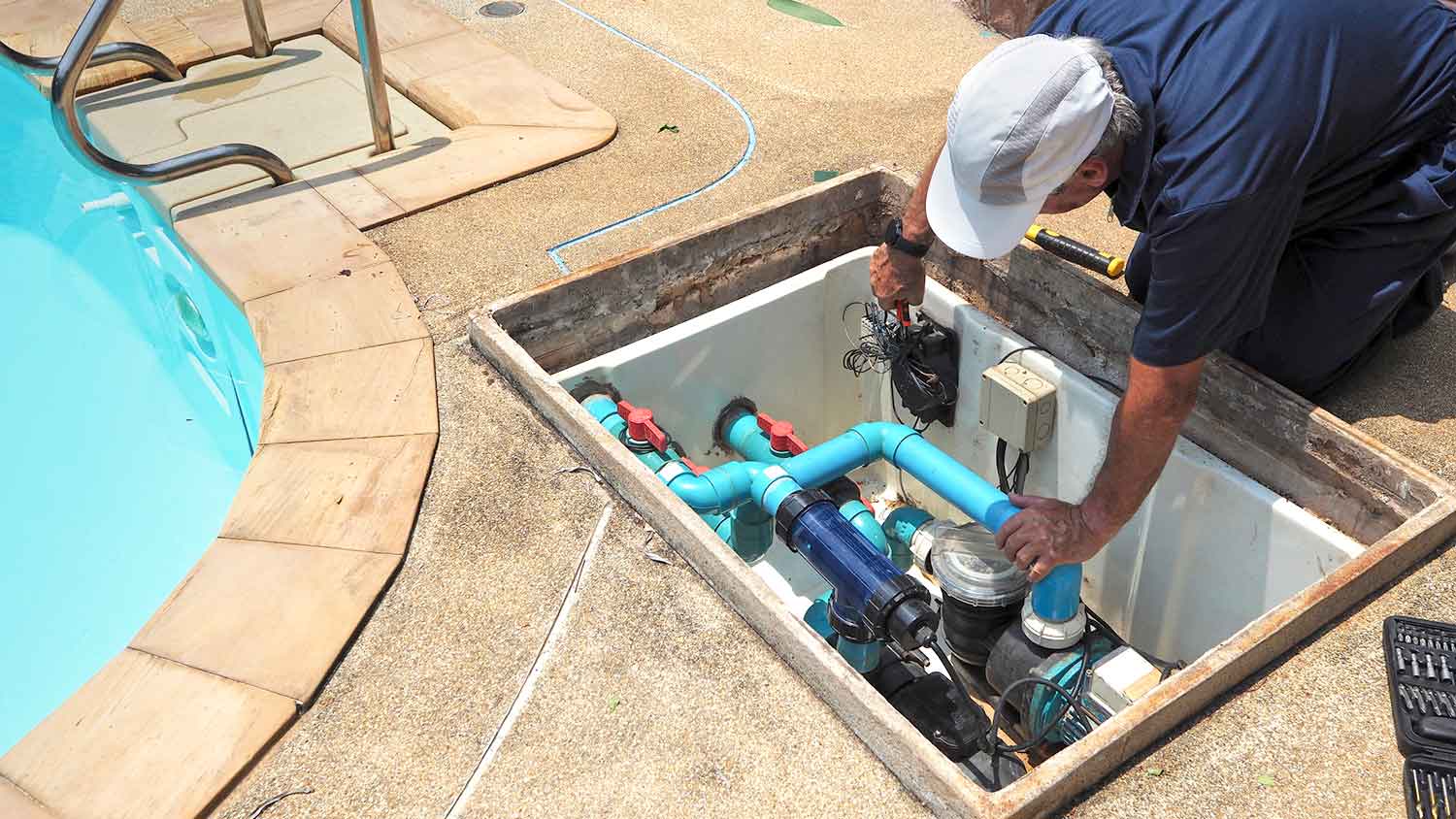
Find out the average pool pump repair cost, key price factors, and ways to save. Get expert tips to budget for your pool pump repair.
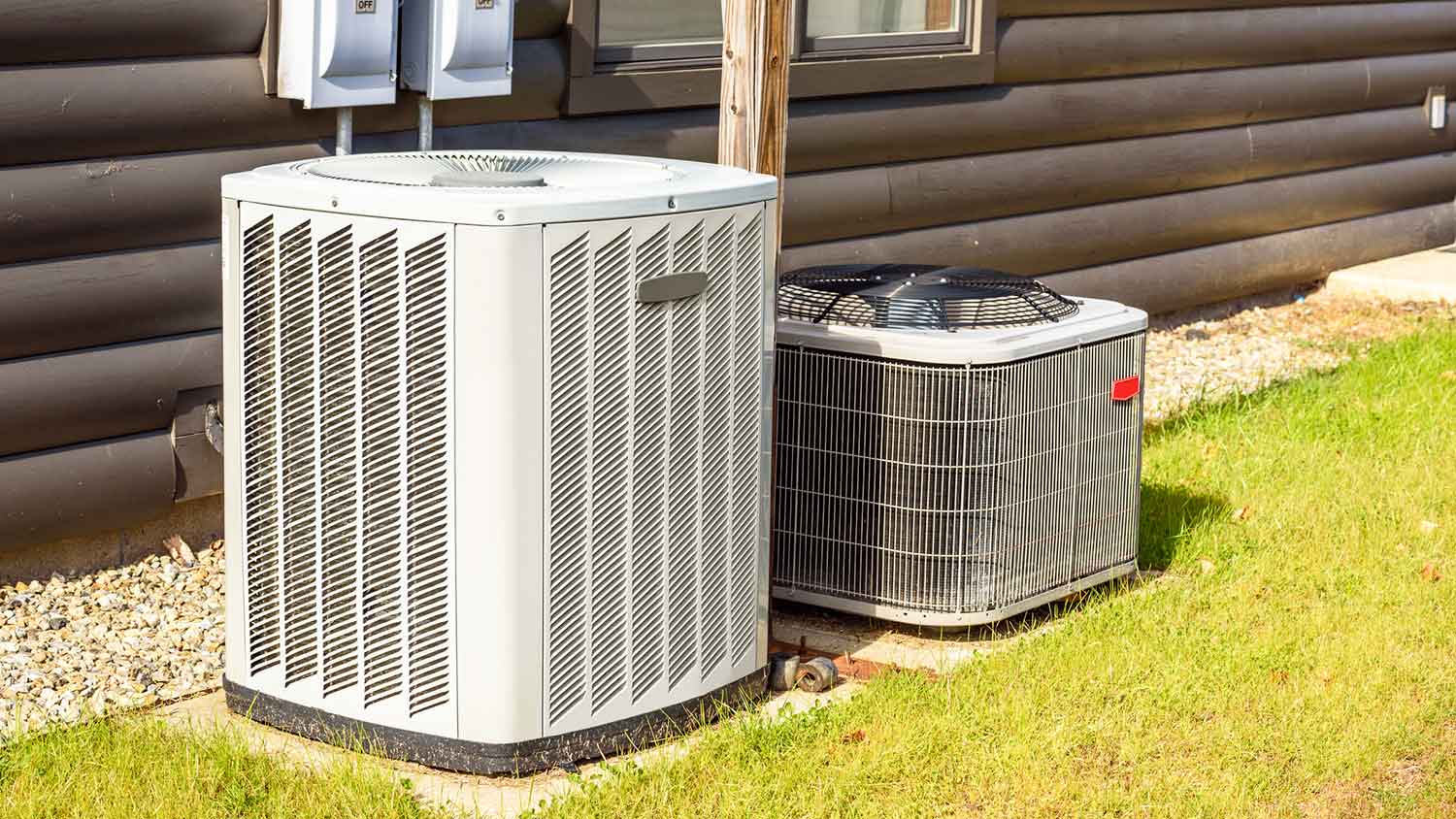
Is your system blowing cold air or making loud noises? Learn about heat pump repair costs, warning signs, and how to hire the right local HVAC pro.
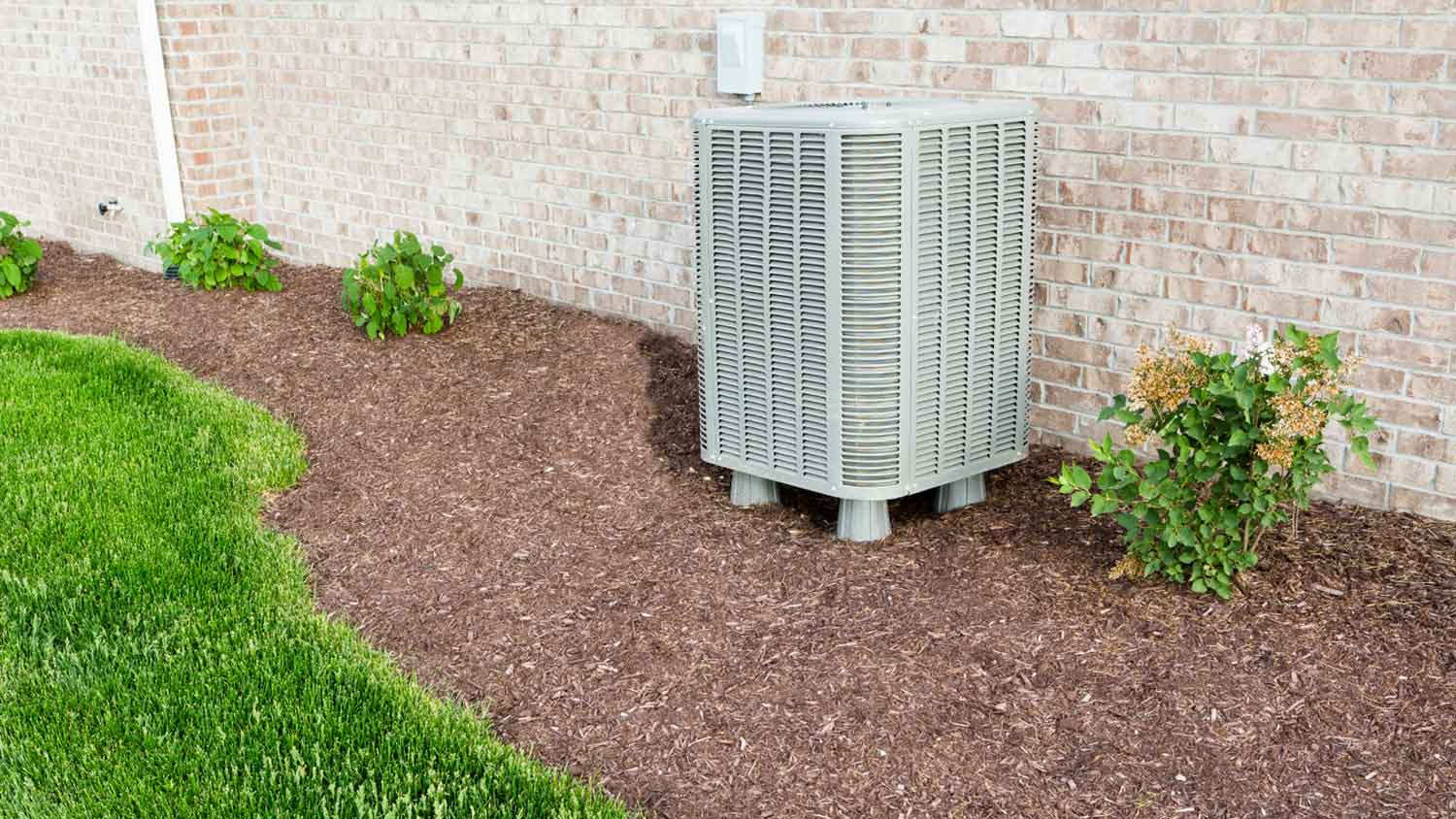
Use this guide to learn how to hire a heat pump service pro to keep this essential system in top condition.
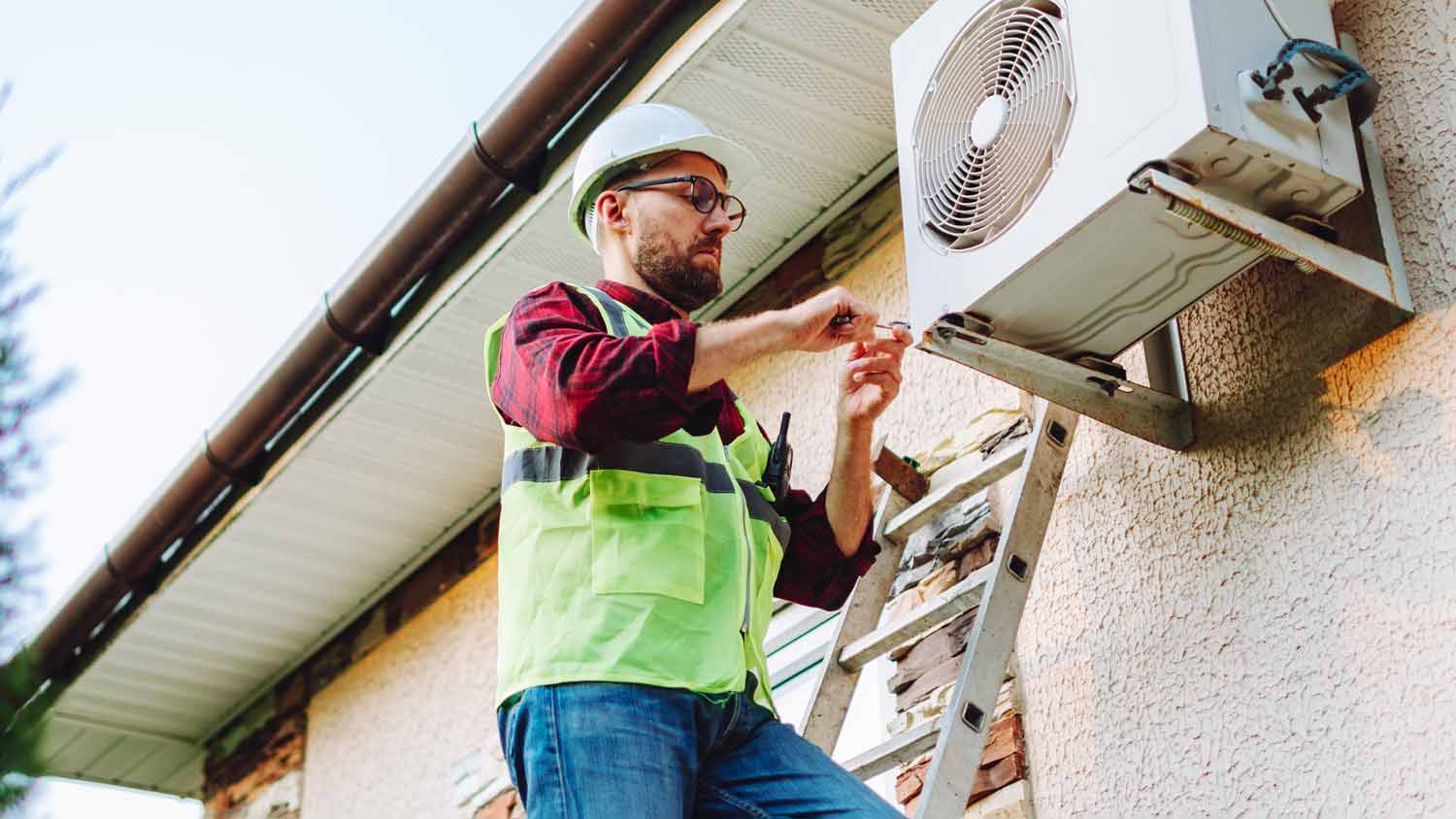
Looking for a qualified heat pump repair pro? Learn how to find, vet, and hire the right technician to keep your system running efficiently.