
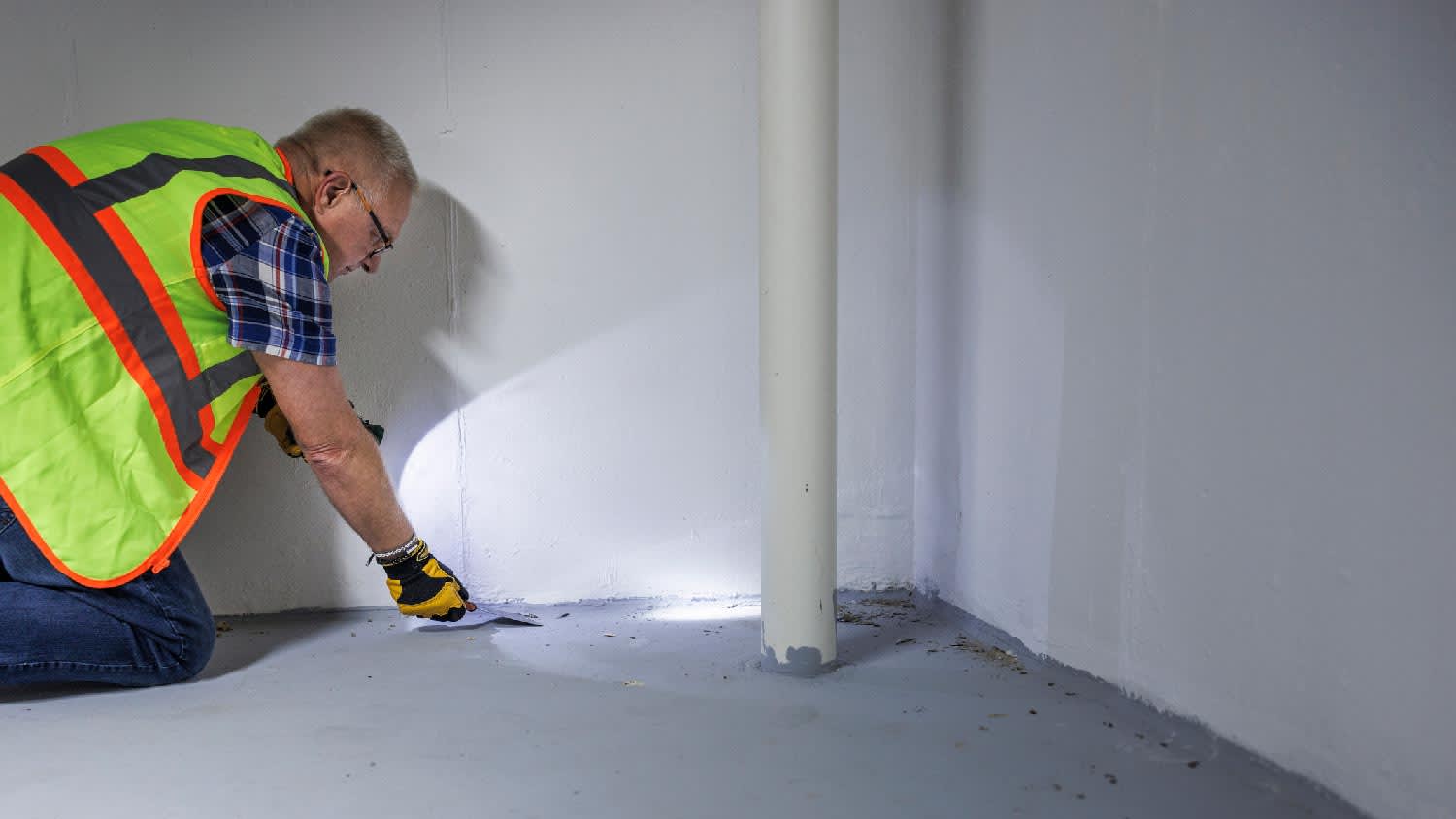
The cost of a mold inspection might seem high, but it’s one of the best investments you can make for your health and home. Read on to learn cost-saving tips.
Free your pretty plants of the burden of white mold with this helpful guide

The white substance on plants is powdery mildew, a fungal disease that thrives in high humidity, warm temperatures, and poor air circulation around your leaves.
Overwatering creates the damp conditions that encourage powdery mildew to spread, especially when you water overhead instead of at the base of your plants.
You can remove powdery mildew by isolating infected plants, pruning affected leaves, and applying neem oil or baking soda solutions to restore plant health.
Hiring a local gardening professional provides reliable support for identifying powdery mildew and choosing resistant plant varieties, helping you maintain a healthy garden year-round.
Plant lovers live in fear of white mold, but if you’re new to the plant world you may not know why this white powdery addition to your leaves and stems is so dangerous. White mold, also known as powdery mildew, can wreak havoc on your beloved plants, robbing them of vitality and aesthetics. But fear not, you can send white mold packing.
Let’s explore the root causes of white mold, its detrimental effects on plants, and most importantly, actionable steps to banish it from your garden.
White mold, scientifically known as powdery mildew, is a common fungal disease that affects a wide variety of plants. It appears as a white or gray powdery substance on the leaves, stems, flowers, and fruits of infected plants. Unlike other molds, powdery mildew doesn't necessarily require water to thrive; it can develop in warm, dry conditions.
The fungus responsible for powdery mildew spreads through airborne spores, landing on the plant's surface and establishing itself. It weakens the plant by disrupting photosynthesis, limiting the plant's ability to produce energy. As a result, leaves may yellow, curl, and drop prematurely, ultimately affecting the plant's growth and productivity.

White mold on plants, or powdery mildew, is caused by various species of fungi belonging to the Erysiphales order. Unlike many other fungi, powdery mildew doesn't require waterlogged conditions to thrive. Instead, it favors warm temperatures, high humidity, and poor air circulation. Here are the primary factors that contribute to the development of white mold on plants:
High humidity: Powdery mildew thrives in humid environments. When the air is moist, the spores of the fungus find it easier to germinate and infect plants.
Warm temperatures: Moderate temperatures between 60°F-80°F (15°C-27°C) are ideal for powdery mildew growth. The fungus becomes less active below 50°F (10°C) and above 90°F (32°C).
Poor air circulation: Plants in crowded or shaded areas with limited airflow are more susceptible. Good ventilation helps to reduce the humidity around the leaves, making it difficult for the fungus to establish.
Susceptible plant species: Certain plants are more prone to powdery mildew, especially those with dense foliage or succulent leaves.
Spore dispersal: Powdery mildew spreads through airborne spores. These spores can travel long distances, especially in dry and windy conditions, allowing the disease to affect multiple plants quickly.
Plant stress: Stressed or weakened plants, due to factors such as inadequate watering, poor nutrition, or damage, are more susceptible to powdery mildew.
If you’re worried about white mold on plant soil—don’t be. White mold, or powdery mildew, typically does not form directly on plant soil. Powdery mildew primarily affects the above-ground parts of plants, such as leaves, stems, flowers, and fruits. It thrives on the surface of plant tissues, especially in warm and humid conditions, as mentioned earlier.
However, there are other types of mold (like dog vomit slime mold) and fungi that can grow in plant soil. These molds are often caused by overly damp conditions in the soil. Excessive moisture can lead to the growth of molds like Rhizoctonia, Fusarium, or Sclerotinia, which affect plant roots and the lower parts of the stem. These molds, while not powdery mildew, can still be harmful to plants and should be addressed promptly by adjusting watering practices and ensuring proper drainage.

Preventing white mold on plants involves proactive measures. Ensure proper air circulation by spacing plants adequately, allowing sunlight to reach all parts. Here are a few quick tips for preventing white mold:
Water plants at the base in the morning, preventing leaf moisture that promotes mildew.
Regularly prune and remove affected plant parts to halt its spread.
Apply preventive fungicides or natural remedies like neem oil to deter mildew formation.
Choose mildew-resistant plant varieties for your garden.
Monitor plants diligently—swift action at the first sign of mildew can prevent widespread infestation, maintaining the health and beauty of your garden.
Who doesn’t want to get rid of any mold they find in their life? Here are some tips that can help you eradicate white mold on plants.
Before you can combat powdery mildew, you need to be sure that’s what you’re dealing with. Powdery mildew looks exactly as it sounds—like someone dusted your plants with flour. It usually starts as small, white spots on the leaves and can quickly spread. Confirming the presence of powdery mildew is the first step to eradicating it.
As soon as you notice powdery mildew on a plant, isolate it from others. This prevents the spread of spores to healthy plants. If possible, move the affected plant to an area with better air circulation. Good ventilation can slow down the growth and spread of powdery mildew.
Carefully prune the affected leaves and parts of the plant. Use sanitized pruning tools to prevent the spread of the disease. Dispose of the pruned material far away from your garden to avoid contamination.
Several natural remedies can help combat powdery mildew. One effective option is a mixture of water and neem oil or baking soda. Mix a few drops of neem oil or one tablespoon of baking soda in a gallon of water and spray it on the affected plants. This solution alters the pH on the leaf surface, making it less hospitable for the fungus. Alternatively, a mixture of milk and water (one part milk to nine parts water) sprayed on plants can act as a natural fungicide.
If natural remedies prove insufficient, consider using fungicides. There are several commercially available fungicides designed specifically to combat powdery mildew. Always read and follow the instructions on the label carefully. Fungicides are most effective when applied as a preventive measure or in the early stages of the disease.
Powdery mildew thrives in still, humid conditions. Increase air circulation around your plants by pruning them appropriately. Remove any unnecessary vegetation that might be blocking air movement. This step is especially important for plants that are prone to powdery mildew.
Avoid overhead watering, which can create a humid environment conducive to powdery mildew. Instead, water your plants at the base to keep the leaves dry. Watering in the morning allows the leaves to dry during the day, further reducing the risk of powdery mildew development.
When planning your garden, choose plant varieties that are resistant to powdery mildew. Resistant plants are naturally less susceptible, making them a better choice for areas prone to this fungal disease.
Powdery mildew can be persistent, so regular monitoring of your plants is crucial. Even after the symptoms have disappeared, continue to monitor the plants for any signs of recurrence. Maintenance, such as pruning for better airflow and appropriate watering, should be ongoing to prevent future outbreaks.
If the infestation persists despite your efforts, consider consulting with local gardening experts or horticulturists. They can provide specific guidance tailored to your region and the plants you are growing.
D1 Roofing delivers outstanding service from beginning to end, backed by a strong warranty and expert teams. I highly recommend them for their excellence in meeting and surpassing expectations with unmatched communication. Choosing D1 Roofing was flawless decision
 Division 1 Roofing LLC
We had our houses windows and back door replace this summer by Window Depot USA of Central. He gave us grate advise and saved my family lots money. The team did a fantastic job with installation. If you need help, they sure get job done right!
 Window Depot USA of Central Ohio
Wonderful. I am going to have them remove and replace my driveway in the spring.
 All Star Paving and Sealing
We were having 2”x 2” tile installed . There was a small installation error and the new additional replacement tile was from a different lot and the colors didn’t match. Joe assured us that he would rectify everything , which he did without hesitation. We decided to go with the 18” x 36” tile...
 CarifaTile
We had a 20+ year old landscape lighting system that needed replacement. Midwest Lightscapes worked with us to design a much improved lighting system, lighting the exterior of the house and the back yard. Installation of the 45 light system took one and one-half days, and went very smoothly....
 Midwest Lightscapes
Did an amazing job transforming my yard. Also installed sod in places, would recommend to everyone.
 Cardinal Landscaping & Construction LLC
They show up and they did take us on as a client which seems to be a problem with other lawn care providers. We have multiple properties and this one was located close to downtown and no one really wants to mess with it.
The worker came out when he was supposed to come. He informed me he would honor the Angie's List deal, but would not do any more work for me since my son in law owns lawn care company as well, even though they do not do the same type of work. He said he did not feel comfortable giving me...
 Bello Giardino LLC
E & L Lawn Care was super. They were very responsive before and after service. They were efficient and were able to complete the job within 1 day. I have had concern about one section of sod - the owner was pro-active and did a visit to evaluate. I have no doubt they will stand behind...
 E&L lawn care
From average costs to expert advice, get all the answers you need to get your job done.
The cost of a mold inspection might seem high, but it’s one of the best investments you can make for your health and home. Read on to learn cost-saving tips.
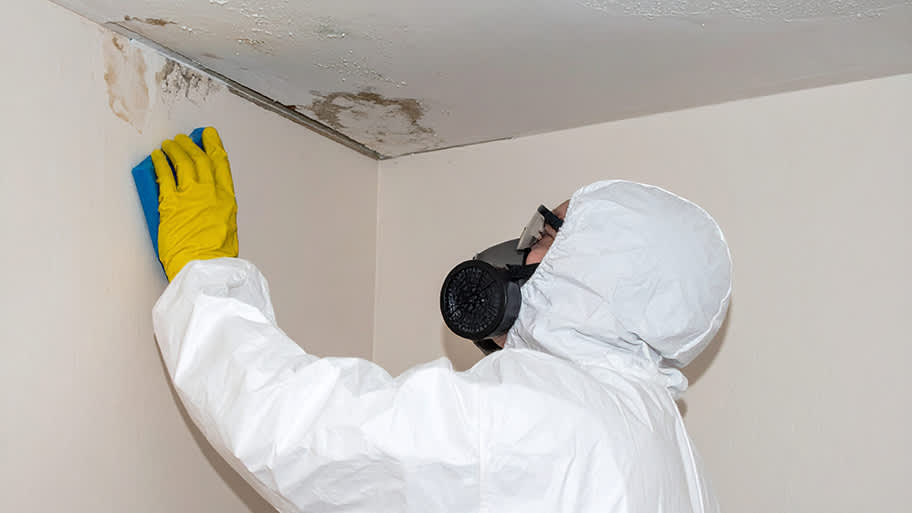
Mold remediation cost can quickly escalate. But if you have mold in your home, the cost for mold remediation is worth it.
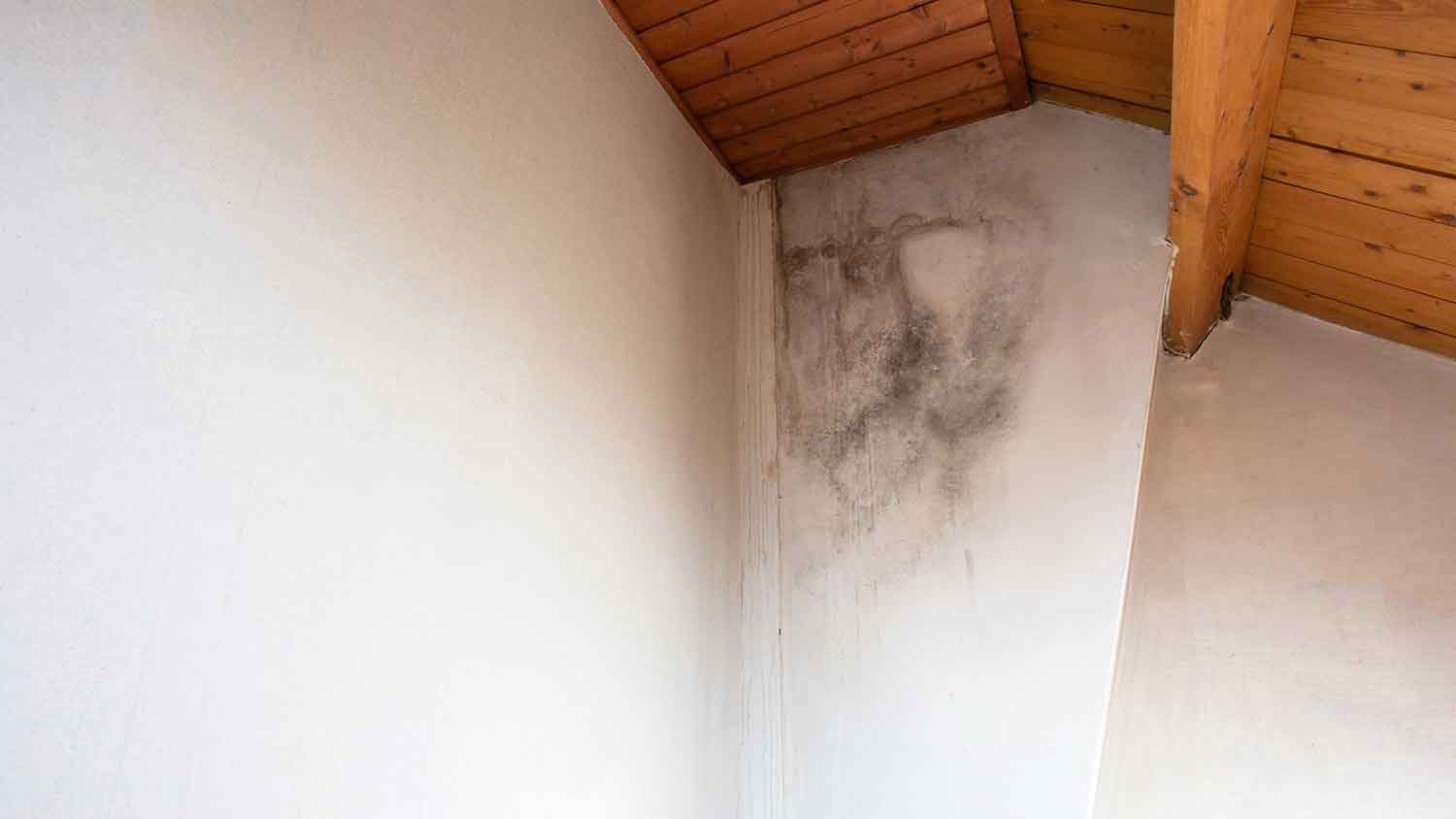
If you aren’t sure what type of mold is in your home, keep reading for a detailed breakdown of white mold vs black mold to see if one or the other is the culprit.

If your plants look coated in white or gray powder, powdery mildew may have taken over your garden. Learn how to treat and prevent this common fungal disease.

Tired of an unmistakable odor permeating your living space? Learn how to get rid of a mold smell in your house, and reclaim a clean and odor-free home.

Mold poses a constant threat to homeowners as it can grow in many environments. Learn how to identify types of mold to prevent health and structural issues.