
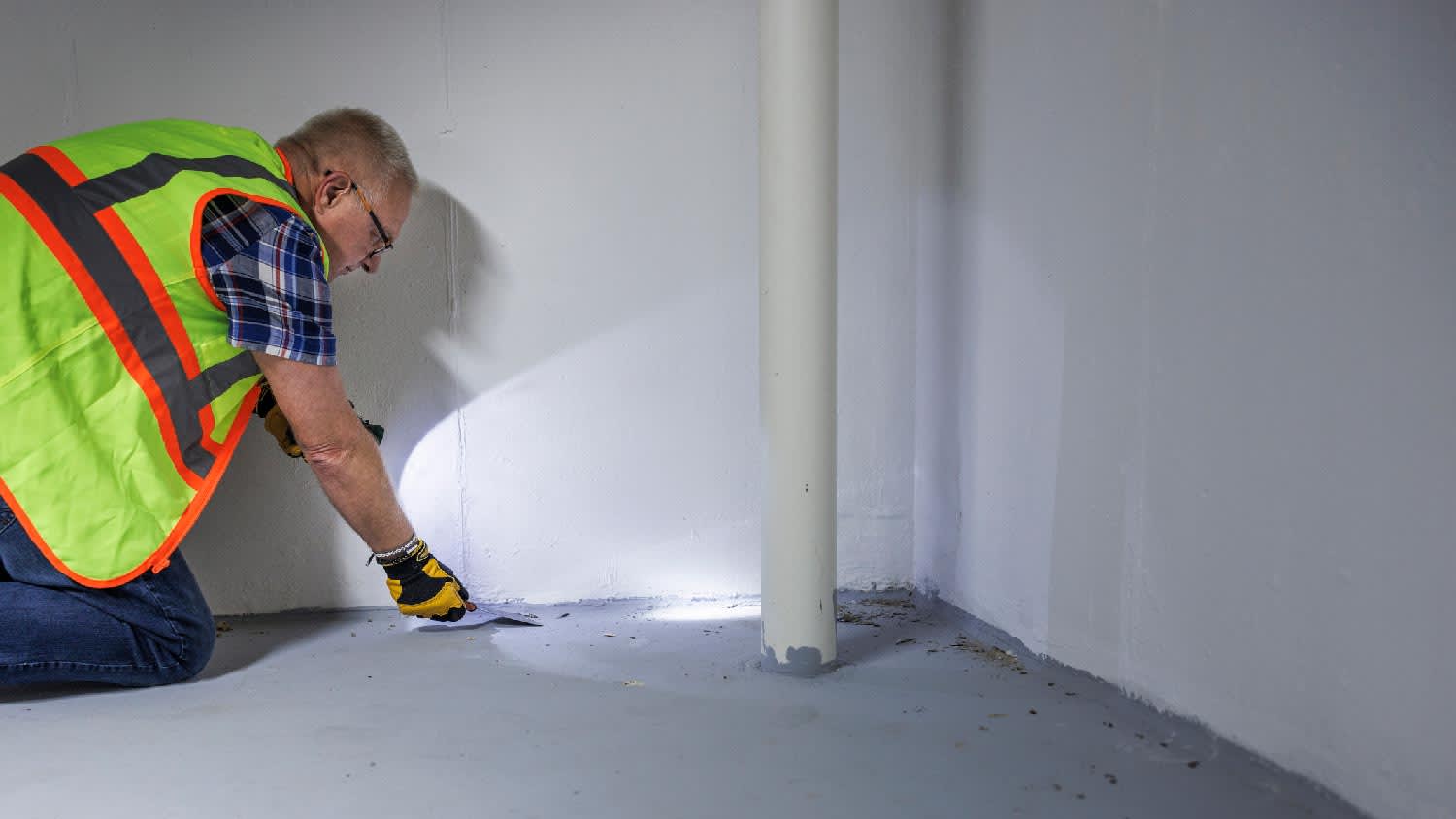
The cost of a mold inspection might seem high, but it’s one of the best investments you can make for your health and home. Read on to learn cost-saving tips.
Don’t let a winter injury harm your lawn

Snow mold is a fungal disease that thrives under snow cover, appearing as gray or pink circular patches on your lawn after winter melts.
Gently rake affected areas to remove matted grass and improve air circulation, helping your lawn recover and breathe after the snow mold damage.
Mow your lawn at the proper height before winter and clear debris like leaves to prevent snow mold from taking hold in your yard.
Hiring a local mold inspection professional provides expert guidance when snow mold persists, ensuring your lawn gets the right fungicide treatment and care plan.
Winter often paints our surroundings in a serene white, but beneath the tranquil blanket of snow lies a potential problem for your lawn—snow mold. What is snow mold? How can you identify it, and where does it tend to form? More importantly, how do you safely remove it and prevent its return? Let’s unravel the secrets of snow mold together.
Snow mold—an unwelcome visitor to your lawn—is a fungal menace that thrives in the chilly embrace of winter. When the snow blankets your lawn, it sneaks in silently, leaving behind patches of discolored, matted grass that turn your once-lush green yard into an unattractive landscape. Its presence becomes apparent as the snow melts away, revealing circular, ominous patches across your yard.
There are two main types of snow mold, each with its own distinct appearance and characteristics:
Gray mold snow (Typhula blight): This variety manifests as circular patches of grayish-white, matted grass, creating an unsettling contrast against the surrounding greenery.
Pink snow mold (Microdochium patch): It appears as pinkish, cottony masses clinging to the grass blades, almost like a delicate but damaging pink veil.
Snow mold is a fungus of opportunity, seizing the low temperatures and high moisture levels of winter and early spring to thrive. It’s during these colder months that snow mold establishes its dominance, making it a prevalent issue for lawns in regions where winter's grip is strong.
As the snow melts and spring approaches, the effects of snow mold become apparent, reminding homeowners of the importance of lawn care even in the dormant winter months. By knowing your enemy, you can employ effective strategies to keep your lawn vibrant and healthy, ensuring it remains an oasis of green amidst the changing seasons.
| Gray Snow Mold | Pink Snow Mold |
|---|---|
| Typhula blight | Microdochium patch |
| Circular patches of grayish-white | Pinkish, cottony masses |
| Mattes grass | Clings to grass blades |

Identifying snow mold is crucial to effectively combating its presence on your lawn. Keep an eye out for circular, matted patches of grass, often with a fuzzy or web-like appearance. Gray snow mold patches tend to be white or gray, while pink snow mold can range from pink to salmon-colored. In severe cases, these patches can merge, covering larger areas of your lawn. Affected grass may have a slimy texture, indicating the presence of the fungus. Proper identification ensures you can take targeted action against this lawn menace.
Not sure how to get rid of snow mold? Removing snow mold demands a delicate touch to both obliterate the fungus and preserve your lawn’s health. Start by gently raking the affected areas. The aim is to remove the matted grass, which not only improves the aesthetic appeal of your lawn but also enhances air circulation. Proper air circulation is vital for grass to recover promptly. However, it's crucial to employ a soft, careful approach. Avoid aggressive raking, as it can harm the healthy grass neighboring the affected areas. Think of it as a therapeutic session for your lawn—gentle and nurturing, allowing the grass to breathe and regenerate.
In situations where the snow mold infestation is severe and has substantially damaged your lawn, consider overseeding the affected areas. Overseeding involves planting grass seeds directly into existing turf, stimulating new growth and rejuvenating the affected patches. This method not only helps in eradicating the unsightly aftermath of snow mold but also ensures a fuller, healthier lawn in the upcoming seasons. Think of overseeding as a natural healing process, encouraging fresh, resilient grass blades to replace the affected ones.
For severe cases where the snow mold seems to have a tenacious grip, a fungicide application becomes a necessary measure. Consult with a mold inspector or lawn care professional for assistance. These experts can guide you through the process, ensuring you choose the right product that effectively combats the specific snow mold strain affecting your lawn. It's paramount to follow the fungicide's instructions diligently, adhering to the recommended dosage and application frequency. Additionally, always prioritize your safety. Wear protective gear such as gloves and a mask when handling fungicides, shielding yourself from potential health risks while you nurse your lawn back to health.
Preventing snow mold is akin to fortifying your lawn against an unseen enemy, ensuring it remains robust and vibrant despite the harshest winter conditions. Begin your defense strategy by mowing your lawn at the proper height before winter sets in. Longer grass acts as a natural insulator, protecting the soil and roots from extreme cold. By maintaining a slightly taller grass height, you create a barrier that deters snow mold from taking hold, ensuring your lawn remains healthy and resilient throughout the winter.
Another essential preventive measure is clearing your lawn of debris like leaves and thatch. These seemingly harmless elements can turn into a breeding ground for snow mold. Regularly removing debris ensures that the fungus lacks the organic matter it needs to thrive, making your lawn an inhospitable environment for snow mold spores. Think of this process as decluttering your lawn, allowing it to breathe freely and reducing the risk of fungal infestations.
Aeration emerges as a powerful ally in your fight against snow mold. By aerating your lawn during the fall, you facilitate better soil drainage and reduce compaction. Compacted soil creates an environment conducive to snow mold growth. Aeration breaks up compacted soil, allowing water, nutrients, and air to penetrate deeply, encouraging robust grassroots. It’s akin to providing your lawn with a refreshing breath of air, invigorating it, and enhancing its natural defenses against snow mold.
Lastly, exercise caution with fertilization, particularly in the late fall. While it might be tempting to pamper your lawn with nutrients before winter, excessive fertilization can backfire. Lush, tender grass might appear visually appealing, but it’s more vulnerable to snow mold. The rapid growth induced by excessive fertilization can leave your lawn susceptible to fungal attacks. Strike a balance between nourishing your lawn and maintaining its resilience. Opt for a balanced fertilizer regimen that supports healthy growth without compromising the grass’s natural defenses against snow mold.
D1 Roofing delivers outstanding service from beginning to end, backed by a strong warranty and expert teams. I highly recommend them for their excellence in meeting and surpassing expectations with unmatched communication. Choosing D1 Roofing was flawless decision
 Division 1 Roofing LLC
We had our houses windows and back door replace this summer by Window Depot USA of Central. He gave us grate advise and saved my family lots money. The team did a fantastic job with installation. If you need help, they sure get job done right!
 Window Depot USA of Central Ohio
Wonderful. I am going to have them remove and replace my driveway in the spring.
 All Star Paving and Sealing
We were having 2”x 2” tile installed . There was a small installation error and the new additional replacement tile was from a different lot and the colors didn’t match. Joe assured us that he would rectify everything , which he did without hesitation. We decided to go with the 18” x 36” tile...
 CarifaTile
We had a 20+ year old landscape lighting system that needed replacement. Midwest Lightscapes worked with us to design a much improved lighting system, lighting the exterior of the house and the back yard. Installation of the 45 light system took one and one-half days, and went very smoothly....
 Midwest Lightscapes
Did an amazing job transforming my yard. Also installed sod in places, would recommend to everyone.
 Cardinal Landscaping & Construction LLC
They show up and they did take us on as a client which seems to be a problem with other lawn care providers. We have multiple properties and this one was located close to downtown and no one really wants to mess with it.
The worker came out when he was supposed to come. He informed me he would honor the Angie's List deal, but would not do any more work for me since my son in law owns lawn care company as well, even though they do not do the same type of work. He said he did not feel comfortable giving me...
 Bello Giardino LLC
E & L Lawn Care was super. They were very responsive before and after service. They were efficient and were able to complete the job within 1 day. I have had concern about one section of sod - the owner was pro-active and did a visit to evaluate. I have no doubt they will stand behind...
 E&L lawn care
From average costs to expert advice, get all the answers you need to get your job done.
The cost of a mold inspection might seem high, but it’s one of the best investments you can make for your health and home. Read on to learn cost-saving tips.
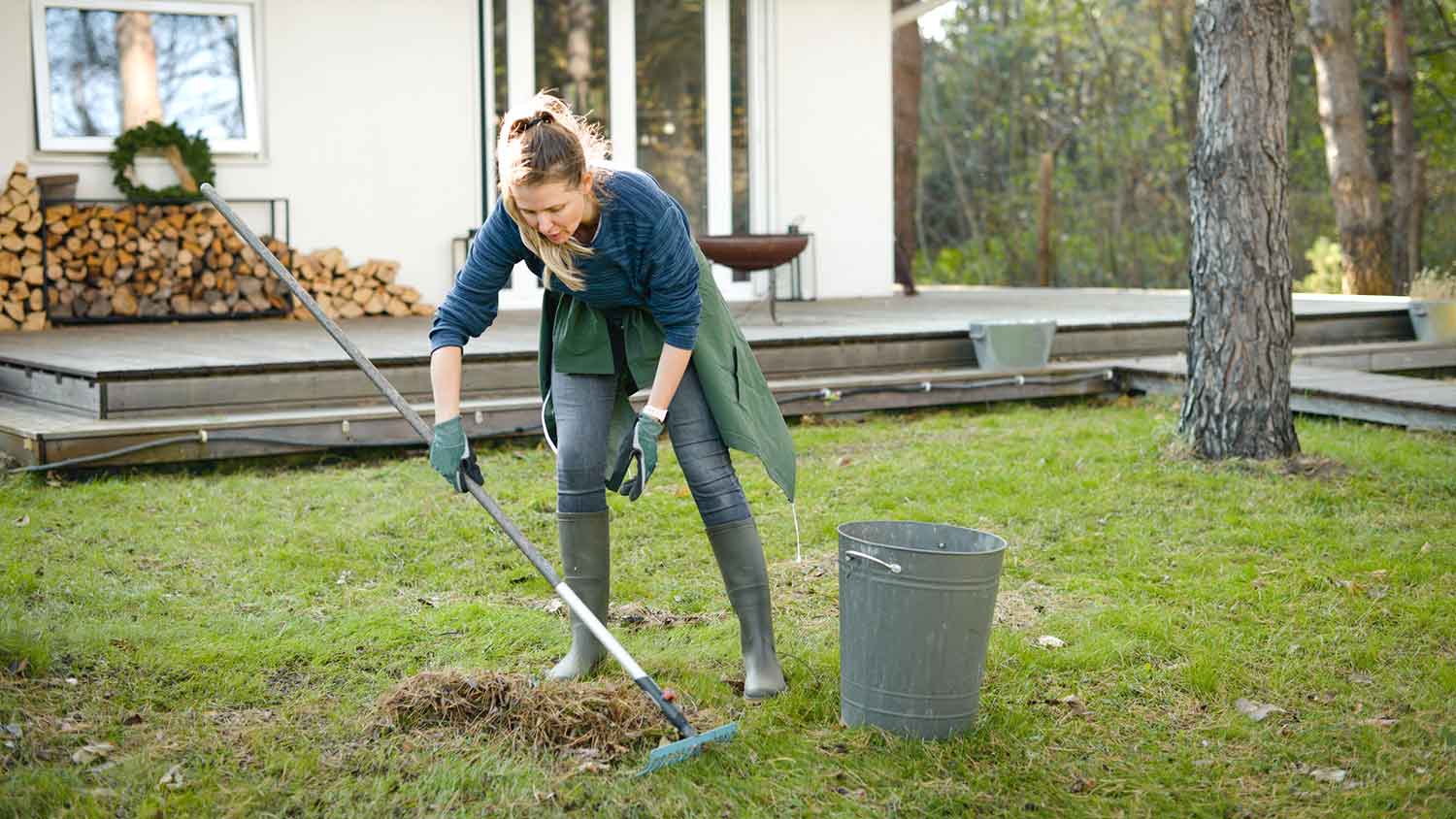
If snow melts in your yard, but the grass is still covered in patches of white, you may have snow mold. Learn how to get rid of snow mold with this guide.
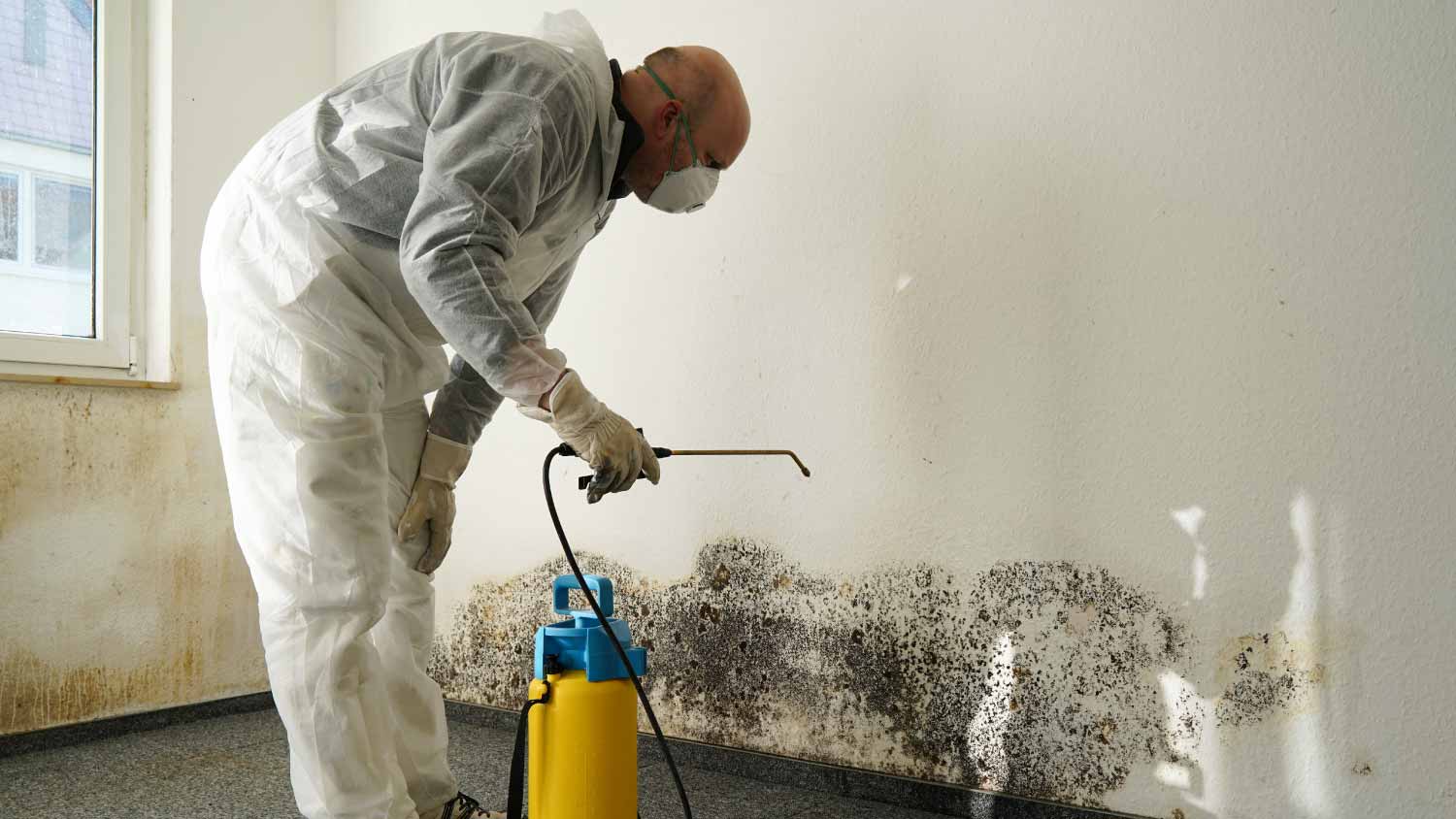
Not sure what type of mold is forming in your home? We’re breaking down black mold vs regular mold.
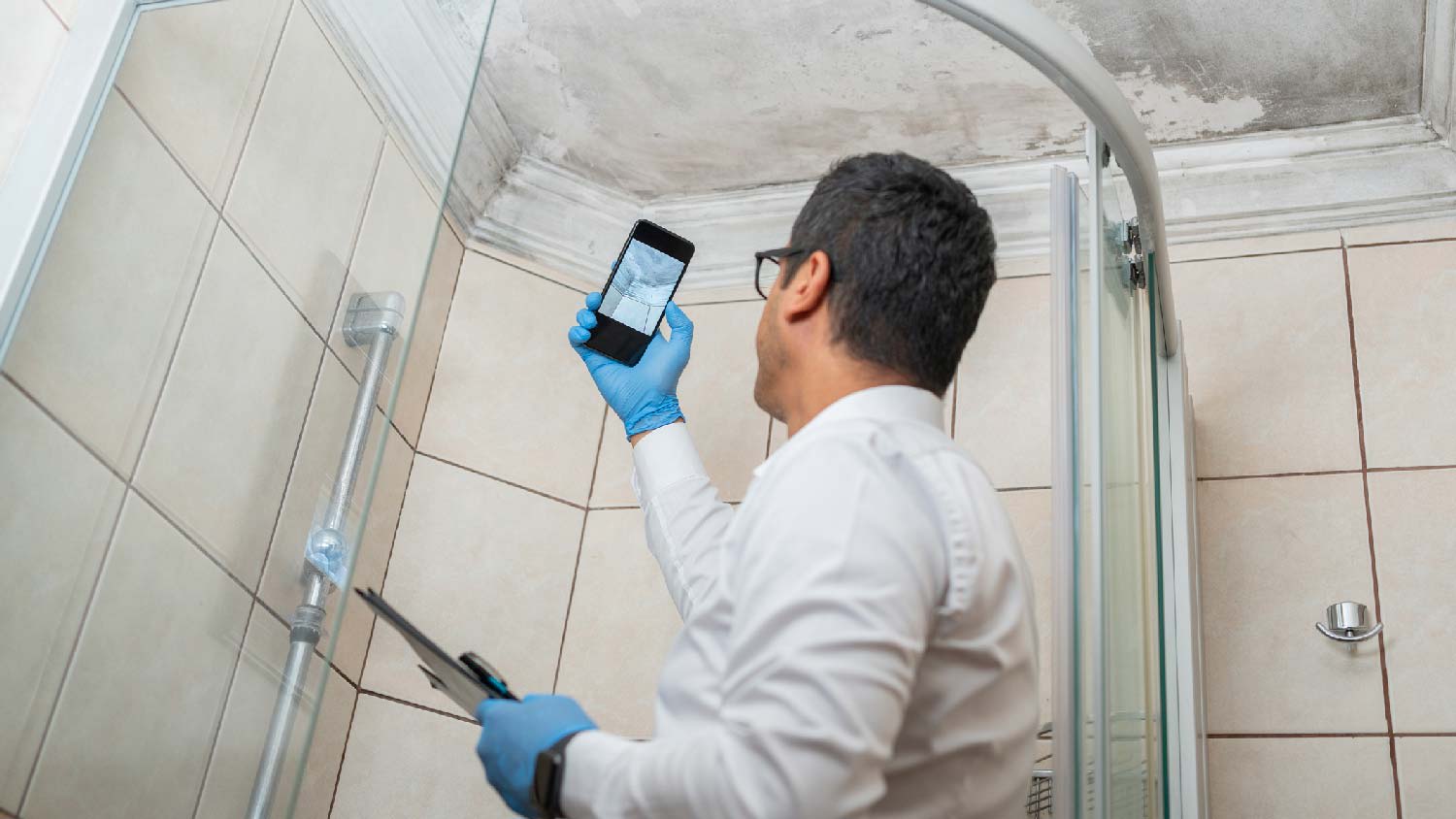
Got something fuzzy growing in your home? Learn the difference between green mold vs. black mold, and what you should do if you see it growing.
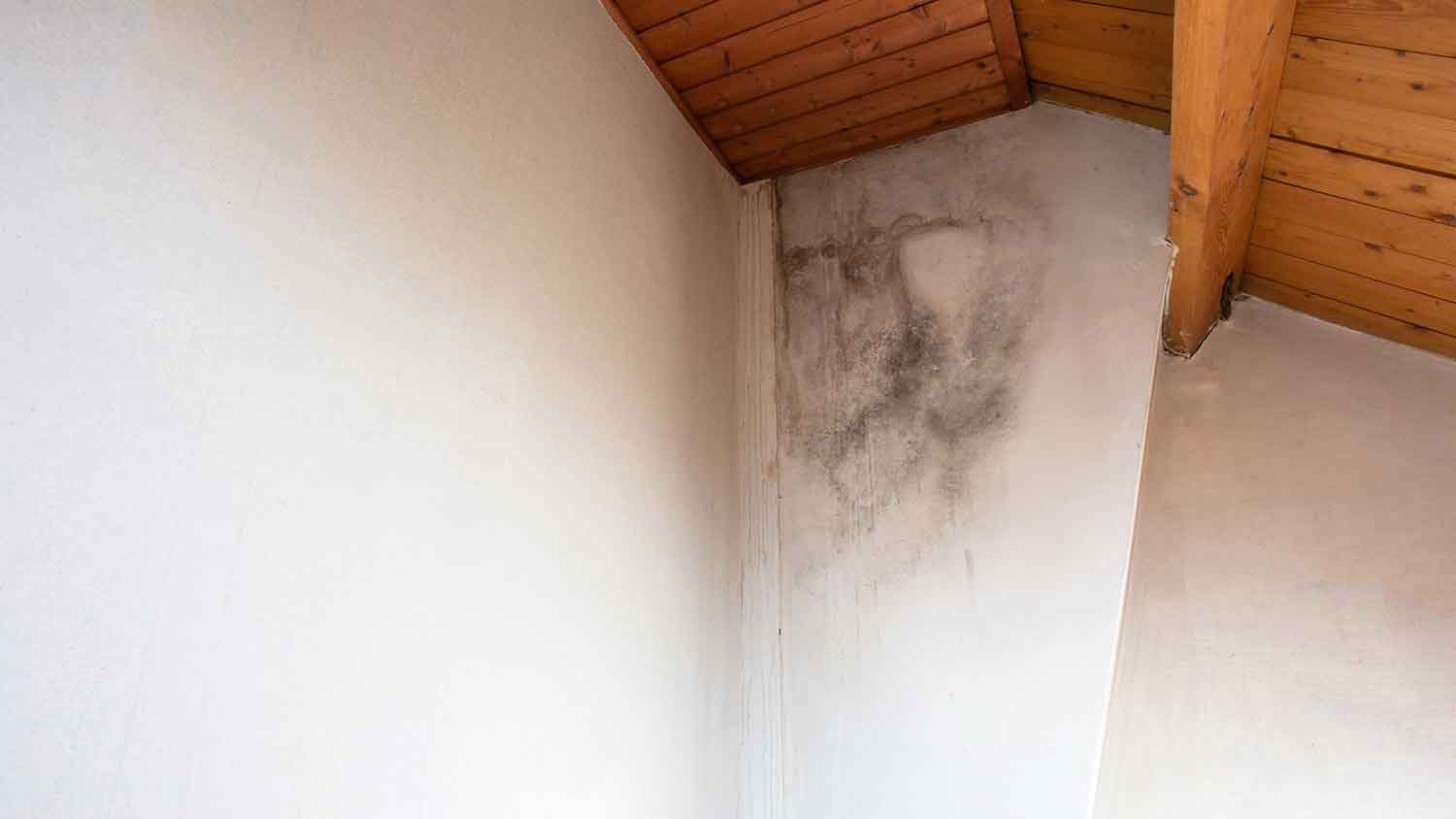
If you aren’t sure what type of mold is in your home, keep reading for a detailed breakdown of white mold vs black mold to see if one or the other is the culprit.

What causes mold? Excessive moisture in your home is likely to blame. Read on to learn more about what causes mold and how to prevent it.