
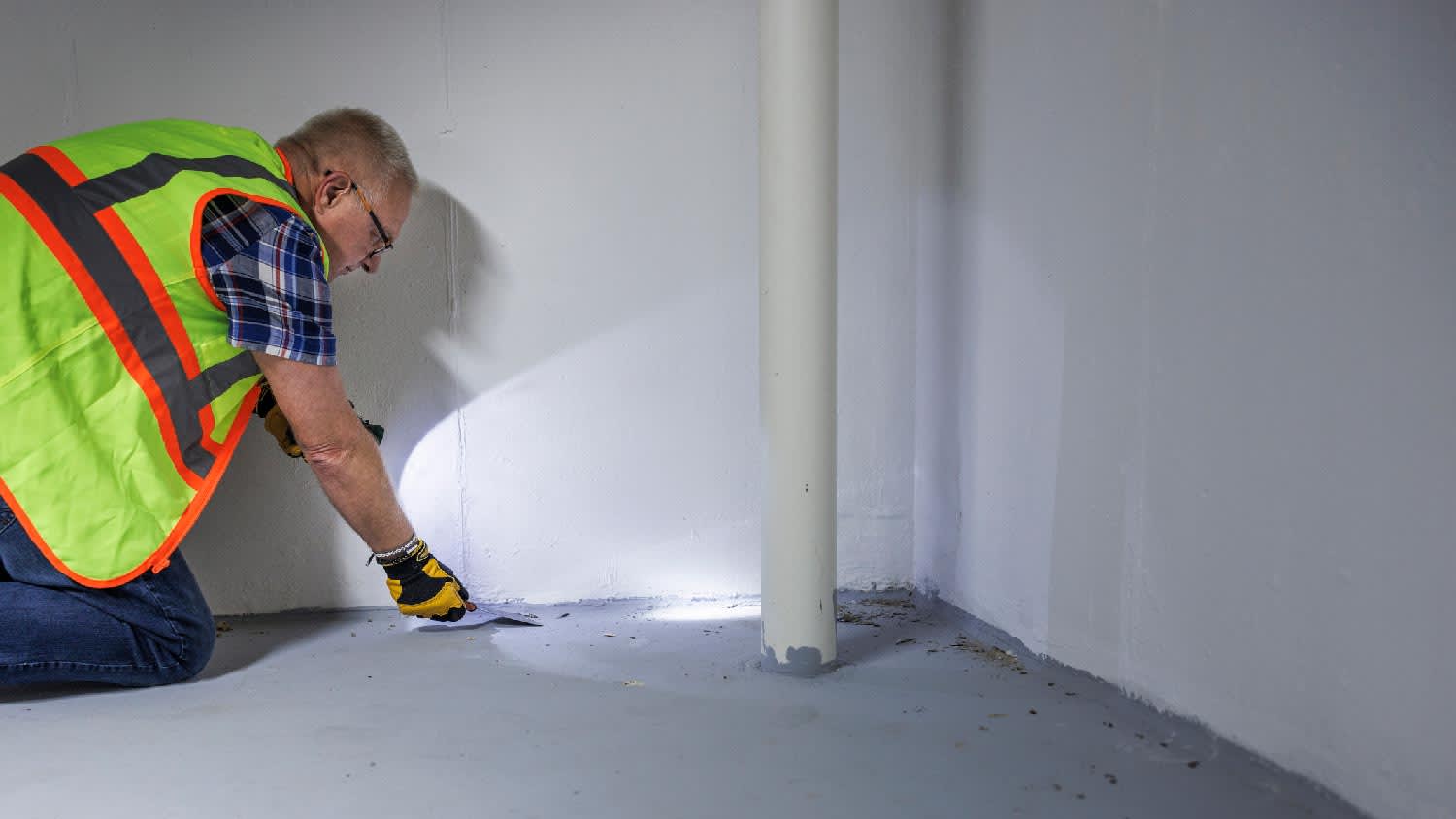
The cost of a mold inspection might seem high, but it’s one of the best investments you can make for your health and home. Read on to learn cost-saving tips.
After a thaw, you might want to grab your rake and shovel

Getting rid of slime mold on grass is simple because raking aerates the soil and breaks up the mold, allowing air to dry it out naturally.
Professional lawn care costs range from $100 to $500, so addressing snow mold early helps you avoid more expensive treatments or lawn repairs later.
Fertilizing your lawn after removing snow mold jumpstarts healthy grass growth, helping new blades displace any remaining mold and restore your yard's appearance.
Hiring a local lawn care professional provides expert guidance on mold removal and prevention, keeping your lawn healthy through proper aeration and fertilization.
Snow mold, the white or pinkish mold that can grow on a lawn, isn’t very hard to get rid of. Learning how to get rid of snow mold on grass is an essential way to restore the health of your lawn.
In normal circumstances, snow mold is caused by excessive watering during damp periods but, more often than not, it grows in its preferred environment—under a blanket of snow. Learn how to remove this pesky mold and when to hire a professional for help.
Snow mold is a fungus categorized as a “turf disease,” meaning it affects turf (ground cover, also known as grass). The mold is usually discovered after a heavy layer of snow melts and instead of a uniform lawn, circular or irregular patches are dispersed over the grass. While snow mold grows on grass and can be white, it isn’t the same as the white mold you see on plants.
Both white and pink snow mold is more commonly seen in locations with long winters where snow covers the grass for an extended amount of time. As the snow melts, it continues to moisturize the grass while still providing a layer of protection against the sun and other elements. This is the perfect environment for snow mold to grow.
Getting rid of snow mold isn’t difficult. However, mold has the nasty habit of growing even if you’ve done everything right. The good news: it’s super easy to get rid of.
Mold, not just snow mold, needs pockets of relatively undisturbed moisture to grow. That’s why you often see mold in cabinets, under floorboards, and in other high-humidity environments. Snow mold is unique in that the medium it’s growing on can be handled roughly (unlike your cabinetry).
If you see snow mold on your lawn, get a rake and a shovel. As long as you’re expecting better weather, spread the mold out as much as you can. What you’re trying to do is break up the mold systems and introduce as much air into the mold as possible. This dries it out, thus killing it.

If you’ve already raked your yard and broken up any living mold, you can increase your chance of success by fertilizing your lawn. Since snow mold doesn’t kill the root of your grass, you can jumpstart existing roots. The new grass should come up healthy and strong, and can potentially displace any remaining snow mold.
This should be reserved for only the toughest cases where conventional methods won’t work. It’s very rare that you will need your lawn sprayed with fungicide, but it does happen. You really shouldn’t be messing with these chemicals yourself, so hire a local lawn care professional to handle the job.
The absolute best course of action is to prevent snow mold altogether. There are certain steps that may not guarantee it won’t crop up, but will seriously increase your chances of seeing a pristine lawn once the snow melts.
Snow mold likes the confusing web that grass creates, as it functions like a cage, trapping moisture. For this reason, it’s recommended that you mow your lawn down to about 2 inches before the first anticipated snowfall.

Mold likes the dark. Sun exposure contains UV rays, which are harmful to mold. This is why snow mold is seen more often in yards that are surrounded by trees, rather than those that receive direct sunlight for hours. If you have snow mold issues year after year, you may want to consider trimming the tree branches that cast shade on your lawn.
Snow mold occurs usually because a layer of snow is between the wet earth and the air. This same concept can be applied to more than just snow, so before winter make sure there are no loose leaves, branches, wheelbarrows, pieces of wood, tarps, or anything else that could create a moisture barrier.
Certain grasses are much hardier than others. Fescue is a known variety that is more resistant to fungal growth. Another popular mold-resistant strain is Kentucky bluegrass. Unless there is a specific reason to choose a different strain—such as homeowner association (HOA) bylaws—go with the hardiest grass type.
Dormant lawns are more resistant to mold growth because they grow less and take up less water, which means the grass is drier. Dormant grass also transpires less, feeding less moisture into the immediate environment which in the case of snow mold, is the barrier between the snow and grass.
This preventative measure is something you can do once it has already started to snow. A snow plow may pile snow high at the edge of your yard, as can a shovel when shoveling your driveway and walkway. Snow can also pile up under your roof and along the sides of your home. Use a shovel to spread the snow around, making sure there aren’t any tall piles that could take longer to melt, and thus, increasing the time snow mold can grow.
Lawn care professionals charge between $25 and $60 per hour. If you need your lawn reseeded, or replanted, or if you use a lawn care company, give them a call. A lawn care pro can help clean up any large patches of damaged grass.
If you don’t have extensive damage, you can DIY snow mold removal or repairs. Materials, such as new seed and fertilizer, aren’t expensive, and lawn care has the rightful reputation of mental benefit. If you don’t need professional help, you should try and DIY any snow mold issues.
One of my old tall evergreen trees was suddenly leaning toward the busy street in front of my house. I submitted a request for an emergency tree inspection, and Alejandro, owner of Cajete Tree Service, contacted me immediately and arrived to look at it just 20 minutes later. We agreed the...
 Cajete Tree Service LLC
Wonderful. I am going to have them remove and replace my driveway in the spring.
 All Star Paving and Sealing
Lyle did a great job removing asbestos shingles from our front porch roof. They worked together with our roofer to make sure that the new roof was able to be installed on the same day that Lyle removed the asbestos shingles.
 Lyle Environmental
Involved an extensive bathroom remodel, including removing tub & installing walk in shower, new drywall, custome tile work to ceiling, plumbing, etc. Overall, job was done on time and on budget. Nick & his team were very professional and had high attention to detail. Quality was great. Highly...
 Stamos Flooring and Remodeling LLC
Extremely well. Ohio Tree Care is my go to company for all tree care and snow removal services. they are professional, knowledgeable and affordable. I manage five camps in 33 counties and Ohio Tree Care has serviced every one of our properties. Highly recommend.
 Ohio Tree Care Inc
A team of 2 spent 5 hours, cleaning top to bottom (removed all light fixture and cleaned.... impressive!!!)
 Luzia's Cleaning
Great Job!!! Martin called me after I requested a estimate on Home Advisor. He was very professional and actually went the same day and looked at the tree I needed removed gave us a estimate and I felt it was very aggressive so I did not even call for any other bids. I asked him how soon he...
 Reyes Tree Service LLC - Home Facebook
Mike and his crew did a great job working through a very challenging task. The job required a full demolition of our ceiling, removing the blown in insulation and removing all the material from the site daily. It involved multiple inspections from the city and many challenges to get the...
 Rising Height Unlimited
Removed various items (furniture, lamps, other junk) from my home. They were on time, personable, professional, etc. I can't say enough positive things about this company. <br />
The task proved more difficult than anticipated. When they arrived the first day, they had no tools with them at all, and had to make a run to purchase appropriate tools. It was quickly determined that the paper had to be steamed off, and neither the workers, nor the company itself, had...
 ABS Interiors of Mid-Ohio LLC
From average costs to expert advice, get all the answers you need to get your job done.
The cost of a mold inspection might seem high, but it’s one of the best investments you can make for your health and home. Read on to learn cost-saving tips.

The best way to keep your home free of unwanted bacteria is to know how to get rid of mold in advance. Stay on top of it with a few tips and tools.
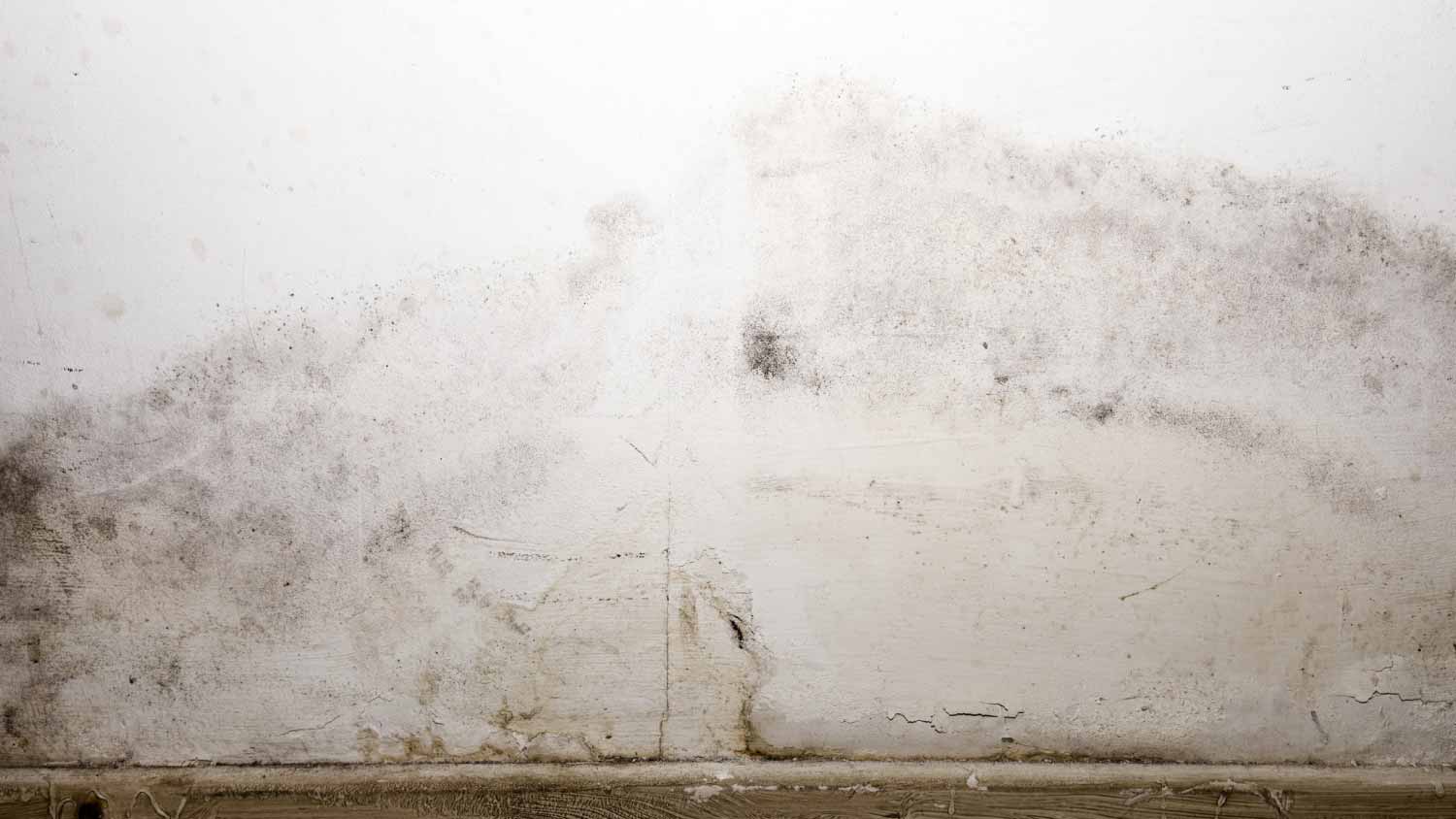
A damp, flood-prone basement is the perfect habitat for mold. Here's how to get rid of mold in your basement and keep it from coming back.
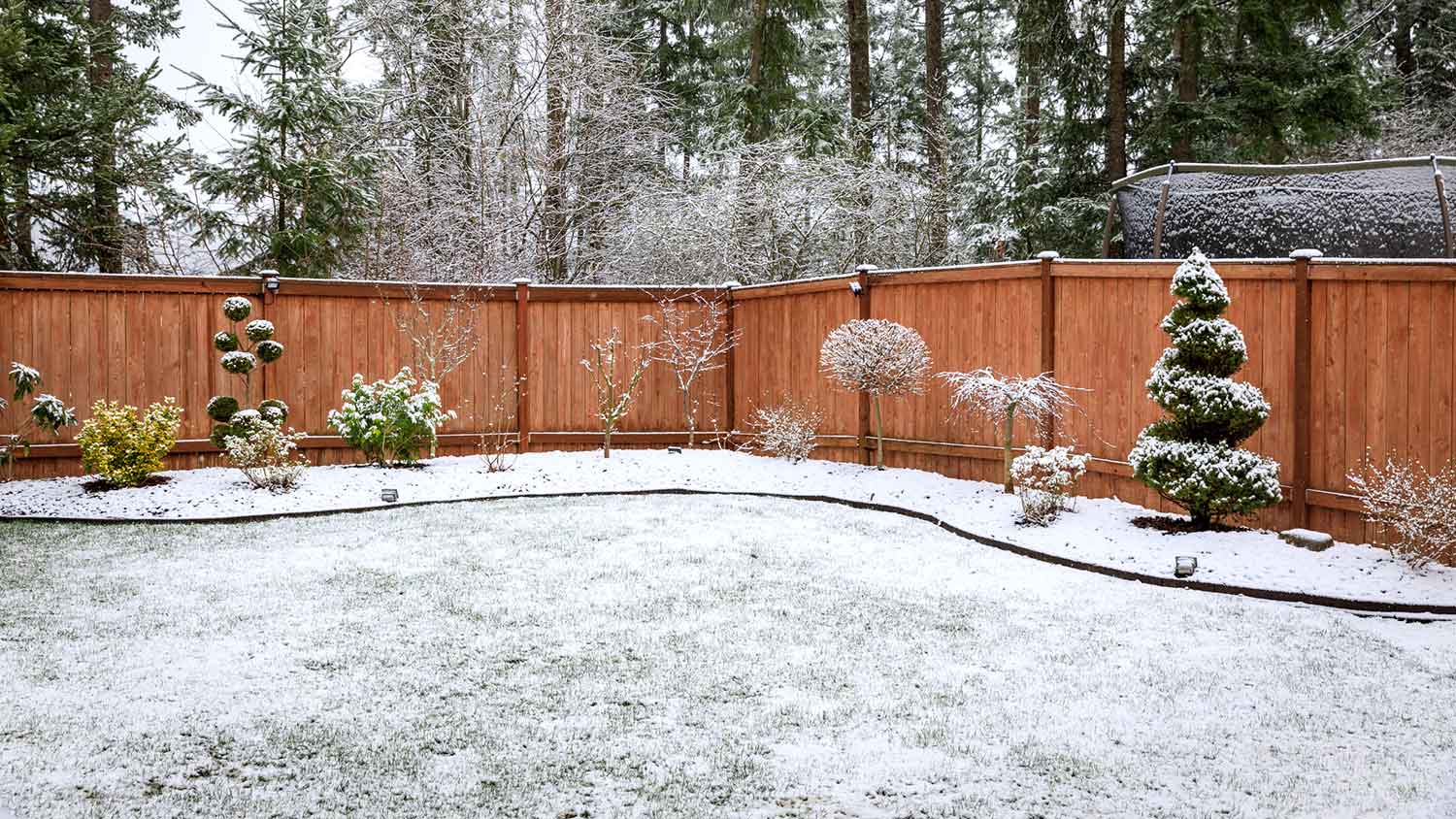
If you see patches of white in your yard after the snow melts, you may have snow mold. This guide explains what snow mold is, and how to remove and prevent it.

Tired of an unmistakable odor permeating your living space? Learn how to get rid of a mold smell in your house, and reclaim a clean and odor-free home.

Mold can enter your air ducts and lead to poor indoor air quality. Use this guide to learn how to get rid of mold in air ducts for healthier air.