

Reducing household waste is good for your wallet, your home, and the environment. Find out how to reduce household waste with a few easy habit changes.
Local laws dictate specific recycling restrictions, but there are several surefire ways to keep things out of a landfill, no matter where you're from

Paper, plastic, metal, glass, and fabric are the most common recyclable items you can set out for curbside pickup or drop off at designated locations.
Professional junk removal costs $240 on average when recycling isn't an option, with prices ranging from $60 to $700 based on haul size and waste type.
You can recycle materials from home projects by researching local programs for items like carpets, drywall, and laminate flooring that need special handling.
Hiring a local garbage removal professional provides reliable support for hauling items you can't recycle, keeping your disposal options simple and stress-free.
Tossing a plastic water bottle in the blue recycling bin may feel like a small drop in the pond of stewardship, but recycling habits go far beyond basic reusability. Every time you properly recycle an item, you cut down on the amount of carbon emissions, water, and raw materials necessary to make an item from scratch.
If you feel daunted by all the rules and local regulations, never fear—we'll get you started on all you need to know about becoming the ultimate recycling champ of the neighborhood.

There's a lot of confusion floating around the topic of recycling. Can I recycle glossy magazine paper? What about dirty pizza boxes? Again, your local laws will indicate specific items you can and cannot recycle, but some items are pretty easy to predict.
Paper and cardboard are two of the most straightforward items to recycle. Remember, both of these items should be recycled in a bin separate from plastic, metal, and glass unless you live in an area with single-stream recycling. Common paper items include:
Newspapers
Magazines
Mail and envelopes
Flattened cardboard
Paperboard
Wrapping paper (in most cases)
Receipts
Paper food cartons, milk cartons, and juice boxes (this highly varies by city and may count as plastic)
Shredded paper (typically contained separately depending on local laws)
Soft-covered books without spiral bindings
In most places, wet or highly soiled paper cannot go in the recycling bin. However, there are some cities—such as New York—that will accept things like greasy pizza boxes.

We use plastic constantly during the day—from strawberry containers to shampoo bottles. Nearly all plastic containers have a number surrounded by a circle of arrows to indicate what it's made of. Important note: This number does not give you the green light to toss it in recycling—it just indicates its recyclability for your area.
Plastic material numbers range from one to seven. When in doubt, remember that the lower numbers—specifically number one and two plastics—can often head to recycling. Plastics three and up? Well, that depends.
Here's another good way to remember plastic sorting.
Water bottles
Plastic soda bottles
Peanut butter jars
Cooking oil bottles
Milk jugs
Some shampoo, conditioner, and body wash bottles
Some cleaning product bottles (often without the spray pump)
Detergent bottles
Grocery bags, plastic bag containers, and plastic film wrap (this depends highly on local laws—some areas have designated drop-offs)
Bottle caps
Yogurt containers
Sour cream tubs
Straws
Packing peanuts
Disposable coffee cups
To-go containers
Note that number seven plastics fall into an "other" category, so their recyclability highly depends on local laws.
Your city is least likely to recycle the number three plastics without a special process, if at all. Common items include:
Kids plastic toys
Credit cards
Many cleaning supply bottles
Pipes
Shower curtains
Flooring material
Some clear food wrap
Metal and glass items are far more straightforward. The majority of both are easy to toss in the recycling bin, but you may need to remove plastic caps or paper labels. You can recycle:
Empty steel and aluminum cans
Aluminum foil
Metal caps
Wire hangers
Glass bottles (some restrictions based on the item)
Aerosol cans (remove the plastic cap)
Fabrics and textiles may not have a bin outside your building, but there are ways to cut down on old clothing and towels in landfills. If your items are not in donation-ready condition, search for a textile recycling program in your area. Some organizations will even pick up items or supply packaging to mail in your old goods.
Outside of the kitchen and bathroom, you'll be left with endless odds and ends that are a bit trickier to recycle. Here are some tips:
Batteries: Do not toss batteries in with metal recyclables. Most cities or tech stores have battery retrieval programs.
E-Waste: Cell phones, speakers, and other electronic gadgets can head to your local e-waste program
CFLs: Drop off older CFL light bulbs that contain trace amounts of mercury with designated programs, typically at major home improvement centers
Appliances: Contact your city for specific disposal instructions, especially if it contains certain chemicals such as coolant
Mirrors: Since the glass container has specific chemicals, you'll need to check with your local recycling program about where to bring mirrors

Let's begin with the basics. Where you live significantly impacts what you can and cannot recycle, but there are some hard-and-fast rules across the country.
You can search online for your state and local recycling laws. Often, there will be a handy guide to print out and hang on your fridge.
Before jumping into locally specific laws about types of plastic and battery disposal, wrap your head around the basic rules of fail-proof recycling.
Depending on where you live, you will either have a single-stream or sorted-stream recycling program. Single-stream recycling means you can toss all your recyclable goods in one bin for pickup. Sorted programs prefer that plastic, glass, and metal be kept separate from paper.
Your local recycling company may also request that you separate recycling items from their non-recyclable packaging materials. For example, the tape on a cardboard box, the plastic label on your soda bottle, or the paper wrapping on a can of tuna.
Wash off all food and liquids from your items before tossing them in recycling—some food waste can also be used to create biomass fuel. Liquids and food residue can disqualify a bin of recyclables from avoiding the dump—and could get pretty stinky in your bin in the meantime.
The majority of overly wet or greasy paper products should, unfortunately, get tossed in the trash, though this is not always the case in all areas—but we'll talk about this below.
There's no need to wrap your recycling in a plastic shopping or garbage bag. In fact, this could get the whole container tossed in the trash. Some cities provide or recommend specific, clear recycling bags for your whole bin, while others want you to skip them completely.
Composting is a natural way of breaking down organic materials, such as food scraps or yard waste, and turning it into nutrient-rich fertilizer you can use in your soil. By composting instead of throwing away organic materials (such as leaves, egg shells, and coffee grounds), you keep them out of landfills. You also enrich your own soil without the use of harmful chemicals.
Considering a major home renovation? Recycling items like carpets, drywall, and laminate flooring can be complex, so it's important to have a great junk removal team on your side. With recycling on your mind, send less and less to a landfill each year whether you're finishing a tub of butter or redesigning the kitchen.
A professional junk removal service can haul away items you can't recycle via your local municipal waste service. Junk removal costs about $240 on average, but your total cost may range anywhere from $60 to $700 or more, depending largely on the size of the haul and the types of waste you're disposing of.
Recycling typically requires no fees, making it the most cost-effective way to remove junk from your home. However, when recycling is not an option, your options for waste disposal methods include hauling the junk yourself, hiring local garbage removal pros, or renting a dumpster.
DIY hauling requires owning or renting a large truck that can fit all the items you want to get rid of. This may involve multiple trips to a dump or other waste disposal facility, and you'll pay per mile driven along with the cost of gas and any disposal fees. Expect to pay an average of $1,000 for a truck rental.
Dumpster rental costs are more affordable at $300 to $500 per week. Depending on the quantity of junk, this can save you money over the cost of professional junk removal. However, you'll spend much more of your time and labor, which may not be an option for some.
Raven and crew does absolutely fantastic job. They are very professional if any concerns were to occur with any of her work she always took responsibility and finished out with a great job. I have worked with her business for a year and have always been satisfied. Very trusted business and...
 Creations of Transformation LLC
Amazing job. Efficient and quick without compromising quality. Basement feels brand new. Would use them again in a heartbeat.
 AffordaPro Restoration
Best cleaning I've had at my property
Scam. DO NOT use this company. We had a move where a Black Tie employee left the job site early (unknown to us until after the fact) and stole $40,000 worth of a private collection we had in a box that he watch use box up. On top of this we had several items missing and damaged where we had...
Fantastic group, very communicative, and they really did a great job cleaning my condo. Will be hiring them for recurring cleaning!
 eMaids of Northern Columbus
This company went above and beyond with their work, chimney sweeps are usually pretty messy, but the clean up was spot on.!! Josh explained every thing that he was doing, and the things that he was checking to make sure the chimney was safe for me and my family. He was very professional,...
 Supreme brick & chimney
I definitely recommend Ramonaâ s cleaning service! I have booked services with her many times and she arrives on time, ready to work and provides a great service.
 Your Cleaning Solutions LLC
Amazing! I’ve had plenty of services over the years and Mary Cleaning has gone beyond what I thought was possible. ❤️ them!
They cleaned my very dirty basement. They were prompts, quick, thorough and their price was fair.
 JDE House Cleaning LLC
The company was very easy to work with. My family is now able to enjoy a space that at one point, only collected junk!!!! I feel like i have a whole new addition to the house!!! Wonderful work Blurock on our basement, will recommend!
 BluRock Services, Inc.
From average costs to expert advice, get all the answers you need to get your job done.
Reducing household waste is good for your wallet, your home, and the environment. Find out how to reduce household waste with a few easy habit changes.

Moving is a stressful process that also involves a lot of waste. Here are five ways to make your sustainable choices during your next move.
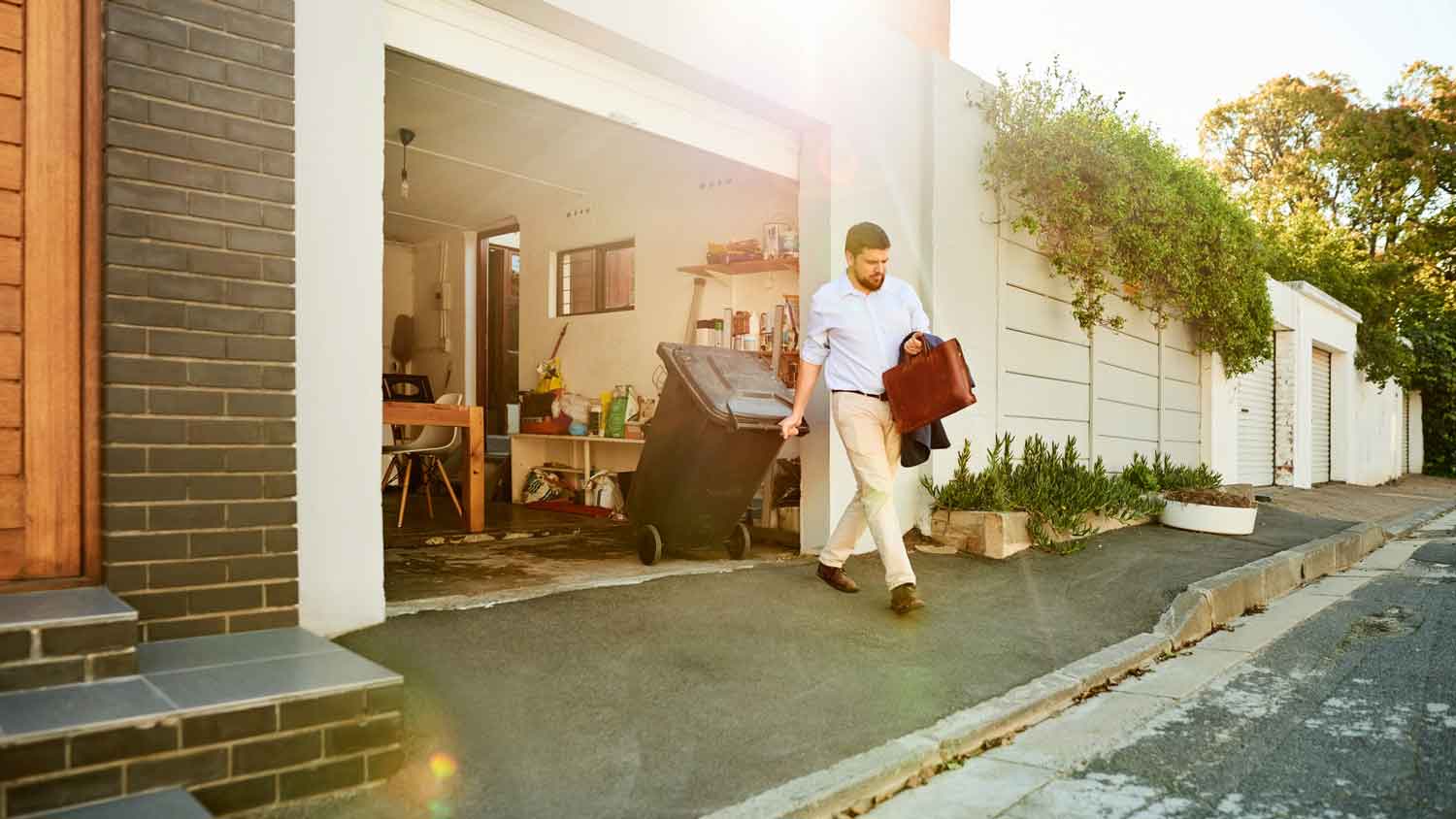
If your home is brimming with things you don’t need, find out about your options when it comes to how to get rid of trash, from junk collection to recycling.

When spring cleaning rolls around, don’t just throw everything in the trash can. There are many common things to recycle when decluttering including batteries, toothbrushes, bicycles, and appliances.

Find out what is considered electronic waste, why these electrics are tossed rather than recycled, and why they can be harmful to the environment.

There are a variety of methods for disposing of electronics properly, from recycling to donating.