
Feeling safe at home should always be a priority, and installing a new security system can help you do just that—no matter where you live.
Reclaim your peace of mind with the right home security system

Choosing the best home security system without a subscription depends on your home's size, entry points, and whether you prefer DIY wireless kits or professional-grade installations.
Expect to pay $200 to $2,000 for installation with average costs around $700, plus equipment like cameras costing $100 to $300 and sensors $50 to $150.
Your connection type matters for real-time monitoring: landlines provide reliable communication, broadband depends on power, and cellular offers the most secure, hard-to-disrupt option.
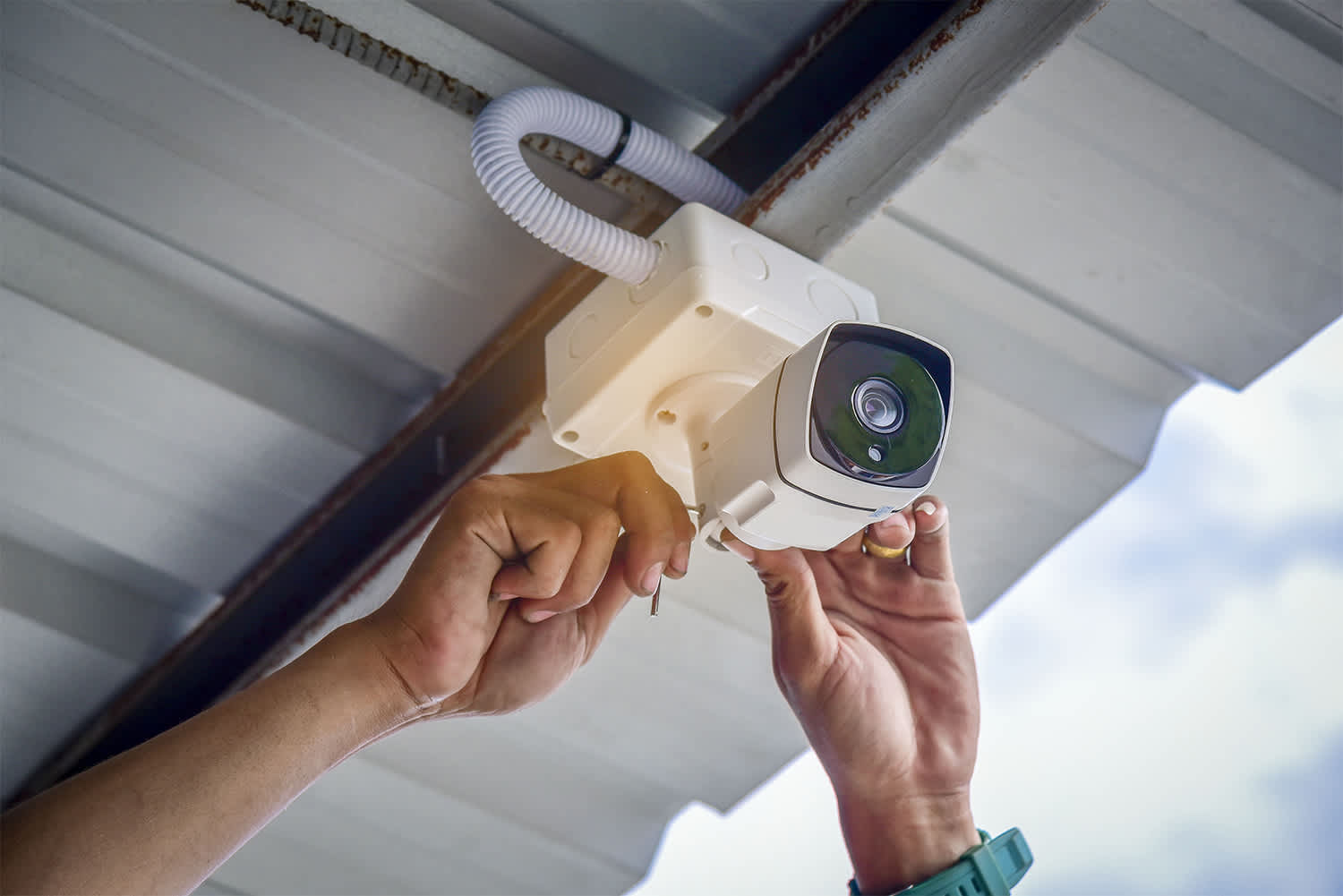
Hiring a local home security system professional removes installation guesswork and ensures sensors, cameras, and monitoring systems work together seamlessly for your home's protection.
We all know increased home security is never a bad thing, but where do you start? A great first step toward protecting your home is learning how to choose a home security system.
There are many security systems on the market, each claiming to be the one-stop shop for your home security needs. Not only do these services vary in price, but they also vary in features. Overall, adding a home security system is a surefire way to improve your home’s safety.
Before you start shopping for motion sensors and security cameras, consider these helpful tips to outfit your home with the best system for its unique needs.
Your home’s size should determine what security system you choose. For example, some DIY wireless home security system kits only include one or two entryway monitors and motion detectors with a single camera. If you live in a large home with plenty of doors, windows, and space, that won’t cut it.
Before shopping for a security system or contract, walk through and around your home and make a note of door locations, window locations, and overall square footage. Keep this information handy when security system shopping to ensure your final pick covers your whole property.
If you opt for a service with professional monitoring, the system’s connection type is extremely important. These connection types fall into the following categories.
These old-school landlines are antiquated, for sure, but they provide a reliable, always-on connection, making them a great choice for back-and-forth communication with the monitoring center. However, landlines are susceptible to disruption if someone cuts the phone line.
High-speed internet is a decent option for staying in touch with your home security provider, though the connection is lost if the power goes out or you lose service. Some providers offer backup batteries in the case of a power outage.
Typically the most expensive connection option, cellular monitoring involves a built-in chip that piggybacks on the signal used by your smartphone. This option is a reliable method that is difficult to disrupt, due to the nature of the design.

The newest trend in home security systems takes a more holistic approach, integrating the systems with existing smart home hubs. Managing your security system through your smart home devices simplifies the connection process, though you still operate at the whims of your broadband connection, and allows you to make adjustments to your security system easily.
You can also tie certain features of your security system to your home automation processes. For example, you can program your security cameras to turn on simultaneously when your thermostat turns off when you leave for work.
There are plenty of associated costs associated with home security systems. Installing a home security system costs anywhere from $200 to $2,000, but installation is only the first step. Let’s review some other common costs.
As previously mentioned, these costs apply to placing, affixing, and installing the various components of your system. The average installation cost is $700, but it depends on your home’s size, the complexity of the system, and more.
If you buy a video doorbell, that item is yours to keep. However, when you opt-in to a multi-faceted home security provider, you likely rent or lease the big-ticket items, such as cameras, sensors, lights, and control pads. These costs are paid as a monthly rental fee, ranging from $10 to $100 per month.
If your service provides real-time monitoring staffed with people who respond to emergency calls and texts, you can expect to pay a monthly service fee of $10 to $65. These costs increase as the number of connected items increases.
Looking to buy certain items outright? Standalone cameras cost $100 to $300, while sensors cost $50 to $150. Video doorbells cost $75 to $300, and floodlights cost between $50 to $100.
Most home security companies monitor your home and alert the appropriate authorities if there is an issue. Your options vary from zero monitoring to constant real-time monitoring by a team of professionals. To that end, some companies employ artificial intelligence to monitor feeds, and others only monitor when an alarm is tripped. The more robust your monitoring option, the higher the monthly cost.
Some homeowners might prefer professional security monitoring options among the types of home security systems available. With this option, you pay a monthly fee in exchange for round-the-clock monitoring of your home. It offers a way for homeowners to get in touch with the company at the touch of a button if needed or monitor the home while the homeowners are away.
With a monitored system, homeowners may receive a faster response to emergency services and have greater peace of mind knowing there’s an added layer of security. This may be especially important for anyone who’s away from home for long periods of time or has a home with multiple entrances.
Homeowners can choose self-monitoring or DIY security monitoring instead of hiring a professional monitoring service. With this option, a homeowner typically installs multiple security cameras and simply monitors the activity themselves, usually via a smartphone app. While this certainly costs quite a bit less each month (there’s no cost involved once you’ve installed the equipment), a homeowner won’t be paying attention to the security footage 24/7. You can, however, set up alerts on your monitoring app to detect movement or sound.
Like signing up for a new smartphone, there are typically contract requirements when starting with a security company, especially if you are leasing equipment. These contacts can last anywhere from 12 to 60 months, though a small number of companies offer month-to-month options.
However, longer contracts translate to lower monthly fees. Prepare to face a financial penalty when exiting a contract ahead of time, and make sure to return all of the equipment promptly to avoid even more penalties.
Deciding whether to install your home security system yourself or contact a local home security installer depends on the type of service and system. DIY-friendly home security kits with self-monitoring options are easy to install and do not require soldering and rewiring.
However, DIY security systems are not as robust as professional-grade options and can run into connectivity issues depending on the strength of your broadband signal. If you have a large home with multiple entrance points, consider hiring a pro for a consultation, as that type of installation will require a multitude of sensors placed throughout your home’s exterior and interior.

Before settling on a security service, familiarize yourself with the basic elements of a home security system and make a list of necessary components for your lifestyle. Not every system features all of these components, so pick and choose features to match your home’s needs.
These are common features of comprehensive home security packages and detect when doors or windows are opened. The sensors are typically affixed via a built-in adhesive, for DIY installations, with integrated magnets that sense when the entryway is opened.
Like entry sensors, motion sensors detect unusual movement and sound the alarm when necessary. You should place them inside and outside, and they work using lasers or infrared light. When the continuous beam is broken, the sensor trips and sounds the alarm.
Every alarm system features some kind of siren, typically built into the control keypad. These loud alarms (100+ dB) scare off intruders when they trip a sensor or appear on a security camera. Sirens and alarms are programmable to allow users to arm them during specific times of the day.
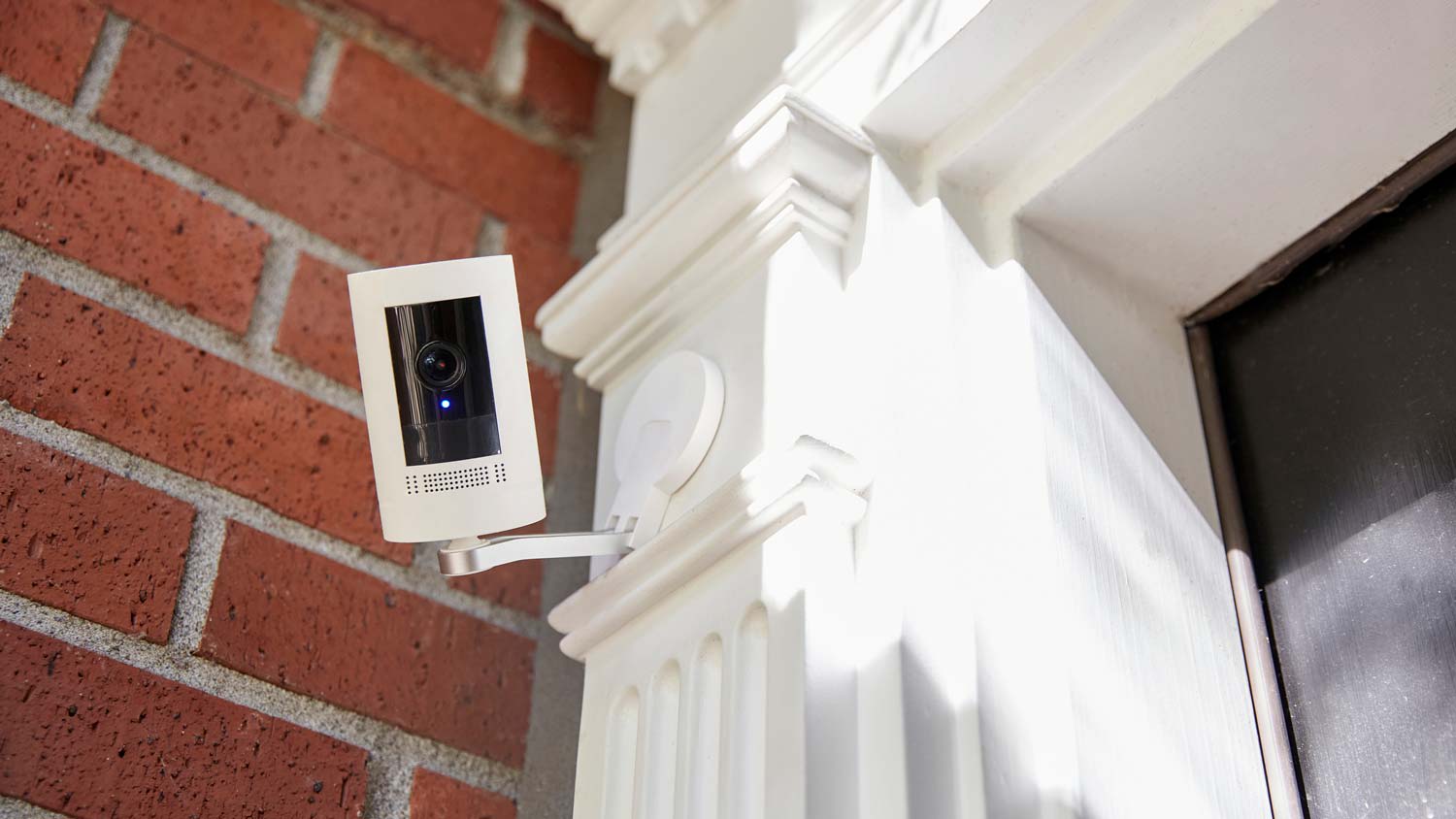
Most security cameras are mounted indoors and outdoors, and these devices keep an eye on your property for you. They constantly record footage, with the best models allowing for cloud backups. Most cameras let you monitor live streams from any connected smart device.
These are great tools for entryway management and dissuading would-be porch thieves from scooping your packages. The technology has improved in leaps and bounds, with modern doorbells connecting to Wi-Fi instead of requiring a wired connection.
Criminals thrive in the dark, so floodlights and other security lighting take away their cover. Most security lights are motion-activated and shine a brilliant light whenever they detect movement. Most users place multiple floodlights strategically throughout the property.
These buttons immediately connect you to various authorities, such as the police, paramedics, the fire department, or your home security service provider. You can wear some panic buttons, while you can integrate others into the system’s control pad.
Lawrence Bonk contributed to this article.
If you’re good people wanting to do business with good people, hire Matt. He is a consummate professional and utterly competent. He installed a water heater in my home at a price that beat competitors by hundreds of dollars with a promise to support the unit for its life (even after its 6 yr...
 Greene's Plumbing Services
I recently moved to another state and chose United Trust Van Lines after comparing several companies. Their team was punctual, professional, and extremely careful with my belongings. I was especially impressed with how they handled my home office setup and fragile items. Everything arrived on...
 United Trust Van Lines, LLC
1st Choice Renew is simply the best! We hired them for a complete home renovation, and they transformed our space into something truly amazing. The team attention to detail and commitment to quality were evident throughout the project. They were easy to work with, very responsive, and always...
 Save A Dime
I had Ace Fireplace Services install custom chimney caps for my home, and the results are stunning. They fit like a glove and have added a touch of sophistication to my chimney. I can't recommend their services enough.
 Ace Fireplace Services
Exquisite workmanship from Custom Paint Jobs LLC. My home has never looked better.
 Custom Paint Jobs, LLC
I was concerned about my possessions safety throughout the move but Bridge View Van Lines took all necessary security measures to make sure everything arrived in mint shape I am really appreciative of their effort and commitment They made my long distance move seem simple
 Bridgeview Van Lines
We needed windows in our home, and we couldnt believe we got our entire home done for under $14,000. We have a lot of windows, and not only was it affordable, but it got done in a timely manner! Thanks guys, I truly appreciate you all!
 Window Depot USA of Central Ohio
Working with Mike on our first home purchase was an absolute pleasure. Mike put us at ease and made the process of buying a home fun. Mike is knowledgeable, honest, professional, and punctual. He worked with our busy schedule and always made time for us. When a home came on the market that...
 Michael Marshall - Buyer's Resource Realty Svcs.
Before choosing a real estate agent, we conducted a lot of research to see who would be the best choice. Homes that Click stood out as the best Columbus has to offer: their rankings are excellent, their social media presence was strong, and I could tell they put a lot of work into their...
 Homes That Click Realtors
Fantastic! Top Line was early for the appointment and very knowledgeable and took time to explain everything they had found during the home inspection. The report included clearly defined issues and what they recommended to remedy the same. The report also included many pictures to help...
 Top Line Home Inspections, LLC
From average costs to expert advice, get all the answers you need to get your job done.
Feeling safe at home should always be a priority, and installing a new security system can help you do just that—no matter where you live.
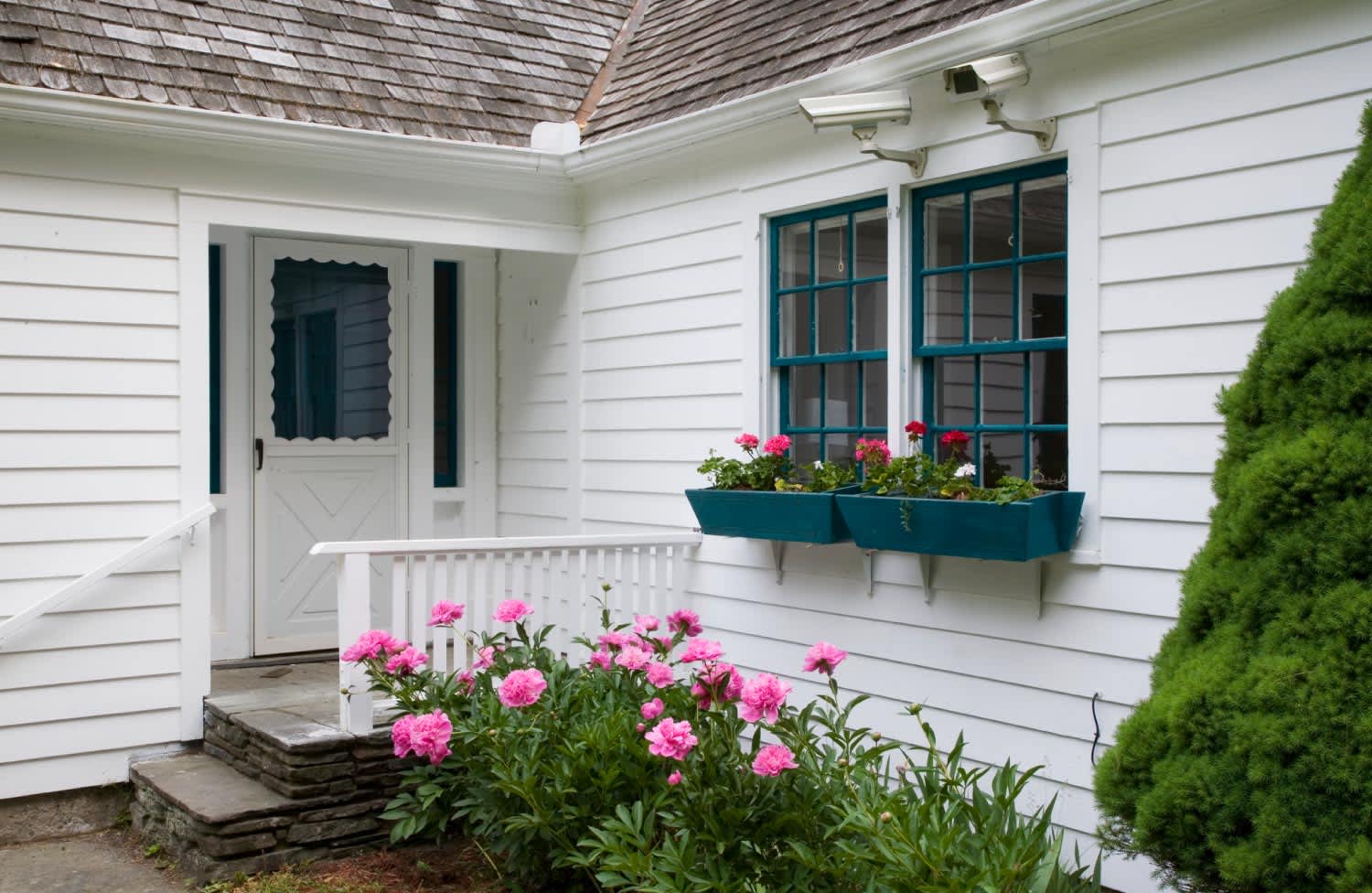
A security camera system gives you peace of mind that there’s always a watchful eye on your home. Learn the costs of installing surveillance cameras.
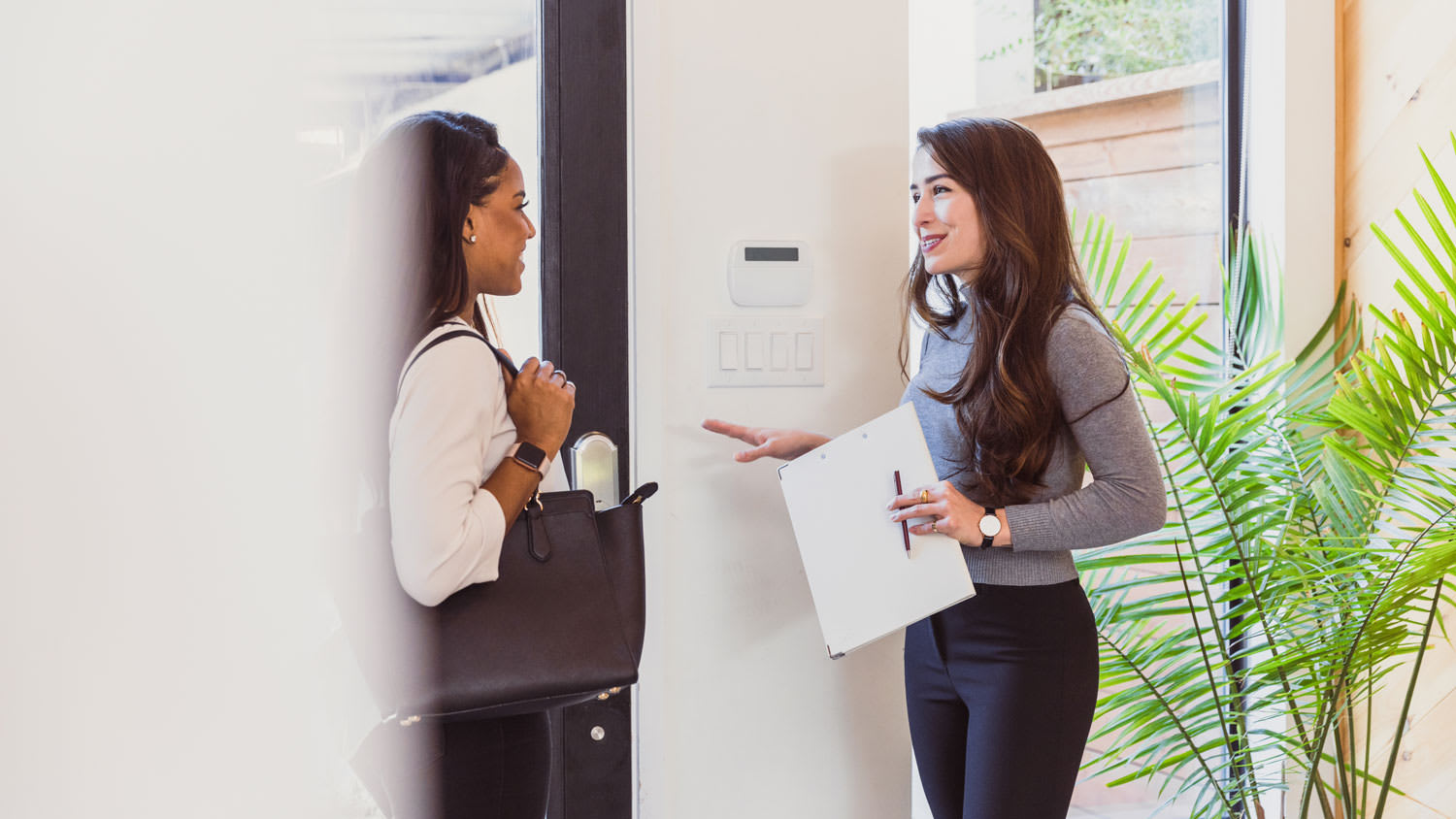
Installing a home security system is a great choice. But before you sign the contract, you’ll want to ask your home security system provider these eight questions to ensure you’re making the right choice.
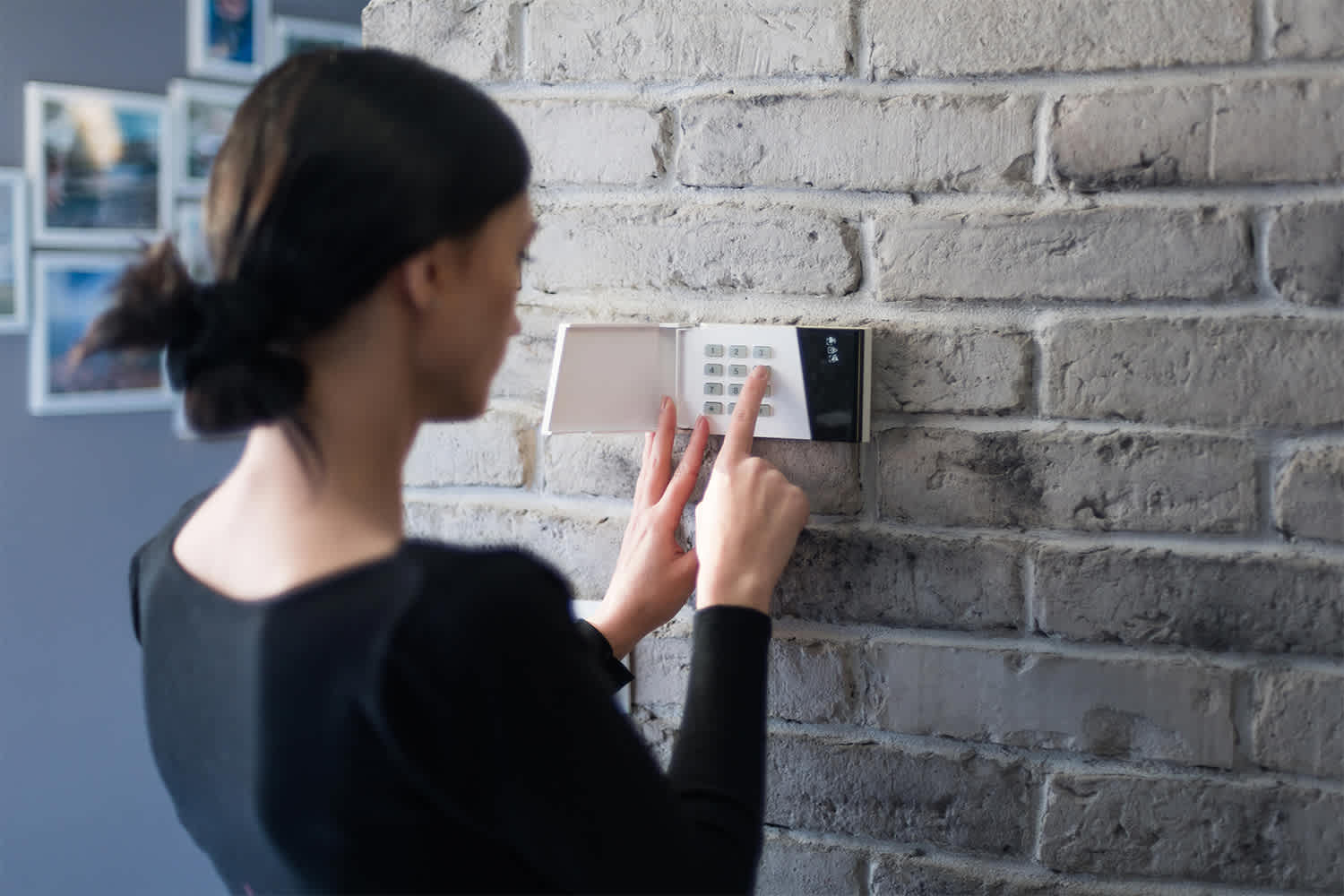
Monitored vs. unmonitored home security systems: which can best defend your home from crime and other dangers? Learn the differences between these two products.
Learn how to hire a home security system installer, find qualified pros, and ask the right questions to protect your home with professional installation.
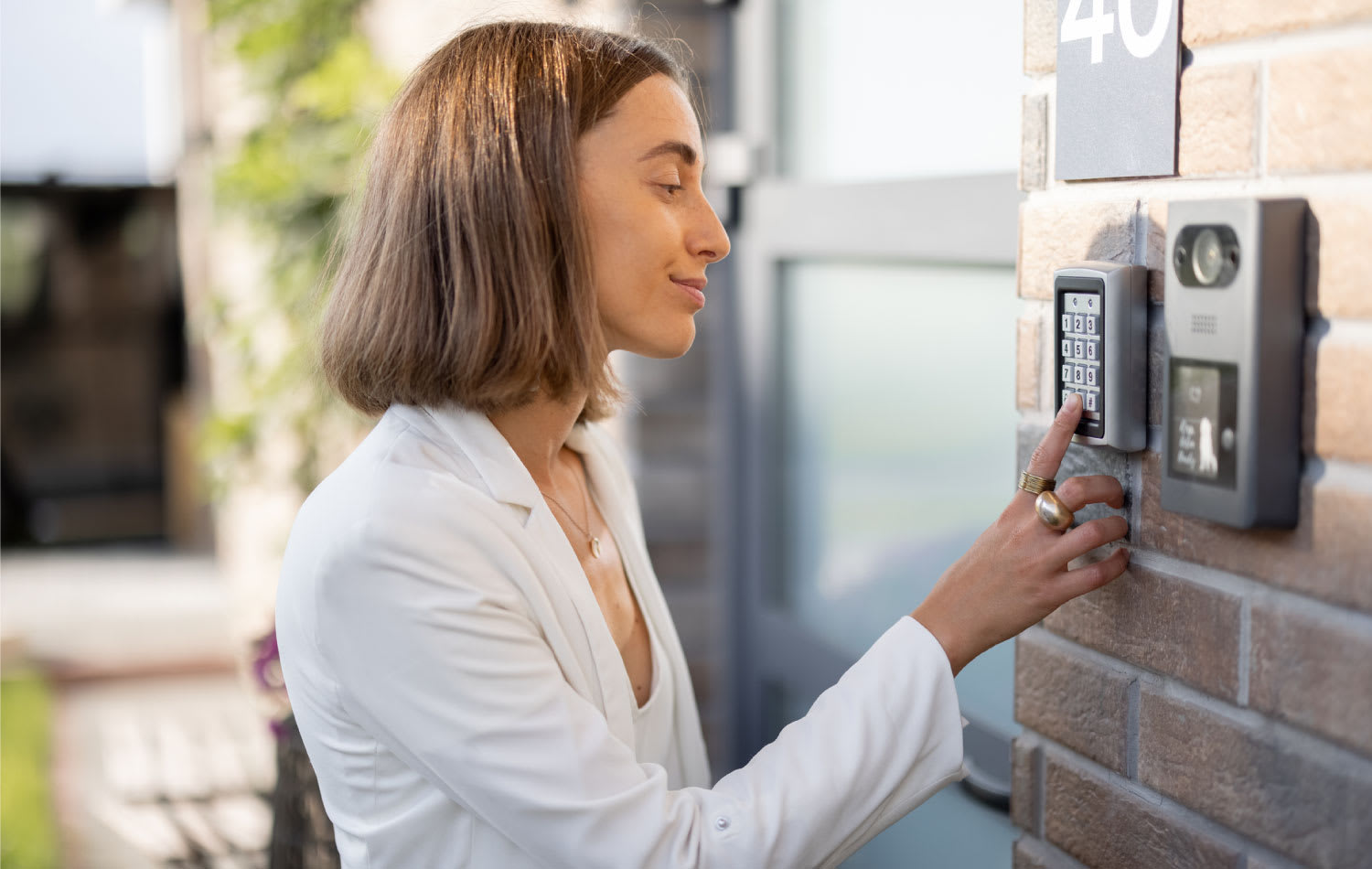
Now that you’ve installed your home security system, it’s time to create a PIN to prevent tampering. But how can you be sure your PIN is secure and safe from a curious intruder? This guide breaks down the basics of good—and bad—home security system PINs.