
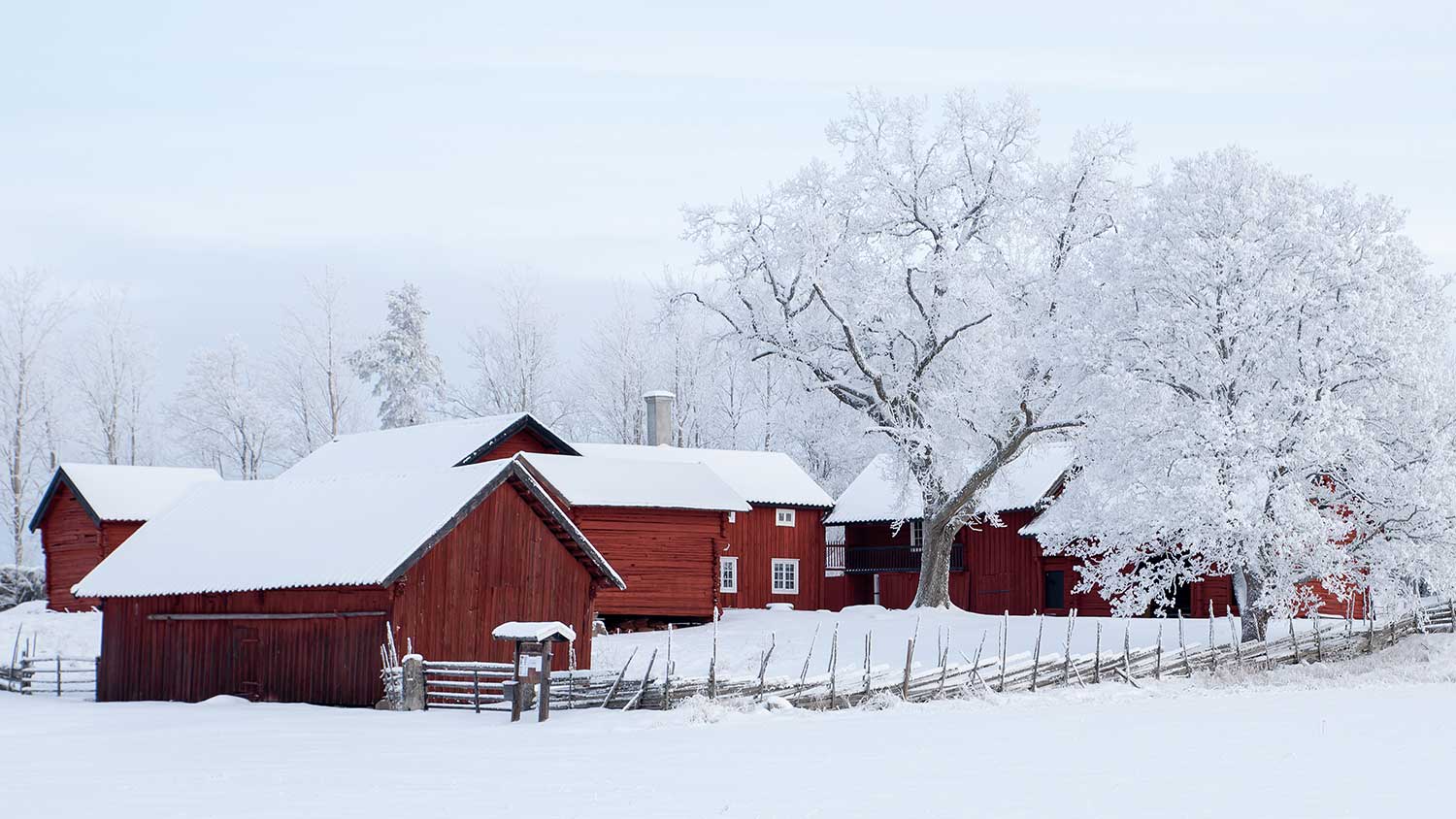
Learn how to protect your trees from winter storms. By practicing some routine maintenance, you can guard against broken limbs and damaged property.
Winter is coming: Get your trees ready

Tree covers for cold weather work best when they extend all the way to the ground, trapping heat from the earth and protecting your frost-sensitive trees.
Covering your trees with frost cloths, burlap, or tarps protects young saplings and tropical trees from freeze damage that can crack bark and damage foliage.
Watering the soil around your trees before a frost helps the ground absorb and radiate warmth, keeping roots protected when temperatures drop below freezing.
Hiring a local tree maintenance professional provides expert care for frost protection and winter preparation, helping your trees stay healthy through cold snaps and freezes.
An early fall freeze, a late spring frost, and the rare cold snap in a warm climate can claim the lives of your trees if you’re not careful. Learning how to protect your trees from frost is an essential skill, especially if you live in a cold climate.
While the mature trees in your yard can withstand the bite of winter, frost can damage newly planted saplings, turn unharvested fruit to mush, and deal a death blow to a potted tropical tree. Luckily, there are measures you can take to save your precious trees from the icy grip of Old Man Winter. Here’s how to protect trees from frost.

If your tropical tree is in a pot, and that pot is small enough and lightweight enough to lift and move, then protecting it from freezing temperatures is relatively easy. Like the snowbirds that flee the North when the weather turns cold, relocate that ornamental orange tree into a climate-controlled area until the threat of freezing passes.
If the temperature is only going to dip a few degrees below zero, you might be able to get away with moving the tree into the garage. Garages typically stay a few degrees warmer than the outside air during winter. If you have an insulated garage door, then your garage likely stays even warmer.
If moving your potted tree indoors simply isn’t an option, then move those potted trees close to the walls of your home. Buildings produce reflective heat that keeps the surrounding air a few degrees warmer.
Covering a tree can help it retain heat. But, rather than using a fleece blanket like you would for yourself, cover the tree with something like burlap, old sheets, or a tarp.
By completely covering the tree, the cover can trap heat coming off the earth, keeping the temperature under the cover warmer than the outside air. While any type of covering will do, it must be large enough to extend all the way to the ground around the tree to hold heat inside. Since the cover can potentially damage the tree’s branches, use wooden stakes or build a wooden frame to limit the amount of contact it makes with the tree’s foliage.
The best thing to use to protect trees from frost is to cover them with a “frost cloth.” This type of cloth is made of materials like polyester or polypropylene and it’s designed to cover and protect trees and plants. While you can use objects such as sheets and tarps, they can be too heavy to support the tree.
Frost cloths can vary in thickness and weight. Lighter cloths are breathable and protect against light frostings, and heavier cloths can protect against more frigid temperatures. You will need to secure it to the ground with stakes or heavy objects to prevent it from blowing or falling off of the tree.
Moist soil better absorbs and radiates the sun’s heat than dry soil. With that in mind, water the earth around your trees liberally. If you can, water when temperatures are coldest between 4 a.m. and 6 a.m. Resist the urge to set up a sprinkler or run your irrigation system. Water that collects on branches and foliage can freeze, damaging foliage and branches. Also, you may need to winterize your outdoor plumbing after watering to ensure the cold doesn’t damage it.

Add a thick layer of mulch around your trees in the fall. The mulch will prevent moisture loss and act as a layer of insulation that helps keep the roots warm when winter arrives. If possible, keep the area under the canopy of your tree free of turf and weeds, as bare earth does a better job of absorbing heat.
Mulching will also protect young trees from frost heave, a process where the soil freezes, thaws, and refreezes repeatedly. This constant freezing and thawing cause the tree’s roots to rise out of the ground, where they become exposed to damaging winter weather.
A healthy tree is a hardy tree. Make sure you care for your tree throughout the year with proper watering, fertilizing, and pruning. Giving your trees a little TLC will ensure they’re stronger and, hence, better able to fend off the cold when winter arrives.
It may sound odd, but protecting trees from direct sunlight can save them from sub-freezing temperatures. When the sun shines directly on a tree trunk in the winter, it warms up the tree's dormant cells, causing them to become active. When the sun sets, those active cells can quickly freeze and burst, causing a large crack to form on the trunk.
Protect the trunk by wrapping it with a trunk guard or kraft paper. The covering will prevent the tree from awakening by keeping the trunk cool on sunny winter days. Keep the warp in place until after the last frost of the season in the spring.
Protecting your trees from frost is a task you can take on yourself. If you are covering them, you may have to purchase some supplies, such as garden blankets, frost cloths, and burlap. Remember, mulching around your trees can help protect the roots from freezing temperatures.
Of course, you can always hire a tree maintenance professional near you to ensure your trees are properly protected from the harsh winter elements. Landscapers typically charge between $50-$100 an hour, depending on the job and location. However, hiring a pro will free up your schedule for other projects and activities you want to do.

Even your best efforts to protect your trees from frost damage may fail. Don’t panic. All may not be lost. You can still salvage your frostbitten tree by identifying the damage and taking measures to repair it.
Resist the urge to prune: While you may think you’ve identified all the limbs and branches that have succumbed to winter’s bite, you could very well be wrong. Stay your hand with the pruning shears! What looks like dead plant tissue may simply be dormant. Wait to prune off dead limbs until spring arrives, and you can see what’s sprouting and growing and what isn’t. If you don’t feel confident pruning a tree on your own, then consider hiring a professional arborist near you.
Wait for new growth: Don’t panic if those darling buds of May wither and turn black after a late spring freeze. If nature’s first green turns from gold to black, fresh growth will usually replace this dead foliage after it falls off.
Salvage frostbitten fruit: Sometimes there simply isn’t a way to prevent fruit from succumbing to frost; however, that doesn’t mean it’s a total loss. Harvest those mushy apples and peaches before they begin to rot, and use them for juicing or making jam.
Repair damaged bark: Check for any cracks in the bark. If the tree has suffered damage, there are measures you can take to repair the bark and ensure it survives and thrives for years to come.

Worst case scenario, frost can kill a tree. It can also ruin next season’s fruit and cause damage that not only looks unattractive but also weakens the tree, making it more susceptible to disease and pests. Signs of frost damage include:
Cracked tree bark: Deciduous trees shed their leaves in the fall, exposing them to the sun. This process can trick tissue beneath the bark into thinking spring has arrived, causing it to become active. Those active cells swell and burst when temperatures drop below freezing at night, creating a large vertical crack that extends down the trunk.
Shriveling leaves: Freezing temperatures can make leaves shrivel and turn brown or black. This type of damage often occurs when there is a frost in late spring after new growth has already sprouted.
Mushy fruit: Cold temperatures cause the cell walls in fruits to expand and burst, turning a firm orange or apple into mush.

Trees that thrive in colder climates can endure when the mercury dips below zero. Deciduous trees shed their leaves in the fall, an annual ritual that allows them to preserve water when their roots can’t draw moisture from the frozen ground. Coniferous trees have cold-tolerant thin, waxy needles that help the tree retain water during long winters. And many mature trees have thick bark that functions like the insulation in the walls of your home, keeping the living tissue inside the trunk from freezing.
But, some trees cannot winterize. Young trees with thinner trunks and yet-to-develop thick bark are more susceptible to extreme cold than adult trees. And trees native to tropical and subtropical regions never develop these winter adaptations, leaving them vulnerable when Jack Frost is nipping at their limbs.
Trees that can’t tolerate cold temperatures for long include:
Citrus: While cold hardiness varies among citrus trees, orange, grapefruit, lemon, and lime trees generally won’t tolerate prolonged exposure to temperatures under 32 degrees Fahrenheit. Frost can spoil fruit, while an extended freeze can kill an entire citrus tree.
Oleander: This small flower tree and shrub that’s popular throughout the South can survive colder temperatures down to 15 to 20 degrees, but it will suffer damage at or below these temperatures.
Jacaranda: This South American tree produces beautiful lavender flowers, making it a popular tree along the southern half of the U.S. from California to Florida. It can tolerate temperatures as cold as 20 degrees but won’t survive weather that frequently drops below freezing.
Eugenia: This evergreen that is a popular tree for property lines can survive occasional dips below 32 degrees. However, prolonged exposure to freezing will kill the Eugenia tree.
Palm: These icons of tropical locales vary in their cold hardiness. Some can handle temperatures down to 10 degrees, while others suffer damage well before the mercury drops below 32 degrees.
Apple: Most species of apple trees are hardy enough to handle the cold, but the fruit is another story. Apples will endure temperatures down to 28 degrees, but prolonged exposure to colder temps will cause the skin and flesh to soften.
Peach: The peach tree is tough enough to survive sub-zero temperatures, but not the blossoms that appear in the spring. Peach blossoms and young fruit are vulnerable to temperatures under 28 degrees.
This service was great. My air conditioner went out during the heat spell that we had. My husband has health issues and they came out that night and at 9:30pm the air conditioner was fixed and running. We are sooo very thankful, this is the company I will be using from now on and would...
 Mr. Mechanical Ohio
One of my old tall evergreen trees was suddenly leaning toward the busy street in front of my house. I submitted a request for an emergency tree inspection, and Alejandro, owner of Cajete Tree Service, contacted me immediately and arrived to look at it just 20 minutes later. We agreed the...
 Cajete Tree Service LLC
1 tree was cut down and 5 others including a large willow tree were trimmed. The Grant Tree Service men were professional and cleaned up afterwards. The cost of the 6 trees were affordable. I am very happy with the results. I would hire them again.
 Grants Tree Service
D1 Roofing delivers outstanding service from beginning to end, backed by a strong warranty and expert teams. I highly recommend them for their excellence in meeting and surpassing expectations with unmatched communication. Choosing D1 Roofing was flawless decision
 Division 1 Roofing LLC
Promptly arrived for quoting! Demonstrated superb customer service, affordable pricing, and completed service swiftly! Looking forward to the spring for our service!
 All Star Paving and Sealing
Seth was very professional, prompt in responding to queries about the work required , gave sincere advice as to what would be best for tree trimming and did the job timely.
Ace Fireplace Services' chimney sweep service is truly exceptional. They used advanced technology to ensure a thorough cleaning process, and my chimney has never looked better. I highly recommend their services.
 Ace Fireplace Services
I definitely recommend Ramonaâ s cleaning service! I have booked services with her many times and she arrives on time, ready to work and provides a great service.
 Your Cleaning Solutions LLC
Webb â s was priced well, flexible on scheduling, great with communication, and detailed in their work. Iâ ll definitely use their services again.
 Webbs Pressure and Paint LLC
Great tree company, very professional and honest. Glad we found them, they had the best pricing
From average costs to expert advice, get all the answers you need to get your job done.
Learn how to protect your trees from winter storms. By practicing some routine maintenance, you can guard against broken limbs and damaged property.

Trees add natural beauty and shade to your yard, whether it’s a mighty oak or a fragrant olive tree. Learn how to protect trees during construction in this guide.

Deer love to scrape against trees and even bite the branches. Keep your trees safe by learning how to protect trees from deer using one of these methods.

Why do trees die, especially in your backyard? Our guide explains the common causes of tree death and what you can do to prevent problems.
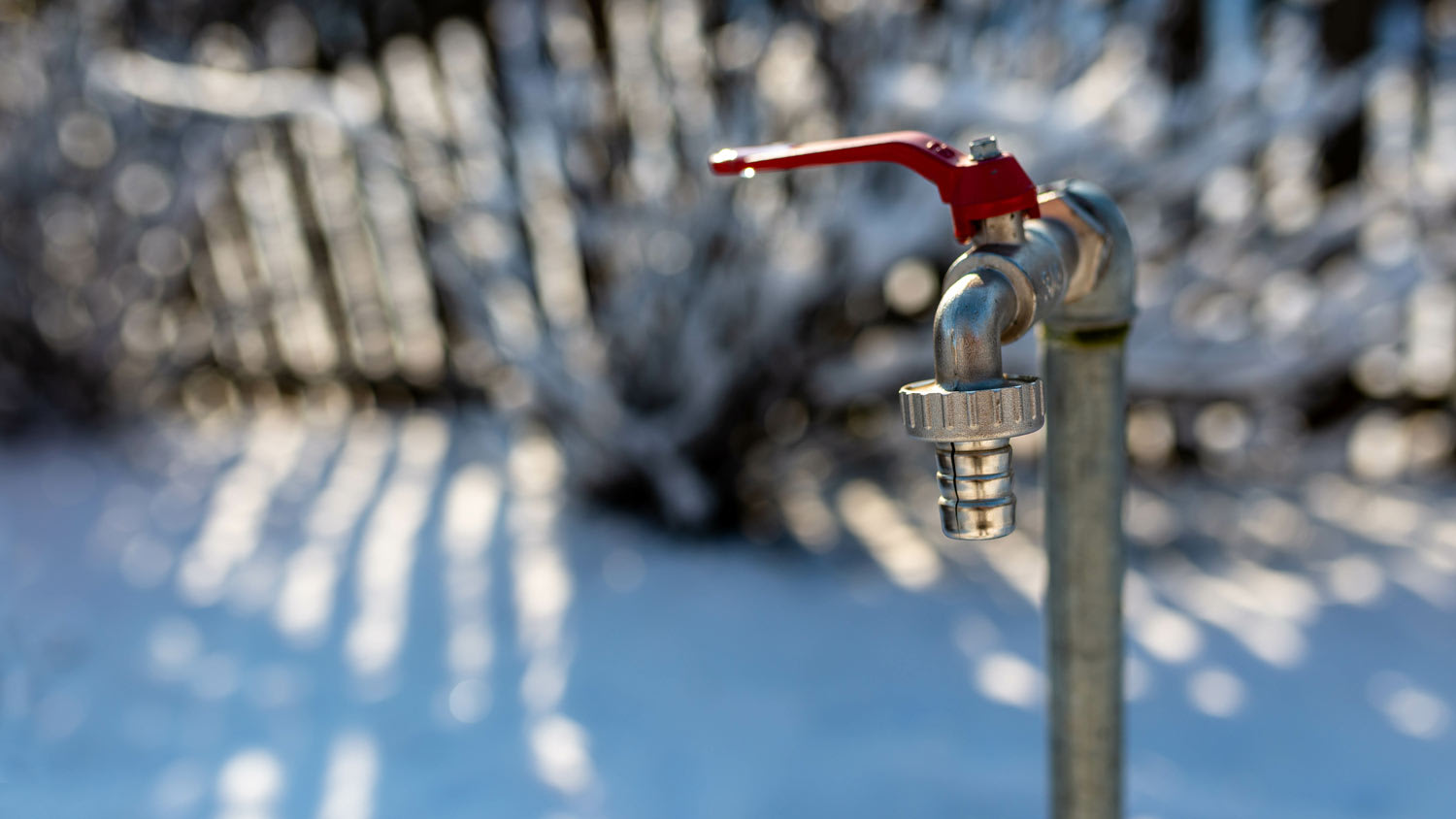
Knowing how to protect your outdoor faucet from freezing will help you avoid burst pipes and devastating water leaks both inside and outside of your home.
Have a beloved tree that is looking sick? Learn how to save a dying tree to restore it back to life.