

The cost to replace polybutylene pipes runs between $150 and $5,100. Find out why you need to replace your pipes now—and how much you’ll spend.
Find out why toilet water rises and then drains slowly and learn some potential fixes


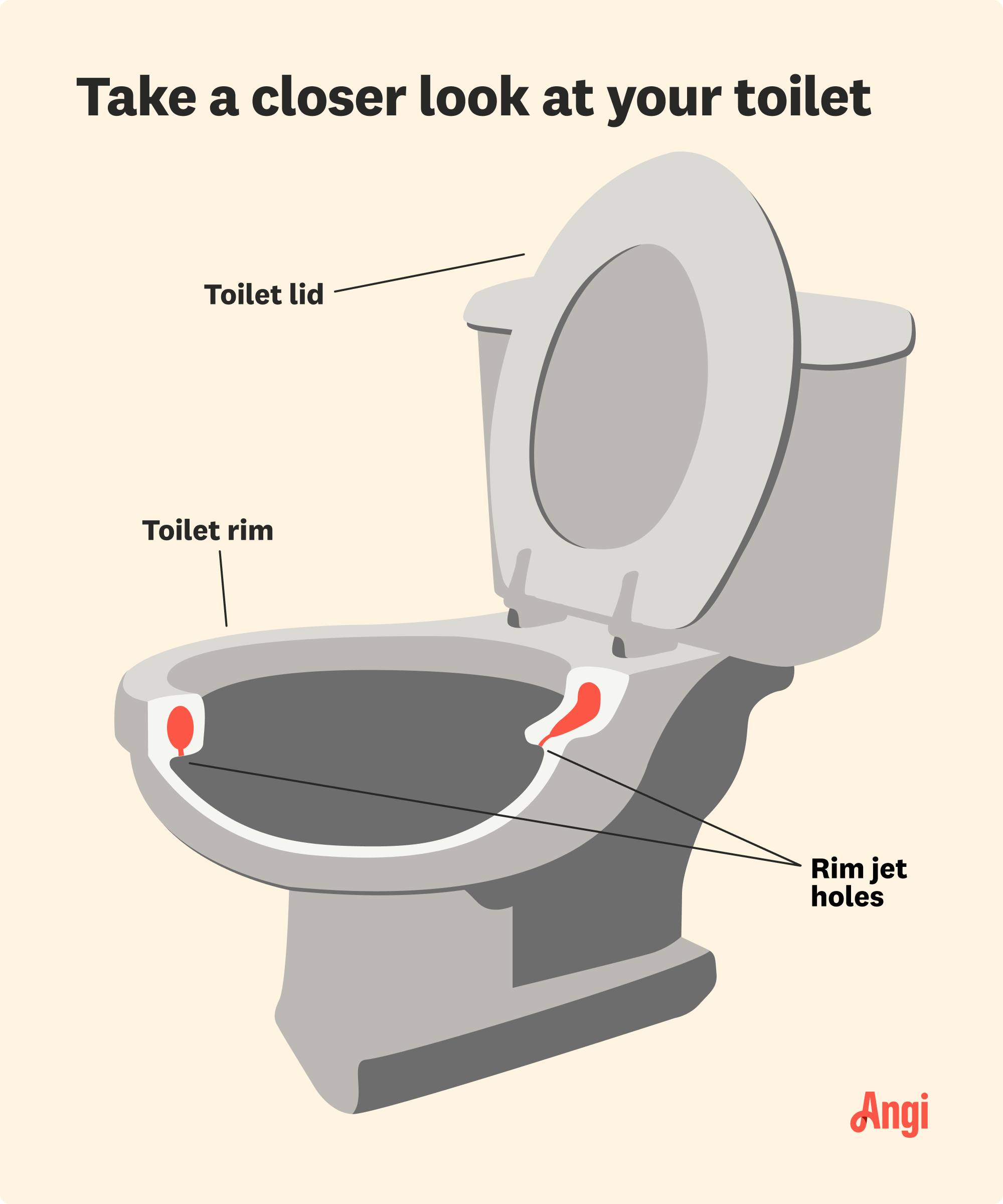
A toilet that overflows and then drains completely is a sign of clogged rim jet holes.
Mineral remover will help scrape away the mineral deposits.
Hire a pro for additional troubleshooting.
You may not know what to do when your toilet overflows, but you know that the problem is positively maddening. It’s even more confusing when it starts to drain toward empty. Luckily, the solution could be a simple fix. Let’s explore why a toilet fills up with water and then slowly drains and the steps you can follow to get it working again.
A few warning signs that something is wrong with your system include a constant gurgling, slow-flushing toilets, bad odors, flooding in the yard, and a washing machine that's not draining properly (your clothes are still soaking wet after the spin cycle). Reach out to a pro if you think something may be wrong.

Plumbing maintenance ensures your toilet works effectively and at maximum capacity. If the water in your toilet keeps rising and then slowly draining, keep reading to find common problems and solutions to fix the issue.
A toilet that overflows and then drains completely is a telltale sign that it's not the big hole on the bottom of your toilet that's the problem, but the little holes around the rim of the toilet you don't see. These little holes are known as rim jets, and their purpose is to create a swirling motion when you flush the toilet, which helps force the contents of the toilet down the drain.
After a while, sediment can collect along these holes, which often goes unnoticed because you don't see them. When this happens, the water pressure drops, and you don't get proper water flow or a full flush when you hit the handle. Instead, the water rushes in, fills up the bowl more than it should, and then slowly drains.
The fix for this problem is fairly straightforward. Start by identifying the mineral deposits using a small mirror to help. They'll appear as a light, even color across the holes. Darker colors suggest it's bacteria rather than mineral deposits.
Once you identify the deposit, directly apply a mineral remover and wait for a few minutes to let the remover dissolve the materials. Finally, grab a screwdriver or some strong wire to chip away at the deposits. Feel free to do this with a heavy touch. They often require some elbow grease to remove, even when using mineral deposit remover.
After chipping away the main deposits, grab a toilet brush and give it a once-over to remove any remaining residue.
In some cases, a blockage might be the cause of a slow-draining toilet. These blockages can happen when inappropriate items are flushed down the toilet or when debris accumulates. Malfunctioning plumbing, like a broken valve, can also create blockages in the toilet.
First, try using a plunger to loosen the block. Place it over the drain to form a seal and pump it up and down a few times. In many cases, this is enough to clear the block. But if that doesn't work, insert a plumbing snake into the drain and attempt to manually dislodge or remove the blockages.
Low water levels in the tank are a common cause of a slow-draining toilet. This can happen due to leaks, evaporation, overuse, or a broken flush tube. If you recently had guests over and your toilet saw a lot of action, you might only have to wait until the guests leave for the problem to resolve. However, if that's not the case, there are a few potential solutions.
You can manually refill the tank with water to help the toilet flush. Sometimes, this is enough to resolve the problem. If not, check the flush tube to ensure it has no bends, leaks, or cracks. If it appears damaged, buy and install a new one to fix the problem. If the problem persists, it's best to call a local toilet repair pro to help.
Toilets have a flush flapper attached to a chain, which is attached to the toilet's flush handle. If the flapper, chain, or handle is broken, it can lead to backups and slow-draining problems.
Lift the tank lid and examine the flapper and its connected components, then give your toilet a flush, looking for any issues. In some instances, the chain might be too loose, so it's not pulling the flapper up high enough for an adequate flush, in which case you can tighten it or replace it with a new one. If the whole system isn't working, replacing the flapper and its components with a new one is a relatively easy installation for most homeowners.
If you notice a foul odor in your home, you might have a venting problem on your hands. Many roofs feature a sewage vent stack that promotes airflow through your plumbing and allows water to flow freely. If the vent is blocked by leaves, debris, or even small animals, it can affect how well your toilet flushes.
Climbing up on the roof is a risky endeavor that can result in injury, so it’s best to call a pro to handle this one. They’ll clear debris away from the vent and install a vent cover to help prevent future blockages.

Once you're satisfied with your cleaning job, flush the toilet to see how it performs. If the toilet still overflows and drains completely, but you've noticed some improvement, then you’re on the right track and need to keep chipping away at the buildup.
Cleaning and prevention go a long way toward preventing a toilet that drains slowly. Practice these tips to keep your toilet working correctly and avoid debris buildup before it happens.
Stay on top of regular maintenance like cleaning your toilet and checking for malfunctioning parts. Check for leaks at the base, water supply line, and tank-to-bowl connection. Also take a look at the water level in the tank and the flapper seal.
Clean your toilet tank to prevent mineral deposits from forming and creating issues for the interal components. Keep the jet holes and toilet bowl clean as well.
You may be tempted but we recommend keeping drop-in toilet cleaners out of your system. Tablets containing bleach and chlorine can wear down toilet components, like gaskets, washers, and flappers, leading to a leaking toilet.
Use your plunger to clear clogs so they don’t interfere with how your toilet flushes and drains.
If the problem persists after multiple attempts, it may be time to throw in the DIY towel. Stubborn buildup could be a sign of hard water or a sign it’s time to replace your toilet.
Either way, contact a plumber near you to recommend a course of action rather than wasting hours trying to diagnose your issue. The average cost to repair a toilet is $240. When you've got a toilet issue, it's best to deal with it as soon as possible, so don't delay.
We needed a couple of minor plumbing repairs done. Lopez Plumbing arrived on time and was very respectful of our time and space and have reasonable advice about the maintenance of equipment and proactive steps to take.
 Lopez Plumbing & Heating Mechanical LLC
Quality plumbing work!!! Very responsive and transparent about all costs up front. Overall I was very satisfied with his professionalism and quality of work!!!
Overall much higher quality work, now the walls are plumb and square, tile pattern is correct and well balanced. The bathroom design is exactly the same other than a few minor details where they suggested a different angle or joint but if you could see them side by side there's no comparison...
 Waxtel LLC
I have rental properties and every time I hired this company for any plumbing-related issue, they always solved the problem. I would not work with anyone else, I trust them completely. I have been using this company for years.
We purchased a home that was need of a bit of work and I had great difficulty finding good firms that charged fair prices and performed well. I first hired JMZ to clean the yard and cut the grass. I saw Jose's truck in the area and called the number on the side. In the past two years Jose and...
Andrew and his crew at Islander painting are precise and clean up after their work. I would definitely hire them again!!!
 Islander Painting
Armend Gojani at Rite Plumbing and Heating is incredibly nice, courteous, knowledgeable and honorable. He has been a pleasure to work with, and so far most of the plumbing problems have been fixed - one more to go.
 Rite Plumbing and Heating
Clayton and his associate were fantastic! He accommodated my request to remove a considerable amount of stuff from a residential home in Port Orange (even changing my original appointment date very last minute at my request). He was early to the job, careful not to remove or damage anything...
Professional, courteous and great quality. Would hire the team again.
Tell me that unless I pay $95 they will not come out to give me an estimate
 Bestwall Plastering Inc
From average costs to expert advice, get all the answers you need to get your job done.
The cost to replace polybutylene pipes runs between $150 and $5,100. Find out why you need to replace your pipes now—and how much you’ll spend.

A burst pipe is a homeowner’s worst nightmare—but you can get ahead of the potential expense. This guide will help you budget for burst pipe repair costs.

This guide to toilet installation cost covers what you can expect to pay when adding a new toilet to an existing or new bathroom.

Copper is prone to leaks from corrosion, particularly pinhole leaks. This guide will show you how to fix a copper pipe leak in seven different ways.

Range hood dripping water? You may have damaged flappers or need more insulation. Find out what’s causing the problem and call the right professional to fix it.

Cutting pipes can be easy, but this job requires some safety measures. Learn how to cut metal pipes quickly and safely for any plumbing project.