


Pipe leak repair costs depend on the location and severity of the leak, as well as the type of pipe being replaced. Use our guide to price out repair work.
No soldering iron, no problem

Pipe leak repair methods depend on leak size and your comfort level with cutting pipes, with temporary fixes like repair clamps and epoxy putty buying time.
Expect to pay $250 to $850 for professional copper pipe leak repair, with average costs around $500 before factoring in any water damage repairs.
Stop a leaking copper pipe temporarily using adhesive tape or repair clamps, then schedule a permanent fix with soldering or compression couplings to replace damaged sections.
Hiring a local plumbing repair professional provides reliable help with cutting pipes, soldering repairs, and installing compression fittings without risking costly water damage from DIY mistakes.
Is there a small leak in your copper pipe? Help is on the way. If you have some plumbing experience and are comfortable cutting pipes, you can solve the problem on your own. If not, you can temporarily fix your pipe until your plumber comes to save the day. This guide will show you how to fix a copper pipe leak like a pro—whether or not you have a soldering iron.

In your home, copper pipes are typically found inside your walls, under your floors, in utility closets, connected to water heaters and boilers, or exposed in unfinished basements. One set of pipes will carry hot water, and another set of pipes will carry cold water. Because they’re well hidden, you may not notice a leak until it’s been leaking for a while. That said, there are some signs to look out for:
Water stains on walls, ceilings, or floors
Green corrosion around pipes
Water collecting on the outside of pipes
A mold or mildew smell
Shaddai Plumbing team is great! They are very professional, they keep their word, they complete job without delays. Great quality. We had to replace old water pipes across 2-story home and their service was great. We asked to add additional water switches to be able to switch hot/cold water on and off in separate parts of home - and they did it. Now if it will be leak or other problem - we can switch off kitchen area, or second floor without impacting other parts of our home. Highly recommended!
The cost to fix a leaking pipe is between $250 and $850, with the average homeowner spending $500 on a professional job. You can expect to spend more if you need to repair the drywall or flooring because the pipes aren’t easily accessible. Burst pipe repair costs tend to be the highest. Expect to spend up to $5,000 if you have significant water damage.

Want to learn how to fix a leaking copper pipe without soldering? Try a temporary fix. Temporary fixes tend to be more DIY-friendly, but you’ll eventually need to bring someone in to replace a portion of your pipe. The good news is that a quick temporary fix can save you on the cost of an emergency plumber.
Before you attempt to fix a leaky pipe, make sure you turn off the water using your home’s main water shut-off valve. If not, both you and your home will end up pretty wet. Water damage remediation is never fun.
Repair clamps are sold in hardware stores and create a tight seal around a small pipe leak using a rubber gasket. Make sure you purchase a clamp that’s the same size as your leaking pipe, then:
Line up the gasket with the leak. The gasket is the rubber, rectangular part of the clamp.
Fit the metal portion of the clamp around the gasket.
Tighten the bolts until they will no longer tighten, and the clamp sits snugly against the pipe.
If you only have a pinhole leak, you can temporarily solder the copper pipe to close it. You’ll eventually need to replace the damaged portion of the pipe, but this fix will buy you time. Follow these steps:
Clean and smooth the pinhole using an abrasive pad.
Apply flux to the pinhole.
Heat the flux gradually until it changes color.
If this didn’t solve the problem because the pinhole expanded, use electrical wire to create what’s essentially a pipe Band-Aid. Just wrap the electrical wire tightly around the pipe and solder the wire in place over the small hole.
Pipe repair tape—or polypropylene adhesive tape—can provide a quick, temporary fix for a copper pipe leak. These tapes are a great solution for residential pipes because they can withstand more than 100 PSI of water pressure, and you can apply them to a wet pipe. All you have to do is tightly wrap the tape over the hole and around the pipe. Make sure you choose a non-toxic tape if the pipe provides your drinking water.
Epoxy putty, which is common in pipe repair kits, is another temporary solution. Keep in mind that the putty is a little hard to remove when you need to replace the pipe. You’ll have to sand it off later down the line. Regardless, it doesn’t require much plumbing know-how to use. Follow these steps:
Put on latex or nitrile gloves to protect your hands from the putty. It heats up during application, so it could hurt your hands.
Mix the putty per the manufacturer’s instructions. Generally, you’ll have to knead it between your fingers until the dark part of the epoxy mixes with the lighter part of the epoxy.
Once the epoxy is light gray in color, wrap it around the leaking pipe in a 1/2-inch layer.
Taper the ends and create a watertight seal.
For an extra-secure seal, apply adhesive tape to the edges of the epoxy.
Let the putty set for five to 10 minutes before turning your water back on.

There are a few different ways you can go about fixing a copper pipe leak long-term. Most methods require you to cut out a portion of the pipe, add a fitting, and/or use a soldering iron. Before you start, make sure you turn off the water at your home’s main water shut-off valve.
Even if you have a larger leak, you can still solder a copper pipe to fix the issue. You’ll just need to cut out the damaged portion, and solder in a new piece with a pipe fitting called a repair coupling. If your hole is on the smaller side, the coupling may be long enough to cover the gap on its own. Use these steps:
Cut out the damaged portion of the pipe using a tubing cutter and discard it.
If you’re using a new piece of pipe because the coupling isn’t large enough to cover the gap you just created, cut your new pipe to size.
Smooth the sharp, freshly cut edges of the pipes using a pipe deburring tool.
Add flux to the end of the pipes and repair coupling. This will create a stronger bond.
Slide the repair coupling onto the pipes. If you have a larger gap, you can use one repair coupling on each side and then install a new pipe between them.
Solder the couplings and pipes together.
Once you’ve securely patched the pipes using the repair coupling, you can turn back on your water.
If you’re not comfortable soldering pipes, use a slip repair coupling (sometimes called a sharkbite slip). This method can fix a hole in water pipes made of copper, PEX, and PVC.
Follow these steps:
Measure the sharkbite slip coupling and record the measurement.
Mark this measurement on your piping with the hole you want to repair at the center. This is where you’ll install the coupling.
Use a tube cutter to cut away the pipe within your marked measurements.
Deburr the edges of the existing pipe.
Install the coupling between the gap in the existing pipes.
Make sure the coupling and the existing pipes are aligned properly and fit snugly together.
Depending on the model, tighten the coupling using your hands or a wrench.
Once you’ve tightened the coupling and it feels firmly connected, you can turn on your water.
A compression coupling (or compression fitting) is another type of pipe fitting you can use to patch your leaky copper pipe. It’s similar to a slip coupling or the type of repair coupling you need to solder. Use these steps to fix the copper pipe leak:
Use a tube cutter to cut away the damaged portion of your pipe.
Deburr the edges of the existing pipe.
Slip a compression coupling on each side of the existing pipe.
Apply a pipe sealant to the couplings (this helps make a tighter seal between the pipes and coupling)
Cut a new piece of pipe that fits in the gap of the section you removed.
Deburr the edges of the pipe.
Install the new piece of piping between the compression couplings.
Tighten the couplings with a wrench.
Once the couplings are secure, you can turn on the water. If you still have a leak, make your couplings even tighter.

Well-maintained plumbing systems can last 20 to 50 years, provided you prevent your pipes from freezing and deal with hard or soft water. The older they get, the more likely they are to spring a leak. Typically, age leads to smaller pinhole leaks, but corrosion can speed along the process. To prevent a copper pipe leak:
Prevent freezing by installing the proper pipe insulation.
If you have hard water, install a water-softening system.
Always use the right size pipes and make sure fittings aren’t too close together.
Check the fittings and replace them as necessary.
Lower the water velocity in your home.
To preserve the lifespan of your pipes, a plumber can test and adjust your home’s water velocity. Aim for the following fixed water velocities:
Cold water: 5–8 fps (feet per second)
Hot water (below 140 degrees F): 4–5 fps
Hot water (above 140 degrees F): 2–3 fps
When you’re doing plumbing work, it’s better to be safe than sorry. A simple mistake can lead to thousands of dollars worth of water damage. That said, you’ll save a good chunk of change by handling minor leaks (think: pinholes that require a simple patch) if you’re comfortable cutting a pipe.
If it’s an emergency, you can always patch the pipe with a temporary fix and then hire a local plumbing repair service or faucet repair specialist near you during business hours. This will save you from emergency plumbing charges. In general, budget $45 to $200 per hour for a pro, and always consider hiring a pro if your pipes are old enough to need a larger replacement. You may want to consider replacing your copper pipes with PEX pipes, and larger plumbing jobs typically require a permit.
You should also call in a professional if your leaking pipe is coupled with some other issue or abnormality, like pipes making noise when your water is turned off—called water hammer—or a water heater that isn’t working properly.
Positive experience. As previously stated, the replacement/repair could not be completed (no fault of the plumbing tech) b/c misinformation was rec?d by property management maintenance. Thanks to the plumbing tech for your efforts. Appreciate you!
 The Waterworks
If you want to pay the most exorbitant prices possible for your job, this is the company for you. “By the job” pricing is a rip-off, at least how these people use it. Every job is plugged into a category and prices are set by category. You might have a job that takes half an hour or one that...
 Benjamin Franklin Plumbing
Cole has been handling plumbing and general contracting for our four properties over the past three years, and he’s always done a great job. Most recently, he installed a sink and countertop in our retail store where none existed before, and it turned out exactly how we needed. He’s...
 ANB Renovations LLC
Matt is a consummate professional. The work turned out to be far more difficult than expected and rather than turn the job down, Matt rose to the occasion and completed a near impossible task. I can not recommend Greene's Plumbing Service more highly. On a scale of 1-5 I would give Matt a...
 Greene's Plumbing Service
Involved an extensive bathroom remodel, including removing tub & installing walk in shower, new drywall, custome tile work to ceiling, plumbing, etc. Overall, job was done on time and on budget. Nick & his team were very professional and had high attention to detail. Quality was great. Highly...
 Stamos Flooring and Remodeling LLC
Awesome company. Had a jacuzzi tub taken out and replaced with huge walk in shower with partial glass enclosure. Onyx to the ceiling with a decorative border, moved plumbing and installed hand held shower, new ceiling, flooring, and paint. Replaced window with glass block. Everything was done...
 Columbus Bath Design
The initial quoted price from a walk-through seemed high, but we discussed that the quote represented worst case scenario (re-wiring to two floors) and we were excited about the opportunity to have the work done in a timely manner with closing for fire safety reasons, etc. When the job was...
Initially, I called the Service People to have a leaking garbage disposal replaced. I had purchased a special deal through Angie's List: $79 for $200-worth of plumbing services. <br /> When I went to schedule the work, the earliest date I could get through Angie's List was after the upcoming...
This company did a very good job on the brick wall and it looks just amazing. The staff was always professional and was practically OCD on how the bricks were stacked and how they were laid. Although it took longer than expected, I am willing to sacrifice time over perfection anyday. The...
 My Handy Mate LLC Improvement & Remodeling
<p>I am so glad we called Rotor-Rooter. I was hesitant to call them because we usually prefer to give business to local providers. But when we had sewage back up in our basement on a Saturday evening, I had a hard time getting a hold of someone, not to mention the high weekend/evening rate...
 Roto-Rooter Plumbing & Water Cleanup
From average costs to expert advice, get all the answers you need to get your job done.
Pipe leak repair costs depend on the location and severity of the leak, as well as the type of pipe being replaced. Use our guide to price out repair work.
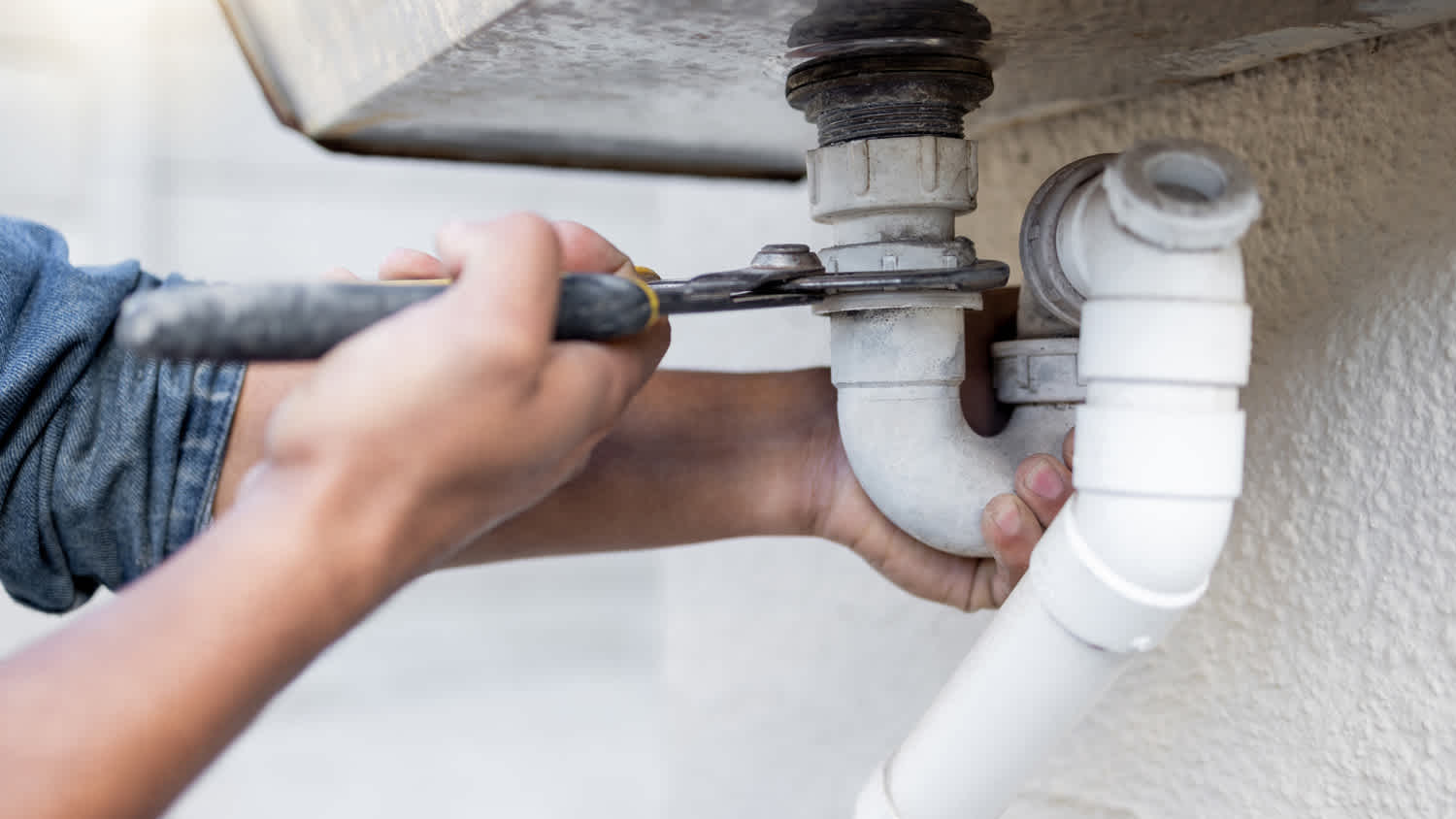
The cost to replace polybutylene pipes runs between $150 and $5,100. Find out why you need to replace your pipes now—and how much you’ll spend.
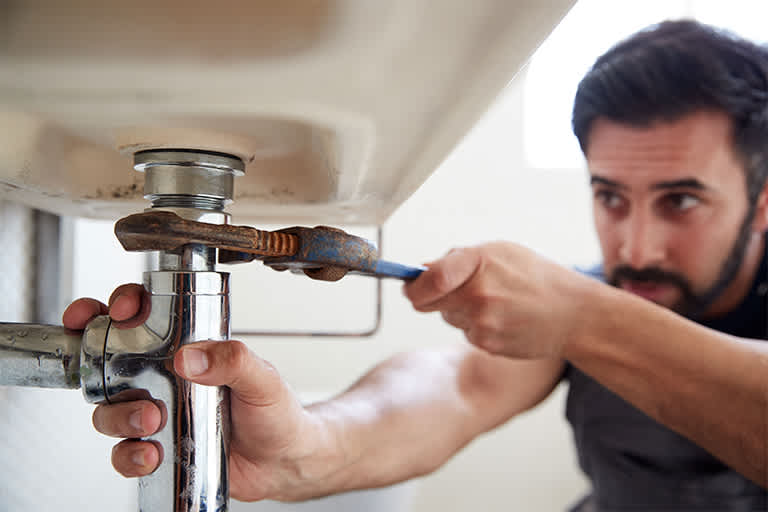
From leaky sinks and drippy faucets to water seeping from the bottom of your toilet, this guide will help you budget for bathroom leak repair costs.
Need to stop a plumbing leak quickly and minimize water damage in your home? Buy yourself some time with these temporary fixes for a leaking pipe.

Copper pipes freeze more easily than most plumbing types. Use this guide to learn why and how to prevent or fix frozen copper pipes.
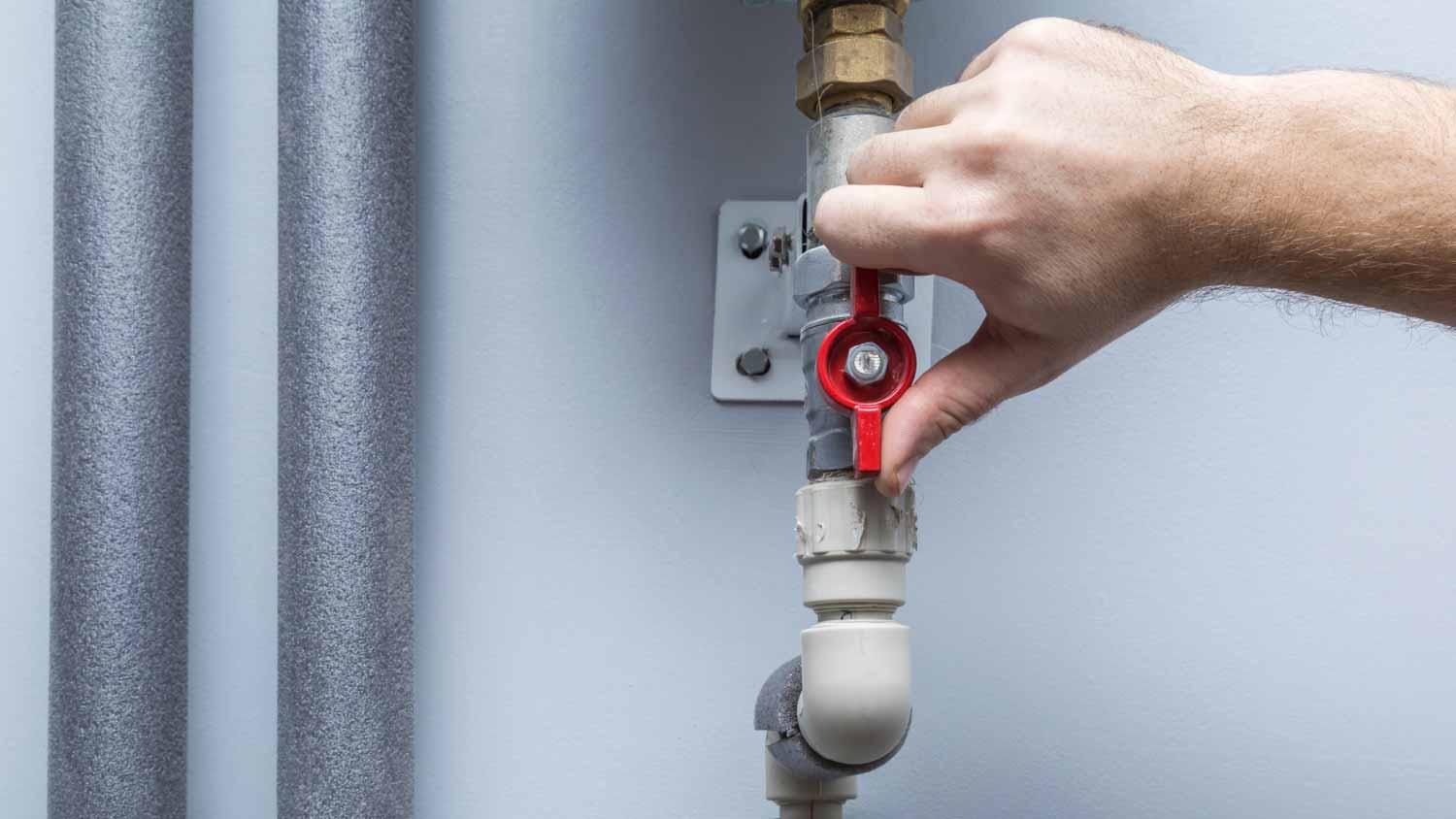
Arm yourself with effective methods for how to fix well pipe leaks using our handy guide. Elevate your DIY skills, and stop leaking pipes once and for all.