

Discover how much you’ll pay for a glass cutting project, exploring key cost factors like the size, type of glass, and project intricacy.
Cut metal pipes to the right size, no matter what tools you have at home

Cutting a metal pipe to the right size is a straightforward task when you measure carefully and use clamps to hold the pipe steady while you work.
Professional plumbing services cost $45 to $200 per hour, and cutting mistakes can cost $100 to $200 per linear foot to repair if your measurements are off.
You can use a pipe cutter for clean cuts, or rely on a hacksaw, angle grinder, or circular saw depending on the tools you have at home.
Hiring a local plumbing professional provides peace of mind with precise cuts and proper connections, helping you avoid leaks and costly repairs down the line.
While installing your new bathroom sink, fixing a leaky pipe in the kitchen, or removing a burst pipe, you may notice that your new metal pipes aren’t slotting into place quite right. Unless you purchase precut pipes, your pipes may be too long to fit into their connections, and you’ll need to cut them to the correct size. This task is fairly easy for DIYers, but learning how to cut metal pipes does require some safety precautions and measuring precision to get the job done.
Maybe you’re replacing a broken section of pipe beneath the bathroom sink or working on repiping a whole room in the house. Either way, metal pipes aren’t flexible like cross-linked polyethylene (PEX) pipes, and you need to cut them to fit together properly. You can buy precut pipes, but this may cost you more money. If you have the tools and time, you can save by cutting your own metal pipes.
You’ll spend about $100 to $200 per linear foot for the cost to repair leaking pipes. If you’re installing new pipes altogether, copper and other metal pipes cost about $2 to $8 per linear foot, plus about $45 to $480 per hour for labor. In comparison, you’ll just pay for the cost of metal pipes if you are cutting them to size yourself.
Cutting metal pipes is straightforward—although not as easy as cutting PVC pipes—and should only take about 30 minutes, including prep work. You’ll typically spend under $25 for the new pipes and sandpaper if you need to smooth them out after cutting. Fortunately, you shouldn’t need to restock your toolbox for this project. Whether you have a metal pipe cutter handy or a hacksaw, you can use many methods and tools to cut metal pipes.
Before you start making cuts, start by using a tape measure to determine where you will make the cut. Use a pencil to mark the spot, then use clamps to hold the pipe steady. This will prevent the metal pipe from shifting while you are cutting it.
The most efficient way to cut metal pipes is to use a pipe cutter, but if you don’t have one already, there’s no need to run out to get one. Just about any saw will do the job, even a hacksaw. Or you can use an angle grinder to cut down pipes in tight locations.

With the measurements marked and the metal pipe placed securely in the clamps, it's time to start cutting. Using a pipe cutter is typically the easiest way to cut metal pipes, as these tools are designed to make clean cuts in metal materials quickly. Turn the knob on the pipe cutter, and the inner wheel, chain, or blade will cut through the pipe.
After using tools to cut metal pipes, the inner edges of the pipes may be left with burrs, or rough, jagged edges. You can use a deburring tool to remove burrs from the inner edges of the pipe. This will make sure the water flow isn't disrupted, and the pipes connect into place easily.

You can use an angle grinder to cut metal pipes in narrow spaces. Suit up in your protective gear: eye goggles, work gloves, and ear plugs. Start the angle grinder and let it run for a few seconds to increase the speed of the blade before letting it touch the metal pipe. Run the blade along the measured mark you made in the beginning until the pipe is cut all the way through.
After making the cut, you can use a deburring tool or sandpaper to smooth out the edges of the metal pipe.

Maybe you don’t have time to buy a pipe cutter, and powering up the angle grinder seems like too much work for cutting one or two small pipes. If you have a hacksaw in your toolbox, you can use this to cut metal pipes, too.
Start off by making sure the pipe is secured with clamps. Move the hacksaw back and forth along the cut line until the saw cuts entirely through the pipe, and only use a fine-tooth hacksaw for cutting metal pipes. Then, use a deburring tool on the inner edges to smooth them out after cutting.
After you've cut metal pipes, you may notice the edges are a little jagged or sharp. This often happens after using a hacksaw. Once you remove the inner burrs, you'll also want to smooth out the outside edges of the pipe after the cut. You can use a file or sandpaper to smooth these edges.
You can use a circular saw to cut metal pipes with a diameter of less than 1/2 inch. This won’t be an ideal tool if you need to cut a lot of metal pipes, but it will suffice for making a few quick cuts.
Ensure you have a smooth blade, ideally designed for cutting metal, and the metal pipe is clamped into place. Put on protective gear and cover nearby objects to protect from metal chips that may fly out while you are cutting.
A table saw can be useful for making notches in a metal pipe, although there are better tools for cutting fully through metal pipes. You probably don't need to make any notches in your pipes for plumbing projects, but this could be useful for other projects.
Whether you’re making notches or going to cut fully through the pipe, make sure your table saw blade is sharp and the pipe is secured in place with clamps or jigs. You’ll need to apply firm pressure and saw through the pipe for quite a while before it will cut all the way through the pipe.
Once the pipes are cut and any sharp points are smoothed out, you’re ready to reconnect the plumbing.
Many homeowners who have used a saw before will find cutting metal pipes to be a pretty user-friendly task. But there are a few precautions to keep in mind to ensure you’re left with clean, even cuts every time.
Measure and mark where the cuts will go about two or three times for accuracy before cutting.
Always use clamps to hold the metal pipe in place.
Wear protective gear to keep yourself safe.
Turn off the water valves if you need to remove or replace a metal pipe.
Pipe cutters make easy work of this job. If you have some on hand, use them over a hacksaw.
Check local plumbing codes to ensure you are using the correct size pipes for your home.
Cutting metal pipes is an easy DIY project, especially if you have a pipe cutter on hand. However, if you need to use a power tool like an angle grinder, you have to take extra safety precautions to avoid injuries. Not to mention that if you measure incorrectly or cut in the wrong spot, you may spend more money on extra piping to fix your mistakes.
If you want pipes cut precisely and connected properly to avoid leaks, it’s wise to hire a plumber near you to handle this project for you. Your plumber cost may be anywhere between $45 and $200 per hour.
Positive experience. As previously stated, the replacement/repair could not be completed (no fault of the plumbing tech) b/c misinformation was rec?d by property management maintenance. Thanks to the plumbing tech for your efforts. Appreciate you!
 The Waterworks
If you want to pay the most exorbitant prices possible for your job, this is the company for you. “By the job” pricing is a rip-off, at least how these people use it. Every job is plugged into a category and prices are set by category. You might have a job that takes half an hour or one that...
 Benjamin Franklin Plumbing
Cole has been handling plumbing and general contracting for our four properties over the past three years, and he’s always done a great job. Most recently, he installed a sink and countertop in our retail store where none existed before, and it turned out exactly how we needed. He’s...
 ANB Renovations LLC
Matt is a consummate professional. The work turned out to be far more difficult than expected and rather than turn the job down, Matt rose to the occasion and completed a near impossible task. I can not recommend Greene's Plumbing Service more highly. On a scale of 1-5 I would give Matt a...
 Greene's Plumbing Service
Involved an extensive bathroom remodel, including removing tub & installing walk in shower, new drywall, custome tile work to ceiling, plumbing, etc. Overall, job was done on time and on budget. Nick & his team were very professional and had high attention to detail. Quality was great. Highly...
 Stamos Flooring and Remodeling LLC
Awesome company. Had a jacuzzi tub taken out and replaced with huge walk in shower with partial glass enclosure. Onyx to the ceiling with a decorative border, moved plumbing and installed hand held shower, new ceiling, flooring, and paint. Replaced window with glass block. Everything was done...
 Columbus Bath Design
The initial quoted price from a walk-through seemed high, but we discussed that the quote represented worst case scenario (re-wiring to two floors) and we were excited about the opportunity to have the work done in a timely manner with closing for fire safety reasons, etc. When the job was...
Initially, I called the Service People to have a leaking garbage disposal replaced. I had purchased a special deal through Angie's List: $79 for $200-worth of plumbing services. <br /> When I went to schedule the work, the earliest date I could get through Angie's List was after the upcoming...
This company did a very good job on the brick wall and it looks just amazing. The staff was always professional and was practically OCD on how the bricks were stacked and how they were laid. Although it took longer than expected, I am willing to sacrifice time over perfection anyday. The...
 My Handy Mate LLC Improvement & Remodeling
<p>I am so glad we called Rotor-Rooter. I was hesitant to call them because we usually prefer to give business to local providers. But when we had sewage back up in our basement on a Saturday evening, I had a hard time getting a hold of someone, not to mention the high weekend/evening rate...
 Roto-Rooter Plumbing & Water Cleanup
From average costs to expert advice, get all the answers you need to get your job done.
Discover how much you’ll pay for a glass cutting project, exploring key cost factors like the size, type of glass, and project intricacy.

Pipe fencing is an extremely strong, durable option for containing horses and other livestock. This guide breaks down the factors that affect pipe fence cost.
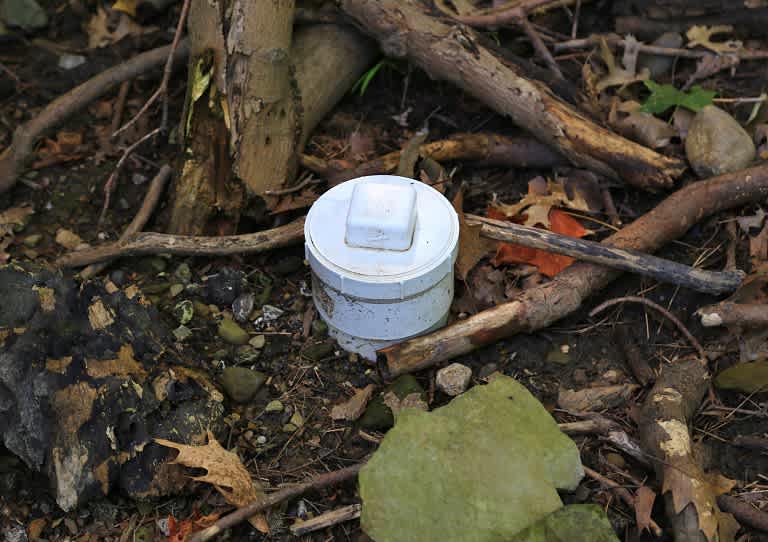
Find out the average cost to remove roots from pipes, what impacts pricing, and expert budgeting tips for root removal, and protect your plumbing.
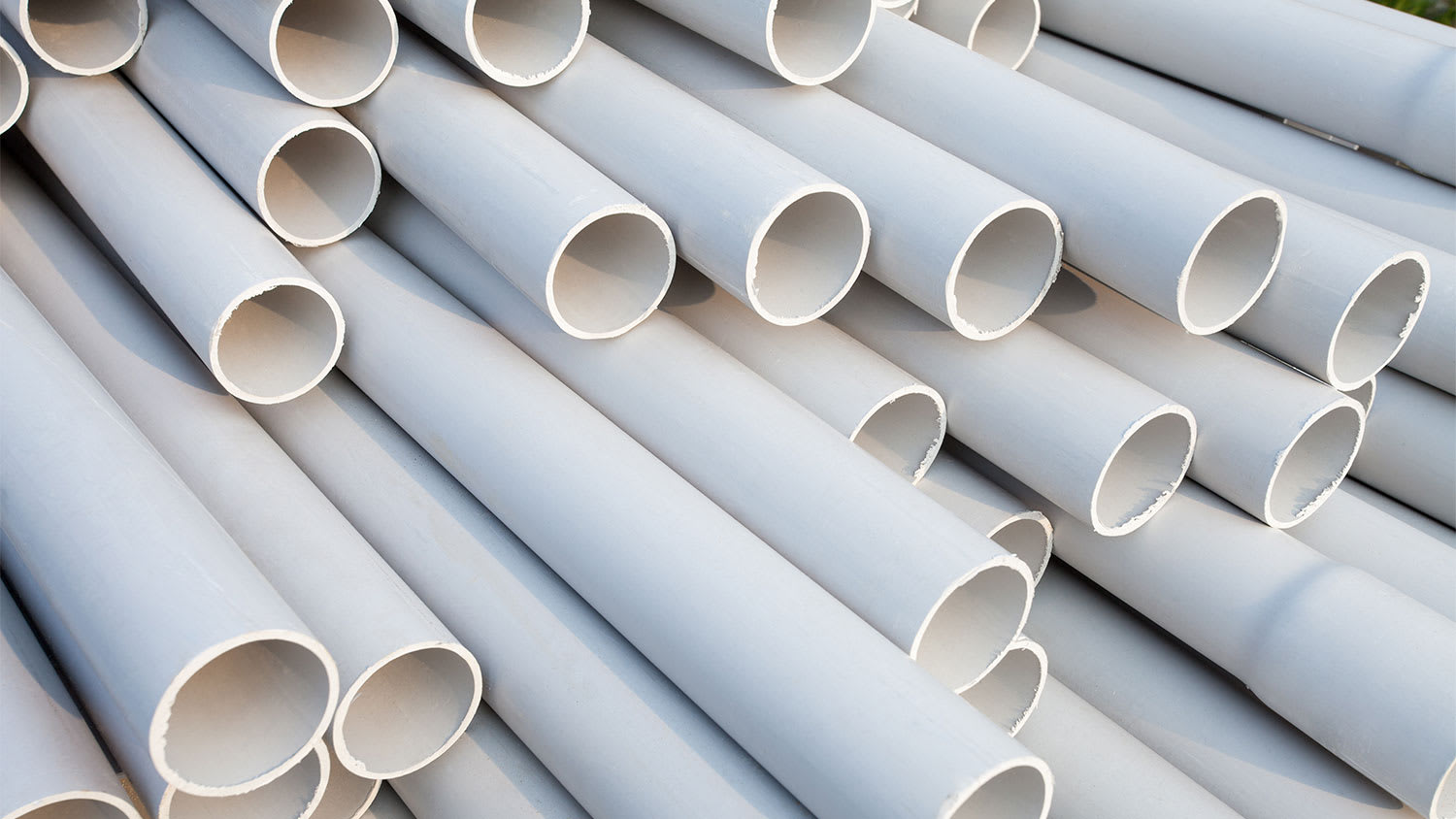
Learn how to cut PVC pipe with ease and efficiency. Our guide will show you how to tackle your PVC pipe project like a pro.
Learn how to cut PEX pipes if you need to replace copper or galvanized steel pipes due to leaking, corrosion, or rust. Cutting PEX pipe only requires a few simple tools.

Sharpen your skills and smooth your cuts with this DIY guide to cutting metal roofing. We cover everything from measurements and safety gear to which tools will give you the cleanest cut.