
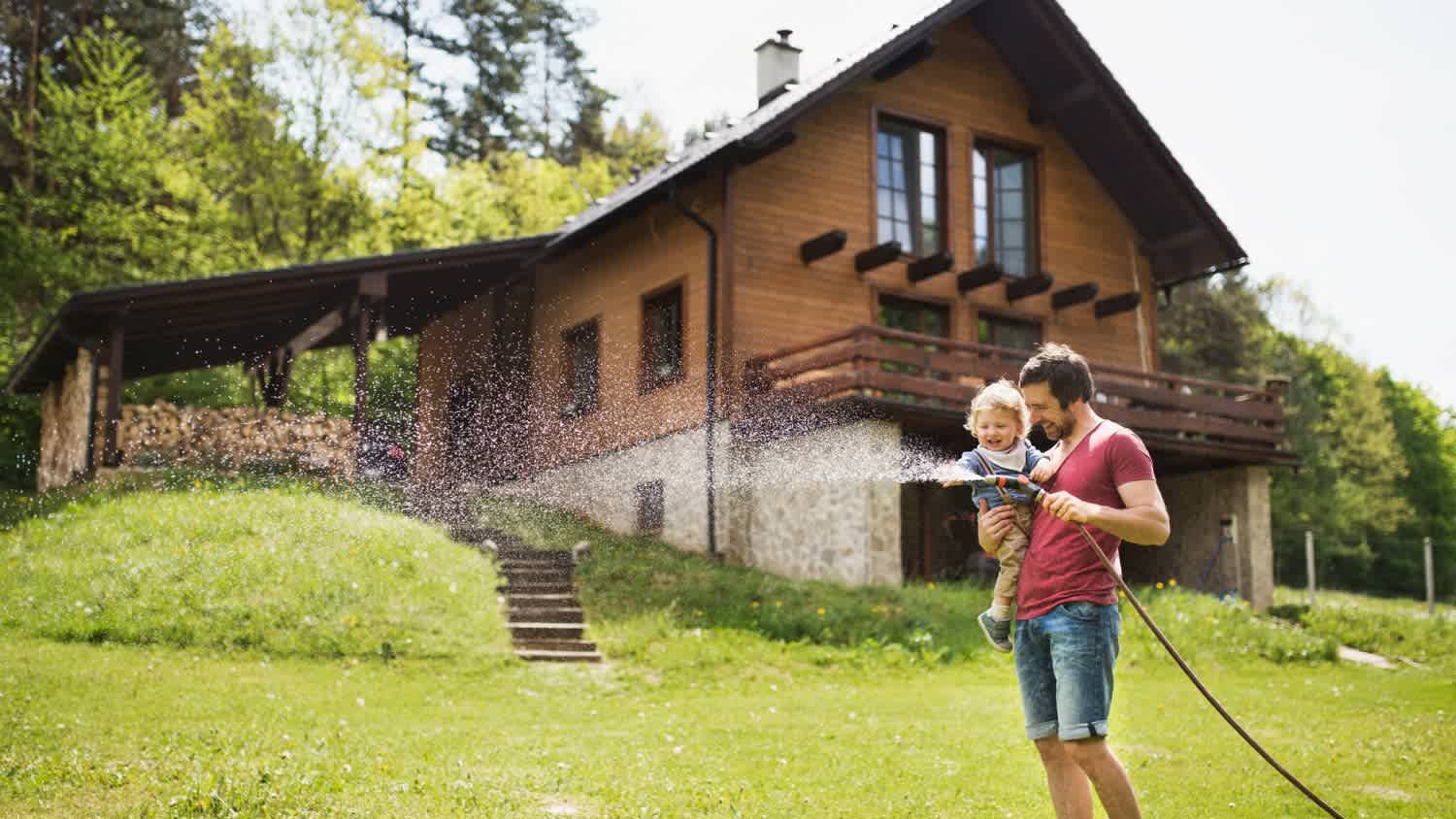
The best time to water your grass is early morning—but the late afternoon or early evening can work, too. Read on to learn why and get more watering tips.
When temperatures drop and plants are well-established, it’s time to stop watering

The temperature to stop watering grass is when daytime temperatures drop below 50 degrees Fahrenheit or nighttime temperatures drop below 30 degrees Fahrenheit.
Overwatering your grass creates ideal conditions for weeds like crabgrass, fungus growth, and pests including grubs and mole crickets that damage your lawn.
You need about one inch of water weekly for healthy grass, so turn off your irrigation system when rain provides this amount naturally.
Hiring a local lawn irrigation professional helps you set the right watering schedule for your grass type and climate, keeping your lawn healthy year-round.
If you’re wondering when to stop watering your grass, you’re in the right place. Certain types of grass require more care than others, so it’s worth researching when to pull back the watering hose. If you need help determining the best watering schedule for your yard, consider working with a lawn care service to provide expert opinions and services. Let’s dig into when to stop watering your grass.
You should stop watering the grass in the fall when daytime temperatures consistently drop below 50 degrees F or nighttime temperatures consistently drop below 30 degrees F, which is often between October and late November, depending on your climate.
| Grass type | Season Type | Water Requirements | When to Stop Watering |
|---|---|---|---|
| Kentucky Bluegrass | Cool-season | Average amount | Daytime temps below 50 degrees F, nighttime temps below 30 degrees F |
| Tall Fescue | Cool-season | Daily waterings | Daytime temps below 50 degrees F, nighttime temps below 30 degrees F |
| Ryegrass | Cool-season | Average amount | Daytime temps below 50 degrees F, nighttime temps below 30 degrees F |
| Fine Fescue | Cool-season | Multiple daily waterings | Daytime temps below 50 degrees F, nighttime temps below 30 degrees F |
| Centipedegrass | Warm-season | Less than average | Daytime temps below 50 degrees F, nighttime temps below 30 degrees F |
When you should stop watering your grass depends on many factors, including your home’s location and the type of grass that makes up your lawn. While each person’s lawn needs will differ, these are common situations where you can stop watering your grass.
If you live in a cold climate, you should expect to stop watering your lawn when the ground freezes. When the ground freezes, it acts as a barrier that stops water from getting to the roots of your grass. Lawns in these environments typically become dormant during this time and don’t require irrigation.
Grass typically only requires around one inch of water each week to remain healthy. You’ll want to turn your lawn irrigation system off when your area is expecting showers that amount to at least one inch per week. If you live in a rainy climate, it’s likely that you’ll only ever need to water your grass in periods of drought.
Certain types of grass are more drought tolerant than others, and once they’re established they don’t need to be watered daily or else they’ll get waterlogged. That said, other grass types require more water than average, particularly ornamental variations.

Striking the right balance between overwatering and under-watering your grass is crucial to keeping it healthy. Both extremes can cause harm to your lawn, some of which will be difficult to reverse.
More weeds: Weeds like crabgrass, nutsedge, and bluegrass can be caused by overwatering. Once these weeds arrive in your lawn, they can be difficult to remove.
Fungus: Overwatered lawns are ideal growing conditions for mushrooms and other fungus.
Pests: Pest problems are common in overwatered lawns, which are the perfect breeding ground for many insects. An overirrigated lawn can expect bugs like grubs, mole crickets, spittlebugs, and springtails.
Soft ground: If your lawn feels spongy or soggy when you walk on it, it’s likely overwatered. This scenario can result in water-logged roots that could kill your plants.
Shallow root systems: If you don’t water your lawn enough, its root system will be shallow and unable to take advantage of the moisture held in deeper soil. This situation will lead to the need for more frequent watering.
Discoloration: Under watering can cause your lawn to become stressed and less tolerant of heat, causing yellow and brown discoloration.
Slow growth: Grass needs to be watered deeply to grow vigorously. If you’re under watering, your lawn's growth is likely to be slower than normal.
Weak spring back: Under watered grass doesn’t spring back to the touch as easily as well-watered grass. This scenario can cause visible footprints to appear when your lawn is walked across which might become permanent.

A well-maintained lawn can add value to your property and even purify the air you breathe. To keep yours lush and green, maintain your lawn using these lawn maintenance tips:
Mow your lawn: Mowing your lawn can help deter weeds, keep diseases away, and help your grass grow healthier. To best maintain a healthy lawn, you should use a mulching mower, breaking down the grass clippings into small pieces and returning their nutrients to your lawn.
Water the right amount: Lawns need a good drenching of at least 1 inch of water each week to thrive. Be sure to water your lawn, especially when it doesn’t rain, to ensure it is getting enough water.
Fertilize as needed: If your lawn isn’t healthy, giving it nutrients in the form of fertilizer can help it grow stronger. Lawn fertilizers can come in the form of organic matter or synthetic fertilizer.
Manage weeds carefully: Although some weed growth is healthy for your lawn, excess weed growth can use the water and nutrients your grass needs to stay strong. You should manage your weeds using methods such as hand-pulling and digging out weeds, plus safe chemical methods if necessary.
Monitor pest activity: Pests can cause lasting damage to your lawn but you can get them under control more quickly if you spot them early on. Early signs of pest activity include patches of dead grass, dirt mounds, and burrows.
Cody did a great job!
 Itzelpainting
Wonderful. I am going to have them remove and replace my driveway in the spring.
 All Star Paving and Sealing
We had a 20+ year old landscape lighting system that needed replacement. Midwest Lightscapes worked with us to design a much improved lighting system, lighting the exterior of the house and the back yard. Installation of the 45 light system took one and one-half days, and went very smoothly....
 Midwest Lightscapes
Did an amazing job transforming my yard. Also installed sod in places, would recommend to everyone.
 Cardinal Landscaping & Construction LLC
Always been satisfied with the service work and how they have taken care of my pool.
Bill Gerhardt sold the company to his employees at the end of 2019, apparently without a workable succession plan and without notifying prospective customers of this fact. Most aspects of the maintenance contract have not been fulfilled: no installation of anual plantings per contract, no...
They show up and they did take us on as a client which seems to be a problem with other lawn care providers. We have multiple properties and this one was located close to downtown and no one really wants to mess with it.
I was very happy with the service provided by AK Irrigation. They responded quickly to my email, and the woman I spoke with was polite and professional. I was able to get an appointment that same week. <br /> The technician (Tyler) arrived on time. He was very knowledgeable, and worked...
 AK Irrigation
The worker came out when he was supposed to come. He informed me he would honor the Angie's List deal, but would not do any more work for me since my son in law owns lawn care company as well, even though they do not do the same type of work. He said he did not feel comfortable giving me...
 Bello Giardino LLC
E & L Lawn Care was super. They were very responsive before and after service. They were efficient and were able to complete the job within 1 day. I have had concern about one section of sod - the owner was pro-active and did a visit to evaluate. I have no doubt they will stand behind...
 E&L lawn care
From average costs to expert advice, get all the answers you need to get your job done.
The best time to water your grass is early morning—but the late afternoon or early evening can work, too. Read on to learn why and get more watering tips.
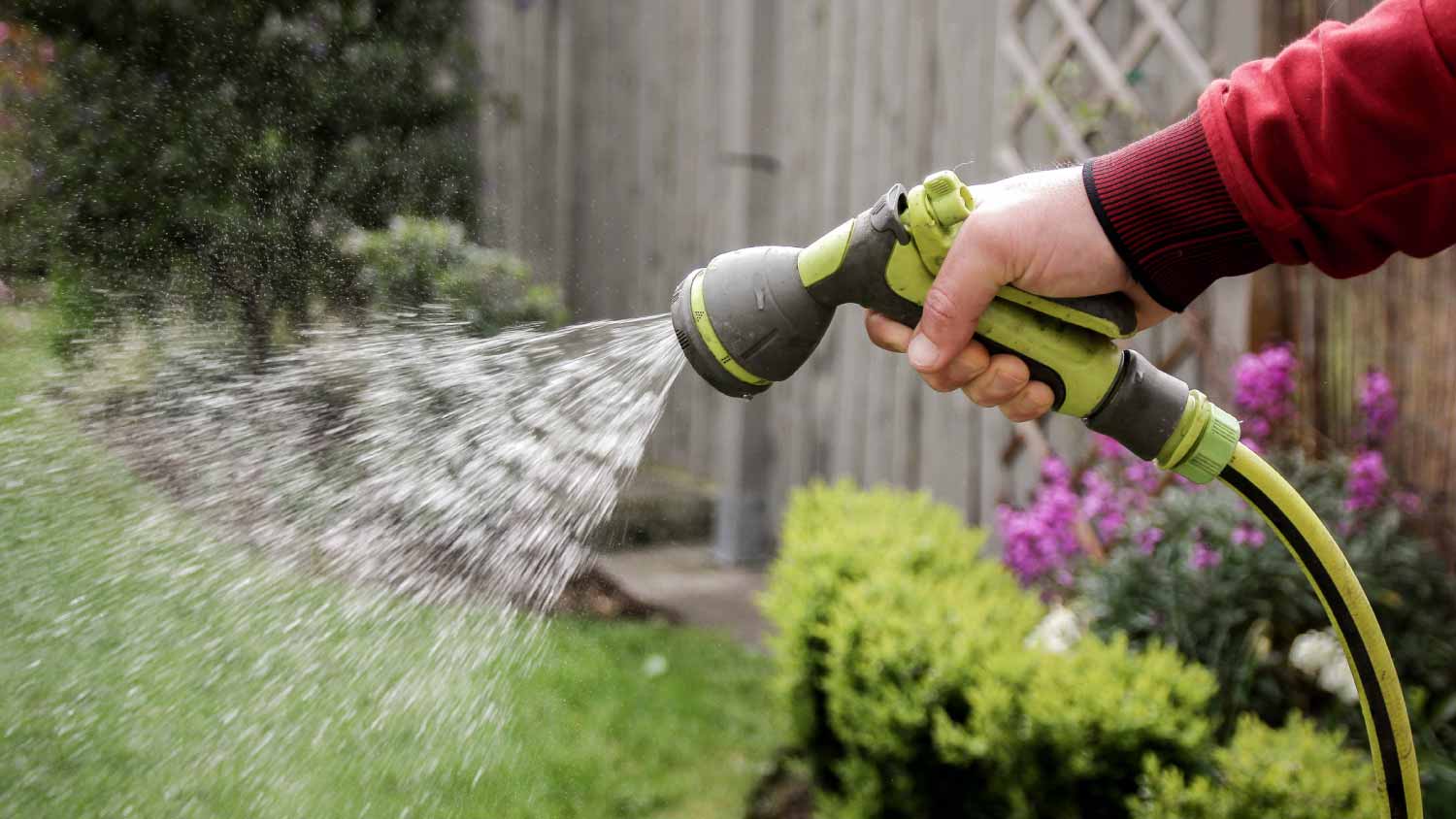
In the winter months, you might need to water your lawn, but how cold is too cold? Here’s a handy guide to winter watering for your lawn.
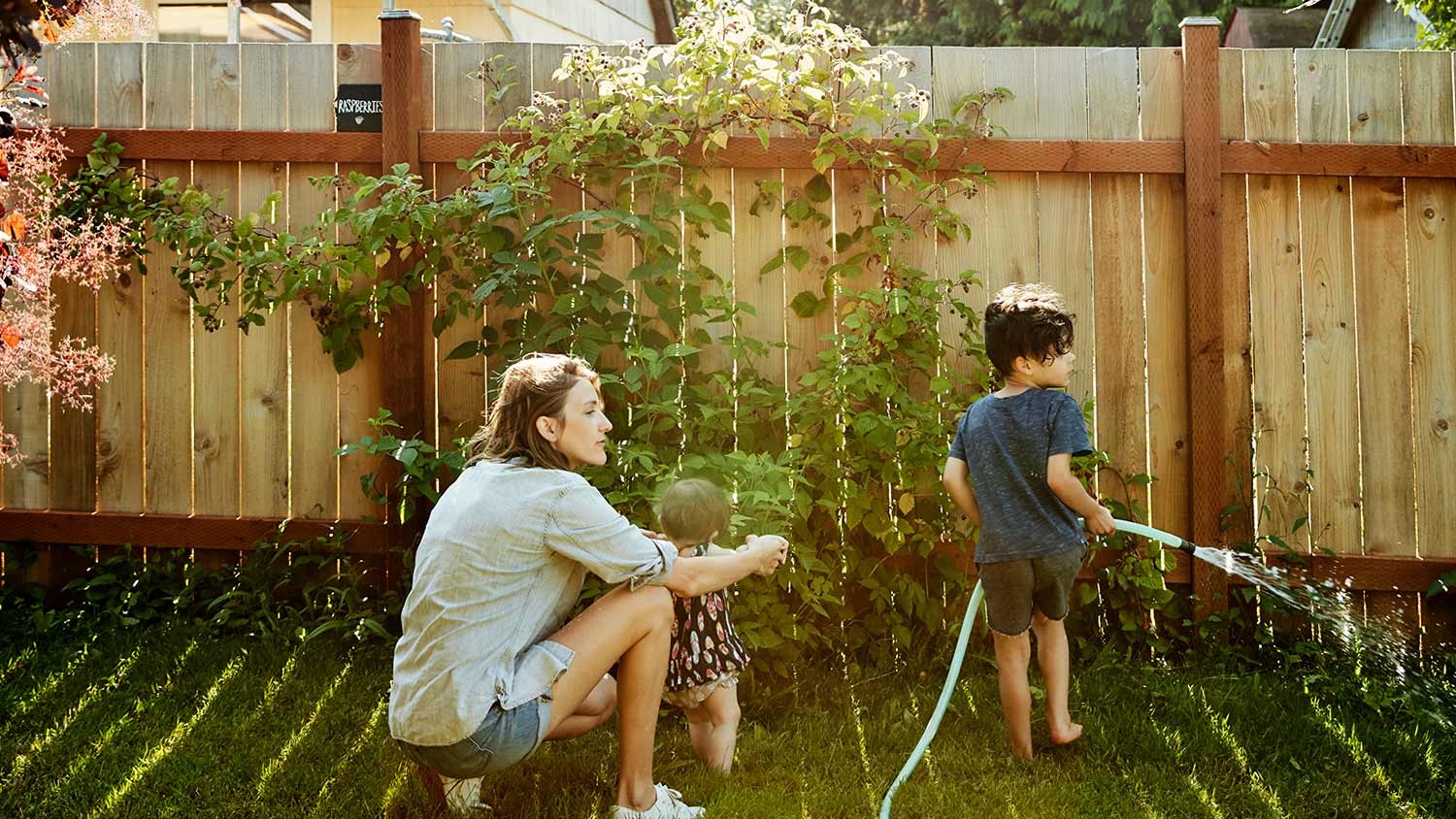
Find out how often you should water your lawn season by season with our expert guide, whether you've got cool or warm season grass or a new or established lawn.
How long to water your grass depends on the time of year and type of grass. Learn how long to water the grass and how often to do it with this guide.
You garden for the beautiful flowers, but you'll need to know how to kill grass in your flower beds to maintain healthy soil. Learn how in this guide.
Are you excited for a lush lawn after planting new grass seed but unsure how much water they need? We'll show you how long to water grass after seeding.