
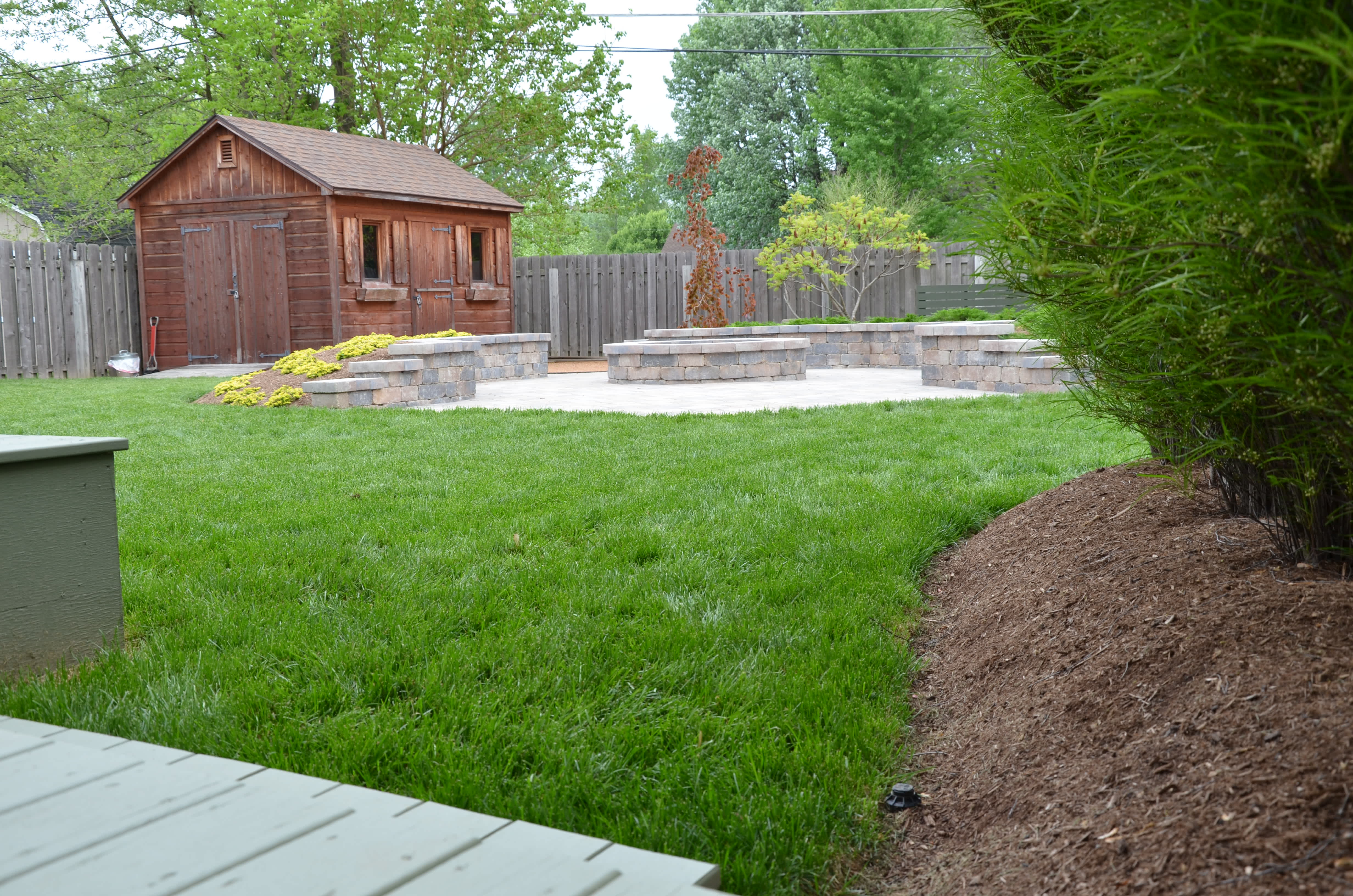
Late summer to early fall is one of the best times to establish new lawn growth for many parts of the country. Learn how to grow new grass this fall.
Put away the mower when your grass settles down for a long winter's nap

Your grass stops growing when it goes dormant during extreme temperatures, with cool-season grasses slowing below 40 degrees and warm-season grasses pausing below 55 degrees.
The time when grass stops growing depends on your grass type, local climate, soil temperature, and lawn health, so understanding your variety helps you plan care.
Stop mowing your lawn after consistent temperatures drop below your grass type's dormancy threshold or when the first frost warning arrives on your forecast.
Hiring a local lawn care professional provides expert guidance on grass dormancy timing and helps you maintain lawn health through seasonal transitions.
Breaking out the mower each week can become a bit of a bear by the end of the summer. So, when does grass stop growing, and when can you look forward to a bit of a lawn care respite? Depending on the type of grass, where you live, and the health of your lawn, assume that your grass will slow its growth at the height of summer and around the first frost of the season.
Grass stops growing when it enters its dormancy phase—a normal process where the crown of the grass stops growing to reserve energy, similar to a tree losing its leaves. In general, expect grass to stop growing from the late fall to early spring and for a moment at the peak of summer. A few scenarios trigger dormancy, such as extreme temperatures, low amounts of water, long periods of low sunlight, or poor soil health.

Understanding when the grass stops growing can affect how you build your landscaping care plan or budget for the cost of lawn care for each season. It'll also save you from the stress of thinking that your low-growing and even browning grass has died.

Always begin by determining the type of grass in your yard. Cool-season grasses primarily flourish in the north and central planting zones of the country while warm-season grasses—you guessed it—thrive in warmer, more southern climates.
Cool-season grasses prefer balanced temperatures from 55 to 75 degrees Fahrenheit, depending on the type of grass. Growth will typically stop altogether below 40 and above 90 degrees Fahrenheit, entering a dormancy phase. Common cool-season grasses include Kentucky Bluegrass, Perennial Ryegrass, and fine fescue.
If you live in a Southern or transition planting zone of the U.S., warm-season grasses will have an easier time growing. Popular varieties include St. Augustine grass, centipede grass, and Zoysiagrass, which can thrive and continue to grow in temperatures up to between 95 and 100 degrees Fahrenheit. That being said, they'll struggle if your area has an unseasonal cold snap, going dormant below 55 to 60 degrees.
Unsurprisingly, planting the wrong grass for your region could set off your lawn's dormancy phase for much longer than you prefer. This could mean brown, straw-like grass in the winter while your neighbor's lawn remains relatively green.
Additionally, the microclimate of your area will sway grass growth. Factors such as local humidity, the sea salt content of the air, and the amount of sunlight each season will play a role in your grass growth.

If you're tracking grass growth closely, make the call about whether to mow by monitoring your soil temperature. Even when the air temperature fluctuates during the shoulder seasons, it's your soil temperature that has the greatest effect on its dormancy. Cool-season grasses require a soil temp over 55 degrees Fahrenheit, while warm-season grasses prefer soil over 70 degrees Fahrenheit.
As a plant that craves sunlight, water, and nutrients, your lawn design plays a part in dormancy as well. Grass requires a balance of sunlight and shade, well-draining soil, and plenty of space from nutrient-hungry weeds. Hiring a local lawn care professional can help you avoid brown patches of grass as the seasons change.
The last mow of the season directly relates to when your grass stops growing. Once you determine what type of grass or grass blend you have in your lawn, keep a close eye on the weather report. Prepare to winterize your lawn when air temperatures consistently fall below the dormancy level for your type of grass or when the first frost warning arrives on the forecast.
It is smart to avoid mowing during a heat wave that pushes consistent air temperatures over the high threshold. When you mow in the heat, the timing of cutting your grass matters as well. Stick to the mid-morning hours between 8 a.m. and 10 a.m. after the morning dew but before the hottest time of the day.
D1 Roofing delivers outstanding service from beginning to end, backed by a strong warranty and expert teams. I highly recommend them for their excellence in meeting and surpassing expectations with unmatched communication. Choosing D1 Roofing was flawless decision
 Division 1 Roofing LLC
We had our houses windows and back door replace this summer by Window Depot USA of Central. He gave us grate advise and saved my family lots money. The team did a fantastic job with installation. If you need help, they sure get job done right!
 Window Depot USA of Central Ohio
Wonderful. I am going to have them remove and replace my driveway in the spring.
 All Star Paving and Sealing
We were having 2”x 2” tile installed . There was a small installation error and the new additional replacement tile was from a different lot and the colors didn’t match. Joe assured us that he would rectify everything , which he did without hesitation. We decided to go with the 18” x 36” tile...
 CarifaTile
We had a 20+ year old landscape lighting system that needed replacement. Midwest Lightscapes worked with us to design a much improved lighting system, lighting the exterior of the house and the back yard. Installation of the 45 light system took one and one-half days, and went very smoothly....
 Midwest Lightscapes
Did an amazing job transforming my yard. Also installed sod in places, would recommend to everyone.
 Cardinal Landscaping & Construction LLC
They show up and they did take us on as a client which seems to be a problem with other lawn care providers. We have multiple properties and this one was located close to downtown and no one really wants to mess with it.
The worker came out when he was supposed to come. He informed me he would honor the Angie's List deal, but would not do any more work for me since my son in law owns lawn care company as well, even though they do not do the same type of work. He said he did not feel comfortable giving me...
 Bello Giardino LLC
E & L Lawn Care was super. They were very responsive before and after service. They were efficient and were able to complete the job within 1 day. I have had concern about one section of sod - the owner was pro-active and did a visit to evaluate. I have no doubt they will stand behind...
 E&L lawn care
From average costs to expert advice, get all the answers you need to get your job done.
Late summer to early fall is one of the best times to establish new lawn growth for many parts of the country. Learn how to grow new grass this fall.
How long grass grows depends on the type. Most turfgrass doesn’t grow shockingly tall—but it’s not a good idea to let it run wild. Here’s what you should know.
Growing grass calls for time and patience, but how long does it take for grass seed to grow exactly? Find out what your grass-growing timeline will look like.

Does it matter when you fertilize your lawn? Learn when to fertilize grass to get your lawn healthy and greener than ever.

Wondering how to stop grass from growing into your flower beds? Use these four helpful methods for keeping your grass in the right place.
Learn when the best time to mow new grass, plus some considerations to consider in this short informational guide for homeowners.