

What size drywall screws you should use depends on the thickness of your drywall and the stud material. This guide can help you choose the perfect match.
Let’s drill into the differences

Coarse-thread drywall screws feature wide, deep threading that grips wood studs securely, while fine-thread screws have thin, close threading for metal studs.
Expect to pay $5 to $10 per 1-pound box for either coarse or fine drywall screws, with similar pricing across thread types.
Coarse screws are easier to install in wood because their thicker design resists snapping, while fine screws require careful handling to avoid breaking.
Hiring a local drywall professional keeps your installation smooth and secure, providing expert guidance on screw selection and proper attachment for lasting results.
It’s time to put up drywall in your new addition, but what type of screws should you use? Knowing the differences between coarse versus fine drywall screws is important for a successful drywall project. Here’s how to decide which drywall screw is right for your upcoming DIY.

The key differences between coarse versus fine drywall screws are the designs and the use cases. Coarse drywall screws have wider spaces between threading and a thicker screw, making them a sturdy choice for attaching drywall to wood. The finer point and thinner threading on fine drywall screws make them the best option for attaching drywall to metal studs.

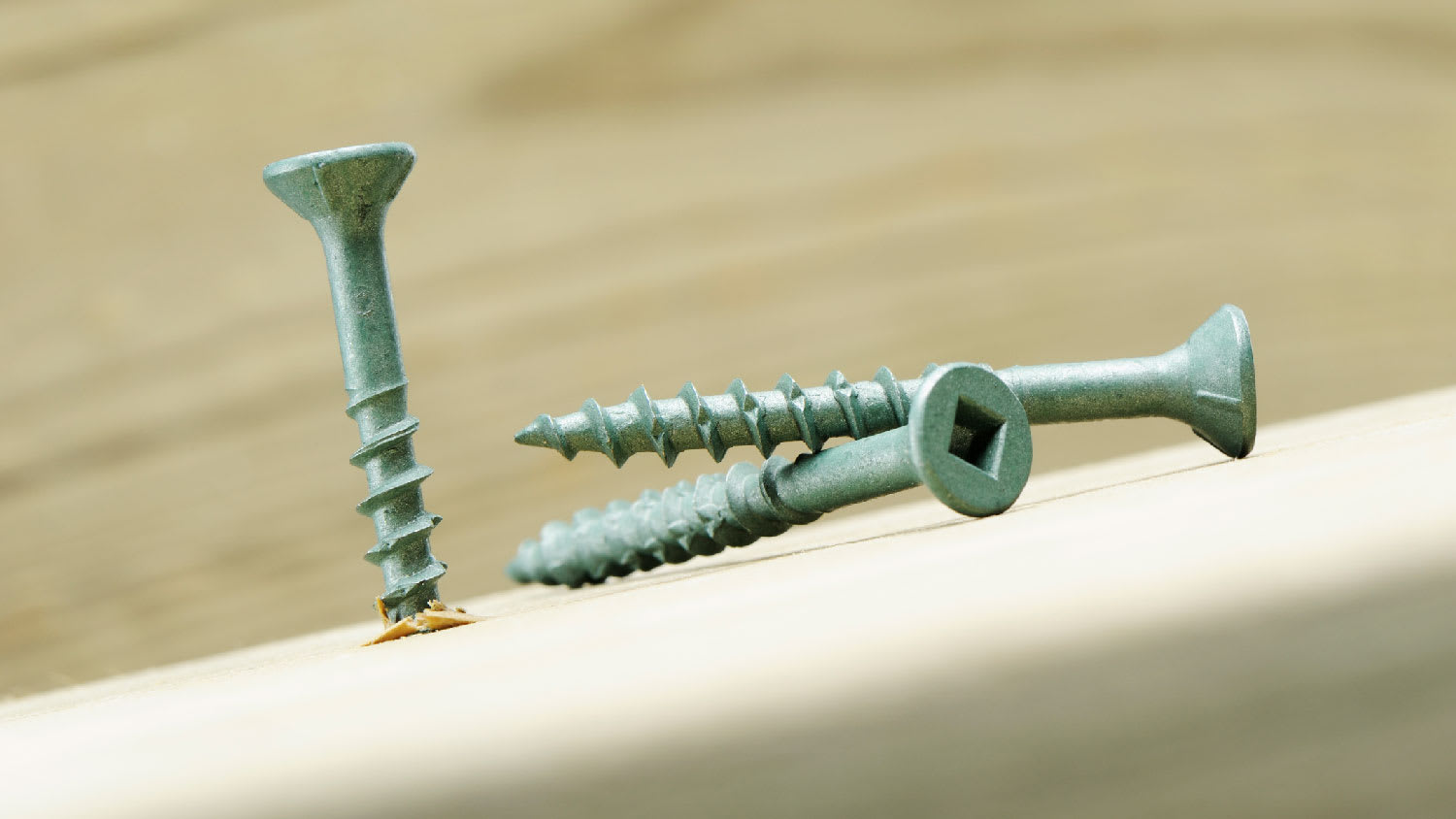
Coarse drywall screws, or W-type screws, are screws with wide, deep threads along the length of the screw. This design makes the screw more powerful and suitable for securing the weight of a sheet of drywall to wood studs or installing ceiling drywall. However, the thicker threading makes these screws less ideal for metal.
| Pros | Cons |
|---|---|
| Easy to install | May require pre-drilling |
| Durable | Vulnerable to rust and corrosion |
| Long-lasting | Can strip screw holes in metal |
Best for:
Securing drywall to wood studs or framing
Installing drywall on a ceiling
Fastening thicker materials
The thicker threading and larger head of coarse drywall screws make them easier to screw into wood studs and framing.
Plus, the thicker design makes coarse drywall screws particularly durable, so you don’t have to worry as much about having them snap or seize, which is a risk when working with fine drywall screws. This also helps the drywall handle more weight.
When used for wood studs, coarse drywall screws offer great longevity, meaning your drywall application should last several decades with minimal repairs.
Be sure to check the label on your coarse drywall screws before buying, especially if you want to avoid pre-drilling. Some options may not be self-threading. However, in some cases, like installing drywall on hollow surfaces or placing drywall over tile or masonry, you’ll need to install anchors before adding coarse drywall screws.
Another thing to look out for is whether the screws are treated to prevent corrosion. If your coarse drywall screws don’t have this coating, they are more at risk of rusting over time.
If you need to drill into metal, it’s best to skip coarse drywall screws and opt for fine drywall screws. The threading on coarse drywall screws can strip the screw holes in metal and won’t grip as tightly.

Fine drywall screws, also known as S-type screws, feature thinner threading that’s closer together and a sharper end point. This design makes them the ideal screw for installing drywall into metal studs. The screws thread into metal quickly and grip tightly to the material, but they won’t work as well for wood.
| Pros | Cons |
|---|---|
| Easily screw into metal | Brittle |
| Corrosion-resistant | Less durable |
| Self-threading | May need to use more |
Best for:
Securing drywall to metal studs
Screwing into medium-density fiberboard (MDF)
Fastening thinner materials
The biggest benefit of fine-thread drywall screws versus coarse-thread screws is that their thin threading and fine point make for easy securing to metal studs. Fine screws can pierce and thread into the metal while creating a tight grip.
Because they are mostly used with metal studs, many fine drywall screws have a corrosion-resistant coating, meaning they shouldn’t start rusting over time. This can better protect the screws and the metal surrounding them.
Another benefit of fine drywall screws is that they’re self-threading. This means you can start installation right away—there’s no need to pre-drill holes before adding the screws.
The more delicate design with thinner threading and a finer point in these screws means they can also be more brittle. Don’t apply too much force when trying to install these screws, or you could snap them.
Similarly, these screws are considered less durable because of their more slender design, especially if you try to use them to secure drywall to wood. However, so long as you use fine drywall screws for their best use cases, they should hold up for your needs.
Because of the thinner threading, if you choose to use fine drywall screws for wood, you may find that you need to use more drywall screws per sheet of drywall to properly secure each sheet.

Coarse and fine drywall screws have very particular designs, which makes them different in everything from strength and durability to ease of installation, especially if you plan to DIY. Here’s how they stack up against one another.
With the thicker threading, coarse drywall screws are often considered stronger and better suited to most drywall projects. These screws hold up well to thicker drywall and even ceiling drywall installation, while fine drywall screws are best reserved for screwing into metal studs.
In addition to the different threading available for drywall screws, you can also find a number of different sizes of drywall screws for coarse thread and fine thread drywall screws. Both options are available in lengths of 1 1/4 inches long to 1 5/8 inches long.
When it comes to durability for coarse drywall screws versus fine-thread screws, coarse come out on top, especially if you’re screwing into wood studs. The wider, thicker threading offers better grip, especially for wood materials. Fine drywall screws offer great hold in metal, but if you use them for wood, you’ll find they don’t hold up as well as coarse.
Both coarse and fine drywall screws ring up to a similar price of about $5 to $10 per 1-pound box of screws. You may get slightly more fine drywall screws in a 1-pound box because they are lighter, but the difference is negligible.
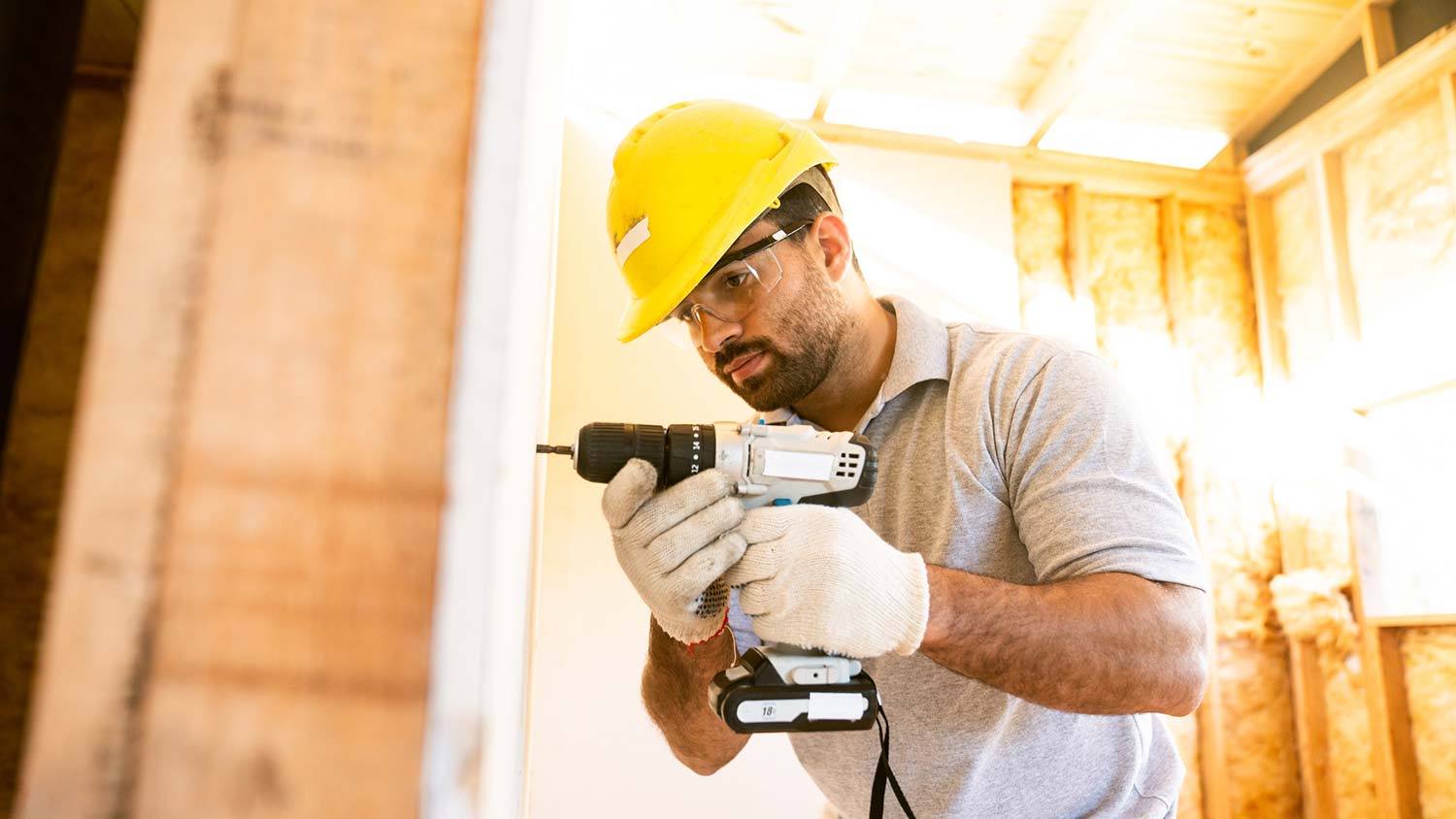
Both coarse and fine drywall screws are easy to install using a drill, as long as you’re using the appropriate screw based on what material you’re working with. It takes the same amount of time and effort to screw coarse drywall screws into wood studs as it does fine drywall screws into metal. You’ll have a harder time if you use coarse screws on metal or fine screws on wood.
However, because of the thinner, more brittle nature of fine drywall screws, they can be slightly more challenging to work with and are at risk of snapping. Just work slow and steady to minimize the risk, or leave this job to a local drywall installer.
Coarse screws tend to last longer because they have a more sturdy design. If you use coarse screws for wood studs, you’ll extend the life span of your drywall.
Cancelled appointment two hours after they were supposed to come for drywall work.
 Hutch And Sons Drywall Services
Cole has been handling plumbing and general contracting for our four properties over the past three years, and he’s always done a great job. Most recently, he installed a sink and countertop in our retail store where none existed before, and it turned out exactly how we needed. He’s...
 ANB Renovations LLC
I would recommend this company to anyone! He showed up on time, was friendly, completed a very difficult repair on our dryer vent cover, was responsive, and pricing was extremely fair and competitive. I would have him back to do any of our repairs or cleanings without hesitation!
 U.S.A. Dryer Vent, LLC
I cant stop admiring my newly painted walls. Custom Paint Jobs LLC made my house feel brand new.
 Custom Paint Jobs, LLC
Excellent experience with hiring Tether House to Mount our 77’ Samsung TV in our bedroom. Fast, friendly, and knowledgeable. Highly recommend.
 Tether House
Excellent customer service and knowledge. I was recommend to him from my neighbour. My front door and window came in great and were installed beautifully perfectly, I m very satisfied with their excellent work, so decided to order one more big bow window for my living room. I cant wait for...
 Window Depot USA of Central Ohio
Would hire again. Wall looks great. Happy with job.
 Central Paving
Involved an extensive bathroom remodel, including removing tub & installing walk in shower, new drywall, custome tile work to ceiling, plumbing, etc. Overall, job was done on time and on budget. Nick & his team were very professional and had high attention to detail. Quality was great. Highly...
 Stamos Flooring and Remodeling LLC
We have had a great experience with Rising Height for the past five years on a number of miscellaneous renovation projects. They laid flooring for us and had a very good sub do the finish. Installed drywall for a vaulted ceiling, finished an attic/loft with new subfloor, framing and drywall,...
 Rising Height Unlimited
Mr. Lopez was super nice and professional. He repaired our drywall just as he described during the estimate phase. Our dining room wall looks great again! Thanks Mr. Lopez!
From average costs to expert advice, get all the answers you need to get your job done.
What size drywall screws you should use depends on the thickness of your drywall and the stud material. This guide can help you choose the perfect match.
Confused about drywall screws versus wood screws? Learn their key differences, best uses, and which one to choose for your next project.
Before you dive into a drywall project, you’ll need to know how many screws to use per sheet of drywall. This guide will help you calculate the total number.
When you’re choosing between drywall nails and screws for a drywall project, definitely take durability, cost, and ease of installation into account.
Ready to tackle that drywall project? Use this handy guide to make sure you have all the right tools for drywall perfection before you get started.
The terms drywall and Sheetrock are often used interchangeably, but one is a brand and one is a specific product. Find out which one you need in this guide.