
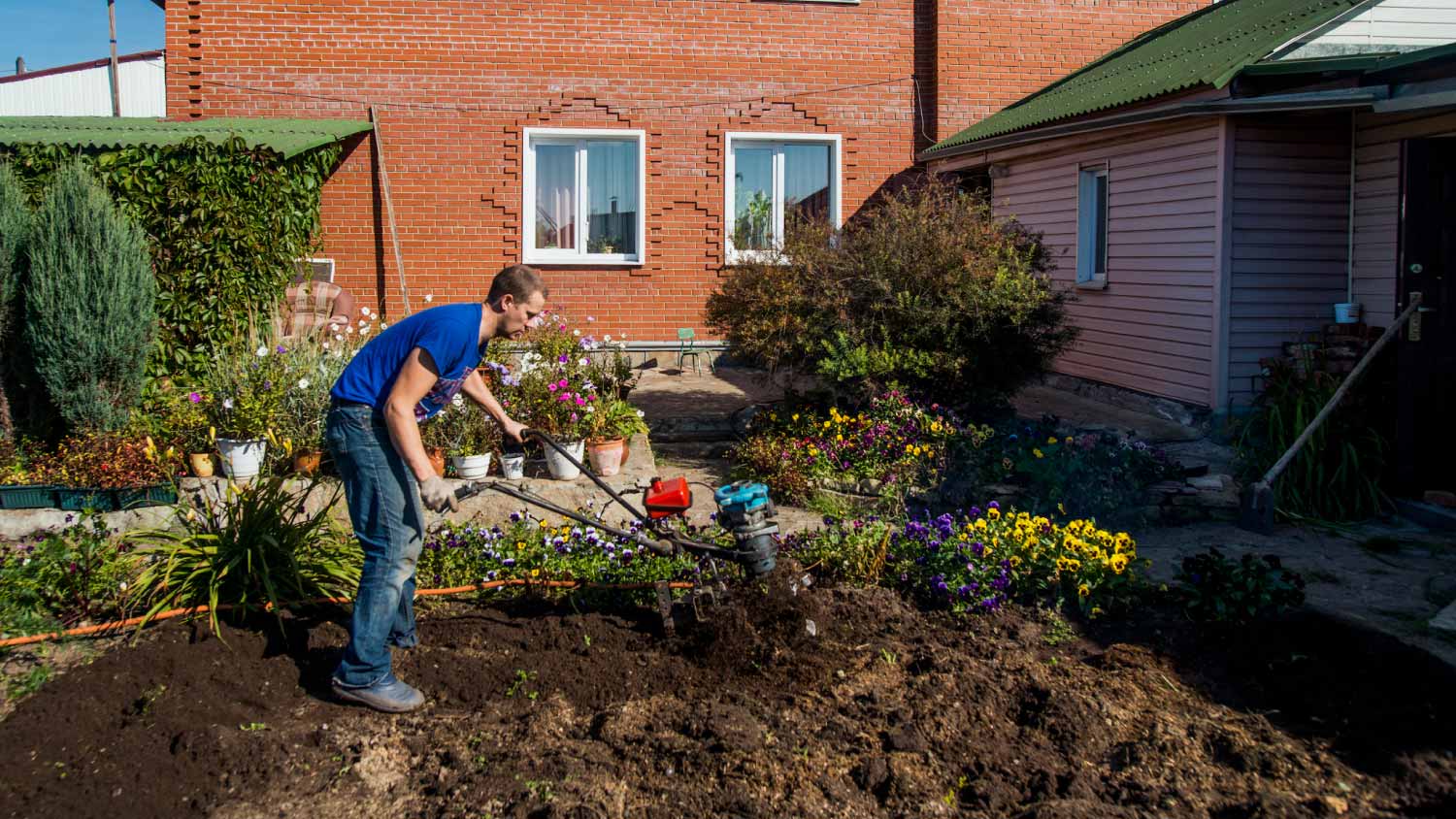
Rototilling a garden leads to well-cultivated, healthy soil. Here’s how to hire someone to till your garden and get you ready to plant.
For every season, till, till, till

A rototiller breaks up compacted soil with rotating blades, helping you work in compost or fertilizer while adding oxygen to support healthy plant growth.
Renting a rototiller costs $40 to $50 per day from hardware stores, letting you prepare garden beds without purchasing expensive equipment for occasional use.
Your soil needs light moisture before tilling, so check its texture by crumbling some between your fingers to confirm it's ready for the machine.
Hiring a local landscaping professional keeps you safe with heavy machinery and ensures your soil gets properly prepared for planting without underground utility risks.
The key to a lush garden is well-draining, nutritious soil—that’s where a rototiller can help. Rototillers break up compacted soil and help you add amendments like mulch, compost, and fertilizer. Here’s what you need to know about what rototillers are used for and how they can take your soil to the next level.
A rototiller will take the place of various manual gardening tools, such as hoes and spades, to break up soil and turn it over for fresh planting. Depending on its size, gasoline or electricity powers the rototiller. This tool breaks up soil using large, rotating blades.
Properly breaking up compacted soil is essential to your garden’s success. A tiller can help you work in compost or fertilizer, and the tilling process adds oxygen to the soil, boosting helpful organisms’ growth and ensuring your plants thrive. In addition, it can disrupt the lives of pest larvae living in the ground, preventing big outbreaks in your garden.
There’s no need to purchase a rototiller. You can rent one from a hardware store from $40 to $50 per day.
Though rototillers can help you grow a thriving garden with a fraction of the effort, you can’t use them in every situation. Some homeowners will only use a rototiller in specific areas of their garden and stick to manual tillers and spades in other areas. Avoid rototillers when:
You have a lot of rocks and debris: Rototillers can’t break through rocks or large debris like twigs and tree stumps, which can become a hazard to you and the machine. You’ll have to clear the land beforehand (professional land clearing costs about $120 to $150 per hour).
The soil is very wet or waterlogged: This can create chunks of compacted soil, especially if you have dense clay soil.
Weeds are taking over your garden: Tilling will help sow the seeds of existing weeds, meaning a small weed issue could become bigger. Weed your garden before you use a rototiller.
You’re inexperienced: Rototillers can be dangerous if you don’t know what you’re doing. If you don’t have experience, it’s best to call a landscaper near you to get the job done with their own equipment.
You haven’t called 811: Before using a rototiller, check for underground utilities by calling your local Dig Safe hotline.
When looking for a rototiller to landscape around your house and garden, the various terms can get confusing. Here’s a guide to decoding the different types of rototillers.
Cultivators are portable, lightweight, and ideal for smaller garden areas that simply need fertilizer worked in. They come in both gas-powered and electric models.
Garden tillers are much more robust machines that break ground, plow, and stir soil. There are three main types of garden tillers:
Front-tine: These are one step up from cultivators and can blend compost into and break the ground of new, small garden plots with sandy or loamy soil.
Rear-tine: Much more powerful than front-tine tillers, these are ideal for breaking ground on a new garden with tough soil. These rototillers have large wheels with tines in the back of the machine, often with choices for tines’ moving direction—forward, counter, or both. The tines’ ability to move in the opposite direction of the wheels allows the rototiller to penetrate the soil more deeply.
Vertical-tine: Less common than front- or rear-tine tillers, vertical-tine models cut forward through the soil rather than downward, making them faster.
| Depth | 4–10 inches | 6–11 inches |
| Tilling Width | 6–16 inches | 14–26 inches |
| Weeding | Yes | Not ideal |
| Breaking New Ground | Not ideal | Yes |
You may want to use a rototiller over manual tools for a few reasons, whether you want to loosen compacted soil or plant flowers in mulch. Here are some of the benefits:
Saves time and labor: Compared to manual tools, a rototiller helps you do the job faster, requiring a fraction of the labor.
High-quality work: Using a rototiller correctly should loosen soil or evenly mix in amendments compared to tilling by hand.
Saves costs: Rototillers are inexpensive to rent compared to labor costs. You can save on the cost of landscaping by doing this job DIY, but only if you’re comfortable using heavy machinery on your own. Rototillers can be dangerous if you don’t have experience.
The best way to use a rototiller depends on the type and the purpose. Since this is heavy machinery, hiring a landscaper is a good idea, especially if you’ve never used heavy machinery. If you decide to tackle this one on your own, you’ll need to:
Follow the manufacturer’s instructions to start your rototiller.
Set the blades to the correct depth. If your soil is compacted, set the blades to shallow and gradually go deeper.
Steer your rototiller in the correct direction.
Turn off the rototiller and clean the tines periodically throughout the job.
The rototiller will jump or bounce if it hits an obstruction like tree roots or rocks. Be careful when rototilling around trees, boulders, paver patios, and other hardscaping features.

Before you plug in this big piece of machinery, read our tips to ensure you complete the job correctly.
Pick up any debris, sticks, and rocks that could jam the rototiller or prevent you from completing the job efficiently. If you are tilling a lawn, remove the old sod using a sod cutter.
If the soil is dry, give it a little water to moisten it, but don’t overdo it. You don’t want it to be muddy, so start with a light sprinkling and check the texture. Work some soil between your fingers, and if it crumbles easily, begin tilling. If the soil clumps together, the soil is too wet.
Set the rototiller’s depth bar to four to six for leafy plants or 6 to 8 inches for deep-rooted plants. If the tiller has a guard over its tines, put the cover down so it doesn’t pull up rocks from the deeper parts of the soil.
Add soil additives like compost or fertilizer after one round of tilling, then till again to mix these materials into the soil. Consider testing the soil to confirm which soil additive will benefit your space the most.
After tilling in one direction (say, east to west), til in the opposite direction for best results (north to south).
Rake the area with the backside of a bow rake to smooth out the soil and prepare it for planting.
A rototiller is a heavy piece of machinery. Consider hiring a landscaper to prepare your soil so you can save time and energy for other home improvement projects.
You probably don’t need to till your soil yearly. Tilling too often can disturb beneficial worms and microorganisms in the soil. Only use a rototiller when you need to break up compacted soil to prepare it for a new garden or work soil additives into the earth.
C.E. Larusso contributed to this piece.
I had FabClean 614 clean my apartment, and she did an outstanding job. She was so professional and efficient. My apartment looks absolutely spotless every surface, every corner, all cleaned to perfection. Definitely highly recommend FabClean 614 if you're looking for top-notch cleaning...
 Fab Clean 614
Cole has been handling plumbing and general contracting for our four properties over the past three years, and he’s always done a great job. Most recently, he installed a sink and countertop in our retail store where none existed before, and it turned out exactly how we needed. He’s...
 ANB Renovations LLC
This company is my go to resource for all my post renovation clean ups. They get the place spotless! All we have to do after is stage the place and sell, sell, sell! They are super professional and have some amazing scent that is left in every property. I highly recommend!
 The Royal Sanitation Group
Our office has a new lease on life, thanks to Custom Paint Jobs LLC. Outstanding work!
 Custom Paint Jobs, LLC
Window Depot did an amazing job on my deck. I wasnt sure what I wanted to do, but their composite decking was affordable and will last a long time. I am excited to have family over, and I am no longer embarrassed by my backyard. Jeff and the ground crew were polite, respectful, and caring for...
 Window Depot USA of Central Ohio
Storms Mobile Welding was great to work with. They were prompt, professional and did an overall excellent job on the project. I highly recommend.
Excellent experience! Left my place looking great. Friendly customer service too. Would recommend!
Great job...edging and pre clean up went well with a great job with seal coat. Friendly, efficient and professional.
 All Star Paving and Sealing
It was wonderful working with Yordy and his team. They were very professional and are experts in what they do. They have completed the work on time, with better quality and with in fairly reasonable price. We just started with backsplash work , but liking his work, we went on to provide...
 Flooring Solutions
Did an amazing job transforming my yard. Also installed sod in places, would recommend to everyone.
 Cardinal Landscaping & Construction LLC
From average costs to expert advice, get all the answers you need to get your job done.
Rototilling a garden leads to well-cultivated, healthy soil. Here’s how to hire someone to till your garden and get you ready to plant.
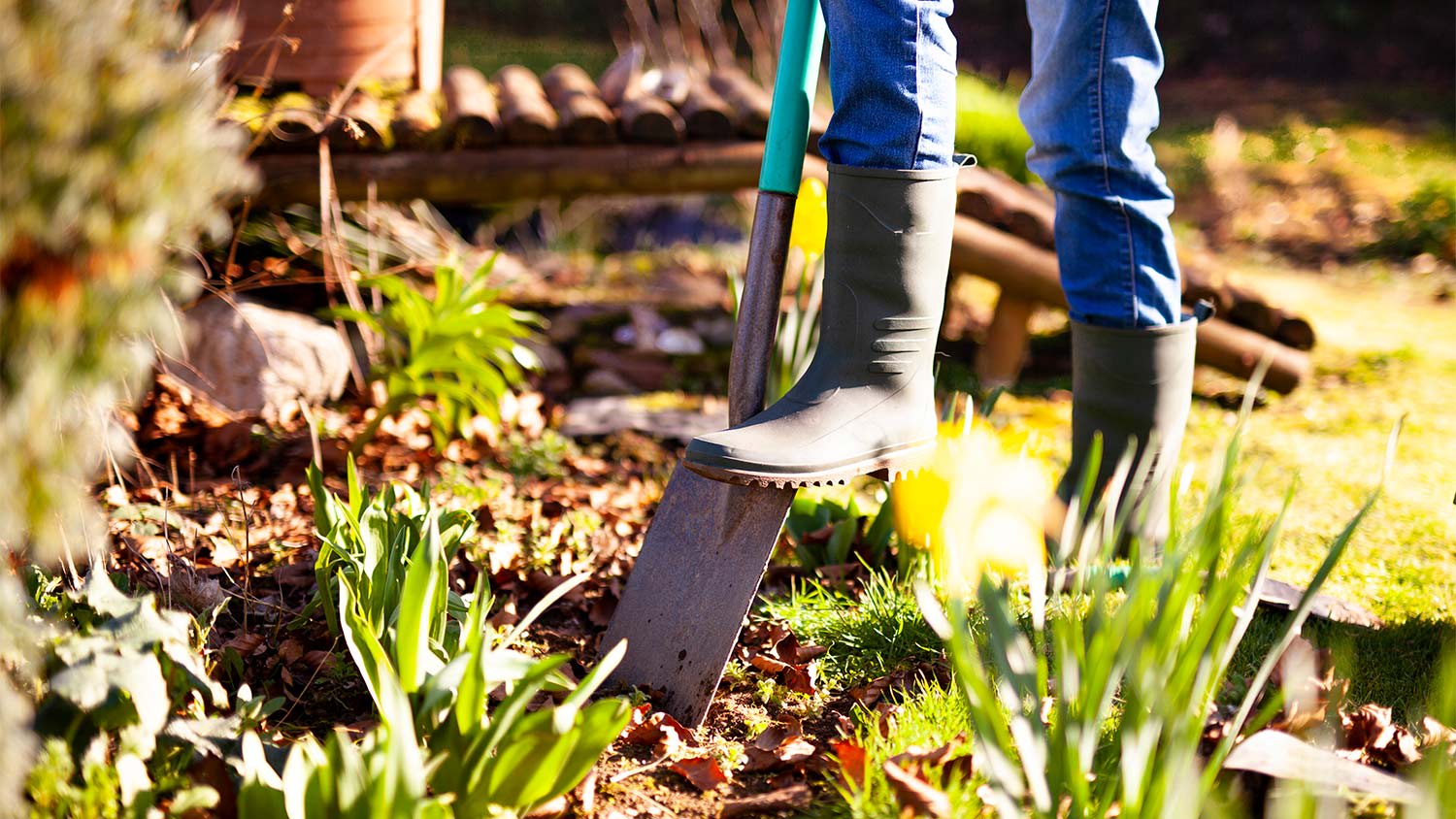
Although spring is the prime growing season, it’s not the best time to start all plants. To learn which types are better suited for planting in the fall or summer, read on.
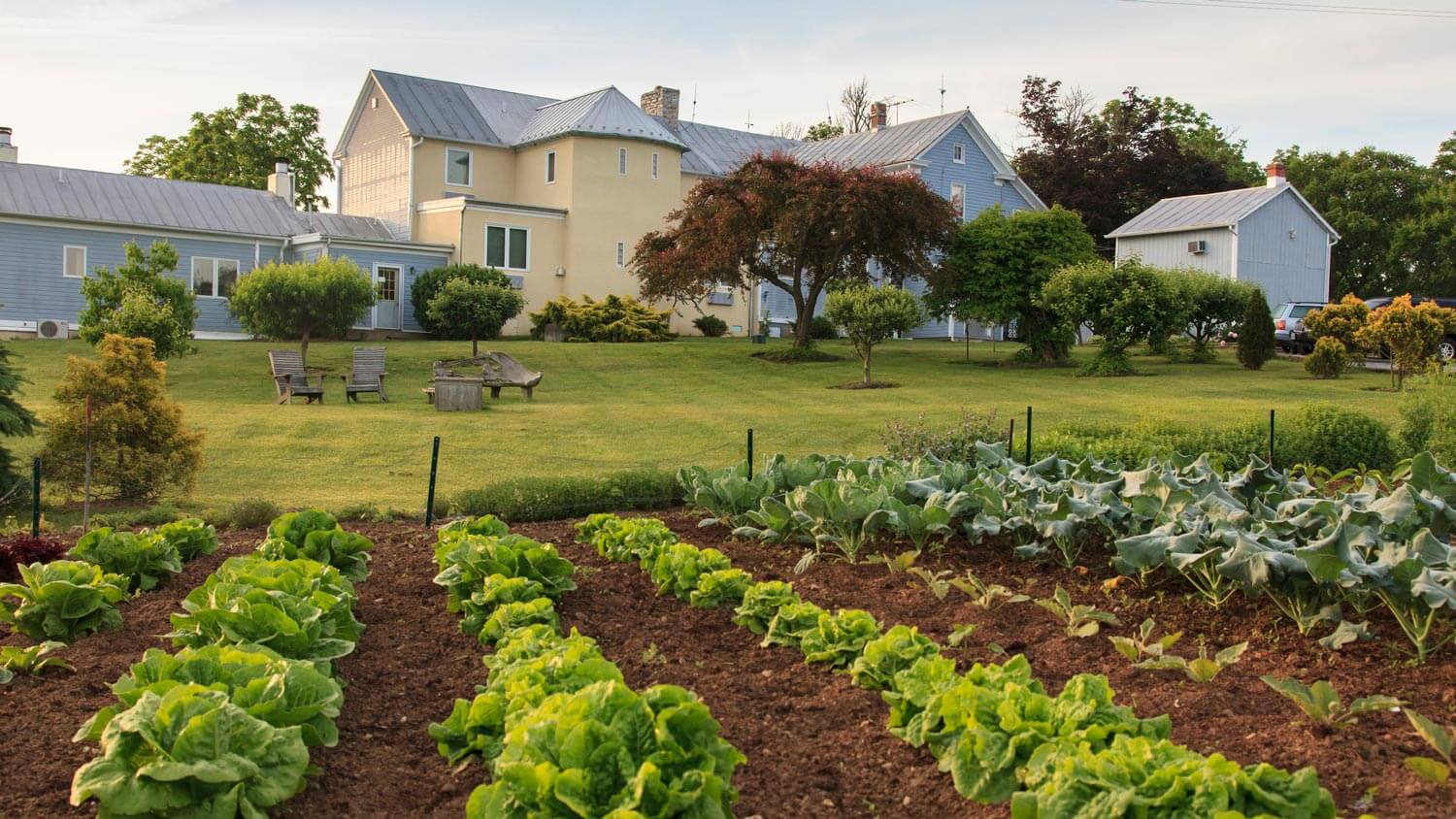
Does a broken rototiller have your head spinning? Get the dirt on how to diagnose and repair common garden tiller trouble.
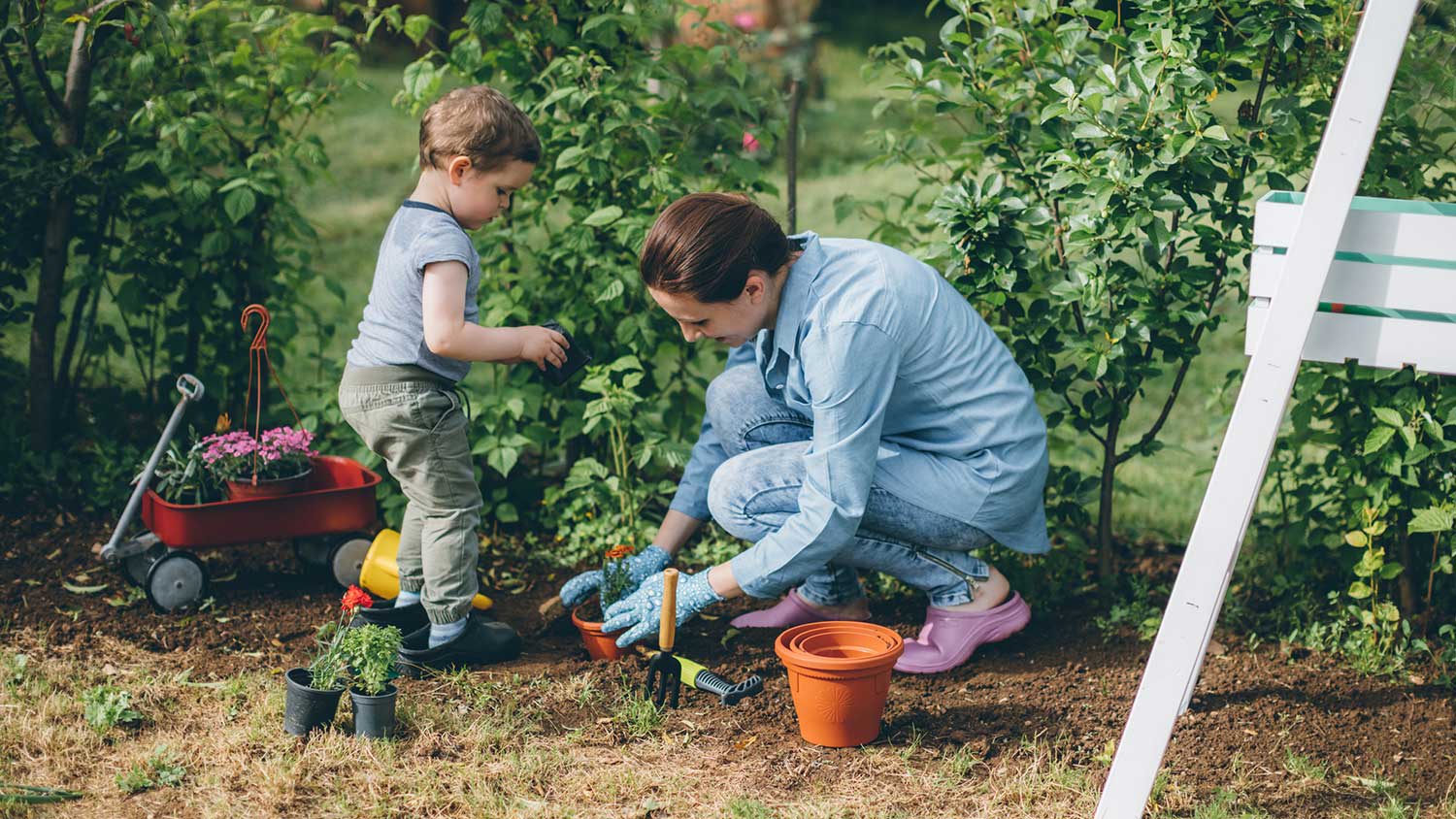
When should you plant spring flowers? Learn the best planting times for daffodils, tulips, and more, depending on soil temperature and conditions.
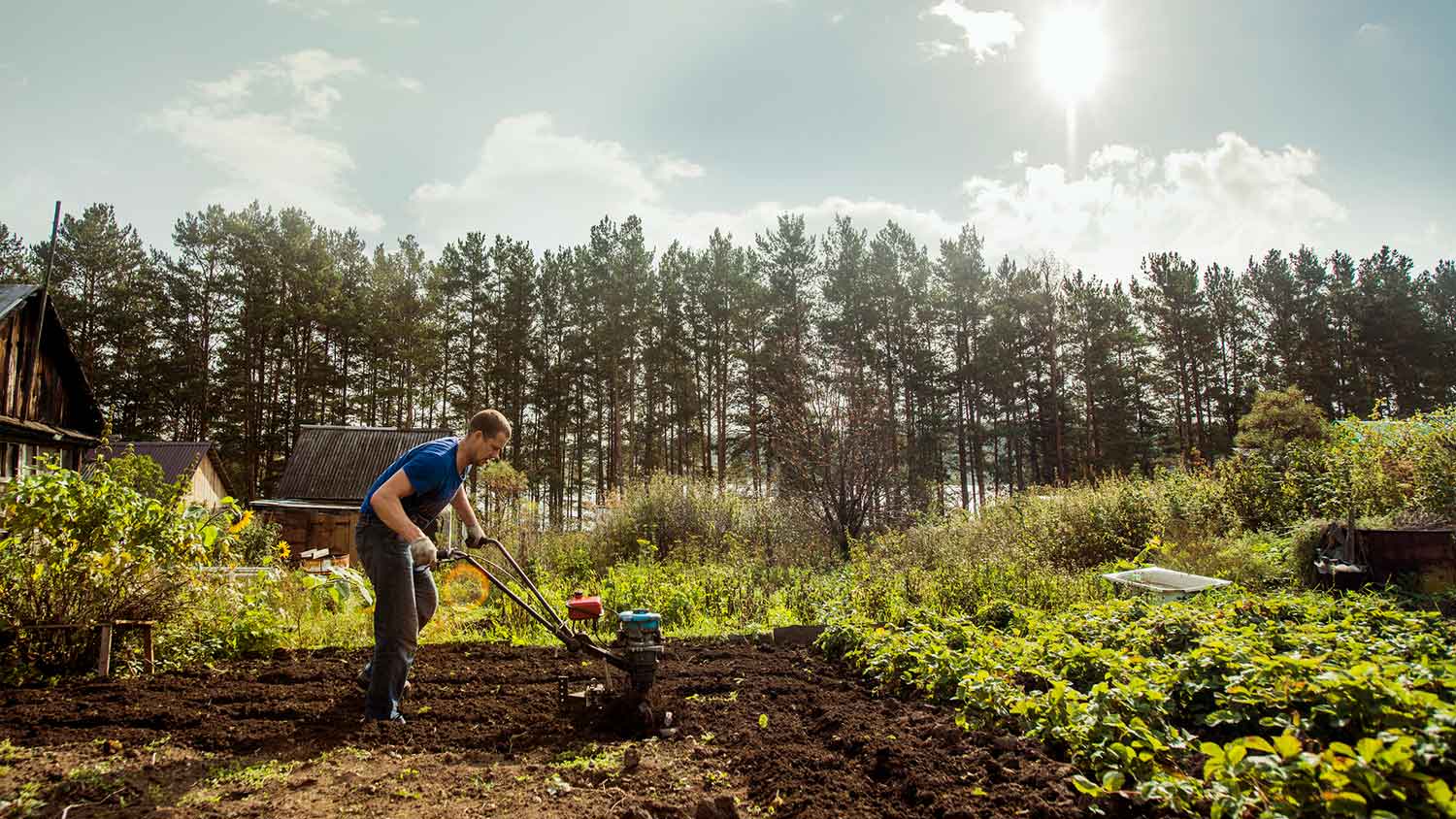
What is a garden tiller? Tilling is crucial for a healthy, aerated soil structure, but what exactly are tillers and how and when do you use one? Keep reading!
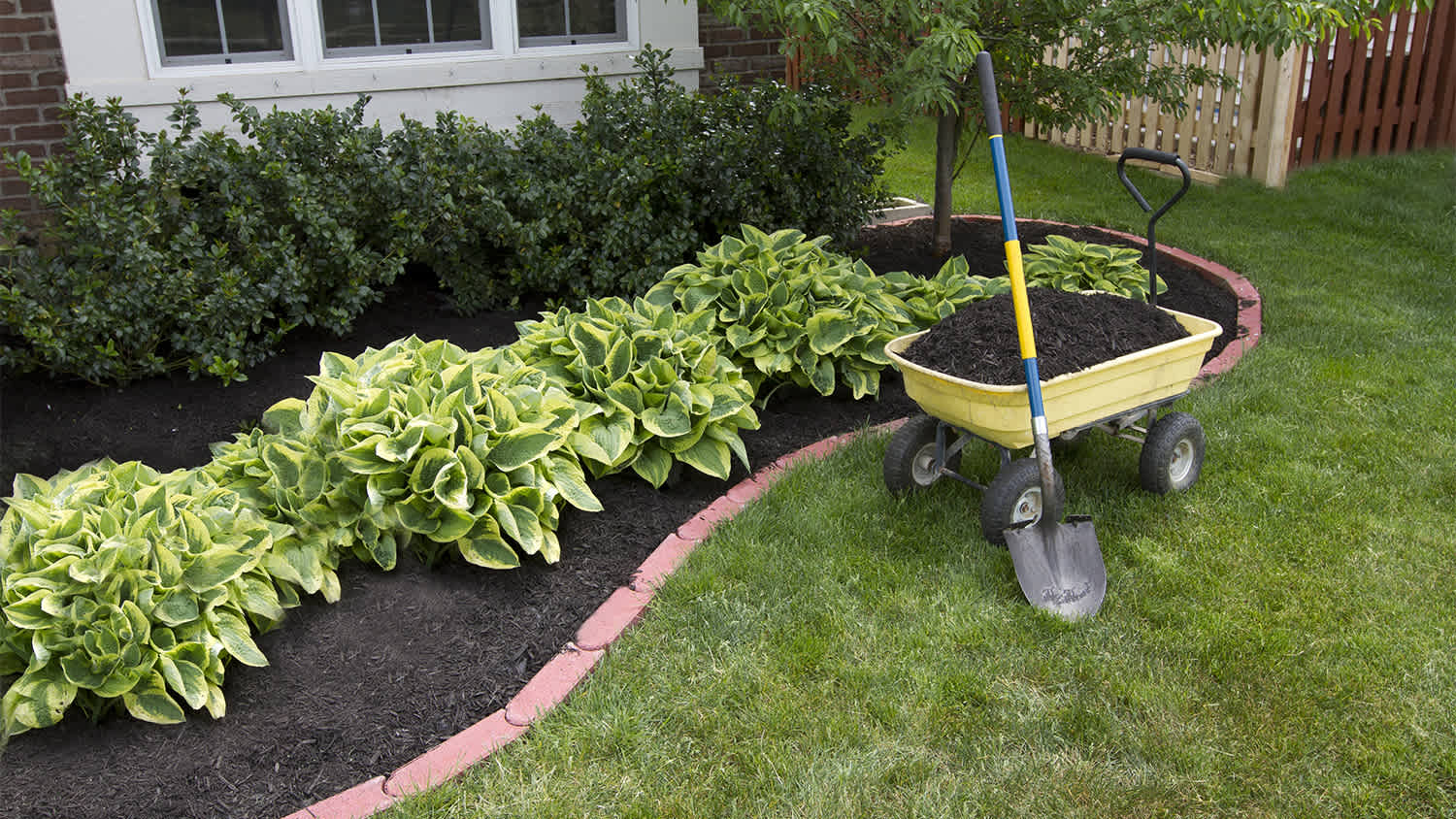
Not thinking about your landscaping project just yet? We’re here to plant a seed and get things going. Learn why now is the perfect time to spring into action.