

If your circuit breaker keeps tripping when you use the toaster or coffee maker, learn why it’s happening and how to fix it.
Uncover the causes and effects of a ground fault

A ground fault means electricity travels unexpectedly from your live circuit to the ground, often when a hot wire contacts a grounded component or wire.
Water damage to your electrical box or outlets creates dangerous ground fault conditions, especially when moisture reaches wiring or connections behind walls.
You should unplug all appliances from the affected circuit first, then reset your breaker to identify which device is causing the problem.
Hiring a local electrical professional provides expert diagnosis of ground faults and ensures your wiring, outlets, and circuit breakers stay safe and code-compliant.
If you’re scratching your head wondering, “What is a ground fault?” then you’re in the right place. It’s important to understand the causes and source of a ground fault so that you can prepare for them properly. Luckily, our guide will help you identify and manage this abnormal flow of electricity.
A ground fault is when electricity from a live circuit, like an outlet or a light fixture, travels to the ground accidentally. For this type of fault to happen, a live or hot wire makes contact with a ground wire or with a part of an appliance that is making contact with the ground, usually through a metal frame. Electricians may define ground faults slightly differently, as a situation where a hot wire comes in contact with the grounding wire or a grounded part of the system.
In rare circumstances, a person can act as the path of least resistance to the ground, causing electrical shock. Electricity will then flow without resistance to the ground, causing your circuit breaker to pop.
A ground fault can be caused by various types of damage or wear to your home’s electrical system or a device that’s plugged into the system. Some common causes for this type of electrical danger are:
Damage or wear to an appliance
Water damage to the electrical box or outlets in your home
Wear to the insulation on your home’s wiring
Loose wire within an outlet or a loose connection in a light switch
Damage from pests
Improperly installed wiring
Looking for the cause of your home’s ground fault? If you think an appliance is causing a ground fault, the first thing to do is to unplug everything from the outlets connected to the circuit with the tripped breaker. If any of your appliances show obvious signs of wear, that’s likely your culprit, but sometimes it’s difficult to see interior damage.
If once everything is unplugged and switched off, the breaker still trips, the problem is likely within the electrical wiring itself. You should leave the breaker in the “off” position and check the outlets and switches to see if those have any loose wires or other damage. If the breaker stays on with everything unplugged, try plugging appliances in one at a time until you find the one causing the breaker to trip.

If you locate the problem with a specific appliance, outlet, switch, or fixture, you should be able to reset the circuit breaker once the appliance is unplugged or the switch or fixture is replaced.
However, if all of the appliances are unplugged and your breaker is still tripping, you could have a more serious problem with your electrical system. A recurring ground fault that repeatedly trips the circuit breaker can be dangerous and cause other issues in your home, so you should hire a professional electrician near you to address it as soon as possible. While it’s possible to DIY ground fault fixes like resetting the circuit breaker, you should leave all major electrical diagnoses and fixes to a licensed electrician.
Now that you know what causes a ground fault, it’s time to put household measures in place to prevent one from occurring. Follow these prevention methods for best results:
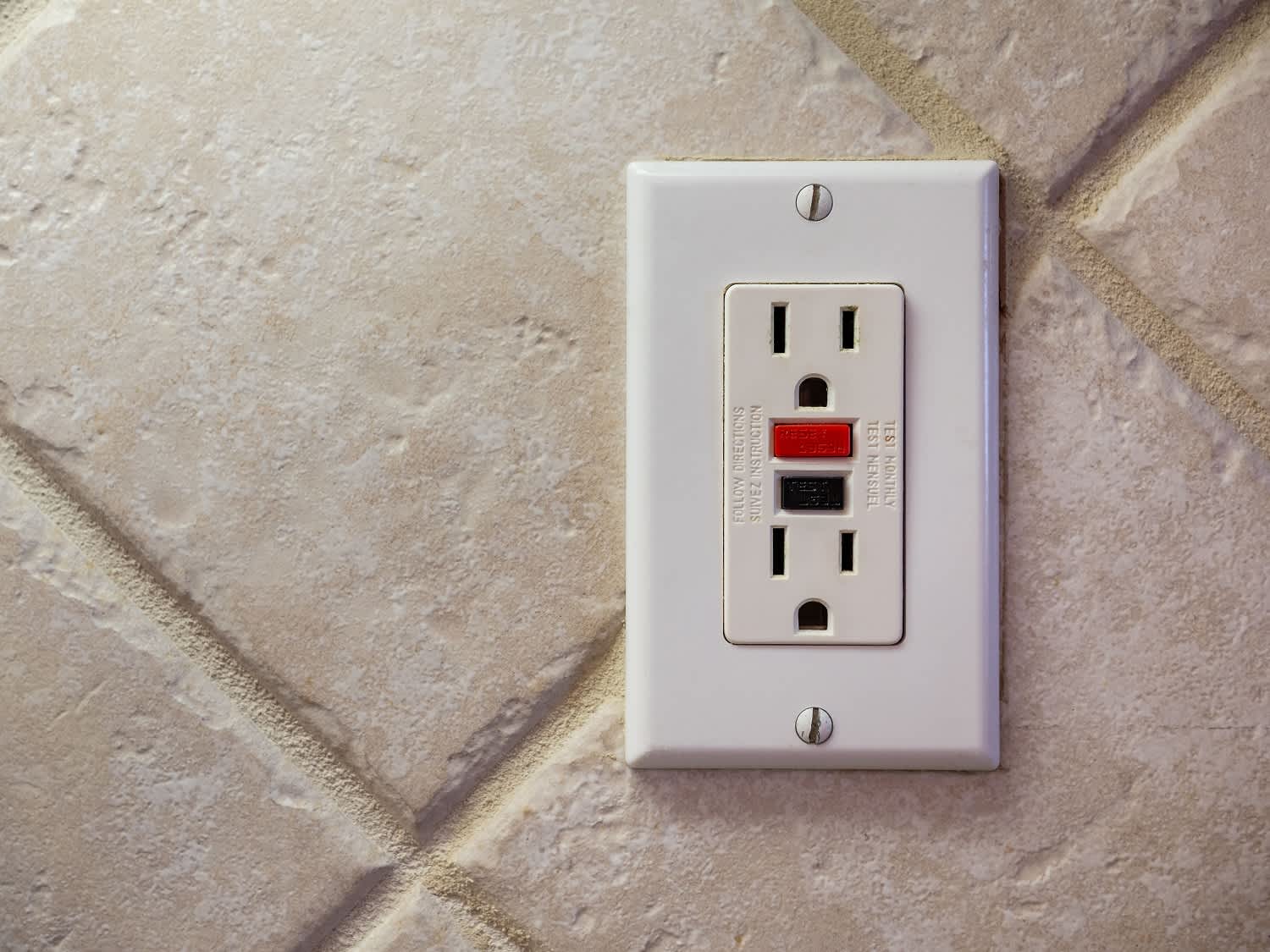
Install GFCI outlets: You should use ground fault circuit interrupter (GFCI) outlets to protect your home from ground faults, especially in areas that might come in contact with water, like kitchens and bathrooms.
Test ground fault equipment: If you want to ensure your home is protected from ground faults, consider hiring a professional electrician to inspect and test your ground fault equipment.
Inspect appliances and wiring frequently: Staying vigilant for loose wires, water damage, and faulty appliances can help you prevent a ground fault and maintain a safe home.
I recently had Mosby Electric perform an electrical installation on 8-14-2026, and I couldn’t be more satisfied with the service. From the moment I called, their team demonstrated fast arrival and professionalism. The electricians were highly knowledgeable, completing the installation...
 Mosby Electric
Great company! Price was competitive, technician showed up on time and completed the job (exterior electric Radon fan replacement) quickly. Would hire them again.
 MaGen Property Inspections and Radon Mitigation
I conferred with 2 other contractors before Armstrong Electric. Nick and his crew showed me that the project was not as convoluted as the other contractors made it appear to be. They completed the entire project on time. They were professional, friendly and cleaned up after at completion. I...
 ARMSTRONG ELECTRIC, LLC
The techs on my project, Shawn and Cliff, were great. They were prompt, courteous, and efficient. I am very happy with the results and would definitely contact Mr. Electric for any future electrical projects.
 Mr. Electric of Columbus
Victor was wonderful. He was on time, professional, and explained everything he was doing. He was thorough and figured out that the problem was electrical instead of with my HVAC system. Very knowledgeable. I will be using this company in the future for any HVAC needs. Thanks!
 Hubbs Heating & Air LLC
They were excellent. They did a great job. I was totally satisfied. They put tremendous effort in making sure the work was completed. They were great. They provided immediate response to any inquires I made. I would hire them again. I would recommend them to anyone who needs electrical work....
 JCB & Associates, LLC DBA Property-Tech Industries
Initially, the repairman could not find the problem. Apparently, there was some electrical shortage, but he could not find the definite problem. He left, but called back later to say he had a new idea. He returned and replaced the light switches on the doors. The refrigerator seemed to return...
 Appliance Pro LLC
The initial quoted price from a walk-through seemed high, but we discussed that the quote represented worst case scenario (re-wiring to two floors) and we were excited about the opportunity to have the work done in a timely manner with closing for fire safety reasons, etc. When the job was...
I have to tell you I am all about customer service - I will go out of my way and even pay more for it if you give me great customer service. <br> <br>In a world where this is hard to find, these guys were awesome! I can not sing their praises enough. They were prompt, personable, funny, got...
 Waibel Electric
When I challenged the markup on the generator, Bruder Electric withdrew its bid. They only want naïve customers.
From average costs to expert advice, get all the answers you need to get your job done.
If your circuit breaker keeps tripping when you use the toaster or coffee maker, learn why it’s happening and how to fix it.

It can be difficult to tell where the neutral or ground wires are located in your breaker box. Here’s what you need to know about your breaker box wiring.

A blown fuse or tripped circuit can create many electrical problems in your home. Learn how to tell if a fuse is blown, what caused it, and what to do about it.

What does a ground wire do? During a power surge, the ground wire lets excess energy safely exit your home and go into the ground, keeping you safe.
If you want to upgrade outdated outlets, you may be wondering if you can replace ungrounded outlets with GFCI outlets. Keep reading to find out.

Grounding vs. bonding explained: understand their roles, locations, and how they keep electrical systems safe.