

Is your driveway totaled? The price of repaving your driveway can save you from repair and resurfacing costs that are no longer worth the investment.
With culverts, it’s all water under the bridge

A culvert definition explains these tunnels built beneath roads or railways to channel water safely underneath, preventing flooding and erosion while vehicles pass overhead.
Culvert types include pipe, arch, pipe arch, and box designs, and your project needs the right type based on water flow, roadway height, and landscape.
Culvert materials like concrete, steel, aluminum, and plastic each offer different strengths, and you need materials that support heavy loads while resisting water corrosion and erosion.
Hiring a local excavating professional provides reliable support for culvert repairs and installations, keeping water flowing properly and protecting your property from flooding and erosion damage.
You’re driving along a scenic, hilly landscape when you notice what looks like a concrete bridge along a ditch.You might wonder what these strange little tunnels are. They’ve called culverts and they’re designed to keep you safe on your travels. Whether you’re just curious about these structures or you need to hire a professional excavator to repair a culvert that diverts water onto your property, here’s what to know.
A culvert is a type of tunnel that is built beneath a road or railway to allow water to flow below these paths, rather than on them. Culverts may also be used to protect cables that run from one side of a roadway or railroad to another. These structures act as little bridges enclosed in soil that prevent water from flooding pathways while also allowing vehicles to pass overhead. These tunnels keep motorists safe and help maintain roads for longer by minimizing erosion.

There’s no one-size-fits-all solution when it comes to culverts. Each landscape can differ slightly based on the height of the roadway, the water surface elevation, the direction of water flow, and more, which means engineers may need to consider several different factors to choose the best type of culvert for a project.
One of the most common types of culverts is the pipe culvert, which have one or multiple round tunnels and typically range in diameter from about 3 feet to over 19 feet. Pipe culverts are useful for small or large water flows.
Arch culverts are similar to pipe culverts, except instead of being perfectly round tunnels, these structures have a floor or base, and the upper part resembles semi-circles. These are best suited for narrow projects, but they can be expensive to build.
Pipe arch culverts do not have a base or floor like arch culverts, but they are similar in appearance with a semi-circle shape. This type of culvert is ideal for large water flows and even allows fish or water debris to pass through with ease.
For lower water flows and slower traffic locations, box culverts can provide a flooding solution. These culverts have corners and a rectangular shape, so this design doesn’t work well for roadways with vehicles traveling at higher speeds each way. However, box culverts do effectively help drain rainwater in wet seasons, and during dry spells, wildlife can easily pass safely through the culvert rather than over roadways.
Culverts need to be strong. They might need to carry the weight of multiple vehicles, pedestrians, or trains, and should be able to withstand erosion, so engineers use sturdy, long-lasting materials to build culverts. Common materials for culverts include metals, like steel or aluminum, concrete, or even plastic, or a composite of different materials.
Concrete is the most common material for culverts, because it is strong enough to support heavy vehicles, plus it is less expensive than steel and is quick to install. Even if a culvert has metal tunnels, they may be surrounded by a concrete headwall to further reduce erosion and stabilize the culvert.
Steel offers support for large weight loads while also being pretty resistant to corrosion from water. Steel can also offer flexibility in shape and design to suit various different projects.
Structural steel plate: This type of steel is useful for box or arch culverts. It is highly corrosion-resistant and strong for heavy loads.
Corrugated steel pipe: Flexible corrugated steel pipes work well for rounded pipe culverts.
Aluminum is sometimes used for box culverts, and its primary benefit is that this is a lightweight material that doesn’t sacrifice strength. It works best for small culverts, and aluminum is typically quick and easy to install.
Culverts need to withstand the elements, particularly water, and plastic, specifically high-density polyethylene (HDPE) is good for doing just that. This material is strong, so it can support heavy loads above while also withstanding corrosion or erosion from water flowing through. HDPE is also highly resistant to impact and pest damage. Plastic is flexible and works well for rounded pipe culverts.
Culverts help prevent flooding and related erosion, and you’ve probably seen many culverts if you live in a particularly hilly location. These structures help water flow below roadways or railways rather than the water rising over the roadway. Some culverts also help protect electrical cables that need to run from one side of a roadway or railway to another.
To minimize flooding over important pathways, culverts are installed under roadways or railroad tracks. As such, culverts need to be strong enough to support heavy vehicles. When constructed under roadways, culverts should be placed perpendicular to the road. Culverts should help water flow efficiently, and they should be designed in a way that doesn’t disturb wildlife crossings.
Cody did a great job!
 Itzelpainting
Wonderful. I am going to have them remove and replace my driveway in the spring.
 All Star Paving and Sealing
We had a 20+ year old landscape lighting system that needed replacement. Midwest Lightscapes worked with us to design a much improved lighting system, lighting the exterior of the house and the back yard. Installation of the 45 light system took one and one-half days, and went very smoothly....
 Midwest Lightscapes
Did an amazing job transforming my yard. Also installed sod in places, would recommend to everyone.
 Cardinal Landscaping & Construction LLC
Always been satisfied with the service work and how they have taken care of my pool.
Bill Gerhardt sold the company to his employees at the end of 2019, apparently without a workable succession plan and without notifying prospective customers of this fact. Most aspects of the maintenance contract have not been fulfilled: no installation of anual plantings per contract, no...
They show up and they did take us on as a client which seems to be a problem with other lawn care providers. We have multiple properties and this one was located close to downtown and no one really wants to mess with it.
I was very happy with the service provided by AK Irrigation. They responded quickly to my email, and the woman I spoke with was polite and professional. I was able to get an appointment that same week. <br /> The technician (Tyler) arrived on time. He was very knowledgeable, and worked...
 AK Irrigation
The worker came out when he was supposed to come. He informed me he would honor the Angie's List deal, but would not do any more work for me since my son in law owns lawn care company as well, even though they do not do the same type of work. He said he did not feel comfortable giving me...
 Bello Giardino LLC
E & L Lawn Care was super. They were very responsive before and after service. They were efficient and were able to complete the job within 1 day. I have had concern about one section of sod - the owner was pro-active and did a visit to evaluate. I have no doubt they will stand behind...
 E&L lawn care
From average costs to expert advice, get all the answers you need to get your job done.
Is your driveway totaled? The price of repaving your driveway can save you from repair and resurfacing costs that are no longer worth the investment.
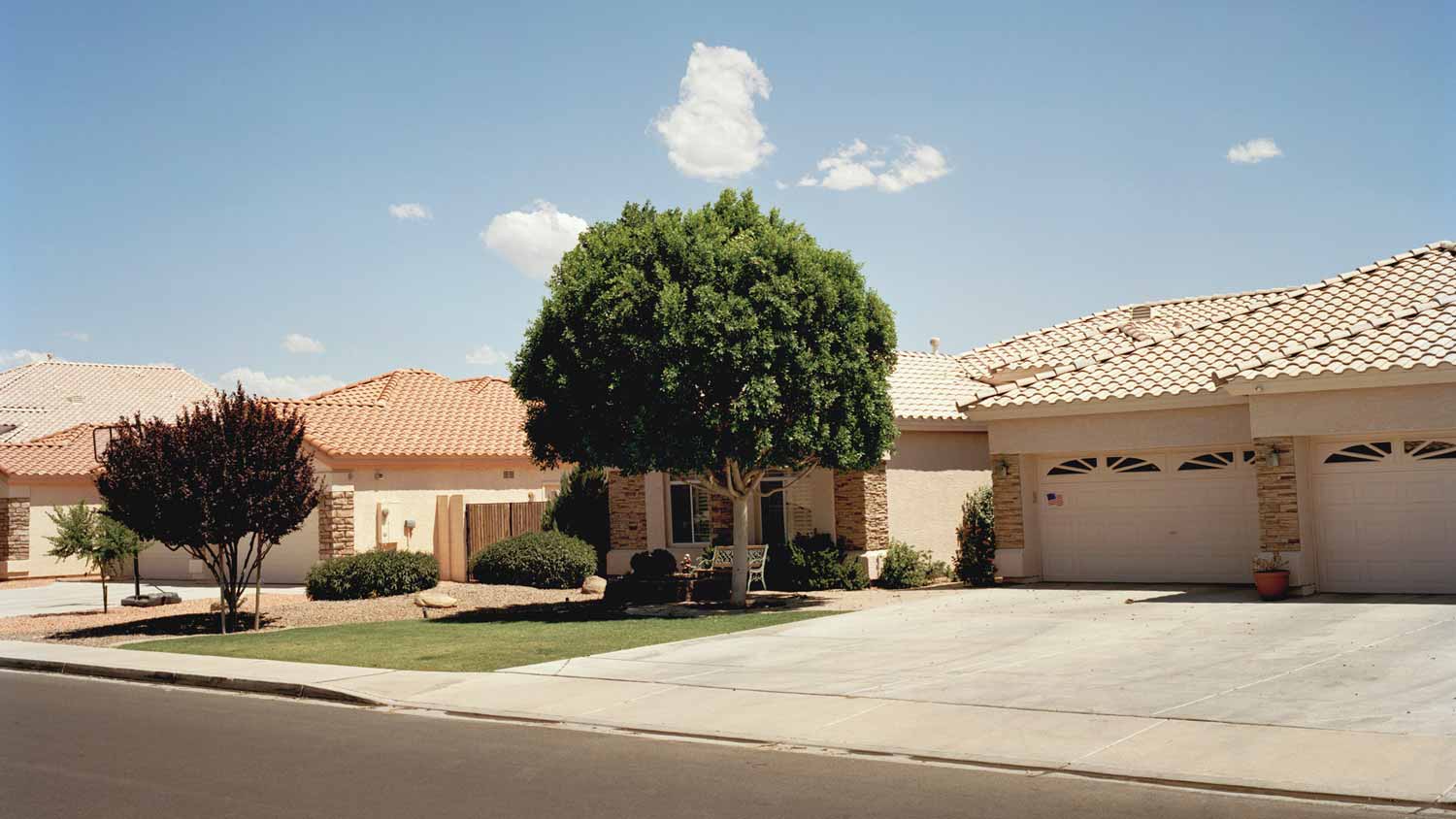
When designing a driveway, it's crucial to know the cost of your driveway apron—the transitional ramp that connects you to the road. Here's what to know.

Don’t knock it until you try it. A heated driveway can save you a lot of manual labor in colder months. Here’s a breakdown of the cost of a heated driveway.

If your culvert pipe needs fixing, you may not know who to hire to solve the problem. Read this guide to find out which professionals can do the work and save the day.

If your culvert causes flooding and property damage, it’s time for a new one. Learn how you can replace your culvert with five easy-to-follow tips.

Pooling water can deteriorate your driveway faster while negatively impacting the landscape. Use this guide to explore drainage solutions to keep your driveway in great shape.