
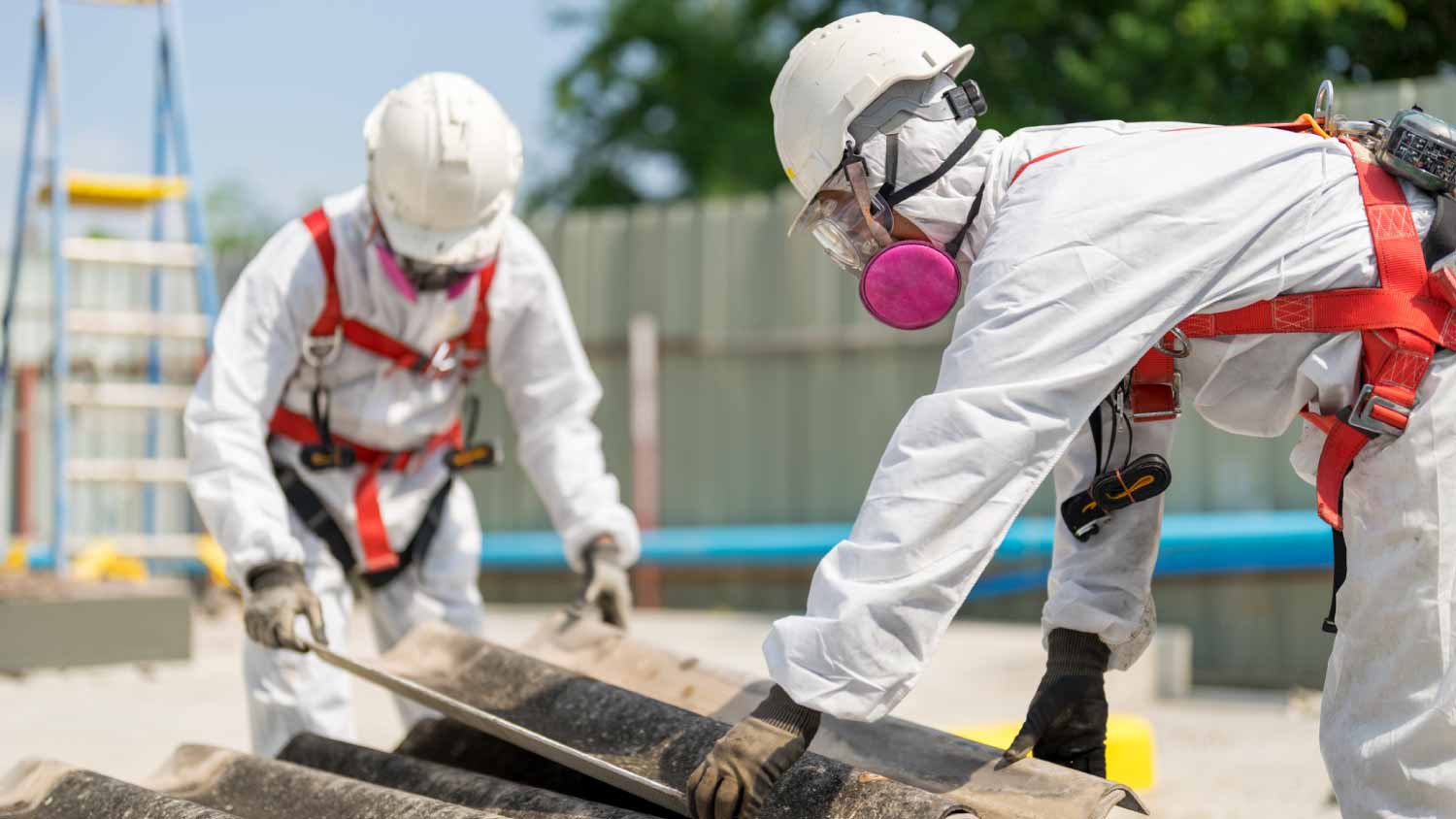
EPA asbestos regulations announced on March 18 ban the last type of asbestos still used in the United States. Here’s what to know.
The dangers of chrysotile aren't worth the risk

Chrysotile asbestos poses serious respiratory health risks when you breathe in its microscopic fibers, causing asbestosis, lung cancer, and mesothelioma decades after exposure.
Typical costs range from $1,192 to $3,240 for professional asbestos removal, so addressing your chrysotile concerns early helps protect your home and budget.
White asbestos appears in older ceiling tiles, cement products, flooring materials, insulation boards, and roofing materials, requiring careful identification before any renovation work begins.
Hiring a local asbestos abatement professional provides reliable help with safe removal and proper disposal, keeping your family protected during renovation or demolition projects.
Chrysotile has historically played a significant role in the building industry. From roofing and insulation to flooring and cement products, chrysotile boasts unique properties that have contributed to the durability and resilience of countless structures. However, as research has developed to further an understanding of its health implications, questions arise about the safety of its use. To learn what is chrysotile and its uses today, read on for everything you need to know.
Chrysotile, commonly known as white asbestos, is a fibrous mineral and one of the six types of asbestos, but the sole form of asbestos in the serpentine group of minerals. It boasts properties such as high tensile strength, flexibility, and resistance to heat and chemicals, which once made it a popular choice in construction materials.
Despite its popularity, inhaling its microscopic fibers poses significant health risks, including asbestosis and lung cancer. As a result, many countries have imposed strict regulations or bans on the use of chrysotile in construction. As more people become aware of these dangers, there are concerted efforts to adopt safer and asbestos-free alternatives in the construction industry.
Chrysotile was once an attractive option for building materials. However, its use has significantly declined due to the associated health risks.
The following are key properties of chrysotile:
Structure: Chrysotile consists of thin, spiral fibers that allow for effortless separation. These unique fibers contribute to its sturdiness, rendering it an ideal choice for reinforcing diverse materials.
Flexibility: Chrysotile fibers possess remarkable flexibility that enables them to be seamlessly integrated into diverse materials without substantially altering the suppleness of the end product.
Insulation: The fibrous structure of chrysotile provided excellent thermal and acoustic insulation, which was often used in ceiling tiles or other insulating products.
Heat Resistant: Renowned for its ability to withstand extreme temperatures, Chrysotile was a highly sought-after option in heat-resistant materials. It was often used in construction for roofing materials and fire-resistant insulation.
Strength: With its exceptional tensile strength, chrysotile can withstand even the most strenuous pulling and stretching forces without any risk of fracturing. It became a highly prized material in the reinforcement of cement and plastic components.

Chrysotile has been historically used in various building materials due to its once-desirable properties. It's important to note that the use of chrysotile in building materials has significantly declined due to growing awareness of the health risks associated with asbestos exposure.
Some of the common applications of chrysotile in the construction industry include:
Ceiling Tiles: The fibrous nature of Chrysotile was frequently used in the creation of acoustic ceiling tiles, resulting in tiles that were well-insulated and fire-resistant.
Cement Products: Asbestos-cement products like pipes, sheets, and boards were often made by blending Chrysotile with cement. This combination increased durability and protection against fire, chemicals, and natural wear and tear.
Flooring Materials: Chrysotile was present in certain vinyl floor tiles and sheet flooring products, as its exceptional strength and flexibility were leveraged to improve overall durability. In some homes, black mastic, another asbestos-producing material, may have also been used during installation.
Insulation Products: Due to its ability to resist high temperatures, chrysotile was a popular choice for insulating materials, such as thermal insulation boards and pipe insulation. Additionally, its flexible nature enabled it to be easily integrated into various forms of insulation.
Roofing Materials: Roofing materials were frequently reinforced with Chrysotile fibers, which contributed to their durability and strength. Asbestos-cement sheets, tiles, and shingles were used to offer increased weather resistance and a longer lifespan.
The use of chrysotile in building materials has sparked significant concern regarding the possible hazards associated with asbestos exposure. As a result, it is of utmost importance to observe appropriate safety measures when handling materials that contain chrysotile, such as during renovation, construction, or demolition projects. Hiring a qualified asbestos abatement professional guarantees the secure handling and eradication of asbestos-containing materials, and ensures the health and safety of all involved. Asbestos removal costs range between $1,192 and $3,240.
Below are some health risks associated with chrysotile:
Respiratory Health: Breathing in chrysotile fibers that are floating in the air is a hazardous threat to the well-being of the respiratory system. The minute fibers can attach themselves to the lungs and result in numerous respiratory illnesses, including asbestosis, lung cancer, and mesothelioma. Often, the signs of these illnesses don't surface for several years or even decades after the exposure has occurred.
Asbestosis: Continued exposure to chrysotile can lead to asbestosis, which is a persistent respiratory illness characterized by inflammation and scarring of lung tissue. The symptoms of asbestosis include gradual breathing difficulty, persistent coughing, and chest discomfort.
Lung Cancer: Exposure to chrysotile has been established as a significant contributor to the development of lung cancer. People who have had professional contact with asbestos-laden substances, particularly those employed in the construction industry, face a higher probability of contracting the disease.
Mesothelioma: Chrysotile exposure is identified as a major contributor to mesothelioma, a malignant and uncommon form of cancer that affects the lining of the internal organs, such as the lungs or abdomen. The correlation between asbestos exposure and mesothelioma is well-documented, with chrysotile specifically recognized as one of the asbestos variants associated with its onset.
Federal agencies govern the use of chrysotile and other asbestos-containing materials in the United States. It should be noted that although federal regulations exist, individual states may have their own regulations that can be stricter than federal requirements. The objective of asbestos-related regulations is to safeguard both the public and workers from the recognized health risks associated with exposure to chrysotile and other asbestos fibers.
The federal government has enacted several laws to safeguard individuals from the hazards of asbestos exposure. The Clean Air Act (CAA) grants the Environmental Protection Agency (EPA) the power to regulate air pollution, with specific provisions such as the Asbestos National Emission Standards for Hazardous Air Pollutants (NESHAP) established to minimize asbestos fibers' release into the air during activities such as demolition and renovation of asbestos-containing structures.
In addition, the Asbestos Hazard Emergency Response Act (AHERA) targets the safety of individuals within educational institutions, mandating inspections for asbestos-containing materials, management plans, and proper abatement procedures to ensure a safe environment. The Occupational Safety and Health Administration (OSHA) has also implemented regulations under the Department of Labor to protect workers from asbestos exposure in the workplace, defining permissible exposure limits and guidelines to protect workers during activities involving asbestos.
The Asbestos Ban and Phase-Out Rule, initiated by the EPA to prohibit asbestos use, was overturned by the courts in 1991, with new uses restricted while existing uses remained subject to regulations. The Toxic Substances Control Act (TSCA) also grants the EPA authority to assess potential risks associated with existing chemicals, including asbestos, and recent evaluations conducted under TSCA have focused on comprehensively understanding its safety implications and determining appropriate regulatory actions.
One of my old tall evergreen trees was suddenly leaning toward the busy street in front of my house. I submitted a request for an emergency tree inspection, and Alejandro, owner of Cajete Tree Service, contacted me immediately and arrived to look at it just 20 minutes later. We agreed the...
 Cajete Tree Service LLC
Terrible experience. Walls/trim/floors/cabinets/doors all have drip marks, overspray, etc. Tiling at the fireplace had to be redone by another vendor due to incorrect and shoddy install by Profect. Contractor had his children in our house while he was on site without prior authorization or...
 Profect painting & exteriors
Lyle did a great job removing asbestos shingles from our front porch roof. They worked together with our roofer to make sure that the new roof was able to be installed on the same day that Lyle removed the asbestos shingles.
 Lyle Environmental
Involved an extensive bathroom remodel, including removing tub & installing walk in shower, new drywall, custome tile work to ceiling, plumbing, etc. Overall, job was done on time and on budget. Nick & his team were very professional and had high attention to detail. Quality was great. Highly...
 Stamos Flooring and Remodeling LLC
A team of 2 spent 5 hours, cleaning top to bottom (removed all light fixture and cleaned.... impressive!!!)
 Luzia's Cleaning
Great Job!!! Martin called me after I requested a estimate on Home Advisor. He was very professional and actually went the same day and looked at the tree I needed removed gave us a estimate and I felt it was very aggressive so I did not even call for any other bids. I asked him how soon he...
 Reyes Tree Service LLC - Home Facebook
Mike and his crew did a great job working through a very challenging task. The job required a full demolition of our ceiling, removing the blown in insulation and removing all the material from the site daily. It involved multiple inspections from the city and many challenges to get the...
 Rising Height Unlimited
Removed various items (furniture, lamps, other junk) from my home. They were on time, personable, professional, etc. I can't say enough positive things about this company. <br />
The task proved more difficult than anticipated. When they arrived the first day, they had no tools with them at all, and had to make a run to purchase appropriate tools. It was quickly determined that the paper had to be steamed off, and neither the workers, nor the company itself, had...
 ABS Interiors of Mid-Ohio LLC
We needed them to do extra work to remove existing wallpaper, and provide full primer and painting/trim work around existing furniture etc, during a move-in period. They did everything top-notch with minimal mess. They were always extremely on time, and very professional. They also cleaned...
From average costs to expert advice, get all the answers you need to get your job done.
EPA asbestos regulations announced on March 18 ban the last type of asbestos still used in the United States. Here’s what to know.

Several types of asbestos exist, each of them dangerous for human health. Learn more about each type and where you might find them.
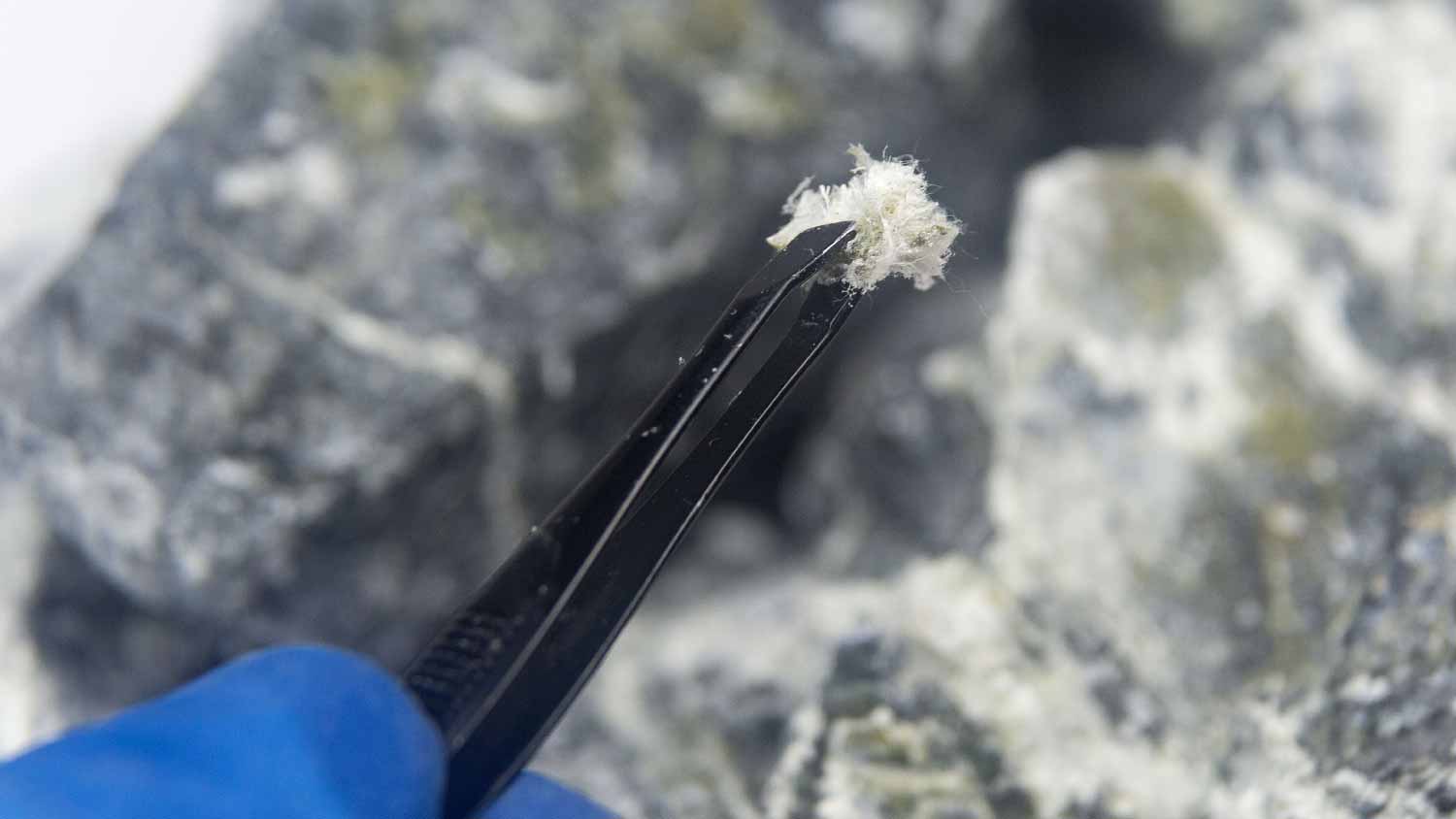
What does asbestos look like? It may be harder to spot asbestos than you think. Read on to learn more about this invisible home hazard.
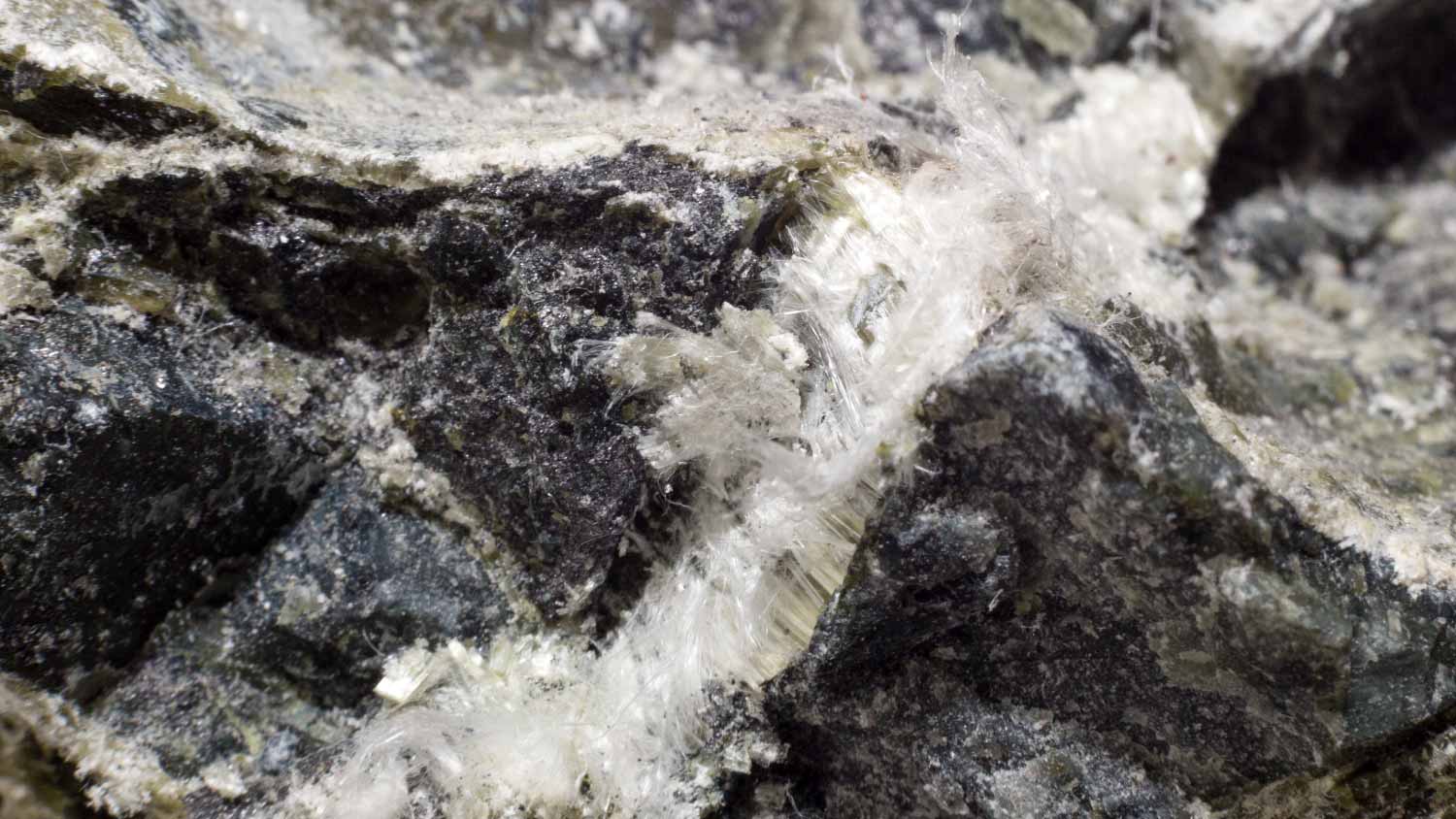
What is asbestos? It’s a naturally found mineral fiber used in home construction before the 1980s. Asbestos is carcinogenic when inhaled.
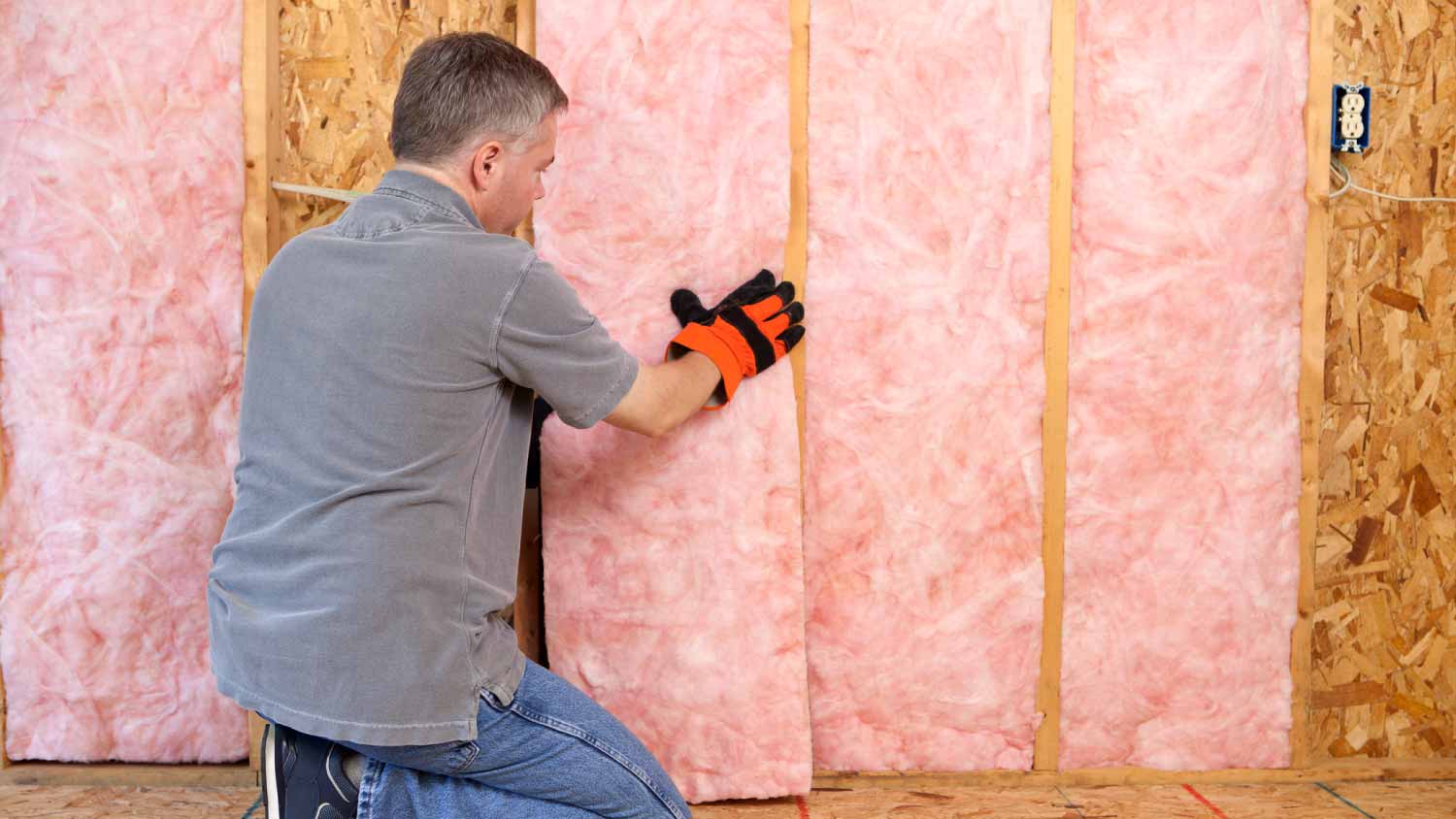
In home construction, is there really a difference between asbestos vs. fiberglass? In short, yes, and you'll learn why the difference is significant.
Home inspections typically look for potential health hazards, but do they check for asbestos? Find out what you need to know about asbestos to keep your home safe.