
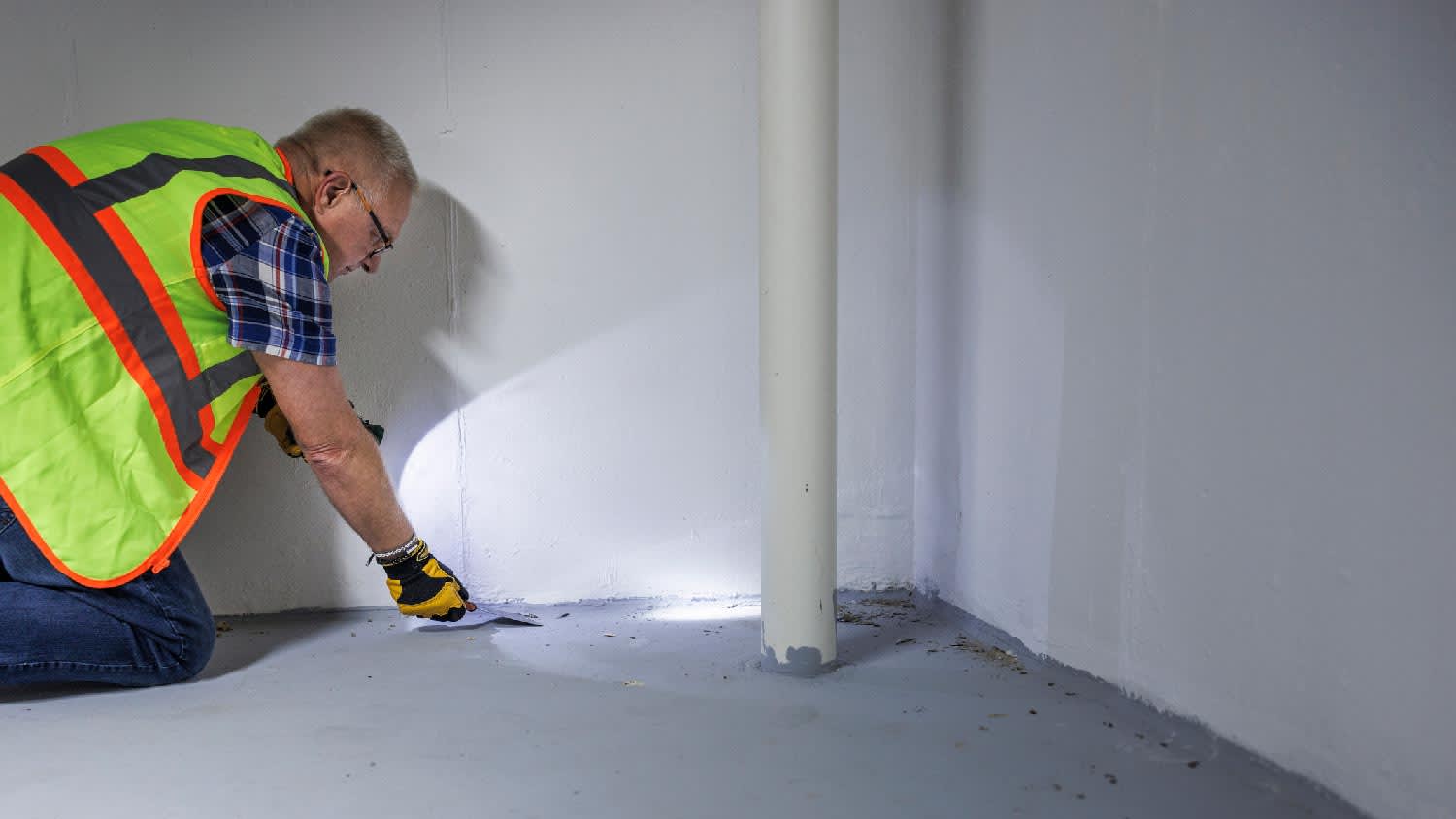
The cost of a mold inspection might seem high, but it’s one of the best investments you can make for your health and home. Read on to learn cost-saving tips.
Learn what’s lurking behind your walls

Asbestos compared with mold is different because asbestos is a mineral fiber in building materials while mold is a fungus that grows in damp areas.
Expect to pay $250 to $350 for mold inspection and $1,125 to $3,345 for remediation, while asbestos removal costs $1,164 to $3,055.
Your home built before 1980 needs professional asbestos testing before any renovation work, as disturbing materials releases harmful fibers you cannot see.
Hiring a local mold inspection professional provides full testing and indoor air quality analysis, helping you understand your home's condition and plan remediation confidently.
Even if you’re usually very hospitable, mold and asbestos are two houseguests you should always kick out. One is a naturally occurring fungus that thrives in humid environments; the other is a set of minerals that probably already exists in some of your home’s building materials. Both can have some serious negative effects on your home.
Learn about all the differences between mold and asbestos, including how to identify each and their respective health risks.

Mold can grow virtually anywhere conditions are right—usually within damp or decaying material, including drywall, carpeting, or wallpaper. There are also many kinds of mold species (an estimated 100,000!).
Mold tends to crop up in damp and moist places. Outdoors, mold is actually a useful component of the ecosystem, helping to break down matter. In your home, it’s less helpful.
Because mold reproduces via microscopic spores that are invisible to humans, it’s difficult to detect mold until it has found a location in your home to call its own and grow. You’re most likely to discover mold after any flooding or in places with high moisture and humidity, such as leaks in roofing, windows, or pipes.
It also grows particularly well on paper and wood products (including wallpaper), cardboard, insulation, drywall, ceiling tiles, and areas with fabric, such as carpeting and upholstery.
Mold often appears as black, brown, or gray spots. Sometimes the spots will appear slimy or fuzzy, and often grow in size over time as the mold reproduces. You might also notice a musty odor, as the scent of mold is typically the first thing people notice when they suspect a problem. A local mold inspector can test your home for fungus for $250 to $350. A professional test is the only way to know for sure if mold is present and the extent of the problem.
While you are exposed to mold every day—it grows on decaying organic matter; after all—mold inside can pose a health problem, especially for those with asthma or other respiratory illnesses, or anyone with weakened immune systems. Inside, mold can multiply rapidly and, without proper ventilation, will grow in numbers that pose a risk to humans.
Additionally, some molds produce mycotoxins, and prolonged exposure to mycotoxins has caused reports of skin rashes, fatigue, dizziness, nausea, and respiratory and eye irritation, according to the World Health Organization. You’ll especially need to worry about these types of molds in homes with very extensive water damage.

Asbestos is like mold in one regard: it is naturally occurring. However, it does not exist organically in your home; rather, it is manufactured in building materials. It is composed of a set of minerals found in a range of products and materials, such as insulation, automobile brakes, and vinyl floor tiles. These minerals include chrysotile, amosite, crocidolite, tremolite, anthophyllite, and actinolite.
Asbestos was once used much more widely than it is now; it is now heavily regulated because of the health hazards it poses, and items containing asbestos now need to be properly labeled.
Despite the health risks, it is not fully banned. Smaller bills have banned asbestos in certain items, such as corrugated paper, insulation on hot water tanks, and pipe insulation. The state of Washington bans the use of asbestos in automotive brake manufacturing. In addition, new uses of asbestos were banned—so, in short, companies can still use recycled asbestos to manufacture certain products.
In April 2019, the EPA announced a rule that would ban one particular type of asbestos, chrysotile. This material is the only known form of asbestos that is imported into the United States and is found in items such as automotive brakes and linings. The Alan Reinstein Ban Asbestos Now Act was also introduced to the Senate in May of 2022.
If you have an older home, asbestos might be present in some of the building materials. Until the 1980s, asbestos was used in many home items, such as insulation, curtains, roof shingles, textured paint, and caulking. Any home built before 1980 likely contains at least some amount of asbestos—but that’s actually OK, so long as the building materials remain undisturbed. If you are in the process of renovating your older home, you should take precautions to prevent asbestos exposure. Have a professional seal or remove any materials containing the minerals.
You won’t be able to see asbestos outright. If you are concerned that you disturbed an area of your home that might have asbestos, treat the area and the material like hazardous material and call a professional to extract a sample to be analyzed; they can identify asbestos with the help of special microscopes. The cost to test for asbestos is usually between $225 and $791.
When materials containing asbestos as disturbed, tiny fibers get released into the air; these are microscopic and, therefore, easily inhaled. Once asbestos makes its way into the lungs, it can cause inflammation and a range of other health issues, such as asbestosis, which is a scarring of the lungs that makes breathing more difficult.
Asbestos is considered a carcinogen, and heavy exposure can lead to an increased risk of lung cancer or mesothelioma, a cancer that affects the membrane of the lungs and chest cavity (the pleura).

Both mold and asbestos can cause some adverse reactions, but let’s look more specifically at their similarities and differences, so you are prepared in case either is discovered in your home.
While mold spores are not visible, mold growth looks like slimy or fuzzy black, green, or gray patches. In addition, mold stinks—literally. Any unidentified musty or foul odor could mean a mold problem somewhere in your home.
Asbestos is not visible, as it is made up of microscopic fibers that can only be identified by a professional. However, if you are renovating a home built before 1980, it’s safe to assume you might disturb some asbestos and should call in a professional before work begins to inspect your home.
An industrial hygienist or an environmental lab can evaluate your home before any demolition or renovation. They will take samples from the building and test them for asbestos; once the results come back, you will get a plan for remediating the asbestos properly to avoid exposure.
The cost for mold remediation runs between $1,125 and $3,345, on average. The price varies based on how much mold needs to be removed and which area of the home is affected. Because the presence of mold typically indicates some kind of water damage, you might need to pay for water damage restoration, which could cost over $3,000, depending on the severity of the issue. A water damage professional can provide a more accurate quote.
The cost for asbestos removal ranges from $1,164 to $3,055. If possible, a professional asbestos removal contractor might opt to seal off the asbestos rather than remove it completely, which costs 15% to 25% less than full removal.
Asbestos is expected to be present in older homes, and it’s legal to sell a house with asbestos in it, though some states may require disclosure. That said, you should share your knowledge of any known asbestos in the home (as well as any work you’ve done to seal or remove it). Since asbestos is only hazardous when it is disturbed and in the air, it shouldn't hurt the sale unless there is an active disturbance of the mineral fibers, and if that’s the case, you should fix the problem as soon as possible.
While it’s legal to sell a home with a mold problem, some states do require you to disclose whether the house has had past or current mold issues. Whether or not your state requires it, full transparency is the right thing to do. Typically, you can work out a deal with the buyer and offer to pay for mold remediation and HVAC updates.
This service was great. My air conditioner went out during the heat spell that we had. My husband has health issues and they came out that night and at 9:30pm the air conditioner was fixed and running. We are sooo very thankful, this is the company I will be using from now on and would...
 Mr. Mechanical Ohio
I would recommend this company to anyone! He showed up on time, was friendly, completed a very difficult repair on our dryer vent cover, was responsive, and pricing was extremely fair and competitive. I would have him back to do any of our repairs or cleanings without hesitation!
 U.S.A. Dryer Vent, LLC
The technician was very professional and friendly. He answered all my questions and was very thorough. He left the fireplace area very clean . He inspected from the roof and advised me as to other work that might need to be done. There was no pressure there. I was very satisfied with the...
 Supreme brick & chimney
Ace Fireplace Services came to the rescue for my chimney repair. They were quick to pinpoint the issue and worked their magic to fix it. My chimney is now in excellent shape, and I'm a satisfied customer.
 Ace Fireplace Services
Professionalism, quality, and affordability - Custom Paint Jobs LLC checks all the boxes.
 Custom Paint Jobs, LLC
On time, clean and finished fast. Windows seem sturdy and the finish is good. Caulking was done with no smudges. Would recommend.
 Window Depot USA of Central Ohio
Great job...edging and pre clean up went well with a great job with seal coat. Friendly, efficient and professional.
 All Star Paving and Sealing
Scott did not get appropriate access to the property prior to the scheduled inspection which required us to come back later in the day to complete it. He also, unprofessionally, knocked on a neighbor?s door in his attempts to reach someone with access. His overall report was fine though the...
 Security First Home Inspections
Did a great job replacing the ice maker and water regulator on my refrigerator. He was quick and thorough, very friendly and professional. If I needed a heart transplant I'd want him to do it!!!
Scott checked our large crawl space for mold and water infiltration and recommended a viable solution. The crew was efficient and they cleaned up well after the job. The job was expensive but I am confident that I won't have to deal with the problem again. Highly recommend.
 AdvantaClean of Dublin
From average costs to expert advice, get all the answers you need to get your job done.
The cost of a mold inspection might seem high, but it’s one of the best investments you can make for your health and home. Read on to learn cost-saving tips.
Get clear answers on asbestos tile removal cost, including average prices, cost factors, and tips to save money on safe, professional removal.
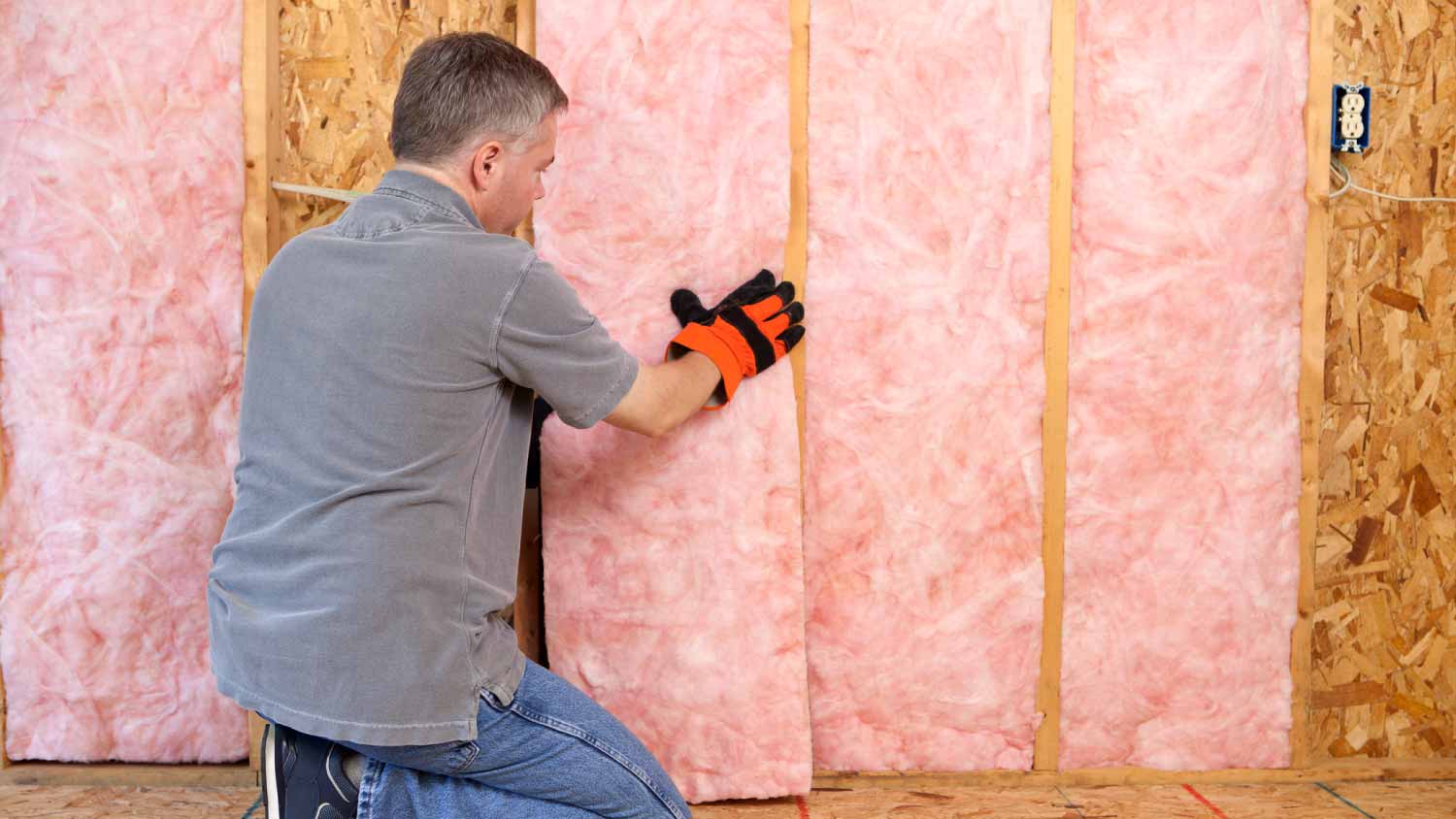
In home construction, is there really a difference between asbestos vs. fiberglass? In short, yes, and you'll learn why the difference is significant.
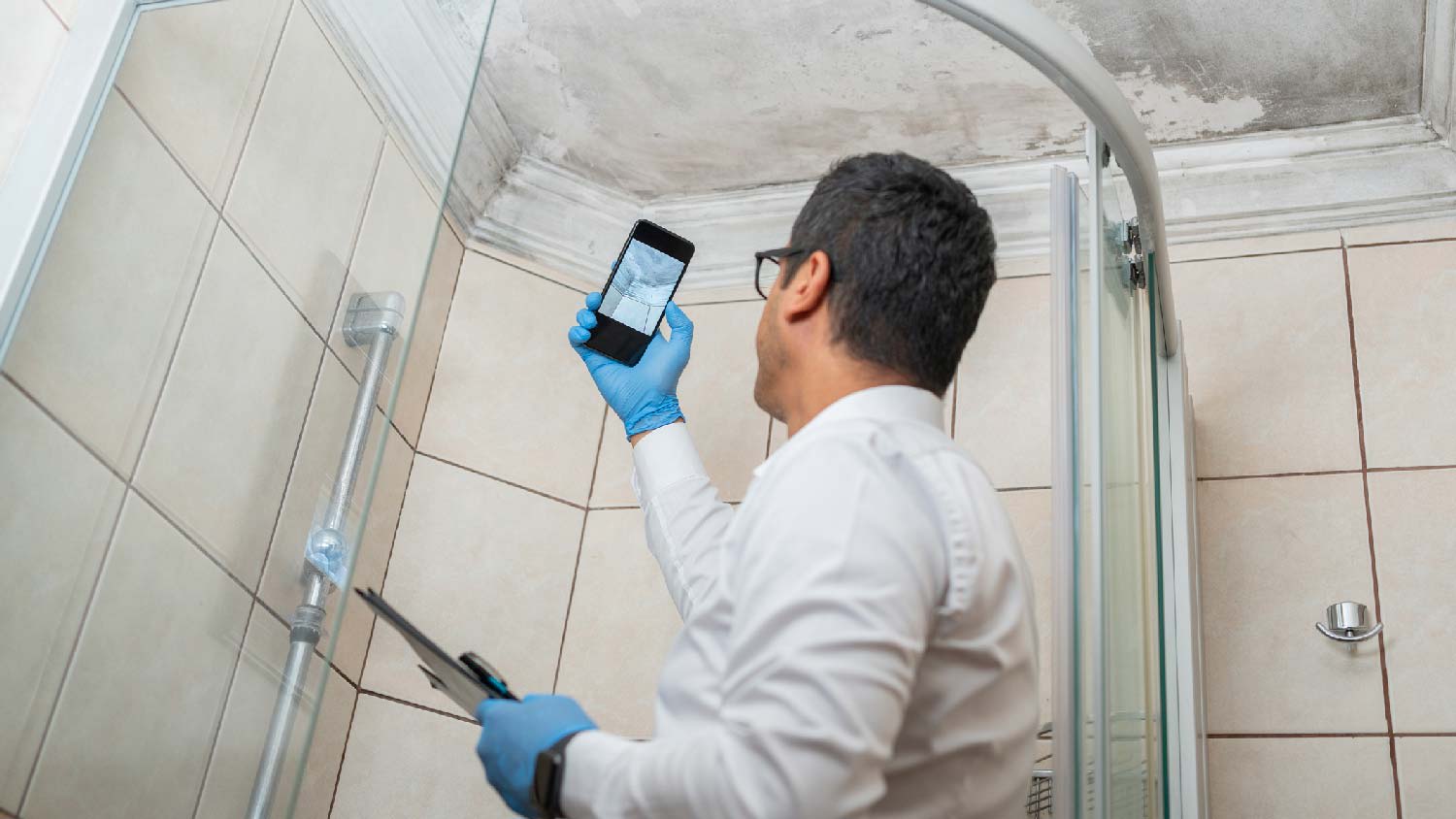
Got something fuzzy growing in your home? Learn the difference between green mold vs. black mold, and what you should do if you see it growing.
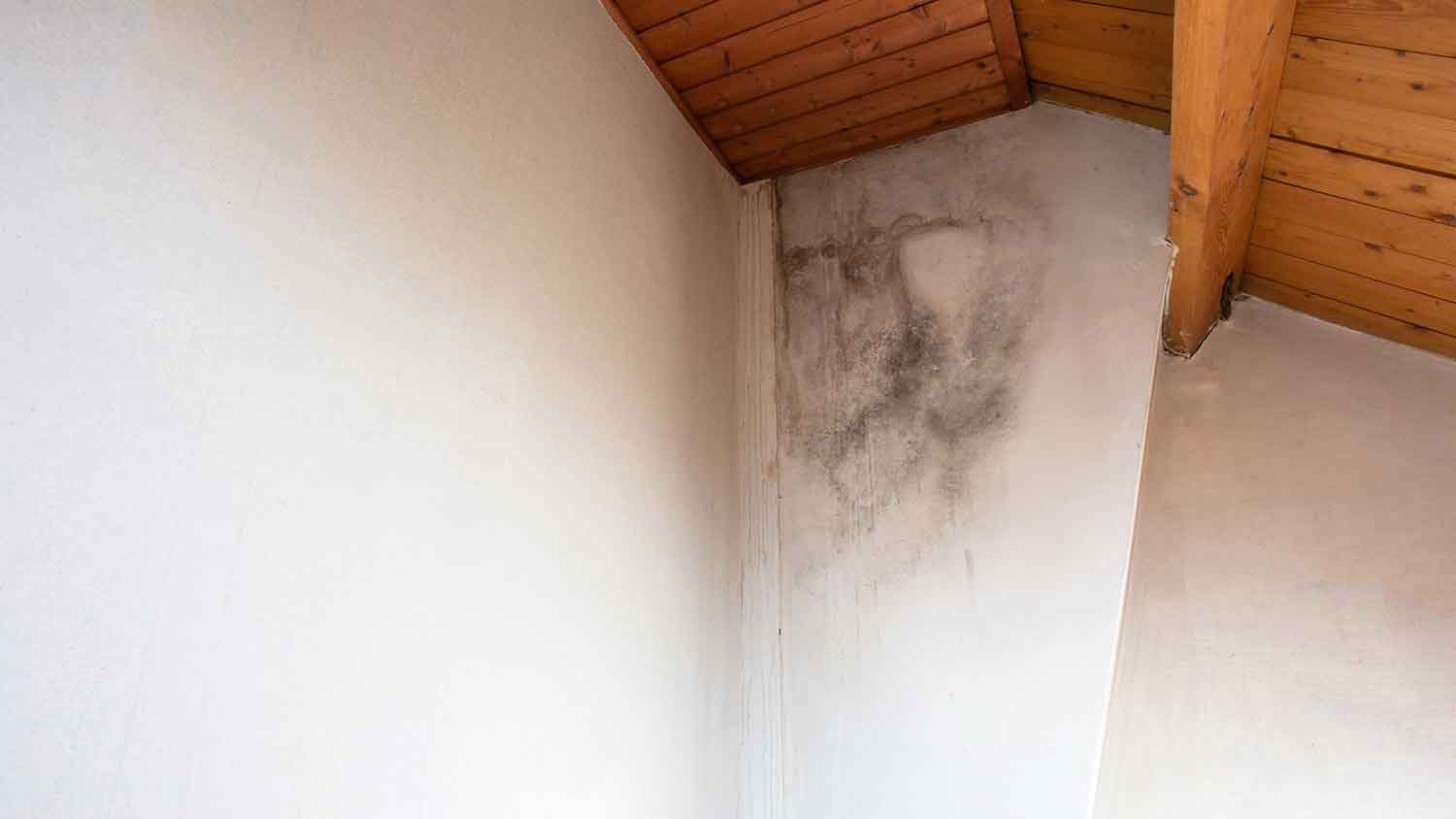
If you aren’t sure what type of mold is in your home, keep reading for a detailed breakdown of white mold vs black mold to see if one or the other is the culprit.
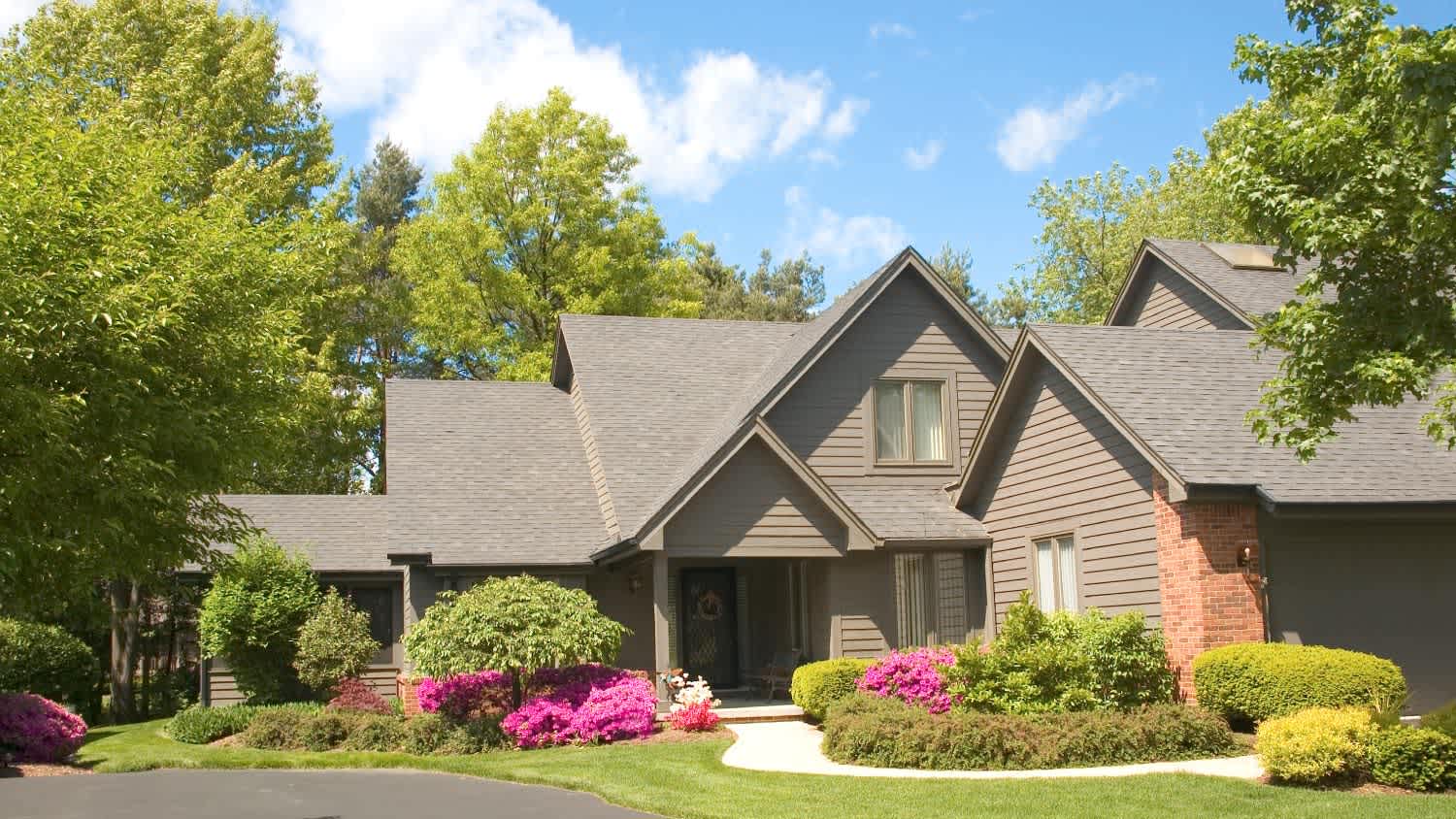
Fighting gross black streaks on your roof shingles? Learn the differences between algae and mold and what you can do to avoid and permanently remove it.