
Do you need impact windows to protect your home in the event of a hurricane? Find out how much impact windows cost, including the windows themselves and the labor to install them.
It’s as easy as P-V-B

Impact windows and hurricane windows both protect your home in high winds, but impact windows also stand up better to flying debris.
Hurricane windows use thinner laminated safety glass, while impact windows use thicker, layered glass designed to resist breaking under impact.
Your best choice depends on your storm risk, the chance of debris hits, and whether your frames can fit thicker glass.
Hiring a local window professional keeps your installation secure and on schedule, handling heavy materials and ensuring proper frame compatibility for your impact or hurricane windows.
You’ve seen it in countless disaster movies: high winds so extreme they shatter windows or send an Adirondack chair hurtling through the air, smashing glass on impact. These situations are dramatized in the theater, but they’re rooted in reality—just ask anyone who lives in hurricane country. If you live in a region with extreme weather, upgrading to impact or hurricane windows can make a significant difference in protecting your home. Rather than fretting about potential damage from the next storm, research the differences between impact and hurricane windows and pick the best one for your home.

High winds are no match for either impact or hurricane windows—but what about flying objects? Learn why—if you’re worried about tree branches, lawn furniture, or other objects crashing into your home—you might choose impact windows over hurricane windows.
| Type of Difference | Hurricane Windows | Impact Windows |
|---|---|---|
| Material | Laminated safety glass | Tempered, impact-resistant glass |
| Intended for | Severe weather | Some severe weather and direct impact |
| Pane size | Thinner panes | Thicker panes |

Both impact and hurricane windows are great choices if you live somewhere with extreme weather, but it’s important to know the nuanced differences between the two so you can determine which is best for you—and which will make you feel more secure, should a natural disaster strike.
The main difference between impact windows and hurricane windows is the material they are made from. Impact windows are manufactured with multiple layers of PET laminated glass and PVB between thick panes. The windows are therefore heavier and thicker than hurricane windows, which are made with laminated PVB. The extra thickness and layering of impact windows prevent them from shattering when something flies into them, while the lightness and flexibility of hurricane windows allows them to bend slightly with high winds with a lower chance of breaking.
Hurricane windows are designed to withstand high winds, such as that from a hurricane, but are not thick enough to remain solid and secure after a heavy impact. Impact windows, as their name suggests, are made from thicker, sturdier panes and materials, able to withstand a blow from something as large as a patio chair.
While both styles of windows will increase your home’s energy efficiency, impact windows insulate better due to their multiple, thick panes and layers.
Both hurricane and impact windows are made from heavy glass and will require professional installation. With impact windows, the installation might create an additional cost: you might find that you need to invest in thicker window frames to accompany the thicker window.
Both hurricane windows and impact windows are more expensive than traditional windows, given the additional materials needed to manufacture them. Impact windows tend to be the costliest of the options, though the final price will depend on your window’s size and shape if you need to replace any frames and the frame material.
Corey Carr was great. I had damage from a recent storm and needed to have my mast and other components replaced. The project entailed coordinating with AEP, and Corey helped make a stressful situation a lot less stressful. I really appreciated his dedication to service and the job very well done.
 Mr. Electric of Columbus
Great company! Price was competitive, technician showed up on time and completed the job (exterior electric Radon fan replacement) quickly. Would hire them again.
 MaGen Property Inspections and Radon Mitigation
Raven and crew does absolutely fantastic job. They are very professional if any concerns were to occur with any of her work she always took responsibility and finished out with a great job. I have worked with her business for a year and have always been satisfied. Very trusted business and...
 Creations of Transformation LLC
Best cleaning I've had at my property
The Cisco team did an exceptionally good job of painting (very detailed), and they were professional, courteous, helpful and just pleasant to have in our home for a week. I have already recommended Cisco to some neighbors.
 Cisco Finishes
Supreme Brick & Chimney is one of the best service providers I’ve interacted with. Extremely efficient, knowledgeable, and thorough. They took the time to walk me through their detailed full-service inspection and were extremely professional. Not to mention their turnaround time was...
 Supreme brick & chimney
I had Ace Fireplace Services install custom chimney caps for my home, and the results are stunning. They fit like a glove and have added a touch of sophistication to my chimney. I can't recommend their services enough.
 Ace Fireplace Services
Custom Paint Jobs LLC gave our office a fresh new look. Clients love it!
 Custom Paint Jobs, LLC
Storms Mobile Welding was great to work with. They were prompt, professional and did an overall excellent job on the project. I highly recommend.
On Sunday 2/26 I requested quotes via Angi from 4 refrigerator repair businesses. Northwest Appliance responded to me Monday morning (2/27) and my refrigerator was repaired by noon the same day. Great communication, they did everything they said they would. The technician had the parts on...
From average costs to expert advice, get all the answers you need to get your job done.
Do you need impact windows to protect your home in the event of a hurricane? Find out how much impact windows cost, including the windows themselves and the labor to install them.
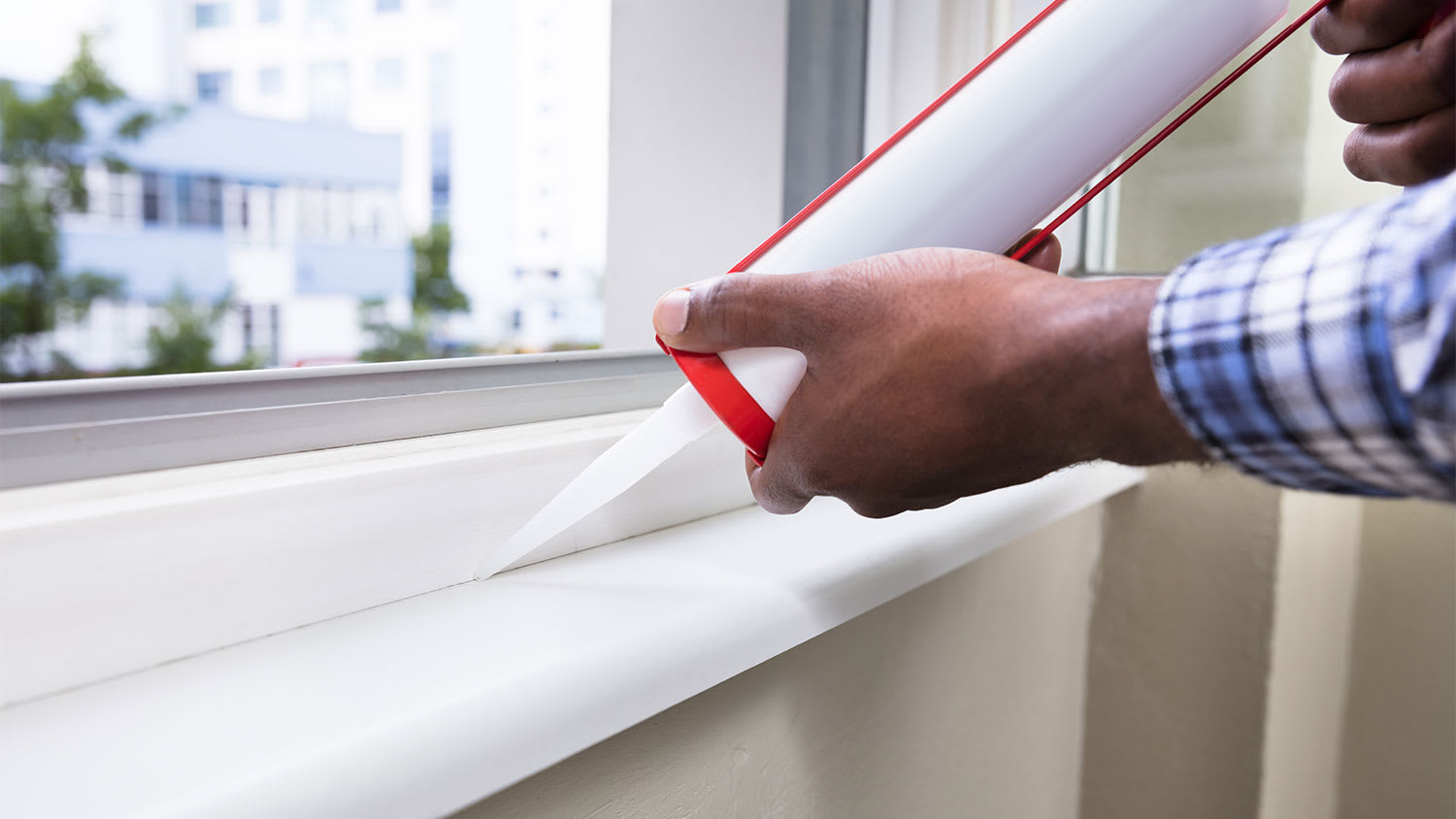
The average hurricane window cost varies by size, type, labor, and more. Read this guide to estimate the cost of your impact window installation.
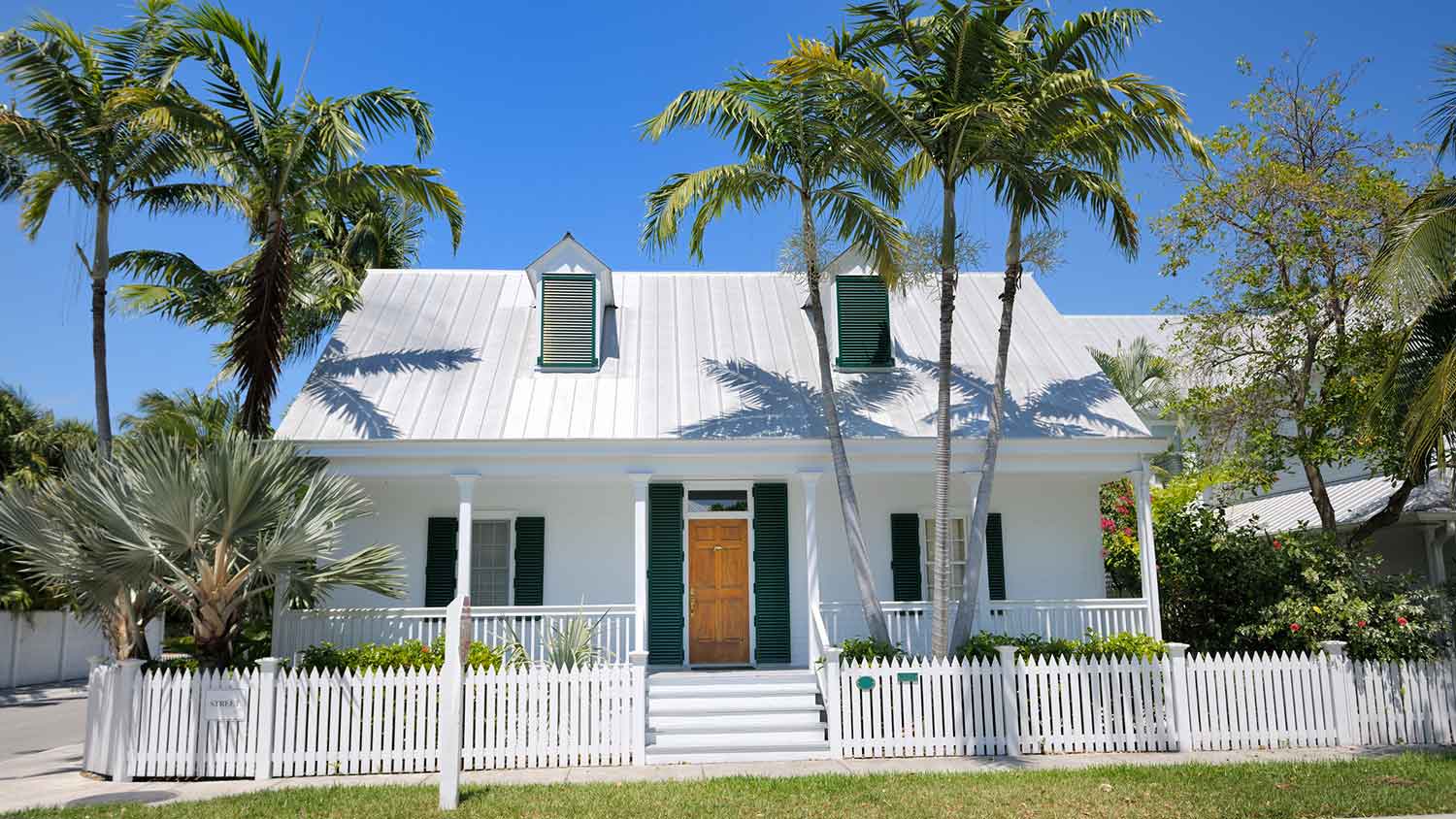
Hurricane shutter costs vary widely depending on many factors. Explore our breakdown of the elements that impact what you’ll pay for hurricane protection.

Impact-resistant windows and hurricane shutters protect a home’s exterior in severe weather. This guide covers the differences so you can choose the right one.

If you're thinking of upgrading your windows, or building a new home, you may wonder if impact windows are right for you. Here's what to know.
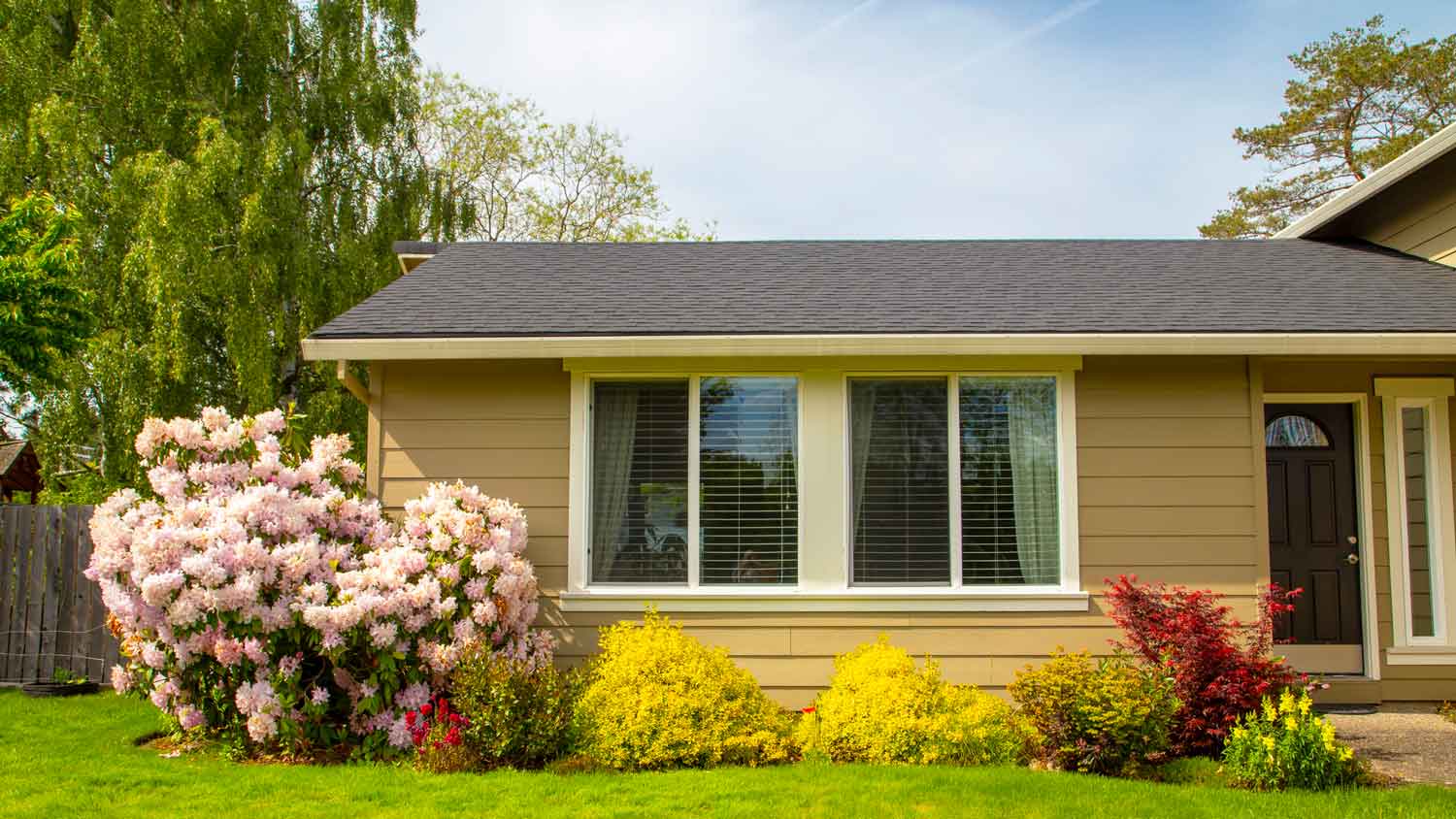
Hurricanes and tropical storms can wreak havoc on your home, but there are some ways to prepare. Find out how to protect your windows during the hurricane season.