

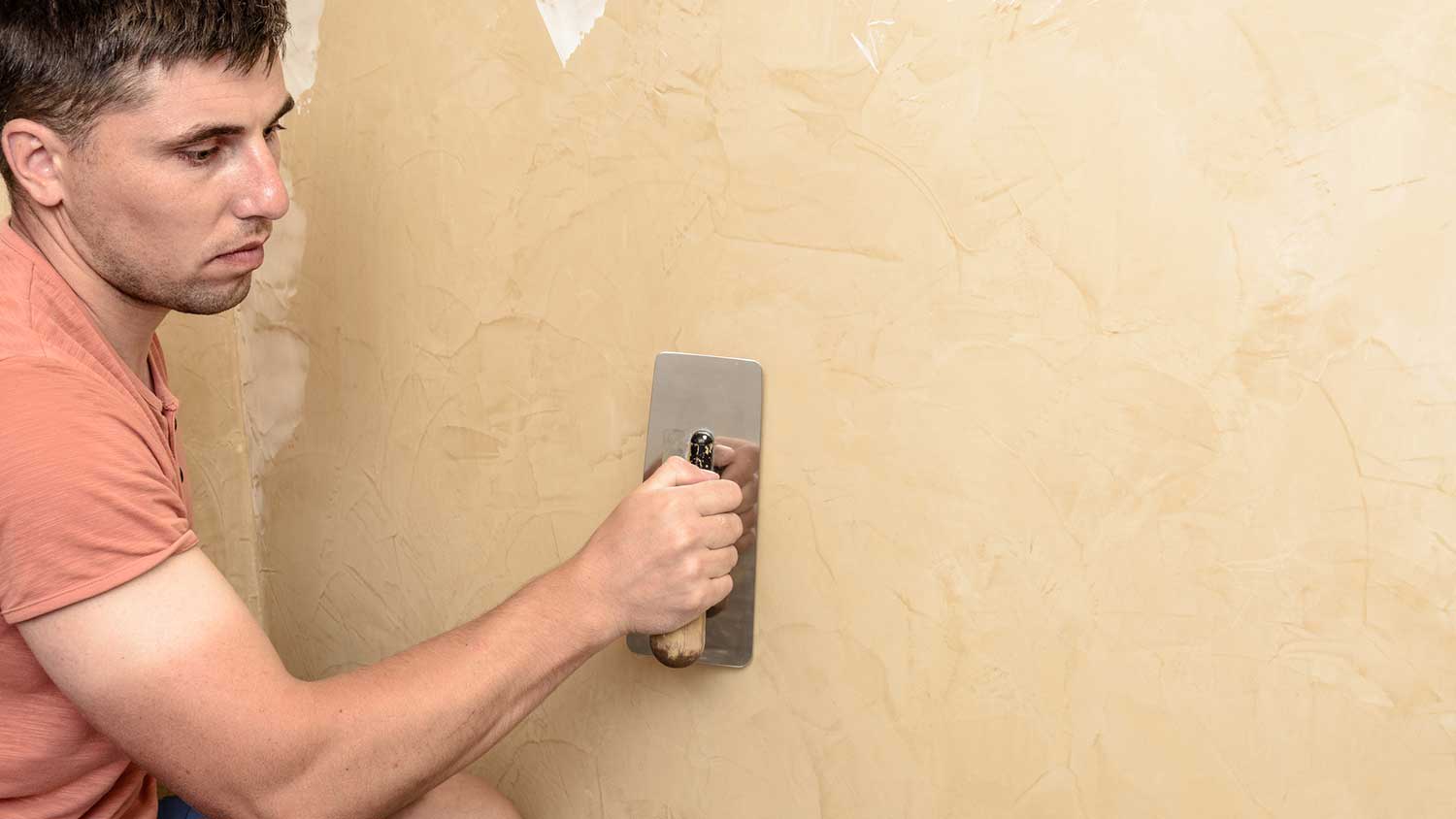
Drywall texture can create an attractive finish and add dimension to your home’s walls. This guide breaks down the factors that influence the cost to texture drywall.
Drywall service costs depend on your project and location. Check with a local pro for your specific job.

Professional drywall installation costs between $1,000 and $3,253 for your home project, with materials and labor included.
The thickness of your drywall panels and the level of finish you select will determine the overall complexity of your project.
You should also account for the cost of sanding supplies and professional cleanup services once your installation work is finished.
Hiring a local asbestos abatement professional provides reliable help with heavy lifting and saves you the physical effort.
In 2026, the national average cost to install drywall runs $2,104, based on 14,676 verified projects from Angi Pros. Most homeowners pay between $1,000 and $3,253, with the spread driven by drywall thickness, panel type, and the level of finish selected. That works out to roughly $60 to $90 per drywall panel.
Room size is one of the most direct drivers of drywall installation cost, with prices ranging from $400 to $650 for a small 100-square-foot bathroom up to $1,700 to $3,100 for a large living space. The table below breaks down the average cost to install drywall for different room sizes:
| Room Size (in Sq. Ft.) | Average Cost in 2026 |
|---|---|
| 100 (Small Bathroom) | $400–$650 |
| 200 (Small Bedroom) | $550–$1,000 |
| 300 (Large Bedroom) | $900–$1,500 |
| 400 (Small Living Room) | $1,100–$2,200 |
| 500 (Large Living Room) | $1,400–$2,800 |
| 600 (Large Space) | $1,700–$3,100 |
Square footage is a key factor in determining drywall installation costs, but it's not the only factor. Drywall companies consider how long it takes to complete the job, the location of damage and framing conditions, and if other repairs are needed—especially if water damage is involved.
Several factors determine what you'll pay for drywall installation, including the type and thickness of the panels, the finish level you choose, and your home's age.
Standard drywall is the most affordable panel type, but specialty options are worth considering depending on the room's conditions and performance needs. See how drywall type affects your total installation cost in the breakdown below:
| Drywall Type | Best Use | Average Cost of Materials per Sq. Ft. in 2026 |
|---|---|---|
| Moisture-resistant | Bathrooms, kitchens | $0.55–$0.70 |
| Mold-resistant | Extra-moist areas | $0.65–$0.75 |
| Fire-resistant | Garages, boiler rooms, commercial buildings | $0.55–$0.90 |
| Soundproof | Music rooms, kids’ rooms, primary bedrooms | $1.85–$3 |
| Eco-friendly | All rooms | $0.70–$0.90 |
Drywall goes by many names, including plasterboard, wallboard, gypsum board, and Sheetrock, which is a specific brand of drywall. Regardless of which term contractors use, they're typically referring to standard drywall products.

Drywall thickness directly impacts your total project cost, with panels ranging from quarter-inch at $15 per panel to three-quarter-inch at $23 per panel. Half-inch panels cost $20 each and are the most common choice for standard walls.
The table below compares average costs per panel across five drywall thicknesses, along with the ideal use case for each:
| Drywall Thickness (Inches) | Ideal Use Case | Average Cost per Panel in 2026 |
|---|---|---|
| 1/4 | Curved areas or patches | $15 |
| 3/8 | Patches or repairs | $16 |
| 1/2 | Standard walls | $20 |
| 5/8 | Standard ceilings, fire-proofing | $21 |
| 3/4 | Sound-proofing, fire-proofing | $23 |

The finish level you select with your contractor affects your total drywall installation cost, with options ranging from a basic hang at $0.80 to $1 per square foot up to a premium Level 5 skim-coat finish at $2 to $3.50 per square foot. Drywall installation costs by finish level are detailed in the table below:
| Drywall Finish Level | Description | Average Cost per Sq. Ft. in 2026 |
|---|---|---|
| 0 | Contractor hangs the drywall and no more | $0.80–$1 |
| 1 | Drywall has the seams sealed with tape and then covered with mud | $1–$2 |
| 2 | Has one coat of joint compound, typically to allow tiling on top | $1.25–$2.50 |
| 3 | Has two coats of joint compound for a smoother finish | $1.50–$3 |
| 4 | If you plan to use matte paint, pros recommend the application of three coats of joint compound | $1.65–$3.15 |
| 5 | A very high-quality finish which is the best option for enamel and gloss paint application. This includes three coats of joint compound and a full skim coat for a super-smooth appearance | $2–$3.50 |

Adding texture to drywall enhances a room's aesthetic appeal and helps conceal surface imperfections, with the average cost to texture drywall ranging from $1 to $1.95 per square foot depending on the technique used. Common options range from simple spray-applied finishes like popcorn and orange peel to more labor-intensive styles like knockdown, skip trowel, and Venetian plaster.
Popcorn: Bumpy texture created by spraying drywall mud and polystyrene onto the ceiling
Orange peel: Subtle, dimpled texture resembling an orange's skin
Knockdown: Rustic texture that requires the added step of flattening peaks
Skip trowel: Rough, uneven texture applied using a trowel
Sand swirl: Decorative pattern created by applying a mixture of sand and drywall
Venetian plaster: Luxurious, polished finish created by applying multiple layers of tinted plaster and then burnishing it
Homes over 40 years old carry a higher risk of asbestos, lead paint, or mold behind existing walls, and a home inspection before drywall work begins is a smart precaution. If any of these hazards are found, remediation can add $1,000 to $3,000 or more to your project cost through lead, mold, or asbestos removal near you.
Rooms with above-average ceiling heights, rounded corners, complex cornices, or arched doors require more precise cutting of the drywall, which increases the labor portion of your installation cost.
Before new drywall can go up, a pro may need to remove existing wall materials, which can add to your overall project cost. Removing wood paneling runs $0.50 to $1 per square foot, while replacing plaster walls is more labor-intensive and costs $1.50 to $3 per square foot.
Labor accounts for roughly 70% of your total drywall installation cost, with local drywall installer rates running $1 to $2.10 per square foot, or $690 to $2,200 on average. The finish level you choose also affects labor cost, since a basic taping-and-mudding finish costs less than a smooth, high-end result. Complex installations involving curved walls, high ceilings, or intricate architectural details require additional time and expertise, pushing labor costs toward the higher end of that range.
The most common tasks a drywall installer performs are:
Hanging drywall sheets
Taping and mudding
Sanding
Priming
Finishing
Drywall installation costs vary meaningfully by location, with state averages ranging from $1,400 in Ohio to $2,700 in Mississippi. See how location affects your drywall costs in the breakdown below:
| State | Average Cost in 2026 |
|---|---|
| Alabama | $1,600 |
| Atlanta | $2,000 |
| California | $1,800 |
| Mississippi | $2,700 |
| Florida | $1,700 |
| New York | $2,300 |
| North Carolina | $1,600 |
| Ohio | $1,400 |
| Pennsylvania | $2,300 |
| Texas | $1,600 |

Hiring a local drywall installation pro may cost more upfront, but you benefit from smoother walls, faster completion, and fewer mistakes. Professionals bring the tools, experience, and technique needed to deliver clean seams and a polished finish—saving you time and potential repair costs.
Drywall installation is a detailed project that requires precision and expertise. Here are some of the top reasons to work with a pro:
Drywall pros ensure walls and ceilings are properly measured, hung, and secured for long-term durability.
They have specialized tools and materials to achieve straight cuts, tight joints, and smooth finishes.
Working with a pro reduces the risk of uneven surfaces, visible seams, or cracking over time.
Professionals can handle complex areas, such as ceilings, corners, and cutouts for outlets or fixtures.
Bundling drywall installation with taping, mudding, sanding, or painting can save time and overall project costs.
If you want to take on some aspects of the project yourself, here are a few DIY tasks that can help reduce labor time and costs:
Remove furniture, wall décor, and outlet covers before installation begins.
Confirm framing, insulation, and electrical work are completed and inspected prior to drywall installation.
Finalize room layouts and finishes early so drywall placement aligns with your design plans.
Clear walkways and work areas to make material delivery and installation easier.
While installing the drywall yourself can save you money, it's often better to have a pro do it to avoid further issues down the line and ensure a high-quality finish. But you can take these steps to save on the costs without compromising quality:
Do prep work yourself: Clear the room, remove old wall coverings, and make minor repairs yourself to reduce the time and labor of your pro.
Opt for standard sizes: Use standard-sized drywall sheets, which are cheaper and easier to install.
Choose a lower finish level: If high-end finishes aren't necessary, opting for a Level 3 or 4 finish instead of a Level 5 finish can greatly reduce labor costs.
Schedule during off-peak times: Installers may offer lower rates during their slow seasons, which tend to be in the winter.
Negotiate waste removal: Handle the disposal of old materials yourself or rent a dumpster, as installers may charge extra for waste removal.
Be ready to discuss with a pro the scope of your drywall installation, including room size, ceiling height, and whether it’s new construction or a replacement, as this affects materials and labor.
If there is room in your budget, ask your pro about add-ons like insulation, soundproofing, taping, mudding, or texture finishing.
Be prepared for unexpected costs, such as framing repairs, moisture damage, or electrical adjustments that may be uncovered during installation.
Talk with your pro about timelines and finishing steps, including sanding and priming, as these can impact both cost and project duration.
Home is the most important place on earth, which is why Angi has helped more than 150 million homeowners transform their houses into homes they adore. To help homeowners with their next project, Angi provides readers with the most accurate cost data and upholds strict editorial standards. We’ve surveyed over 10,000 real Angi customers about their project costs to develop the pricing data you see, so you can make the best decisions for you and your home. We pair this data with research from reputable sources, including the U.S. Bureau of Labor Statistics, academic journals, market studies, and interviews with industry experts—all to ensure our prices reflect real-world projects.
Want to help us improve our cost data? Send us a recent project quote to [email protected]. Quotes and personal information will not be shared publicly.
Cancelled appointment two hours after they were supposed to come for drywall work.
 Hutch And Sons Drywall Services
Cole has been handling plumbing and general contracting for our four properties over the past three years, and he’s always done a great job. Most recently, he installed a sink and countertop in our retail store where none existed before, and it turned out exactly how we needed. He’s...
 ANB Renovations LLC
I would recommend this company to anyone! He showed up on time, was friendly, completed a very difficult repair on our dryer vent cover, was responsive, and pricing was extremely fair and competitive. I would have him back to do any of our repairs or cleanings without hesitation!
 U.S.A. Dryer Vent, LLC
I cant stop admiring my newly painted walls. Custom Paint Jobs LLC made my house feel brand new.
 Custom Paint Jobs, LLC
Excellent experience with hiring Tether House to Mount our 77’ Samsung TV in our bedroom. Fast, friendly, and knowledgeable. Highly recommend.
 Tether House
Excellent customer service and knowledge. I was recommend to him from my neighbour. My front door and window came in great and were installed beautifully perfectly, I m very satisfied with their excellent work, so decided to order one more big bow window for my living room. I cant wait for...
 Window Depot USA of Central Ohio
Would hire again. Wall looks great. Happy with job.
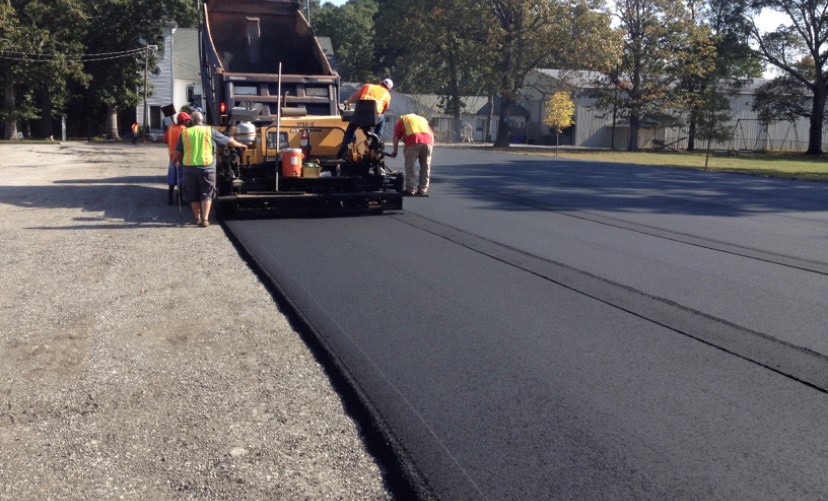 Central Paving
Involved an extensive bathroom remodel, including removing tub & installing walk in shower, new drywall, custome tile work to ceiling, plumbing, etc. Overall, job was done on time and on budget. Nick & his team were very professional and had high attention to detail. Quality was great. Highly...
 Stamos Flooring and Remodeling LLC
We have had a great experience with Rising Height for the past five years on a number of miscellaneous renovation projects. They laid flooring for us and had a very good sub do the finish. Installed drywall for a vaulted ceiling, finished an attic/loft with new subfloor, framing and drywall,...
 Rising Height Unlimited
Mr. Lopez was super nice and professional. He repaired our drywall just as he described during the estimate phase. Our dining room wall looks great again! Thanks Mr. Lopez!
From average costs to expert advice, get all the answers you need to get your job done.
Drywall texture can create an attractive finish and add dimension to your home’s walls. This guide breaks down the factors that influence the cost to texture drywall.
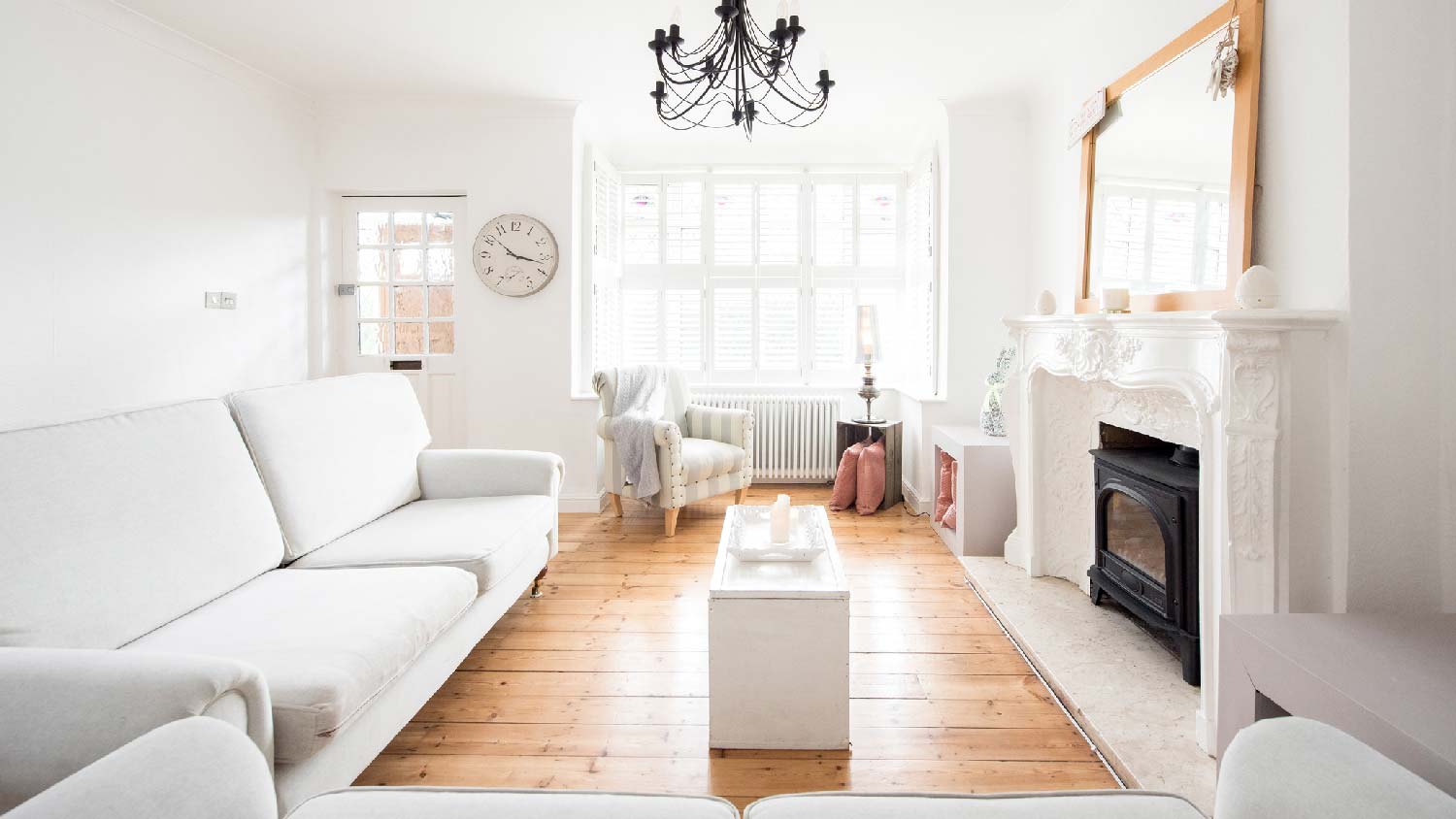
The cost to replace plaster with drywall can quickly add up. This guide will help you budget for this project and decide if it's worth the effort and cost.
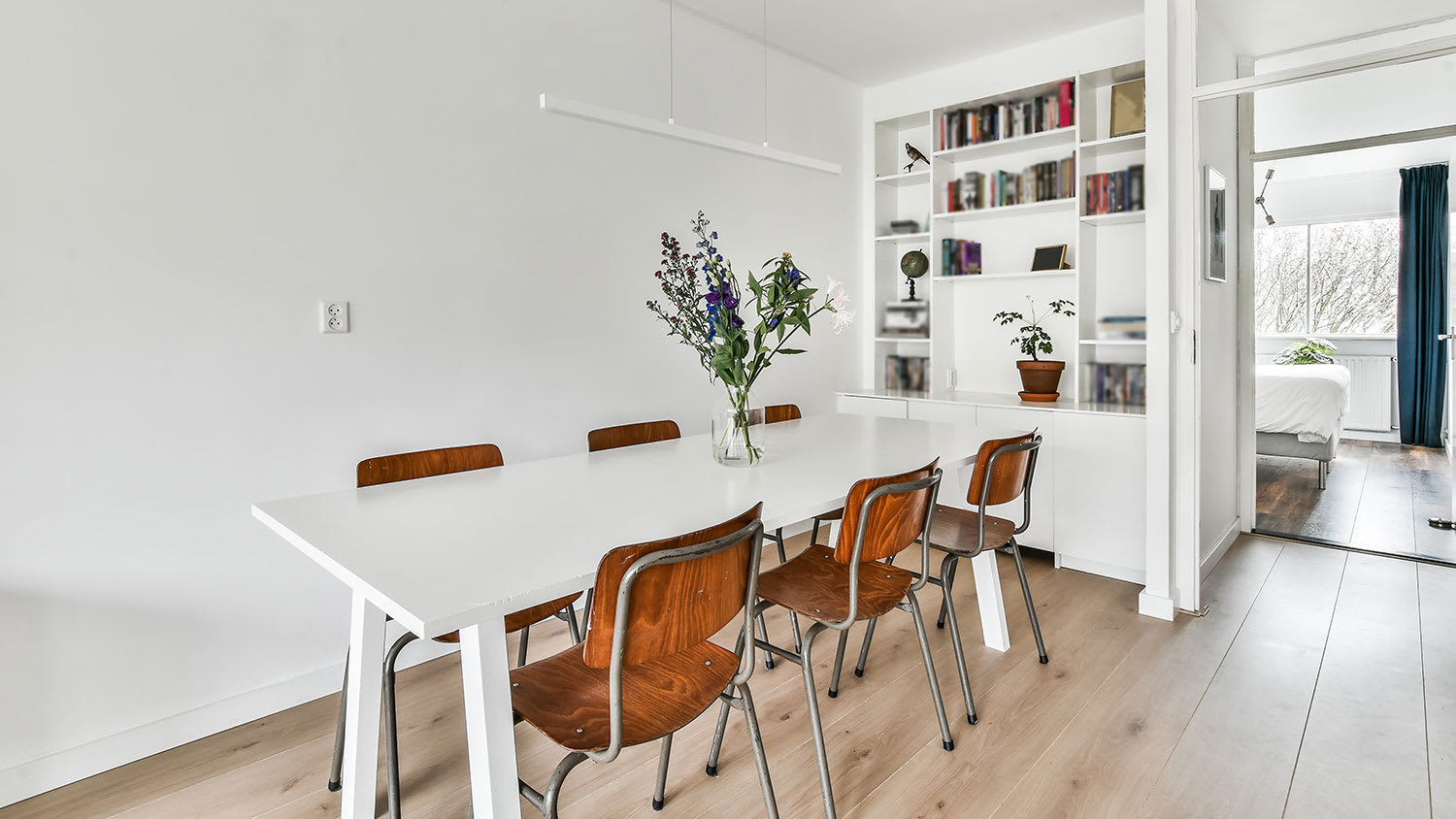
Whether you want to spruce up a few dents and dings or fix a large surface area, investing in drywall repair costs can return your walls to a smooth, flush look.

Drywall installation is a tricky job that typically requires a pro. This guide will tell you who installs drywall and the benefits of different contractors.

Worried about mold behind your drywall? Learn how to spot the signs and when it’s time to call in a professional, plus how to prevent it in the future.
When it comes to putting up new walls, you have more options than just drywall. Compare OSB versus drywall to see which is best for your needs.