
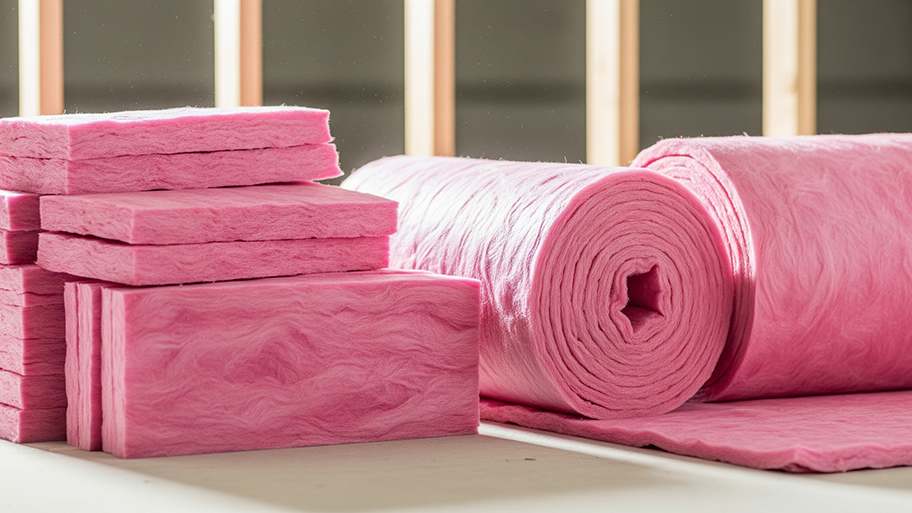
Crawl space insulation costs vary by size, insulation type, and material. Read this guide to learn how much your crawl space insulation could cost.
Crawl space foundations provide space for utilities and additional storage

Crawl space construction creates an underhome area about four feet deep with concrete walls and a slab floor, protecting your utilities and foundation.
Expect to pay $8 to $16 per square foot for crawl space foundation installation, with average costs around $12 per square foot for your home.
Your crawl space works best in colder climates where the frost line sits a few feet down, keeping your foundation stable through freeze-and-thaw cycles.
Hiring a local concrete foundation company provides reliable support for excavation, concrete wall installation, and proper ground compaction to prevent future settling.
Crawl space foundations are a popular option throughout the U.S., particularly in colder climates, where slab foundations are at risk of frozen utility lines and frost heave. Crawl spaces are more affordable to build than basements due to about half the excavation required, but they come with their own drawbacks. In this guide, we’ll discuss what a crawl space foundation is, how much it costs to install, some pros and cons of this home foundation style, and more.
A crawl space foundation is one that is set about four feet into the ground, with a large monolithic slab of concrete serving as the foundation floor and concrete block walls serving as the outer edge of the foundation. Foundation builders also install piles or support beams throughout the crawl space to support the structure above.
The underhome area created by the foundation floor and the concrete walls is called the “crawl space,” which houses utility lines and some larger utility components—like oil tanks and water heaters—and provides a space for additional storage.
Some homeowners refer to the area under a pier and beam foundation as a crawl space as well, but this foundation style is distinctly different from a crawl space. A pier and beam foundation lacks the concrete block walls that surround a proper crawl space.
The average cost to install a crawl space foundation is around $12 per square foot, but prices range from around $8 per square foot to $16 per square foot. The average cost of crawl space foundation construction for a home with a 1,000-square-foot footprint is about $12,000.
Crawl space foundations are mostly below ground, which requires excavation prior to installation. Excavation is quite expensive, which is why this foundation style is the second most costly option. When you hire a foundation company near you to build your crawl space foundation, they will need to compact the ground beneath the foundation to avoid any severe movement after the foundation is complete, and this preparation adds to the installation cost as well.

Crawl space foundations are a great option for some homeowners, but they do come with some drawbacks as well. When you hire a crawl space contractor, always be sure to choose a professional with ample expertise in crawl space construction.
There are times when crawl spaces strike the right balance between a basement and a slab foundation. Its strength in cold climates, comparatively lower installation costs, and additional storage supplies are all common perks of crawl spaces.
Homeowners can increase the stability of their homes by installing a foundation that dips below the frost line in the ground. By doing so, the foundation walls and footing stand in solid ground, free of the effects of the freeze-and-thaw cycle that can lead to over-settling.
Slab foundations sit right up against the earth and occasionally contain plumbing and wiring. Accessing both these utilities and the slab itself requires significant time. Crawl spaces, while small, still allow contractors to get a closer look at what could be happening to your foundation or the utilities housed there.
In the scheme of foundation costs, a crawl space is more than 50% cheaper than a basement. Its maintenance and waterproofing costs will be less over time than basement waterproofing and maintenance, too. Contractors working with lower budgets or in areas with cold climates may offer crawl spaces as a more budget-friendly alternative whenever possible.
Compared to a pier-and-beam foundation, many homeowners prefer the hidden, underground nature of a crawl space. Crawl spaces have more protection against pests, decay, and moisture and require less upkeep from season to season to keep the area clean.
While the size of crawl space will vary, they often increase your storage space by several feet into the ground. Designers may also house some home systems in a crawl space, including hot water heaters, wiring, and some plumbing.
No foundation style is perfect, and crawl spaces are no exception. There are a handful of issues that crop up with crawl spaces that you might not find with other foundation styles.
Crawl space walls are surrounded by soil that will soak up water when it rains or snows, and that moisture will sit against the porous concrete and can wick its way inside. In very wet conditions, water can seep into your underhome area, but even in less severe conditions, water can wick through the concrete and evaporate into the air, creating moisture build-up. Over time and without the proper precautions, this could lead to mold growth, reduced home energy efficiency, and a slew of other problems. Crawl space encapsulation can often fix these issues.
If you have issues with cracks in your crawl space walls, it’s possible for insects to get inside. Since crawl spaces are usually unfinished and aren’t used often, they can make a great area for pests to take up residence. When it comes to crawl spaces vs. basements, crawl spaces are more prone to pest infestation than finished and occupied basements, as well as slab foundations with no underhome area.
Foundations like crawl spaces that have concrete walls are prone to wall cracks and inward bowing, primarily caused by rapid changes in the moisture content of the soil surrounding the wall. As soil soaks up water—especially clay-rich soil—it expands, which can put excess pressure on the concrete block wall. Over time, this can create cracks that lead to water intrusion and even collapsing walls, which can be quite costly to repair. Thankfully, crawl space repair costs are often lower than with slabs because accessing the affected area is easier.
Even though you are increasing your storage space, this is not an area for setting up a guest room. Crawl spaces allow for just that—crawling. Their low ceilings only allow room for home systems and minimal storage containers. While crawl space encapsulation can increase the value of a home, you won’t enjoy the same boost in home value as a finished basement.
Regular inspections are key to keeping your foundation in good shape and avoiding costly repairs. Look for cracks and address them promptly. Make sure you have proper drainage around your home by maintaining clean gutters and downspouts, grading the landscape to slope away from the foundation, and avoiding excessive watering near the foundation.
Crawl space foundations are great for colder climates where the weight of the structure above is distributed to the soil below the frost line. They’re ideal in certain situations and can make repairs and inspections simpler given the easy access, but in some cases, homeowners and builders prefer other foundation styles.
Crawl Space
Access makes repairs easier
Ideal for colder climates with a deep frost line
Provide space for storage and to house utilities
More expensive than slab and pier-and-beam foundations
Prone to moisture build-up and pest infestation
Pier and Beam Foundation
Great for areas that experience flooding
Little to no excavation required
More affordable to construct than crawl spaces and basements
Prone to moisture build-up and very prone to pest infestation
Basement Foundation
Ideal for very cold climates where the frost line is several feet down
Often adds the most home value
Provides potential living and storage space
Most expensive foundation style
Prone to moisture build-up
Slab Foundation
Fastest construction time
Most affordable foundation style
Requires minimal excavation and ground preparation
No space for utilities or storage
Not suitable for closer climates with a frost line
The primary purposes of a crawl space are to reach down into the ground below the frost line to find support for the structure above and to provide protection for utility lines that would freeze if they didn’t run beneath that line.
While many homeowners believe that the desired utility—for example, the desire for extra living space or storage area—is what determines foundation type, it’s actually determined mostly by what the temperature and soil conditions in the area of construction demand.
Crawl spaces are best in cold climates where the frost line is just a few feet under the ground and where the soil isn’t clay rich. Crawl spaces are likely to present issues in areas with expansive clay soil, heavy rainfall, and flooding, and they’re usually not worth installing in warmer climates where they aren’t required and don’t offer the same utility as a basement.
Positive experience. As previously stated, the replacement/repair could not be completed (no fault of the plumbing tech) b/c misinformation was rec?d by property management maintenance. Thanks to the plumbing tech for your efforts. Appreciate you!
 The Waterworks
Carpet repair done well. Scheduling was easy. Showed up on time.
 BR Flooring Installation
I would recommend this company to anyone! He showed up on time, was friendly, completed a very difficult repair on our dryer vent cover, was responsive, and pricing was extremely fair and competitive. I would have him back to do any of our repairs or cleanings without hesitation!
 U.S.A. Dryer Vent, LLC
Everything from initial contact to completion was absolutely top notch. We contacted the business during off hours to leave a message, and the owner still reached out to feel out the issue within minutes. We were scheduled and repaired within 48 hours. I cannot say enough about the...
 Supreme brick & chimney
Ace Fireplace Services came to the rescue for my chimney repair. They were quick to pinpoint the issue and worked their magic to fix it. My chimney is now in excellent shape, and I'm a satisfied customer.
 Ace Fireplace Services
On Sunday 2/26 I requested quotes via Angi from 4 refrigerator repair businesses. Northwest Appliance responded to me Monday morning (2/27) and my refrigerator was repaired by noon the same day. Great communication, they did everything they said they would. The technician had the parts on...
Great experience all together. Dog friendly, courteous, great results and honest with recommendations. Will certainly be using Cardinal in the future for any carpet repairs
 Cardinal Carpet Care & Repair
Description says they handle window repair including rotten hardwood - they called me back right away but didnâ t leave a voicemail. I followed up 3 days later and they said they donâ t do that kind of work.
 Window-Gurus
Chaz, the owner, was very responsive and he communicated with us throughout the entire process. The overall cost was in the middle compared to the three estimates we received. The installation crew was very professional. Chaz was considerate enough to send a crew back to our home to repair...
 Unique Hardwood Floor LLC
Great guys. Spend a lot of time repairing and prepping our walls before doing the new paint. Home looks great now.
From average costs to expert advice, get all the answers you need to get your job done.
Crawl space insulation costs vary by size, insulation type, and material. Read this guide to learn how much your crawl space insulation could cost.
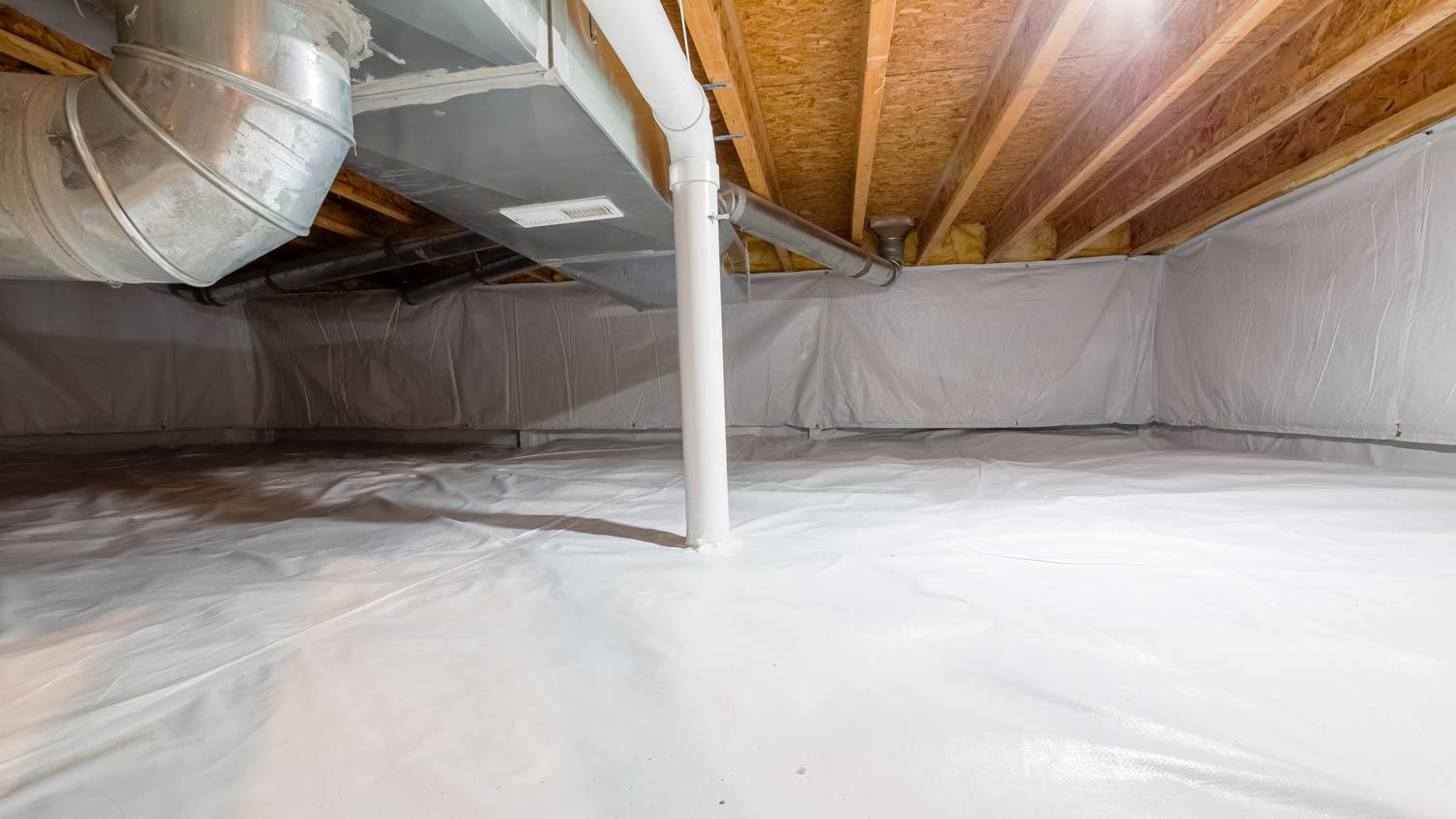
Crawl space dehumidifier costs are worth it if you consider their effect on energy bills and avoiding moisture damage. Learn what makes up the total cost of the project.
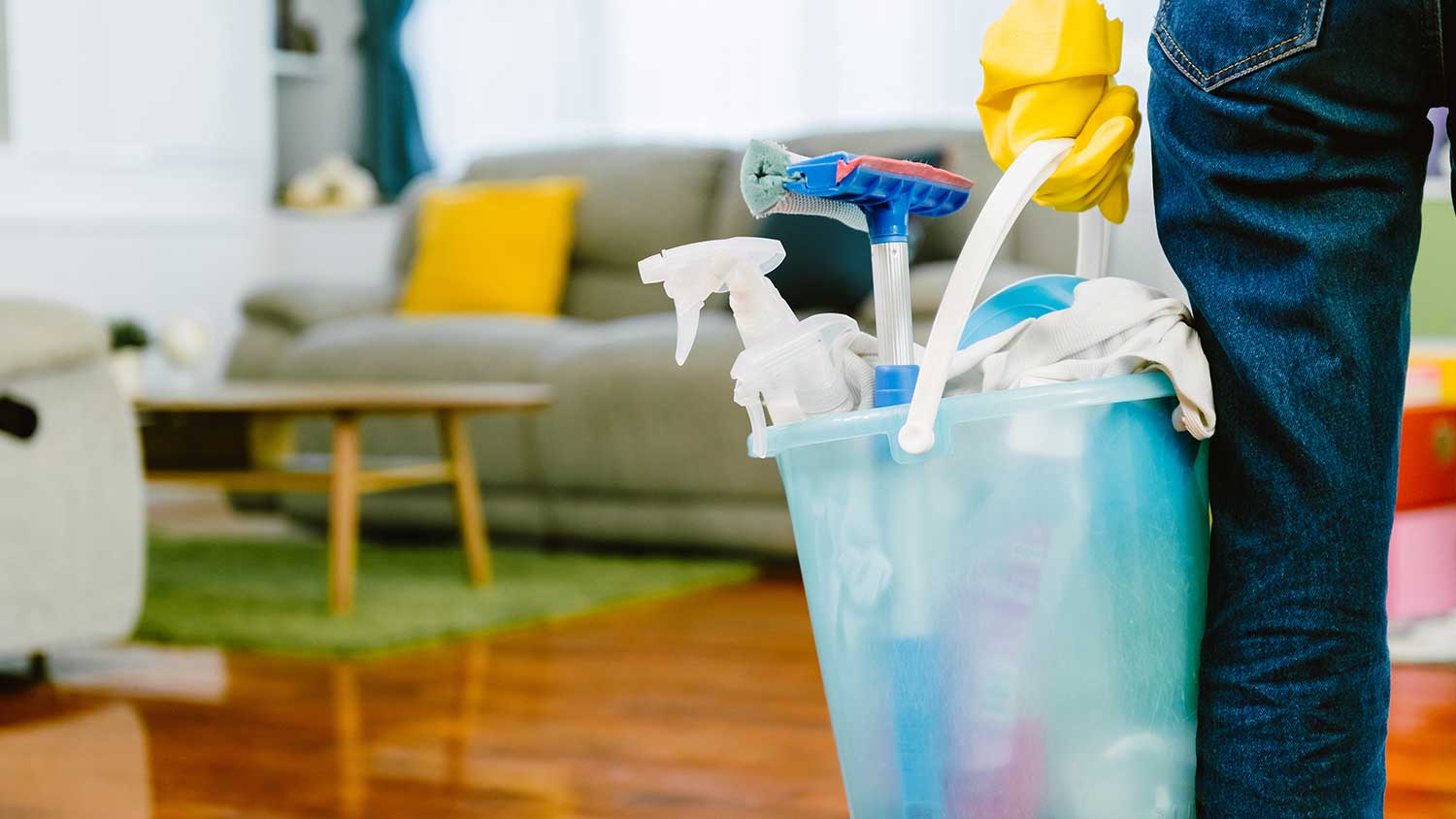
Crawl space maintenance can help improve indoor air quality and avoid structural damage. Learn how much crawl space cleaning costs and when to schedule it.
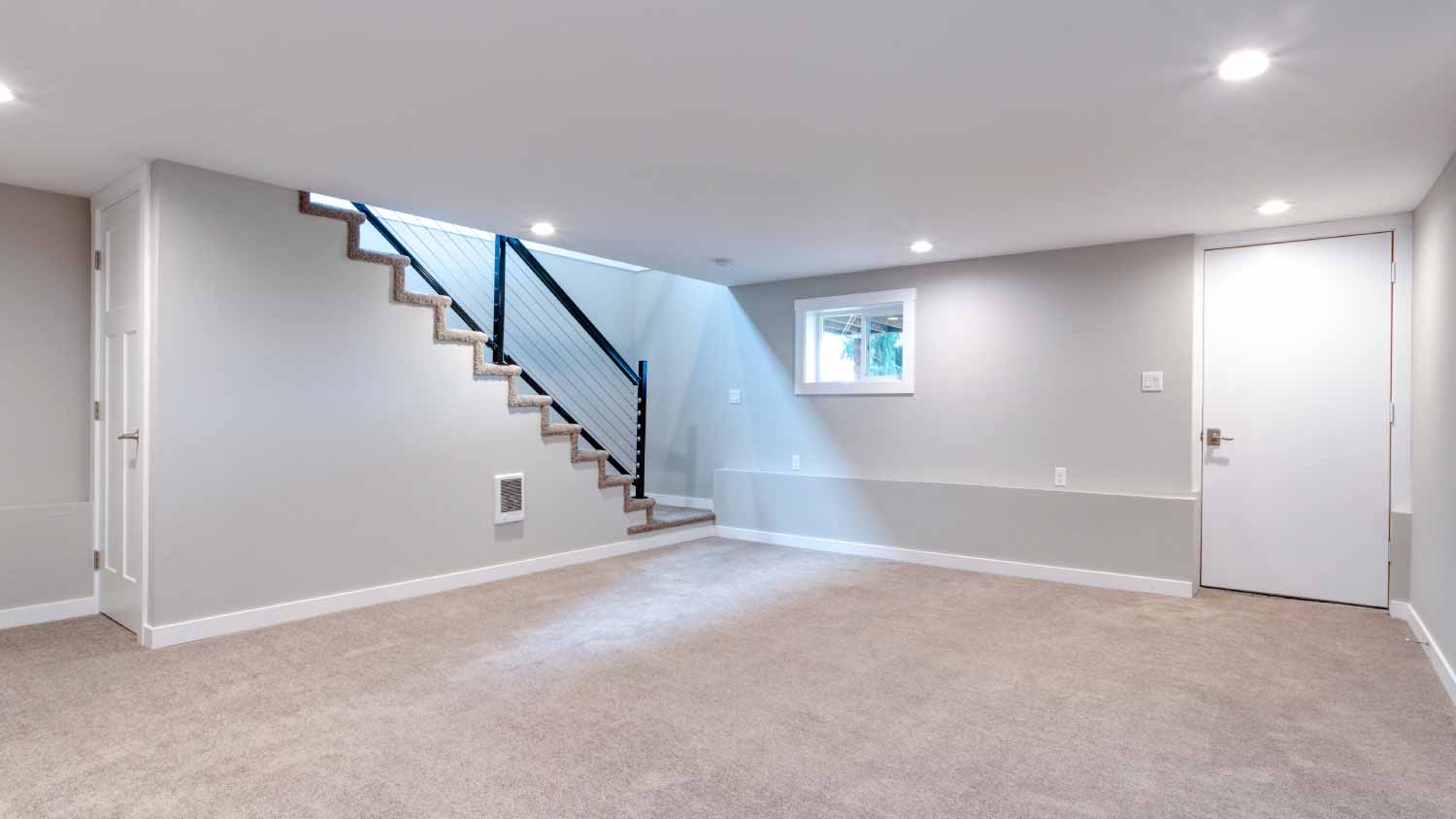
Unsure if a crawl space or a basement foundation is better? Learn about the pros and cons of each, how they compare, and which is better for your home.
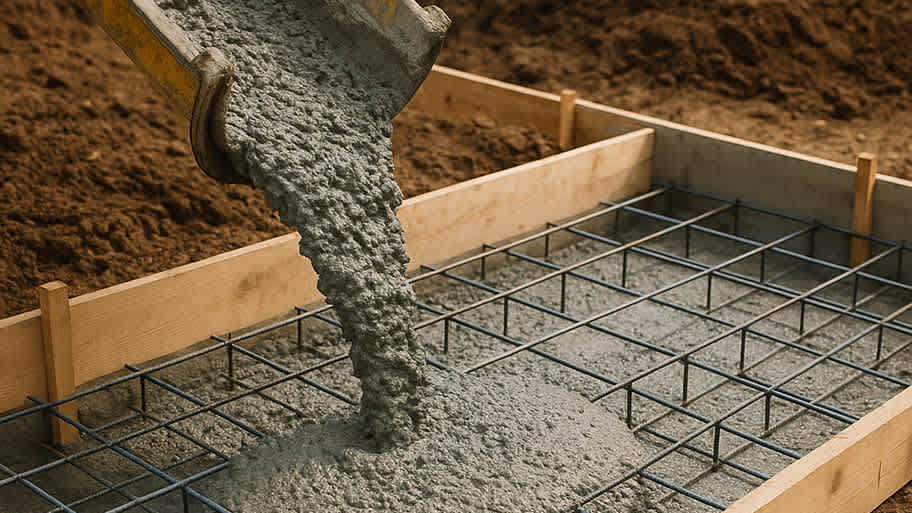
When it comes to comparing a slab vs. crawl space foundation, each has its pros and cons. Read on for a breakdown of these two foundation options.
Crawl space code requirements exist for good reason. This small space provides a buffer between you, your home, and the damp, wet earth below. Here's what to know.