

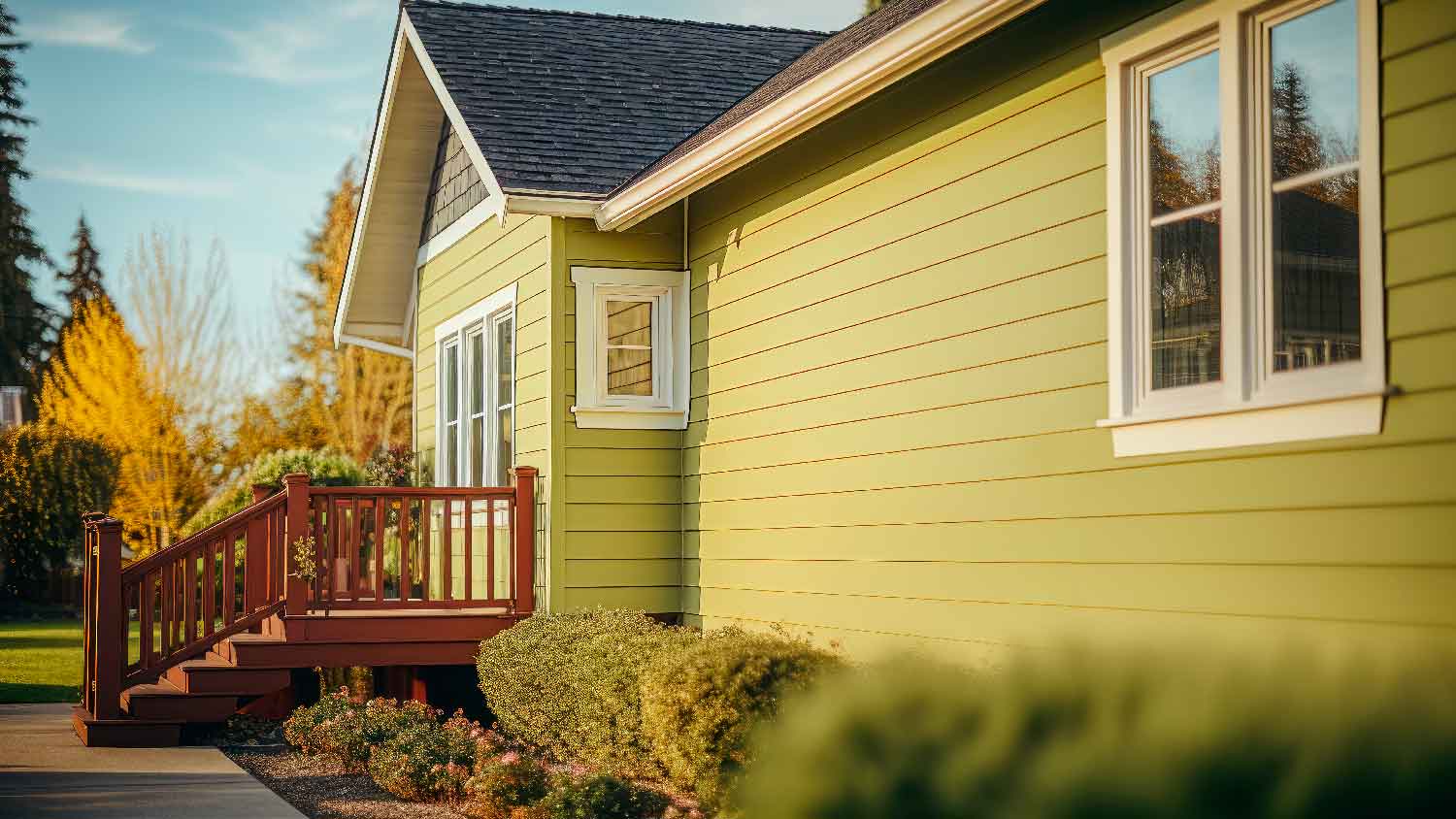
Insulated vinyl siding costs are about double traditional vinyl siding—but the energy savings are more than worth the investment. Learn more in our guide.
Learn the ins and outs (and pros and cons) of vinyl siding

Vinyl house siding offers affordability and low maintenance, with costs around $12,200 and no need to repaint, making it budget-friendly for your home.
Expect to pay $6,400 to $18,300 for professional vinyl siding installation, saving you $1,000 to $10,000 compared to other exterior siding options.
Your vinyl siding can fade from UV exposure and crack from temperature changes, so inspect it regularly for damage and replace panels as needed.
Hiring a local vinyl siding repair professional provides reliable help with installation and repairs, keeping your home protected and looking its best.
Vinyl siding has been around since the 1950s, but has come a long way since then. New vinyl siding can add beauty and longevity to the exterior of your home and tends to cost less than other types of siding. Available in a variety of styles, textures, and colors, vinyl siding makes it easy to create the look of your dreams. Wondering if vinyl is the best siding material for you? Taking a look at all the vinyl siding pros and cons will help you decide.
When taking on this project, expect questions only a pro can answer. With our network of local pros, you'll get the job done and your questions answered—without the hassle and stress of doing it yourself.
Vinyl siding is a type of exterior residential siding made from polyvinyl chloride (PVC). Manufacturers make this material into textured boards and panels, which normally resemble real wood. Manufacturers can infuse the PVC with dyes to give it a specific color for customization.
It’s an affordable, low-maintenance option, but it’s susceptible to damage from high heat and impact from hail or blown debris. Consult a local siding professional to determine whether this type of siding is right for your home.
| Pros of Vinyl Siding | Cons of Vinyl Siding |
|---|---|
| Affordable | Fades over time |
| Customizability | Low curb appeal |
| No need to paint | Can warp with heat |
| Possible to DIY | Sustainability |
| Low-maintenance | Can dent and crack |
| Lasts 20–40 years | Hard to paint |
| Insulating options | Low value add |
| Pest-resistant |
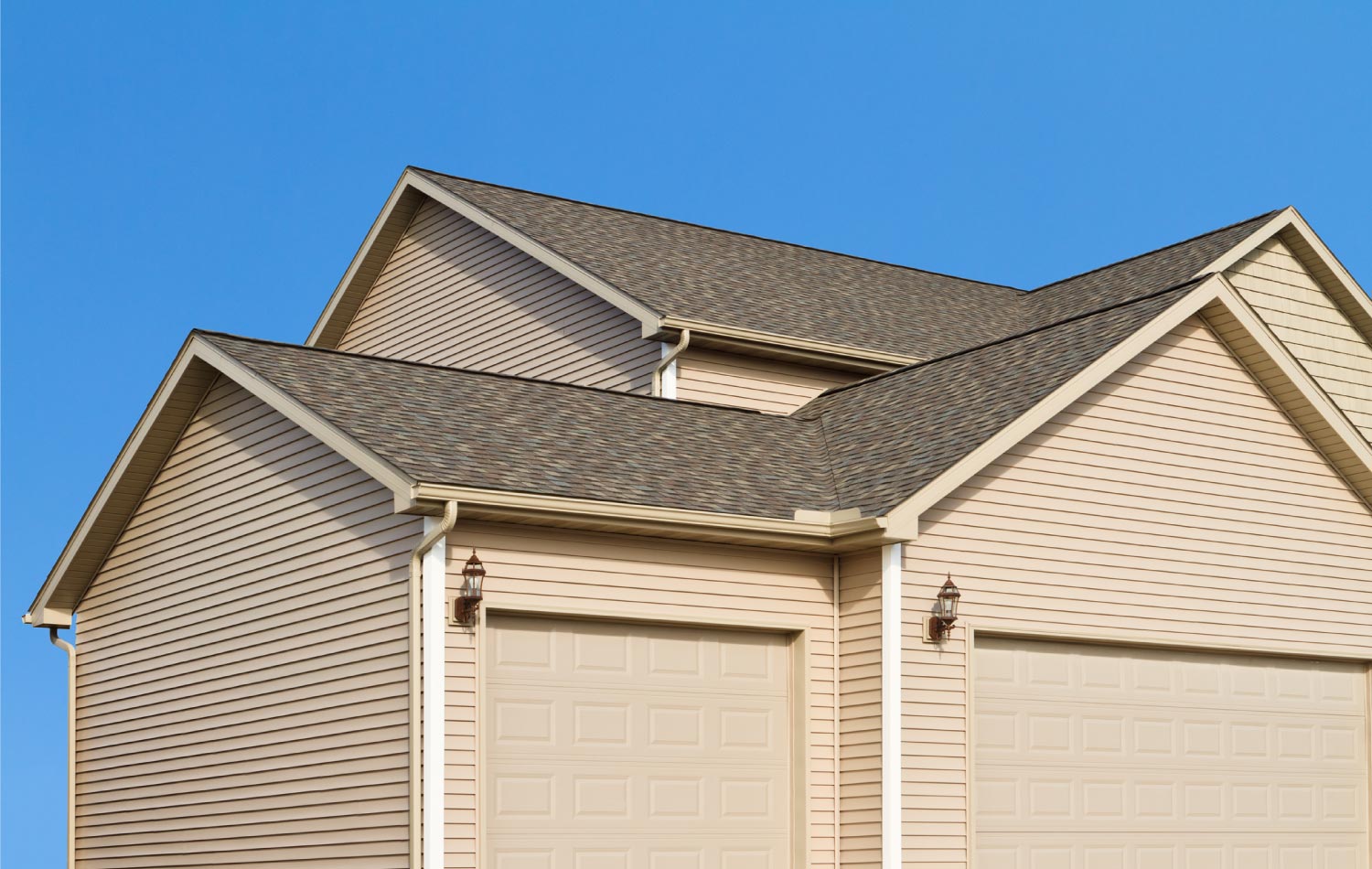
Whether you want a modern or traditional look, new vinyl siding can breathe new life into your home’s exterior. As one of the most cost-friendly siding options, vinyl is also long-lasting and easy to clean.
Vinyl siding costs less than other types of siding, largely due to the material prices. Labor costs are also lower, though, as vinyl is easier to install than most other materials. Vinyl siding could save you anywhere from $1,000 to $10,000 compared to other types of siding.
On average, vinyl siding costs $12,200 to install on an entire home, with most homeowners spending between $6,400 and $18,300 for materials and labor. Vinyl siding tends to be less expensive than stucco, fiber cement, engineered wood, stone, wood, brick, and stone veneer.
Just remember: Price isn’t the only factor to consider. For instance, when considering brick vs. vinyl siding, you’ll pay less for vinyl siding but lose the long-lasting and environmentally friendly benefits of brick.
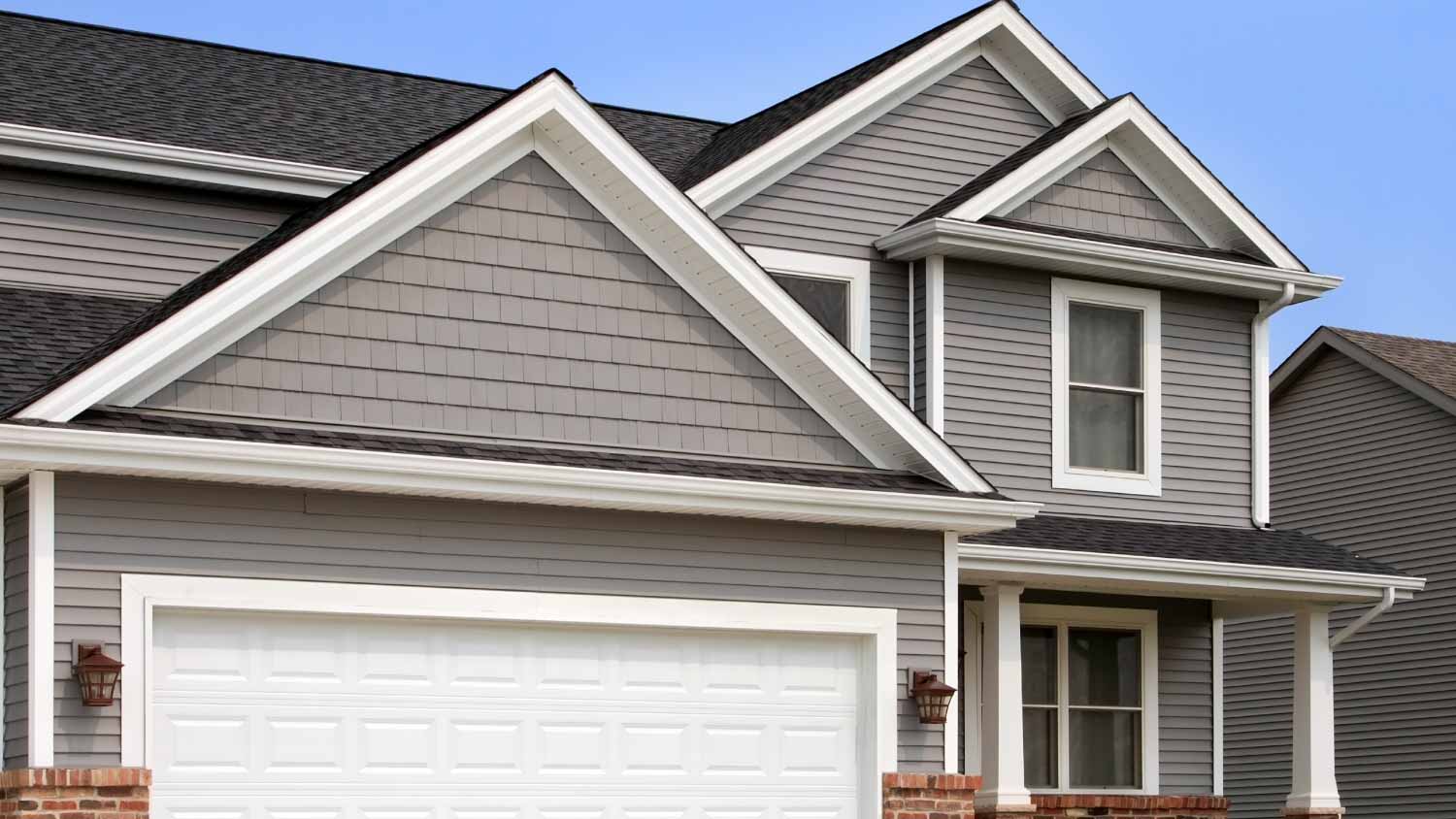
Available in a range of colors and textures, you can choose vinyl siding that looks like wood grain or a smooth modern surface. You can also choose between vertical and horizontal panels, clapboard and board and batten style siding, and more. Vinyl siding is also available in an endless number of colors for further customization.
Unlike wood siding that needs to be repainted or restained every two to five years, vinyl siding never needs to be repainted or refinished, which is rare among siding options. Even low-maintenance Hardie board siding made of concrete substrate still needs repainting every 10 to 15 years.
While vinyl never needs to be touched up with paint, you can choose to paint it for aesthetic reasons if you decide you need a change down the road.
When it comes to vinyl vs. wood siding or aluminum siding, which is easier to install? Vinyl takes the cake as far as installation. If you’re going to DIY siding, vinyl is your best option, as it’s the easiest to work with.
With that being said, while you can install vinyl siding if you’re experienced, it’s still better to hire a local siding installer in your area to ensure a quality job. Mistakes can still lead to major property damage that ends up costing you more to fix than you’ll save from DIYing.
Vinyl siding is incredibly low maintenance. Because it’s not painted, you won’t have to worry about the paint peeling over time, and it stays relatively clean on its own (a good rain now and then can wash away dirt and debris).
But that doesn’t mean you don’t ever need to lift a finger. So how do you clean vinyl siding, and how often?
Once or twice a year, grab your garden hose and spray down the exterior. Because of its slick surface, most debris and cobwebs come off with water. You can also make a vinyl siding wash with water and white vinegar to tackle dirtier areas; just scrub with a soft-bristled brush.
Be sure to read the cleaning recommendations from your manufacturer, as pressure washers can damage thinner and more brittle types of vinyl siding.
If you take a look at how long vinyl siding lasts, you’ll see a lifespan of 20 to 40 years, which is a shorter lifespan than most other siding materials offer. However, since it’s more affordable upfront than other siding styles, you end up getting great value for your money, even though the lifespan is limited. On average, new vinyl siding provides an ROI of 80%, and the average ROI for siding is closer to 70%.
You can get even more value for your money and more life out of your siding by learning how to repair vinyl siding yourself. That way, you can save on labor for any damages that do crop up.
Vinyl siding has a limited lifetime warranty from the manufacturer against cracking and fading. Realistically, 25 to 30 years is the lifespan.
Standard vinyl siding has very little insulation, but comes at a minimal cost. If your home needs additional or better insulation, you can invest a bit more in insulated vinyl siding to save on long-term heating and cooling costs. Options include installing a sheet of rigid foam insulation behind the vinyl or buying vinyl with insulating inserts pre-installed in the siding itself.
Carpenter bees, termites, and ants that frequently damage wood or engineered wood siding have no interest in vinyl. That makes this siding a great choice in areas that experience frequent pest infestations.
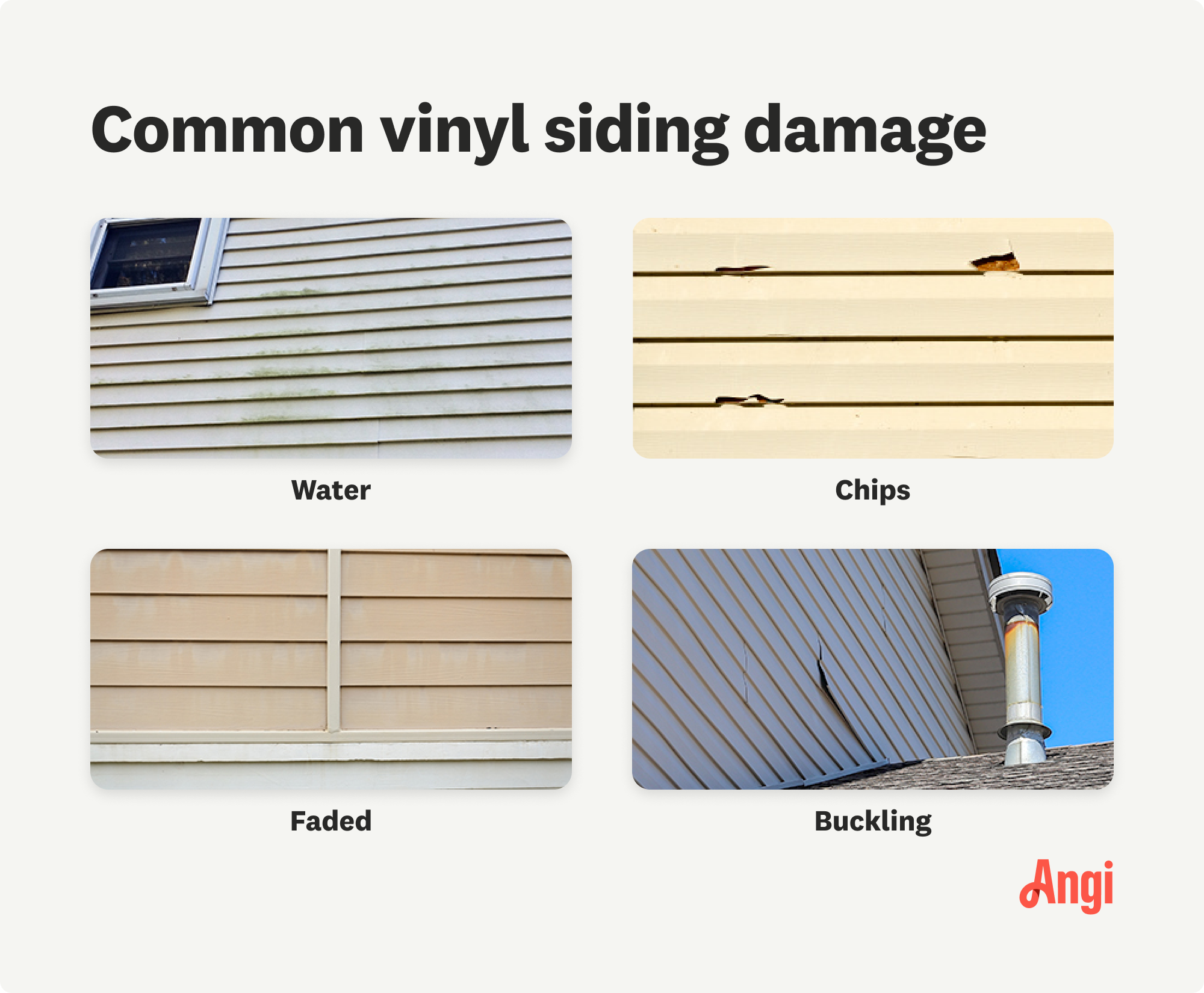
While there are a lot of upsides to vinyl siding, it’s not right for every home, and there are some important drawbacks to consider.
Most vinyl siding includes some built-in UV protection, but the color still tends to fade after 10 years from sun exposure and oxidation. UV damage can also weaken the PVC, making it more likely to crack and break. Because this is a natural process that happens over time, there’s not much you can do to stop it, and this is a big reason why vinyl siding has a shorter lifespan than other siding materials.
Any type of new siding will improve your curb appeal and add value to your home, but since vinyl doesn’t always appeal to all buyers, you’ll see less value added to your property than if you went with a high-end option like stone or brick.
This is especially the case with older homes. Vinyl can take away from the charm of an old house, although it really depends on the preferences of the buyer.
Vinyl siding can hide issues like water or moisture in your walls. While wood siding warps and peels when water seeps underneath, vinyl doesn’t show these signs. That means that leaks can persist without you noticing, leading to more internal issues than external damage. You likely won’t see mold growing on the outside of vinyl, but it could be proliferating underneath, which is an issue.
As temperatures fluctuate, vinyl siding panels will expand and contract. This can cause the individual panels to split and crack over time, especially if they aren’t installed properly. It’s always a good idea to purchase extra vinyl siding so you can replace panels as needed, but you won’t have this issue at all with some other types of siding.
Expansion and contraction are the main culprits behind cracked siding, but vinyl can also crack from impact. If your lawnmower throws rocks up while cutting the grass, a limb falls on the side of your home during heavy winds, or hail pelts the siding during a storm, you may see cracks and holes before you’d see them in other siding materials.
During the construction of vinyl siding, greenhouse gases, sulfur dioxide, and carcinogens are produced. When vinyl siding is on your house, it releases low levels of harmful chemicals. While there have been no studies that show it causes health problems for homeowners, you should choose a more natural option, like stucco, stone, or brick, if sustainability is a priority.
High temperatures, especially in direct sunlight, cause problems for many types of vinyl siding, especially those made with low-quality materials or produced in darker colors. This siding starts melting at around 160 degrees Fahrenheit, according to the Vinyl Siding Institute. That may sound very high, but siding warmed by the hot summer sun can reach temperatures beyond 200 degrees Fahrenheit. Vinyl may not be ideal if you live in an area that sees intense sunlight and high temperatures.
It’s possible to paint vinyl siding, but you need to be careful. Many standard exterior paints won’t adhere to vinyl, and dark paint can create heat-warping issues. For those reasons, some manufacturers warn that painting the vinyl will void its warranty, something you want to avoid.
The lightweight nature of vinyl siding has many advantages, but that also makes it vulnerable to some storm damage, especially heavy hail. Direct hail impact may crack vinyl siding, and windstorms that slam debris in walls can do the same. If your area is notorious for hail, it’s best to avoid vinyl siding.
While vinyl leads the pack when it comes to low-maintenance and affordable siding options, it's not the only choice for homeowners seeking easy and attractive products. Some homeowners are looking for architectural or high-end siding choices that are still easy to clean and maintain. Check out these alternatives to vinyl siding, which may provide better value over time.
| Siding Material | Cost (per Sq. Ft.) | Lifespan (Years) |
|---|---|---|
| Aluminum | $3–$6 | 20–40 |
| Brick | $10–$20 | 50–100+ |
| Brick veneer | $3–$10 | 50–100 |
| Engineered wood | $1–$6 | 20–30 |
| Fiber cement | $5–$14 | 40–70 |
| Stone | $7–$30 | 50–100+ |
| Stone veneer | $5–$11 | 30–75 |
| Stucco | $7–$9 | 50–80 |
| Vinyl | $3–$12 | 20–40 |
| Wood | $1–$15 | 20–40 |
Still wondering if vinyl siding is right for you? Exterior vinyl siding tends to work best and last the longest in specific areas.
Rainy, humid climates: Lots of moisture can be dangerous for wood, stucco, or brick siding, all of which can also harbor mold. Vinyl siding is largely immune to these issues, making it an excellent choice in areas that see heavy rain.
Areas with frequent pest infestations: If termites, carpenter ants, or other pests often make a meal of exterior wood in your region, defend against infestations using vinyl siding over something like wood or engineered wood, which can attract pests, especially as they rot.
Coastal areas with windy, salty air: The combination of wind and salt found on the coasts can be very corrosive for exterior materials, and siding takes the brunt of it. But vinyl has effective resistance against wind when properly installed, and salt doesn’t affect it, making it a popular siding choice for homes in coastal areas.
Locations free of fierce storms: Vinyl may have good defenses against moderate winds and storms, but it’s a lightweight siding and very strong winds can damage it or rip it off of your home. Vinyl siding may not be ideal in areas that experience hurricanes, tornado weather, or similar high winds.
Regions with mild temperature ranges: You don’t want your vinyl to become too brittle and break, or too hot and melt. It works best in temperate zones that don’t experience many freezing nights or days that hit 90 degrees Fahrenheit or more.
Cloudier areas: Vinyl fades with UV exposure. If your area has plenty of cloudy days, your vinyl siding will last and maintain its color longer.
So, you’ve weighed all these vinyl siding pros and cons and decided it’s the right choice for you. Now it’s time to buy. But where do you start?
Here are a few tips to make sure you purchase the right siding—and the right amount.
Focus on quality. Spend a little more for a higher-quality vinyl siding that will last longer. Look for high-quality vinyl that is 55-gauge or .55 inches thick for the greatest durability.
Be intentional about color. Review inspirational photos and homes in person to determine the colors you like best. Consider your neighborhood, too: what will mesh with the other homes or, if you prefer to be a trendsetter, what will make your house stand out? Painting vinyl is challenging, so choosing the right color up front is wise.
Consider a different style. Determine if you prefer vertical or horizontal panels or a combination of both in your design. You can create a custom look by mixing the patterns. You may also be able to create a unique look by mixing vinyl with brick veneer or other siding types.
Purchase more than you need. There will always be waste when installing siding. Plus, you’ll want extra vinyl siding panels as replacements if the siding on your home gets damaged. It’s a good idea to buy 10% to 20% more than you need, which you can determine by using a siding calculator.
Buy through a siding installer. You can buy vinyl siding from home improvement stores and construction supply companies. But you should also check with siding installers, as they can often get discounts on vinyl siding and other materials.
The guys at PaveWay are top notch. From the estimate to the job being completed,all was done in a timely and professional manner. I myself was a DOT Engineer Inspector(know what to look for) and got to talking with Cameron and he himself was a Contract inspector for a few years,same job as...
 All Star Paving and Sealing
I highly recommend KTM construction! I will look no where else for anything that needs to be done, in or out side of our property. The level of craftsmanship is 5 star service across the board! The level of detail, knowledge and professionalism is 5 star service across the board! Ken is a...
 KTM Construction, LLC
I purchased the "Big Deal": $199.00 for exterior pressure-washing of one- or two-story home up to 2,000 square feet. They cleaned the siding only. I wasn't aware when I bought the Big Deal that they would not do any other surfaces other than the siding (i.e. sides of the gutters or stucco). I...
 Complete Home Services
This brownstone is historical and the carpentry work is very detailed. I was very happy to secure a company in NY and living in OH to complete the request. Wood work on this brownstone has been existing since approximately 1888 and West side did a GREAT JOB. I will not be able to...
 Westside Home Improvement
Nice group of workers, very friendly. Day 1 covered everything before starting, seemed very organized. Things seemed to be going great. Day 2 they didn't show up until around 10:00a.m. and work crew was cut in half, was told they had another job. Day 3 they didn't show up until around...
 CertaPro Painters of Columbus
The work went great! Couldn't ask for better. Joel set a work start date. About the time of the storms that may have been associated with Sandy. He was half a day late. They set up on a Thursday. On Friday they had a full crew at work. By Monday they were finishing up. Now, the best...
 NJW Construction
A few months ago, a tree branch fell across my car, leaving a series of dents across the hood and driver's side fender. I took it to Rife's after reading the Angie's List reviews. Rife's did a great job! My car looks like new. And they made the process as easy as possible. When I came in...
 Rife's Autobody Inc
I received an email from Angie's List offering Car Detailing 4 U's services for $99. Coming from Angie's List, I expected this to be a highly dependable and qualified company that was known for doing exceptional work. I set the appointment for them to come to my home. They were arrive at...
We first had Mark fix the back patio and liked his work so much we had him make a brick patio on the side of the house. When we decided to change our concrete walkway to brick, we wanted Mark to do the job because his prices were fair and he did such good work on t he other two projects.
 Mark Monnette Masonry
I was very pleased with the cost and end result. I truly expected this job to cost me 50% more than it did. When you factor quality and cost, I would highly recommend Mark's services and plan to use him in the future. The best part was, I asked Mark to match the paint color in one section...
 Fresh Touch Custom Painting Inc.
From average costs to expert advice, get all the answers you need to get your job done.
Insulated vinyl siding costs are about double traditional vinyl siding—but the energy savings are more than worth the investment. Learn more in our guide.
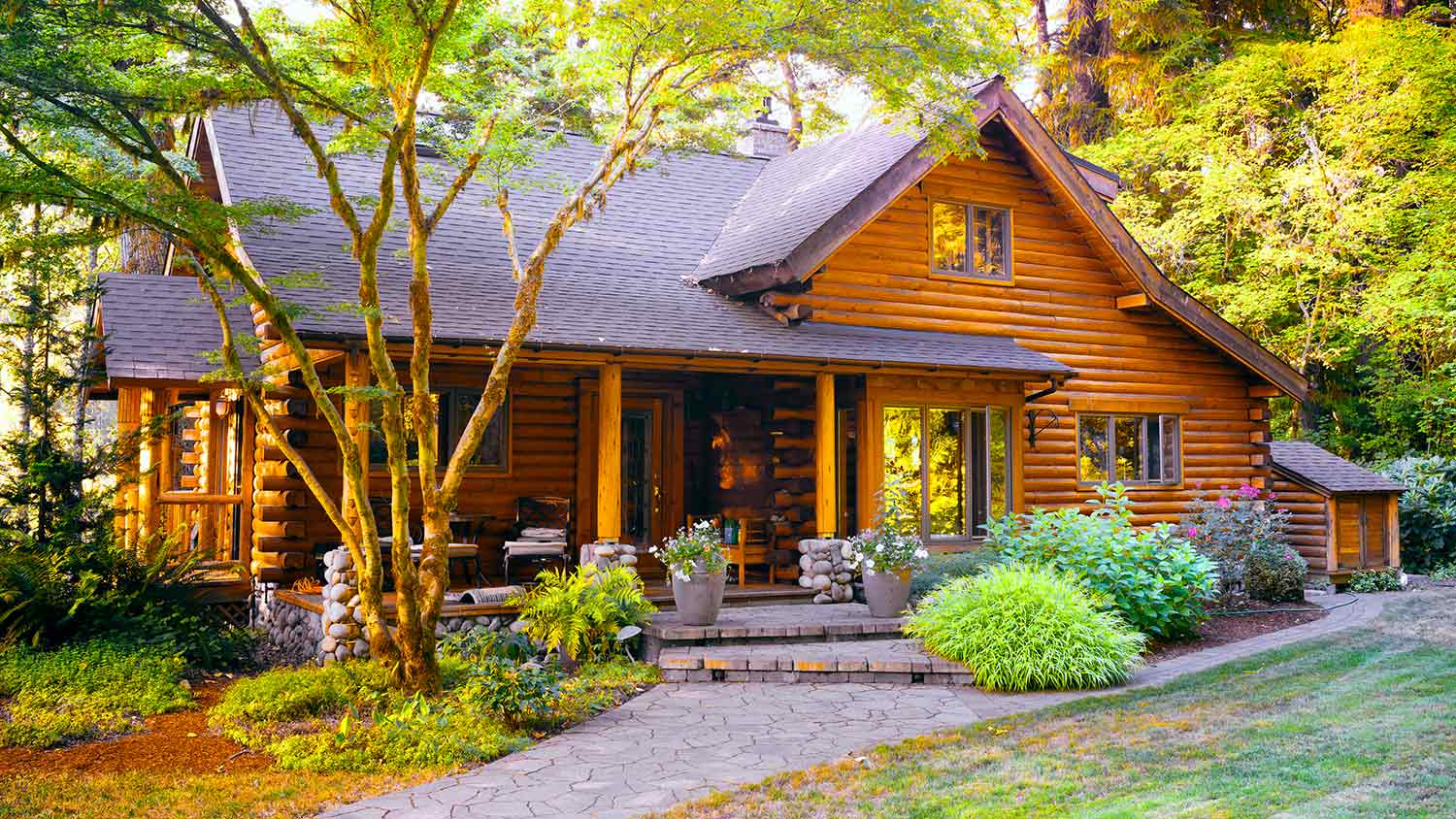
Love the rustic look of log cabins but want a more durable siding? Use this vinyl log siding cost guide to see if this is a good alternative for your home.
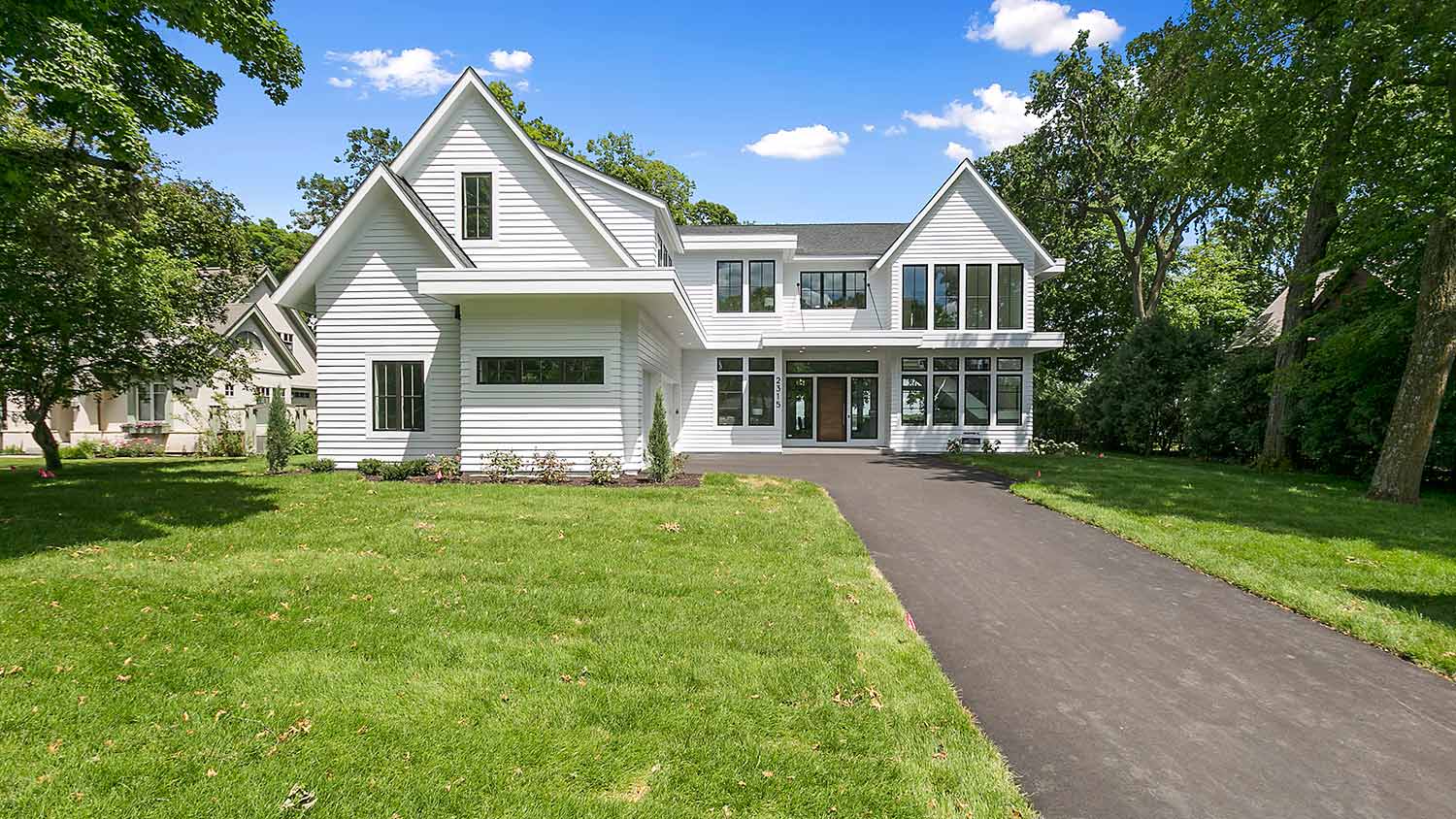
Not sure how much vinyl siding costs? To prepare your budget for an upcoming siding project, read on to learn about average supply and labor costs.
When it comes to aluminum vs. vinyl siding, both are strong opponents. Vinyl is more low maintenance, while aluminum is more durable. Read on to learn more.
Discover the pros, cons, and everything else you need to know about insulated vinyl siding.
Wondering why your vinyl siding is wavy? Chances are the installation is to blame. But the issue could be sunlight, heat, or foundation issues.