
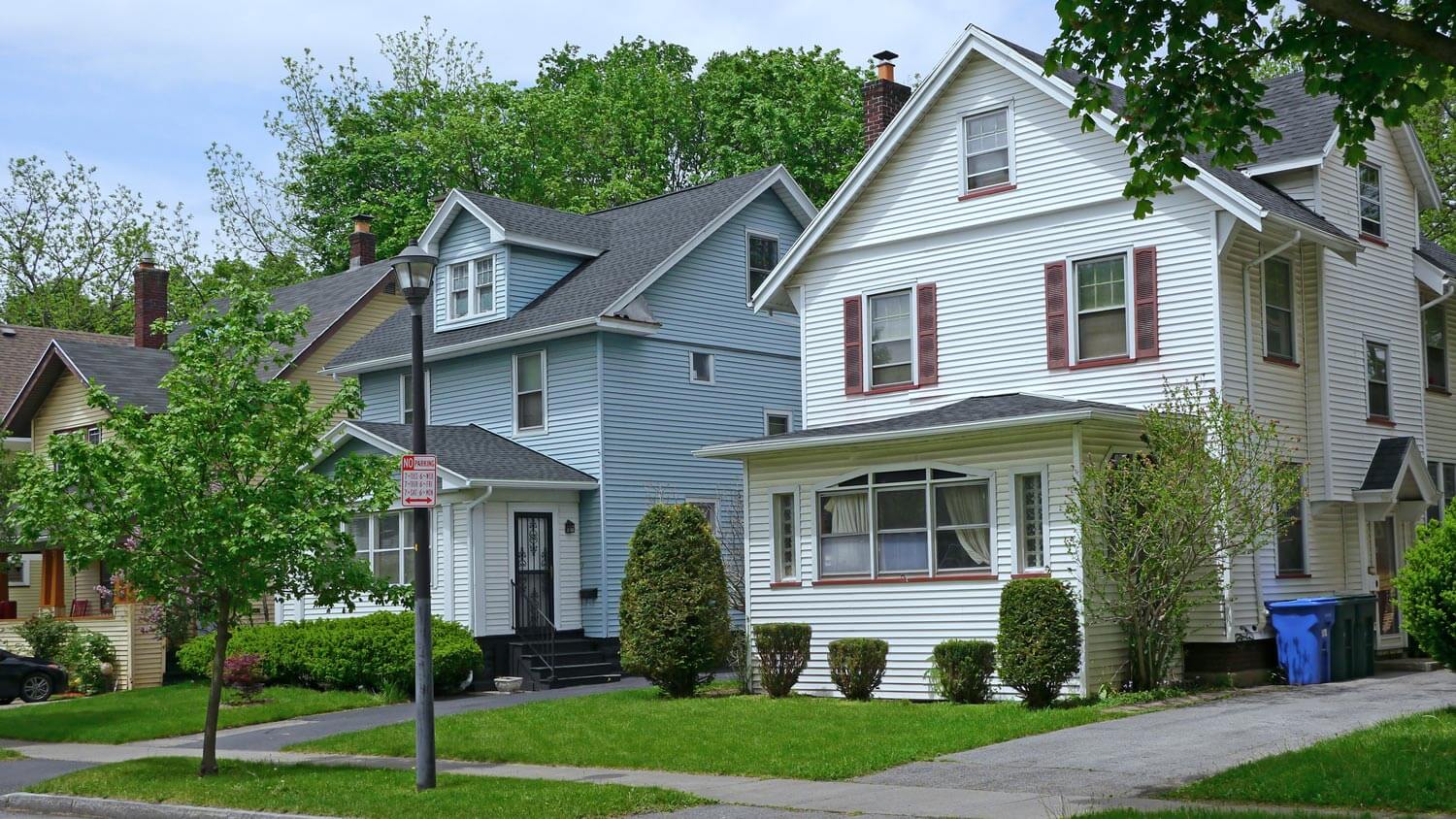
Aluminum siding costs between $4,500 and $19,000 on average, depending on the style, square footage, and local labor rates. Keep reading to estimate your budget.
Here’s what to know before you call your siding pro

Aluminum siding vs vinyl siding comparison shows aluminum offers waterproof protection with zero mold concerns, while vinyl resists rust and never needs painting.
Aluminum siding costs $3 to $7.25 per square foot with installation averaging $11,750, while vinyl costs $3 to $12 per square foot with installation averaging $12,205.
Aluminum siding is more durable and fireproof but dents easily, while vinyl offers better visual appeal yet can crack in extreme temperatures.
Hiring a local siding professional keeps your installation on track with proper measurements and fit, helping you choose between aluminum and vinyl confidently.
Aluminum siding and vinyl siding are both budget-friendly, reusable, and eco-friendly siding materials, sure to up your home’s siding game. Although they are similar in price points, they're quite different from one another when it comes to how they function on your home’s exterior. Discover all the factors that make each type of siding a solid choice, and also learn about any drawbacks you should consider.

Aluminum is a metal siding material that can give your home a more industrial look while providing pest, water, rot, and temperature-resistant properties. Vinyl siding is made from plastic and won’t rust in coastal homes where corrosion could be an issue. Slightly cheaper than vinyl, aluminum is more susceptible to dents, whereas vinyl siding is more susceptible to becoming brittle and cracking over time.

A fan favorite in the siding industry, aluminum is a durable material resistant to all kinds of pests, water, mold, mildew, and changing temperatures. Though aluminum can have a metallic, modern appearance, some aluminum siding tries to mimic real wood. It can also be painted to fit your home’s style. There are many practical reasons why you might choose—or avoid—aluminum siding, so check out the following pros and cons.
| Pros | Cons |
|---|---|
| Pest, water, fire, and rot-resistant | Appearance has an industrial aesthetic |
| Recyclable | Easy to dent |
| Paintable to fit your needs | Color fades over time |
| Easy to install | Pinging sounds in high winds and on hot days |
| Budget-friendly | Susceptible to saltwater corrosion |
Best for:
Homes with frequently changing or extreme temperatures
Those looking for a long-lasting siding
Homes prone to pests
Homes prone to mold and mildew
Those who want a low-maintenance siding
Homes with a contemporary aesthetic
For a tough, long-lasting material, aluminum siding is a top contender for homes in many parts of the country—but especially ones in extreme climates, where other siding might contract and expand. On top of that, aluminum siding is naturally resistant to all sorts of elements and natural wear and tear, including:
Fire
Water
Pests
Rot
Mold
Scratches
Cracks
This material won't fade over time and has a smooth, metal surface, making it easy to maintain over the years. Coming in at a low cost of just $3 to $7.25 per square foot, aluminum siding is also an economical choice that won’t require frequent repainting or laborious cleaning.
If you’re also looking out for your carbon footprint, you can rest assured that your aluminum siding is an eco-friendly option. Aluminum is virtually indefinitely recyclable, allowing the material to be reused again and again, though you might not need to recycle aluminum siding in your lifetime, thanks to its long life span of up to 50 years.
As budget-friendly and durable as aluminum siding is, the material still has several disadvantages that could impact whether or not you choose it. Firstly, aluminum siding is not a go-to material for your beach house. It can rust when exposed to salt water, so you’re better off choosing a salt-resistant material. Though aluminum siding requires fewer touch-ups than wood, you do need to repaint your aluminum siding every 10 years or so.
On a similar note, aluminum’s appearance isn't for everyone. And, while you can paint aluminum, this material doesn't entirely mimic the appearance of natural wood like engineered wood siding, for example. The style can be a good thing for homeowners who want a crisp or industrial vibe for their home's exterior, but if your style is a more rustic charm, aluminum might not be the best material.
Aluminum is a strong material, but it's still prone to denting. If you live in an area with frequent and intense hailstorms, this could cause problems with your aluminum siding. Speaking of intense storms, aluminum is a noisy material to have on your home’s exterior when it rains. This may be soothing for some, but for others, it could be a deal breaker.
Depending on the size of your home, you can expect to pay $4,500 to $19,000 for aluminum siding. The average cost of aluminum siding is $11,750, and the total bill depends on several factors, including labor, materials, painting, and whether you need a pro to remove the existing siding. For an accurate quote, consult a local siding installer with the specifics of your installation.
Vinyl siding is a plastic or polyvinyl chloride (PVC) resin designed to imitate the appearance of actual wood siding. This material is a popular siding material because of its affordability and low maintenance, but it does have its advantages and disadvantages. Consider the pros and cons of vinyl siding to find out if it’s the best fit for your house.
| Pros | Cons |
|---|---|
| Pest and rot-resistant | Moisture issues can go undetected |
| Rust resistant | Extreme weather can damage siding |
| No need to paint | Not as environmentally-friendly |
| Many color and texture options | May warp in hot temperatures |
| Budget-friendly | Can become brittle over time |
Best for:
Homes in climates with high humidity
Homes with pest problems
Those on a budget
Those who want a variety of color and style options
Low-maintenance homeowners
Like aluminum siding, vinyl siding is also pest- and rot-resistant. An added plus is that vinyl siding won't rust or corrode when it comes in contact with salt water. Because vinyl is infused with the color of your choice, you also don't need to paint your vinyl siding, making it even easier to maintain your siding.
Though vinyl siding doesn't fully resemble real hardwood siding, this material comes in over 350 color options and many textures to give you more customization for your home’s exterior. Vinyl siding also is affordable at between $3 and $12 per square foot on average.
As versatile as vinyl siding is, you’ll still see this siding material has its own specific downsides worth keeping in mind. For example, vinyl siding is prone to cracking and breaking over time, as the plastic becomes more brittle due to UV damage and hot weather conditions. If you live in a location with extreme heat or cold, this might not be the right siding for you.
It can also be challenging to discover water damage behind vinyl siding. The very same waterproof quality shoppers look for in a material can also be its downfall. Vinyl siding can trap moisture behind it if improperly installed. Your home could have a bigger problem on hand by the time you discover the leak without maintenance checks for signs of water damage.
While vinyl siding can be recycled, it is more limited in what can be done with the materials. Vinyl siding can’t be mixed with other polymers during the recycling process.
The cost of installing vinyl siding is slightly higher than that of aluminum siding. The average cost to install vinyl siding is $12,205, with most projects ranging between $6,375 and $18,250. Your total installation bill depends on the type of vinyl siding, home size, permits, inspections, and whether your pro needs to remove existing siding.

Here is how aluminum siding stacks up against vinyl siding. It’s likely that either option could work great for you, but these differences will help you decide if you’re wavering between choosing aluminum siding and vinyl siding.
There are lots of different color and style choices for both aluminum and vinyl siding. Besides solid colors, you can get both aluminum and vinyl siding with a faux wood grain look. When you compare the two different materials with wood-grain looks, vinyl tends to be more realistic.
Overall, aluminum siding tends to add an industrial vibe to a building, and it may not fit your visual goals. You should check out the different types of metal siding to see if aluminum is the best option for you. Vinyl siding is a little more flexible in appearance, although it’s not as luxe as brick or stucco.
When looking at different types of vinyl siding, you may notice that this material choice may not work well for historical homes.
Both aluminum and vinyl siding are available in a variety of thicknesses. The thicker the siding, the more durable it is. Standard vinyl siding is 0.44mm, although you can get premium-grade siding as thick as 0.52 to 0.55mm. Standard aluminum siding is also 0.44mm or 44 gauge, although you can get 53-gauge siding.
All in all, aluminum siding is more durable because it’s fireproof and waterproof, with zero concerns for mold or mildew growth. However, this siding can dent and scratch easily (although the scratched areas don’t rust like steel siding would).
The downside to vinyl is that extreme weather can damage it. In extreme cold, the siding can crack, and it can even melt in extreme heat. When you get cracks in the siding due to the cold, you have to watch out for mold and mildew issues that may arise.
Aluminum siding costs $11,750 on average. On the other hand, vinyl siding costs $12,200 on average. The cost of siding can vary depending on the quality of the material you choose and on labor costs. Insulated vinyl siding costs around $14,000, to put that in perspective. But all in all, both are affordable and fairly similar in price.
Aluminum siding is easy to install because the material is flexible and light. Vinyl is also fairly easy to work with, and you don’t need to paint it, which makes the installation process a lot faster. Neither project is easy to take on as a beginner DIYer. For both materials, you should have experience and knowledge of working on ladders and basic carpentry skills.
If you’re an advanced DIYer, then it’s possible that you can learn how to install aluminum siding or vinyl siding. Doing so can be a good way to cut down on the overall costs, as labor costs anywhere from $1 to $4 per square foot of material.
However, if you don’t have experience installing siding, then the best option is to hire a siding contractor near you. They’ll make sure to get the job done safely and correctly. Best of all, you won’t need to break a sweat.
Vinyl siding is easier to repair than aluminum because you can simply replace one or two panels as needed. However, with aluminum, it’s very difficult to remove and install new siding because it’s very difficult to color match. This is because the color of aluminum siding changes over time.
However, if there is water damage or you need mold remediation on vinyl siding, the repair process is much more laborious than replacing aluminum siding.
Both aluminum and vinyl siding are easy to maintain and only require power washing. However, aluminum siding needs repainting every five to 10 years, while you never have to repaint vinyl (as long as you never painted it).
Aluminum siding lasts about 40 years, while vinyl siding lasts 20 to 40 years. So generally, when considering vinyl or aluminum siding, the latter lasts longer. You can help your vinyl siding achieve the longest life span possible by doing regular cleaning twice a year and fixing any damage promptly.
Aluminum siding is a better insulator than vinyl, so you’re likely to cut down on energy bills. Also, you can recycle and repurpose aluminum siding, making it a more eco-friendly option. However, aluminum mining has negative environmental impacts.
Vinyl manufacturing is also harmful to the environment, but you can recycle it as long as you or your metal siding contractor takes it to a recycling center that accepts recycled vinyl siding.
Though aluminum and vinyl siding are popular siding materials, wood siding, engineered wood siding, and fiber cement composite are a few alternative siding materials to consider. As with aluminum vs. vinyl siding, each comes with a set of pros and cons that could impact your choice.
For example, compared to vinyl siding, wood siding requires more maintenance but offers a natural charm, engineered wood offers the appearance of natural wood without the high price tag but is still prone to water damage, and fiber cement composite offers more water resistance than wood but comes at a higher price.
If you’ve made your choice and are ready to contact with a professional to have your siding installed, you should contact several local siding contractors to compare quotes and get the job done right. An incorrect aluminum or vinyl siding DIY installation can result in costly water damage repairs, so unless you’re confident in your ability to install the siding yourself, don’t attempt to do it yourself.
The guys at PaveWay are top notch. From the estimate to the job being completed,all was done in a timely and professional manner. I myself was a DOT Engineer Inspector(know what to look for) and got to talking with Cameron and he himself was a Contract inspector for a few years,same job as...
 All Star Paving and Sealing
I highly recommend KTM construction! I will look no where else for anything that needs to be done, in or out side of our property. The level of craftsmanship is 5 star service across the board! The level of detail, knowledge and professionalism is 5 star service across the board! Ken is a...
 KTM Construction, LLC
I purchased the "Big Deal": $199.00 for exterior pressure-washing of one- or two-story home up to 2,000 square feet. They cleaned the siding only. I wasn't aware when I bought the Big Deal that they would not do any other surfaces other than the siding (i.e. sides of the gutters or stucco). I...
 Complete Home Services
This brownstone is historical and the carpentry work is very detailed. I was very happy to secure a company in NY and living in OH to complete the request. Wood work on this brownstone has been existing since approximately 1888 and West side did a GREAT JOB. I will not be able to...
 Westside Home Improvement
Nice group of workers, very friendly. Day 1 covered everything before starting, seemed very organized. Things seemed to be going great. Day 2 they didn't show up until around 10:00a.m. and work crew was cut in half, was told they had another job. Day 3 they didn't show up until around...
 CertaPro Painters of Columbus
The work went great! Couldn't ask for better. Joel set a work start date. About the time of the storms that may have been associated with Sandy. He was half a day late. They set up on a Thursday. On Friday they had a full crew at work. By Monday they were finishing up. Now, the best...
 NJW Construction
A few months ago, a tree branch fell across my car, leaving a series of dents across the hood and driver's side fender. I took it to Rife's after reading the Angie's List reviews. Rife's did a great job! My car looks like new. And they made the process as easy as possible. When I came in...
 Rife's Autobody Inc
I received an email from Angie's List offering Car Detailing 4 U's services for $99. Coming from Angie's List, I expected this to be a highly dependable and qualified company that was known for doing exceptional work. I set the appointment for them to come to my home. They were arrive at...
We first had Mark fix the back patio and liked his work so much we had him make a brick patio on the side of the house. When we decided to change our concrete walkway to brick, we wanted Mark to do the job because his prices were fair and he did such good work on t he other two projects.
 Mark Monnette Masonry
I was very pleased with the cost and end result. I truly expected this job to cost me 50% more than it did. When you factor quality and cost, I would highly recommend Mark's services and plan to use him in the future. The best part was, I asked Mark to match the paint color in one section...
 Fresh Touch Custom Painting Inc.
From average costs to expert advice, get all the answers you need to get your job done.
Aluminum siding costs between $4,500 and $19,000 on average, depending on the style, square footage, and local labor rates. Keep reading to estimate your budget.
Not sure how much vinyl siding costs? To prepare your budget for an upcoming siding project, read on to learn about average supply and labor costs.
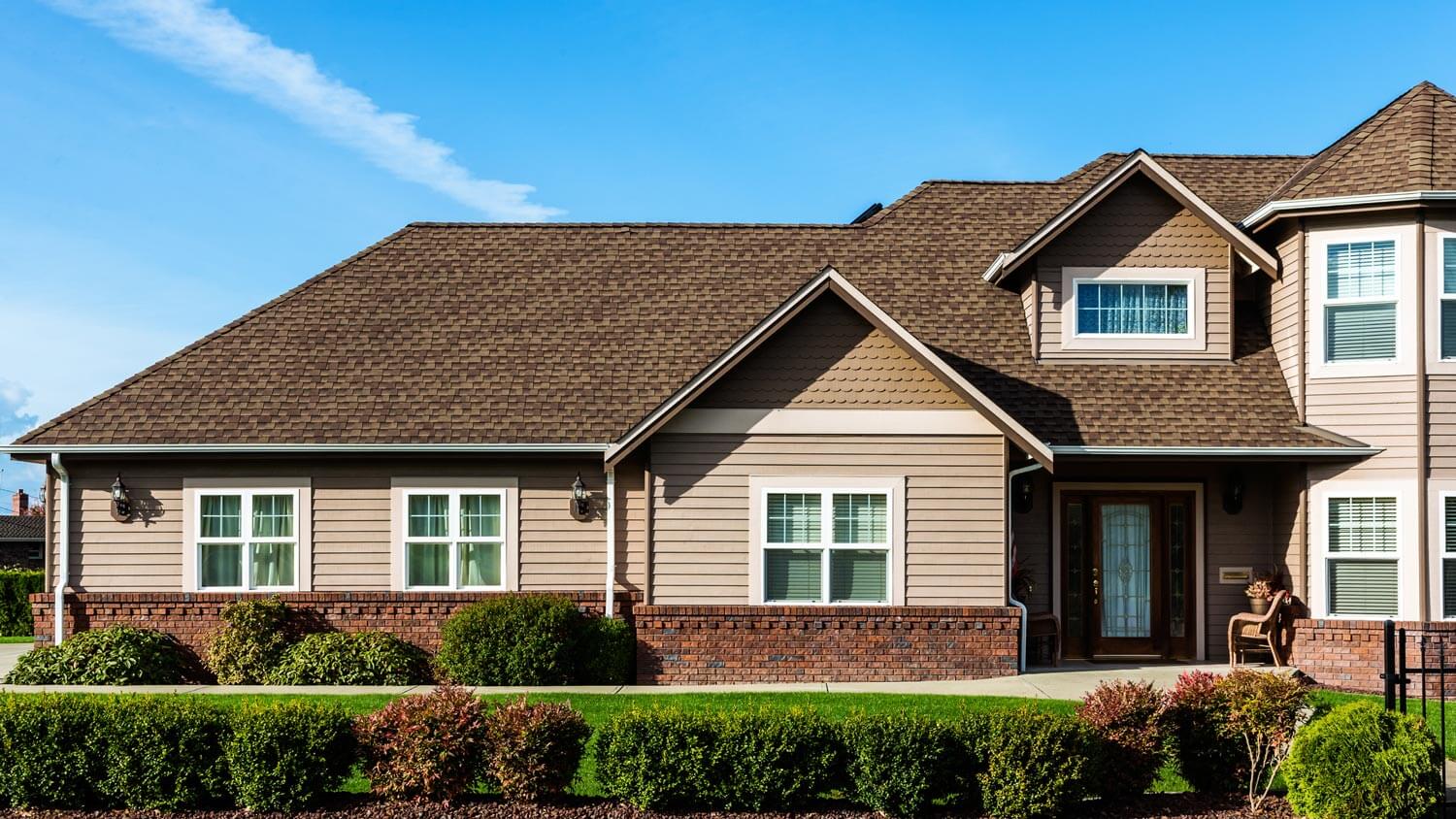
The cost to paint aluminum siding depends on several factors, including type of paint and labor cost. What are the pros and cons of DIY or hiring a painter?
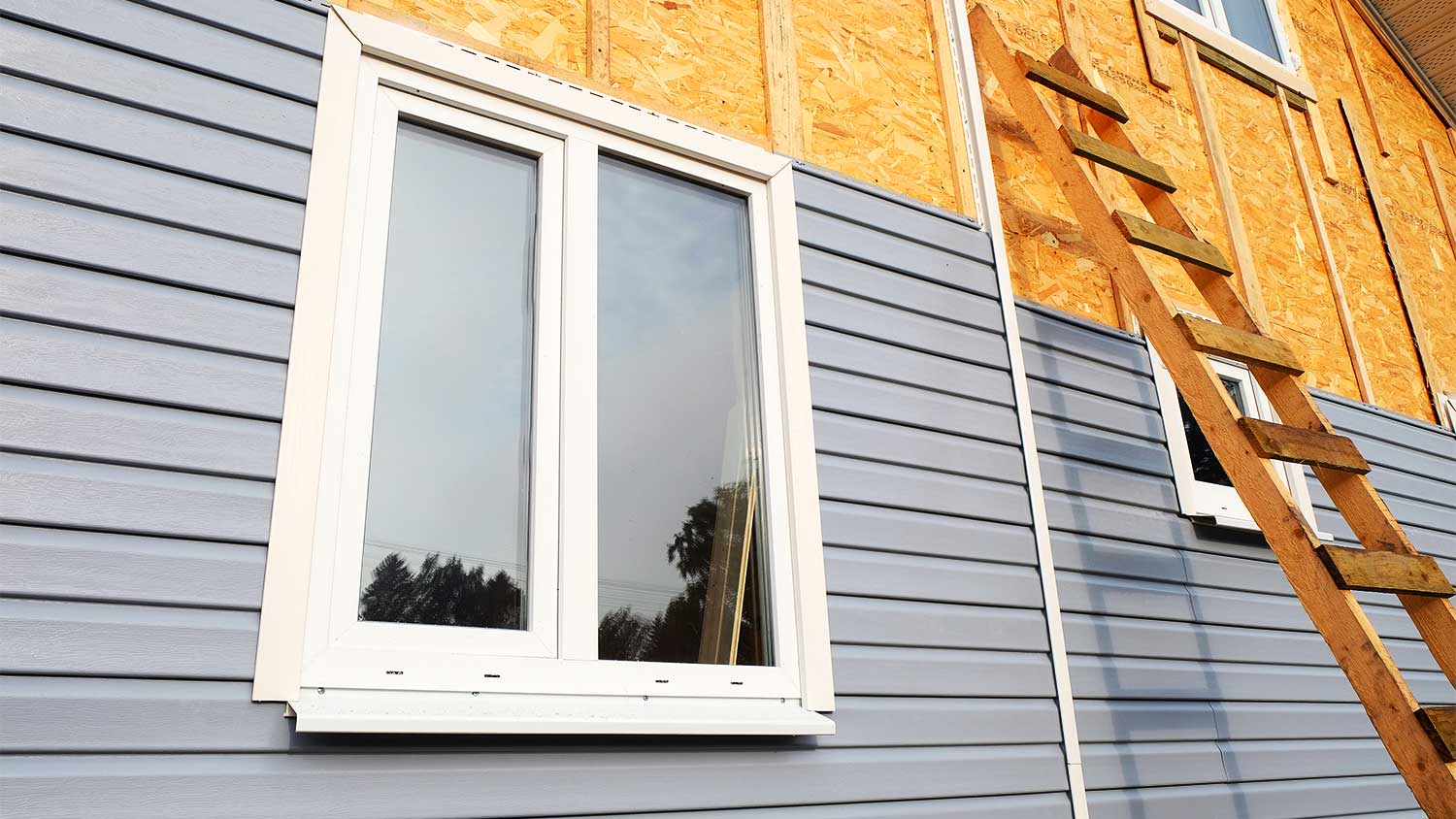
In this guide, we break down the strengths and weaknesses of the two most popular materials for home exteriors to help you choose the best one for your needs.
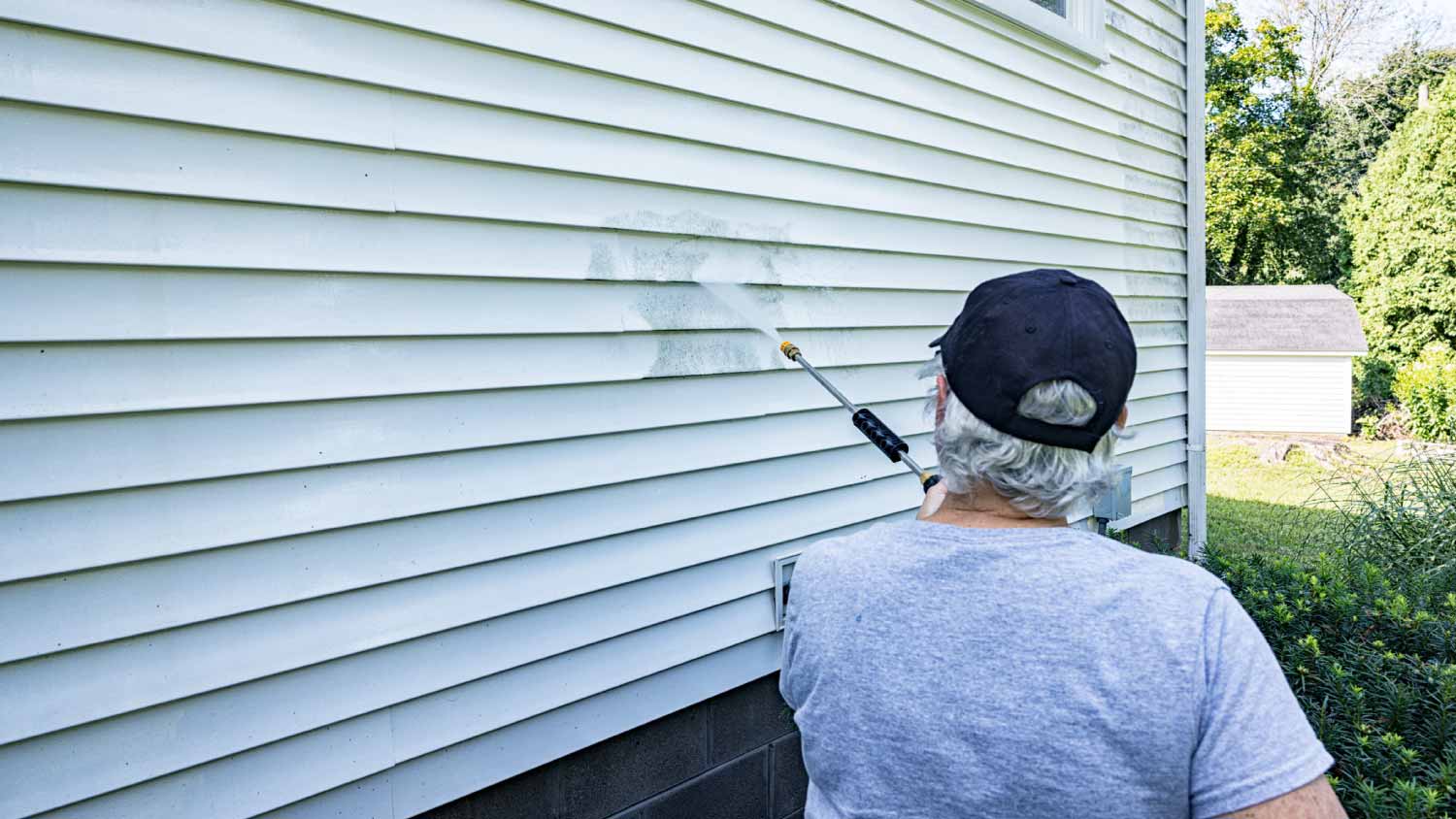
Not sure you want to go with the standard siding material for your home? Learn about vinyl siding pros and cons to see if there’s a better option.
When it comes to vinyl vs. aluminum windows, you should consider price, insulation, and longevity. Learn about other differences and which is best for you.