
•
Discover the cost to install recessed lighting. Discover how price factors, labor, and other considerations can help you save on your lighting project.
Explore the ins and outs of white vs. yellow light

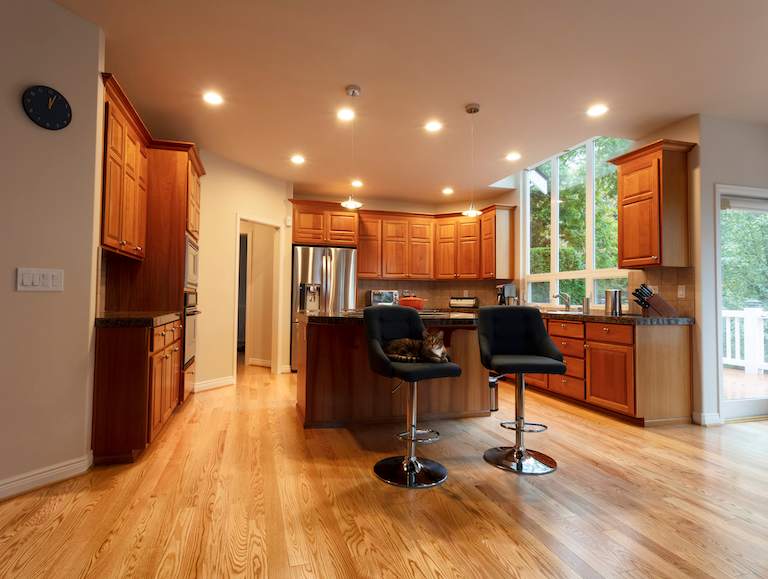
White light versus yellow light differs in color temperature, with white light at 5,000K to 6,500K and yellow light at 2,700K to 3,500K.
White light bulbs cost $2 to $10 per bulb, while yellow light bulbs cost $2 to $5 per bulb for your home.
Your choice depends on room purpose: white light suits workspaces where you need focus, while yellow light fits bedrooms and relaxation areas.
Hiring a local light fixture installation professional provides friendly guidance on selecting bulbs and fixtures that match your lighting needs perfectly.
Besides personal preference, there are some specific uses for white vs. yellow light. Picture white light as the poster child for modernity and clarity, while yellow light gives off warm and cozy vibes. Depending on the mood, ambiance, and energy efficiency you’re looking for, this guide is here to help you make thoughtful lighting choices tailored to your home's unique needs. Illuminate your space the way you want as you discover if white or yellow light is the perfect glow for your lifestyle.
White light, with its higher color temperature, is like the superhero of accurate color rendering. It’s perfect for spots where you need to nail the exact shade, like design studios. Yellow light, on the other hand, gives off warm, cozy vibes which are perfect for rooms where relaxation is key. Dive into more big differences between white and yellow light below.
| Feature | White Light | Yellow Light |
|---|---|---|
| Color temperature | 5,000 – 6,500K | 2,700 – 3,500K |
| Mood and ambiance | Bright, energizing | Warm, comforting |
| Sleep impact | Bad for sleep | Good for sleep |
| Applications | Workspace or kitchen | Bedroom, great room |
| Flicker | High flicker | Less flicker |
| Dimming | Lots of options | Limited range |
| Energy efficiency | High | Lower |
| Cost | $2 –$10 per bulb | $2 – $5 per bulb |
White light nails color accuracy, which is great for places where you need colors to pop. White light is also ideal for spaces where color accuracy matters, such as art studios or galleries. It enhances the vibrancy and true representation of colors in artwork and decorative elements. White light has higher Kelvin (cooler) temperatures, often around 5,000K to 6,500K, which can resemble natural daylight.
Yellow light, with its warm tones, can play with colors a bit, giving a cozy feel but only sometimes true to the original shades. For instance, it can cast a green hue over an area if the space has blue light. Yellow light has lower Kelvin (warmer) temperatures, typically between 2,700K and 3,500K.

Watch out, night owls! White light, especially in the evening, can disrupt your circadian rhythm. It's like a mini sunrise, telling your brain to stay awake. So, keep it dim when bedtime approaches. White light is more often used in areas where you need to see things clearly, such as task-oriented spaces. Since it can also resemble daylight, it’s good in spaces where you need to be alert and focused.
Yellow light creates a warmer and softer ambiance and is better suited for areas with a cozy and inviting atmosphere rather than those that need precision in showcasing colors. The warm tones of yellow light are also kinder to your sleep routine. They signal to your brain that it's time to chill, making it a friendlier option for cozy evenings and bedtime ambiance as it allows your eyes to rest and your body to calm down.
Some people may perceive flicker more easily with certain types of white light, especially in fluorescent or low-quality LED sources. This flicker can cause discomfort or fatigue over extended periods.
Generally, yellow light sources, like incandescent bulbs, have a smoother and less noticeable flicker, making them a preferable choice for individuals sensitive to flickering light.
Ready for a movie night? White light, especially in LED form, usually offers better dimming capabilities. It can smoothly transition from spotlight-bright to soft glow, giving you total control over the vibe.
While yellow light is excellent for creating a laid-back atmosphere, its dimming range might not be as extensive as white light.

Yellow light, with its warm and inviting glow, may not be as energy-efficient as its white counterpart, making it a preferred choice for settings where you need ambient lighting over a primary lighting source.
White light, particularly in advanced LED technology, boasts greater energy efficiency and reduces long-term electricity costs.
The cost of white and yellow lighting can vary based on several factors, including the type of bulbs, technology, and energy efficiency.
Traditional incandescent bulbs, which often emit a warmer yellow light, tend to be less expensive, typically costing between $2 to $5 per bulb. Alternatively, energy-efficient options like LED bulbs, which often emit white light, may have a higher initial cost, ranging from around $2 to $10 per bulb.
Check current prices and consider factors such as energy efficiency and lifespan when comparing the cost of yellow and white light bulbs. Prices can also vary based on geographic location and market conditions.
If you’re still unsure which to choose, don’t hesitate to contact a light fixture expert near you. They know how to pick the right light bulbs for your fixtures and create the ideal lighting your space is looking for.
Custom Paint Jobs LLC gave our office a fresh new look. Clients love it!
 Custom Paint Jobs, LLC
Best painters in the Greater Columbus, Ohio area. Quality of work second to none and customer service is head above shoulders than everyone else. I cant wait to work on another project with Silvio and Team!
The Mosby team went above and beyond for my project. They not only installed my light fixture; they also worked through an old, wonky, and as it turns out incorrect wiring issue from the work of prior contractors. Professional, thorough, conscientious, and kind. Five star experience. Thank you!
 Mosby Electric
We had a 20+ year old landscape lighting system that needed replacement. Midwest Lightscapes worked with us to design a much improved lighting system, lighting the exterior of the house and the back yard. Installation of the 45 light system took one and one-half days, and went very smoothly....
 Midwest Lightscapes
Jeff was a consummate professional. Responsive, courteous, and focused on meeting our needs. I had a small project of installing and replacing two ceiling light fixtures. He responded to my Home Advisory inquiry within 24 hours and in a span of two weeks our light fixtures were installed. ...
For several months I was looking for somebody to tile a wall in my master bath and move lighting fixtures, and could not find anybody who was responsive. I contacted Rowe through Home Advisor and within days they came by to assess the job and provide an estimate. The cost was very...
 Rowe House Development
A team of 2 spent 5 hours, cleaning top to bottom (removed all light fixture and cleaned.... impressive!!!)
 Luzia's Cleaning
It went very well. I was able to select the color blocks I wanted and where they would be placed in the window. All of the employees were very pleasant and patient. The guys who installed the window arrived promptly, did their job, and there was nothing for me to clean up. The window looks...
 Innovate Home Org - Columbus Glass Block
The initial quoted price from a walk-through seemed high, but we discussed that the quote represented worst case scenario (re-wiring to two floors) and we were excited about the opportunity to have the work done in a timely manner with closing for fire safety reasons, etc. When the job was...
Charlie recommended a separate fan with new lighting to clear steam from the room better. Several weeks ago I contacted Charlie via email to ask about pricing and scheduling, after one follow up he did reply with cost and said it would be about two weeks before he could do the work. I replied...
 Settle Muter Electric
From average costs to expert advice, get all the answers you need to get your job done.
Discover the cost to install recessed lighting. Discover how price factors, labor, and other considerations can help you save on your lighting project.
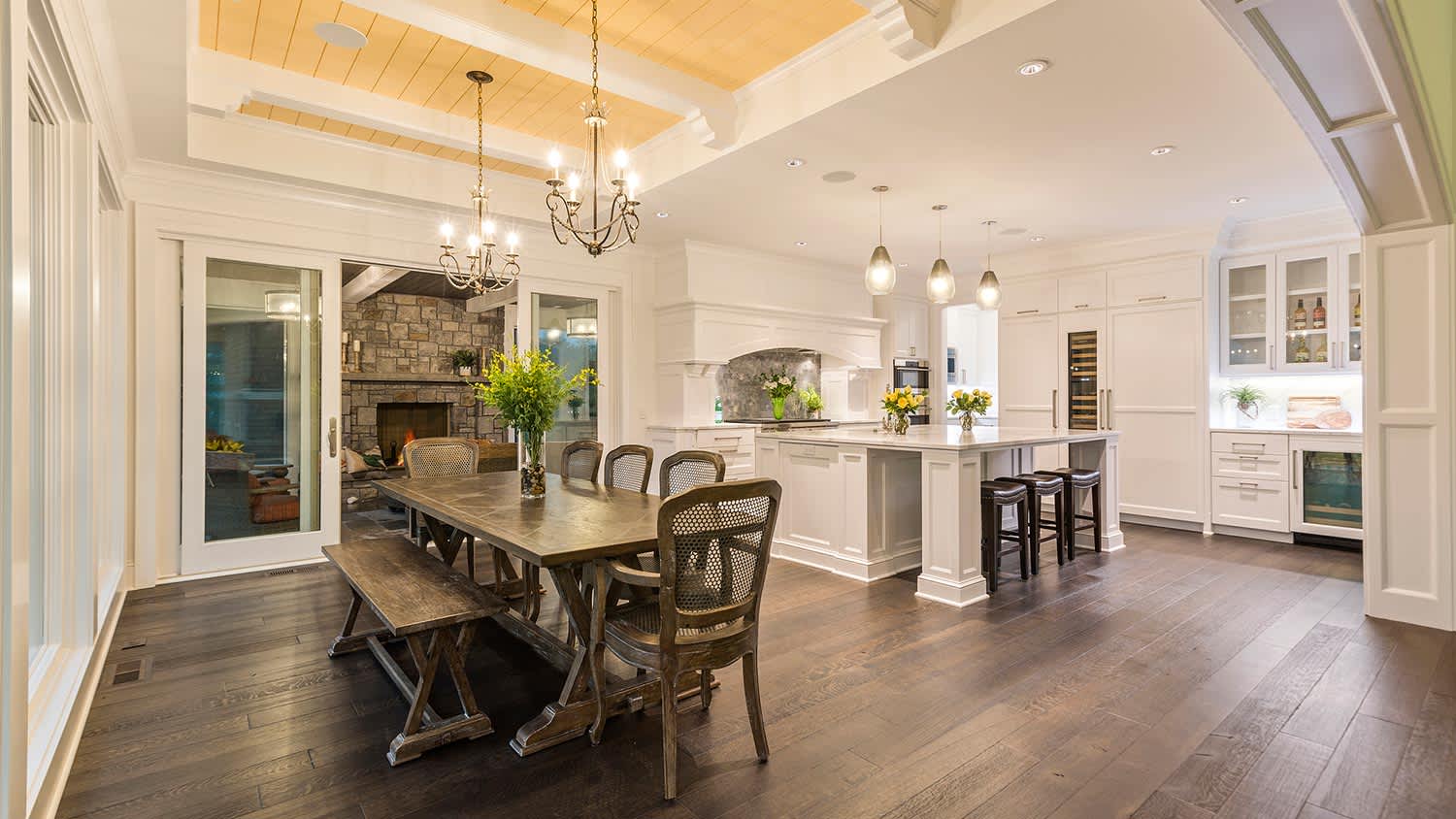
Light fixtures are important elements in any home. Find out how much it costs to install a light fixture based on factors like type, location, and labor.
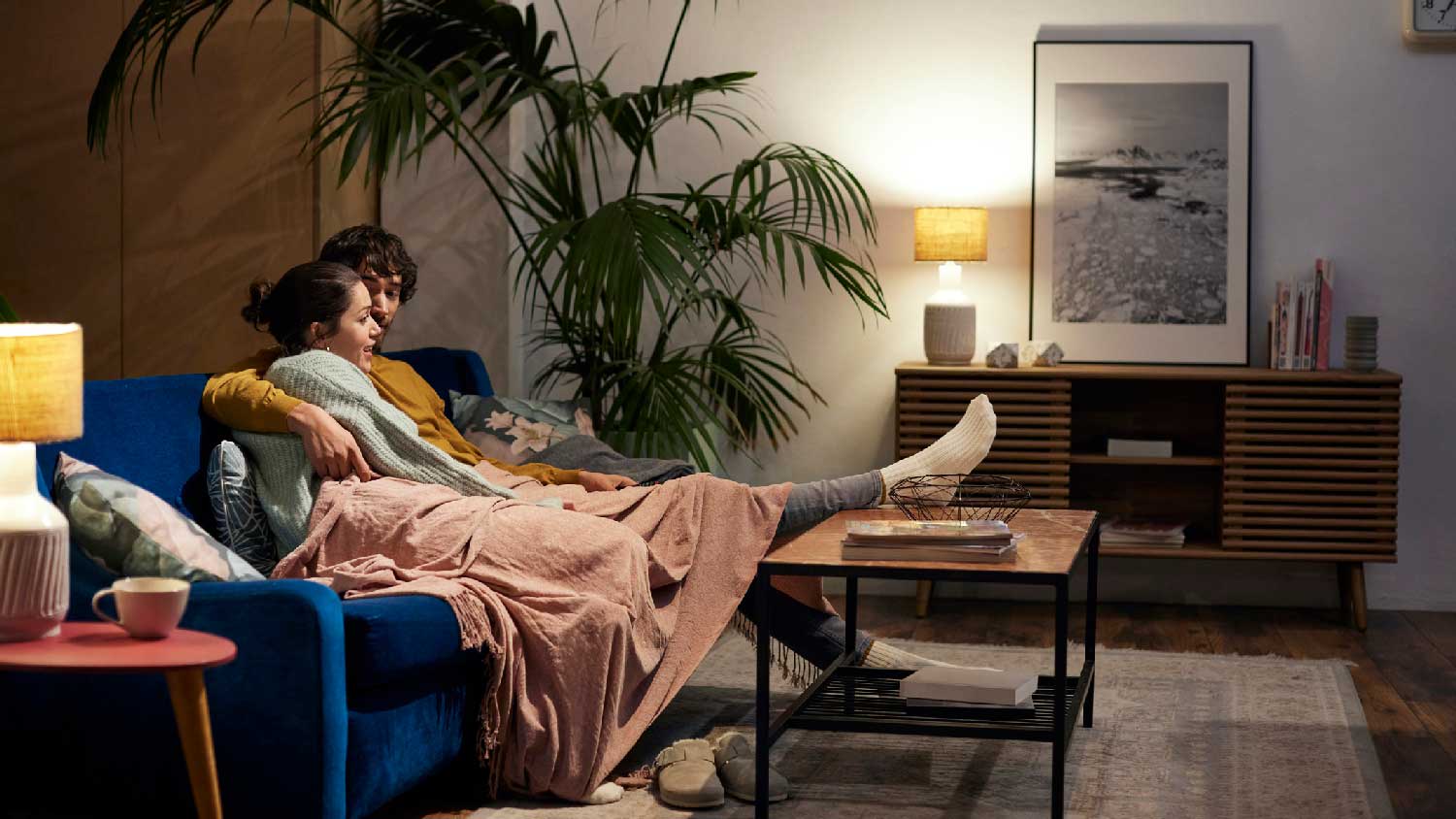
The right lighting can greatly enhance every living space in your home. Here’s a guide to help you choose between soft white vs. daylight light bulbs.

Is there a difference between cool white vs. warm white Christmas lights? Yes, but you can’t go wrong with either option. Learn what’s different here.

Lighting aisle feeling overwhelming? This article explains the different types of light bulbs, watts, lumens, shapes, sizes, colors, and more.
When you want to light up a specific area, flood lights and spotlights are go-tos. Learn the key differences between flood vs. spot lights.