

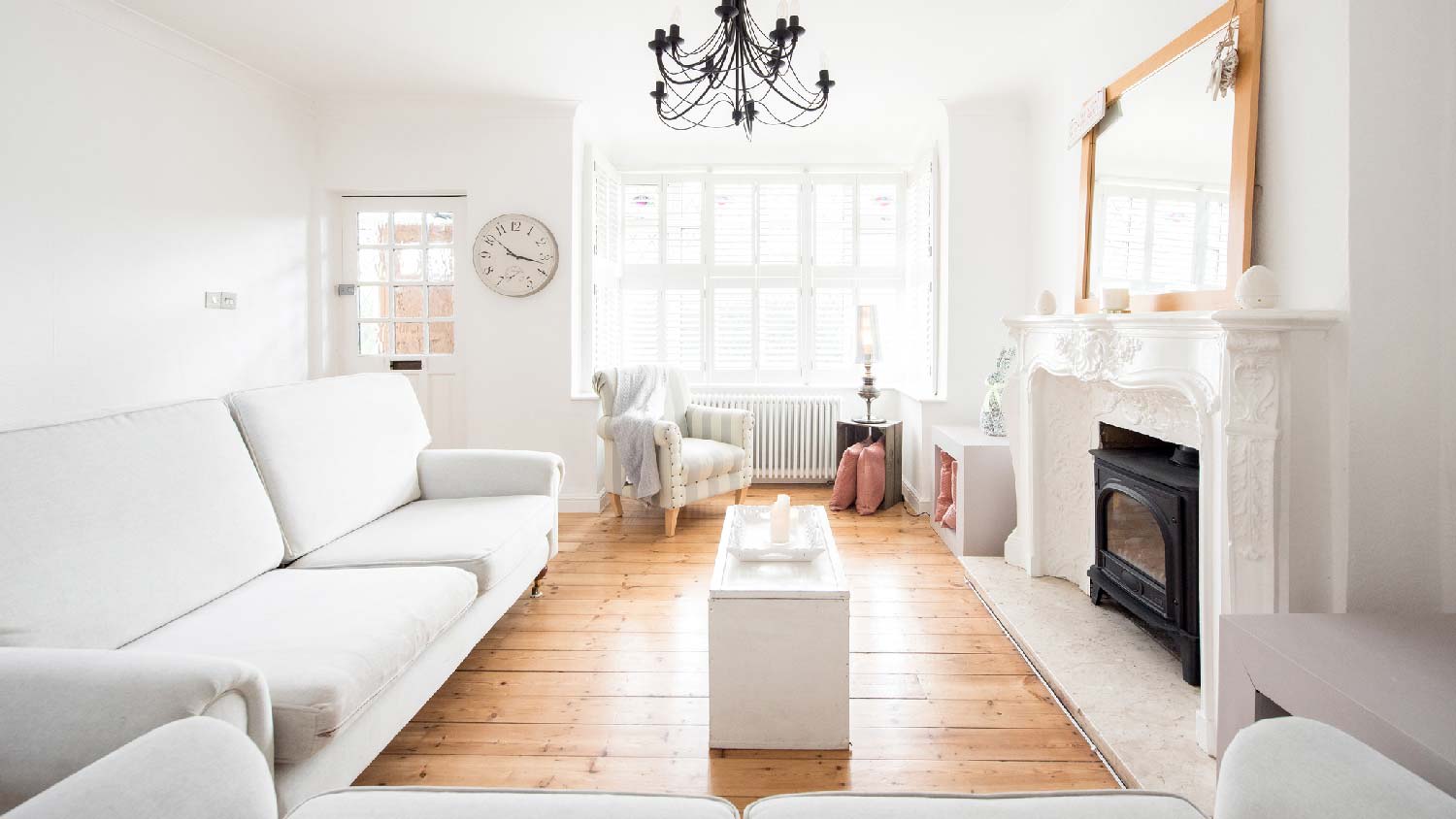
The cost to replace plaster with drywall can quickly add up. This guide will help you budget for this project and decide if it's worth the effort and cost.
Infuse personality into your home interior

Your plaster wall coating options range from smooth and sophisticated finishes to textured surfaces like sand, pebbledash, scrapped, roughcast, and luxurious Venetian plaster.
Expect to pay $2 to $10 per square foot for standard plastering, while premium Venetian plaster finishes cost $10 to $25 per square foot.
Choose your finish based on your design style, budget, and maintenance comfort level, knowing that smooth finishes suit contemporary spaces while textured options add character.
Hiring a local drywall professional provides skilled application and polishing expertise, especially for complex finishes like Venetian plaster that require meticulous layering and burnishing techniques.
Transforming the appearance and ambiance of interior spaces often begins with the choice of wall and ceiling finishes, and plaster finishes are a timeless and versatile option. From sleek and smooth surfaces to textured and rustic designs, plaster offers a wide array of possibilities to elevate your interior design. Whether you're seeking timeless elegance, cozy charm, or a touch of luxury, learn about the different types of plaster finishes to help you make informed choices to achieve the desired look and feel in your living spaces.
Here are the outlet types you find in most U.S. homes:
15-amp, 120-volt (2-prong and 3-prong): The standard household outlet for lamps, TVs, and chargers.
20-amp, 125-volt: A higher-power outlet for kitchens, laundry rooms, and workshops.
240-volt (20-amp to 50-amp): A large-appliance outlet for dryers, ranges, and EV chargers.
GFCI: A shock-protection outlet for kitchens, baths, and other wet areas.
AFCI: A fire-protection outlet for bedrooms and living spaces.
Tamper-resistant: A child-safe outlet with internal shutters, now standard in new homes.
Weather-resistant: A corrosion-resistant outlet built for outdoor use.
Convenience types: Switched, combination, USB, smart, and rotating outlets.

An interior wall design that exudes sophistication and elegance is a smooth interior plaster finish. This type of finish requires multiple coats of plaster, meticulous sanding, and attention to detail to achieve a flawless and perfectly smooth appearance. Its classic and timeless look can complement any interior space, be it contemporary, minimalist, traditional, or transitional.
Offers a timeless and sophisticated aesthetic that complements a wide range of interior styles.
Provides the perfect canvas for painting, allowing colors to appear richer and more vibrant.
Effectively conceals minor wall imperfections.
Can be highly durable and long-lasting when properly maintained.
Easy to clean, making it suitable for high-traffic areas.
Reflects light evenly, brightening up rooms and creating a sense of spaciousness.
Can be labor-intensive and time-consuming, often requiring multiple coats and sanding between layers.
Necessitates a skilled plasterer or contractor to ensure a flawless result.
Tends to be more expensive than some other wall finishes.
May be prone to hairline cracks over time in environments with significant temperature fluctuations.
Repairing and matching the texture of a smooth plaster finish can be challenging.
May not be the best choice for areas prone to moisture.

Choosing a textured interior plaster finish for your walls can add depth, character, and visual interest to your space. Unlike the flat surfaces of traditional plaster finishes, textured plaster creates patterns and a tactile quality that brings an organic charm to any interior. This versatile option can improve the atmosphere of both contemporary and rustic spaces.
Creates an intriguing focal point in any room.
Excellent at concealing minor imperfections in the wall surface.
Comes in a wide variety of patterns and styles.
The tactile quality can add warmth and a sense of coziness to a room.
Can be highly durable and resistant to wear and tear when properly maintained.
The surface can be more challenging to clean, as dust and dirt tend to accumulate in the textured crevices.
Certain textures may limit your choice of paint finishes.
Achieving a consistent texture can be tricky.
In some cases, textured finishes can collect dust and allergens.
Repairing damaged or chipped plaster may require intricate work to match the existing texture.

The use of a sand interior plaster finish is a highly favored option for those desiring to enhance their interior walls with a hint of warmth and texture. This particular finish comprises fine sand particles integrated into the plaster mixture, which yields a delicate, granulated texture. This characteristic imparts an air of rustic simplicity or modern sophistication to any given room.
Creates a subtle, tactile texture that adds depth and interest to the walls without being too overwhelming.
Effective at concealing minor wall imperfections.
Complements various interior styles.
Can evoke a sense of warmth and comfort.
Can be highly durable and resistant to wear and tear.
Works well with a variety of paint finishes.
Difficult to clean as dust and dirt may settle in the textured crevices.
Some textures may restrict your choice of paint finishes.
Can be challenging to achieve a consistent finish.
Potential dust accumulation due to the textured surface.
May not be the best choice for areas with high humidity or moisture.

For those looking to add a unique and textured character to their interior walls, the unconventional choice of pebbledash interior plaster finish may be the perfect fit. This technique is inspired by the use of pebbledash on building exteriors, where small pebbles, stones, or aggregates are embedded into the plaster surface. The end result is a visually captivating texture that adds a touch of natural charm and authenticity to any interior space.
Offers a highly distinctive and unconventional look.
The embedded pebbles and stones create an intriguing tactile quality that adds depth and character.
Effective at concealing minor wall imperfections and irregularities.
Imparts a sense of individuality and a connection to natural elements.
Can be highly durable and resistant to wear and tear when properly applied and maintained.
Forgiving when it comes to stains and dirt, requiring minimal maintenance for a fresh appearance.
The application can be complex.
Cleaning surfaces can be more challenging than smooth finishes.
Limited paint options due to the textured surface.
The bold and rugged appearance may not suit all interior design styles.
Repairing damaged or chipped pebbledash plaster can be complex, requiring meticulous work to match the existing texture.
May not be suitable for spaces with high humidity or moisture, as they are not as water-resistant as some other options.
Plaster has a smooth and seamless look with fewer or no visible seams. The texture of plaster walls can be whatever you decide with the last coat of plaster applied. It can be smooth like glass or contoured with bumps and ridges, just like drywall mud.

Opting for a scrapped interior plaster finish can infuse a space with both refinement and rustic appeal. This method entails applying plaster to walls and then skillfully scraping or troweling it to achieve delicate ridges, waves, or lines, resulting in a nuanced and textured surface. This technique masterfully strikes a balance between smooth and heavily textured surfaces, introducing depth and character to interiors.
Creates visual intrigue.
Can effectively hide minor wall imperfections.
Adds warmth and character to the room.
Can be adapted to achieve various patterns or degrees of texture, allowing for creative customization.
Can be highly durable and resistant to wear and tear.
Achieving a consistent scrapped finish across the entire wall requires skill and experience.
Repairing damaged or chipped scrapped plaster can be challenging.
It may restrict your choice of paint finishes.
Cleaning scrapped plaster surfaces may be more complex as dust and dirt can accumulate in the textured areas.
Not ideal for all home styles.

With a finish similar to its exterior counterpart, roughcast interior plaster exudes a rugged elegance that adds a unique charm to any indoor space. To achieve this texture, plaster is applied to the walls and then aggregate materials are thrown or troweled onto the wet surface. This results in an uneven, textured appearance that creates a cozy, rustic ambiance for those seeking a distinctive interior design.
Offers a truly distinctive and unconventional look.
The uneven texture and aggregate materials create a tactile quality that adds depth.
Adept at concealing minor wall imperfections.
Can be customized with various types of aggregate materials, allowing you to achieve different textures and appearances.
Forgiving with stains and dirt, it requires minimal maintenance to maintain its charm.
Achieving a consistent finish requires skill and experience.
Complex repairs such as matching the existing texture precisely can be intricate.
Restrict your choice of paint finishes.
Not ideal for those aiming for a sleek and minimalist look.
The final look may vary based on the applicator's technique and the choice of aggregate materials.

The epitome of opulent wall design lies in the Venetian interior plaster finish, which takes inspiration from the ancient artistry of Venice. The finish is achieved through the meticulous application of multiple layers of fine plaster, followed by an equally precise process of polishing and burnishing. When one knows how to apply Venetian plaster accurately, the outcome is a stunning, glossy surface reminiscent of marble, that exudes timeless elegance and luxury. Venetian plaster is the ideal choice for individuals seeking to elevate their interior spaces into refined works of art.
Provides an unmatched sense of luxury and sophistication, making it an excellent choice for high-end interiors.
Resembles marble or stone, adding depth and opulence to the room.
Can be tinted to a wide range of colors and textures.
Can be highly durable and long-lasting, maintaining its luster over time.
The reflective surface can brighten up rooms and create a sense of spaciousness by effectively bouncing light.
Skill-intensive application often necessitates hiring a professional plasterer.
The multiple layers and polishing involved can make the application process time-consuming.
Considered a premium finish and can be more expensive than other wall treatments, with the Venetian plaster cost ranging between $10–$25 per square foot, well above the average cost of plastering at between $2 and $10 per square foot.
While durable, it can be susceptible to chipping or cracking from impacts or movement.
Maintaining the polished finish may require periodic touch-ups and special cleaning methods.
May not be suitable for areas with moisture or high humidity.
Selecting the appropriate type of plaster finish for your interior walls requires thoughtful consideration of various factors, including your personal design preferences, desired ambiance, and practical requirements. A smooth plaster finish exudes timeless elegance and is ideal for contemporary spaces, while a sand plaster finish adds subtle warmth and texture.
Textured finishes, such as scrapped and pebbledash, add depth and character to your walls, and roughcast plaster brings rugged elegance to any interior. If opulence is what you seek, Venetian plaster boasts a luxurious marble-like sheen.
Ultimately, the best choice depends on your style, budget, and comfort level with maintenance. It's important to note that the skill of the plaster applicator and compatibility with the moisture levels of your space are critical factors to consider when choosing the ideal plaster finish.
Positive experience. As previously stated, the replacement/repair could not be completed (no fault of the plumbing tech) b/c misinformation was rec?d by property management maintenance. Thanks to the plumbing tech for your efforts. Appreciate you!
 The Waterworks
Carpet repair done well. Scheduling was easy. Showed up on time.
 BR Flooring Installation
I would recommend this company to anyone! He showed up on time, was friendly, completed a very difficult repair on our dryer vent cover, was responsive, and pricing was extremely fair and competitive. I would have him back to do any of our repairs or cleanings without hesitation!
 U.S.A. Dryer Vent, LLC
Everything from initial contact to completion was absolutely top notch. We contacted the business during off hours to leave a message, and the owner still reached out to feel out the issue within minutes. We were scheduled and repaired within 48 hours. I cannot say enough about the...
 Supreme brick & chimney
Ace Fireplace Services came to the rescue for my chimney repair. They were quick to pinpoint the issue and worked their magic to fix it. My chimney is now in excellent shape, and I'm a satisfied customer.
 Ace Fireplace Services
Great experience all together. Dog friendly, courteous, great results and honest with recommendations. Will certainly be using Cardinal in the future for any carpet repairs
 Cardinal Carpet Care & Repair
Description says they handle window repair including rotten hardwood - they called me back right away but didnâ t leave a voicemail. I followed up 3 days later and they said they donâ t do that kind of work.
 Window-Gurus
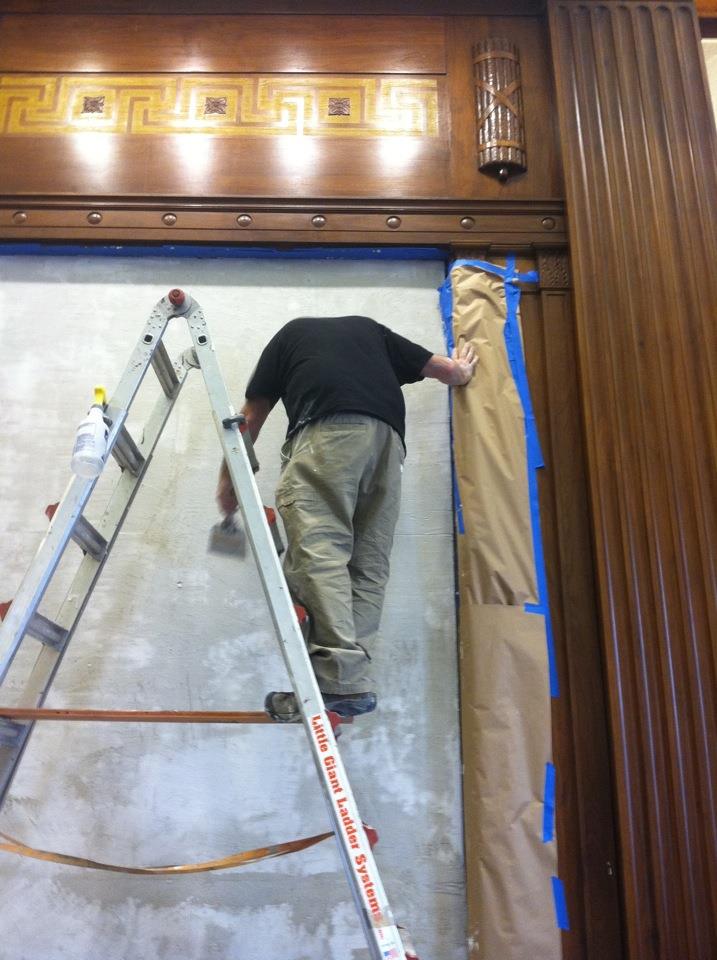
Very good experience. He even moved things around in my bedroom to get to the wall. I would highly recommend him for plaster. I plan to have him come back.
 Peter J Grady
Great guys. Spend a lot of time repairing and prepping our walls before doing the new paint. Home looks great now.
They did an excellent job with the repair, took care of all communication with the insurance company and had car rental service also with a very reliable, quality care
 Three C Body Shop
From average costs to expert advice, get all the answers you need to get your job done.
The cost to replace plaster with drywall can quickly add up. This guide will help you budget for this project and decide if it's worth the effort and cost.
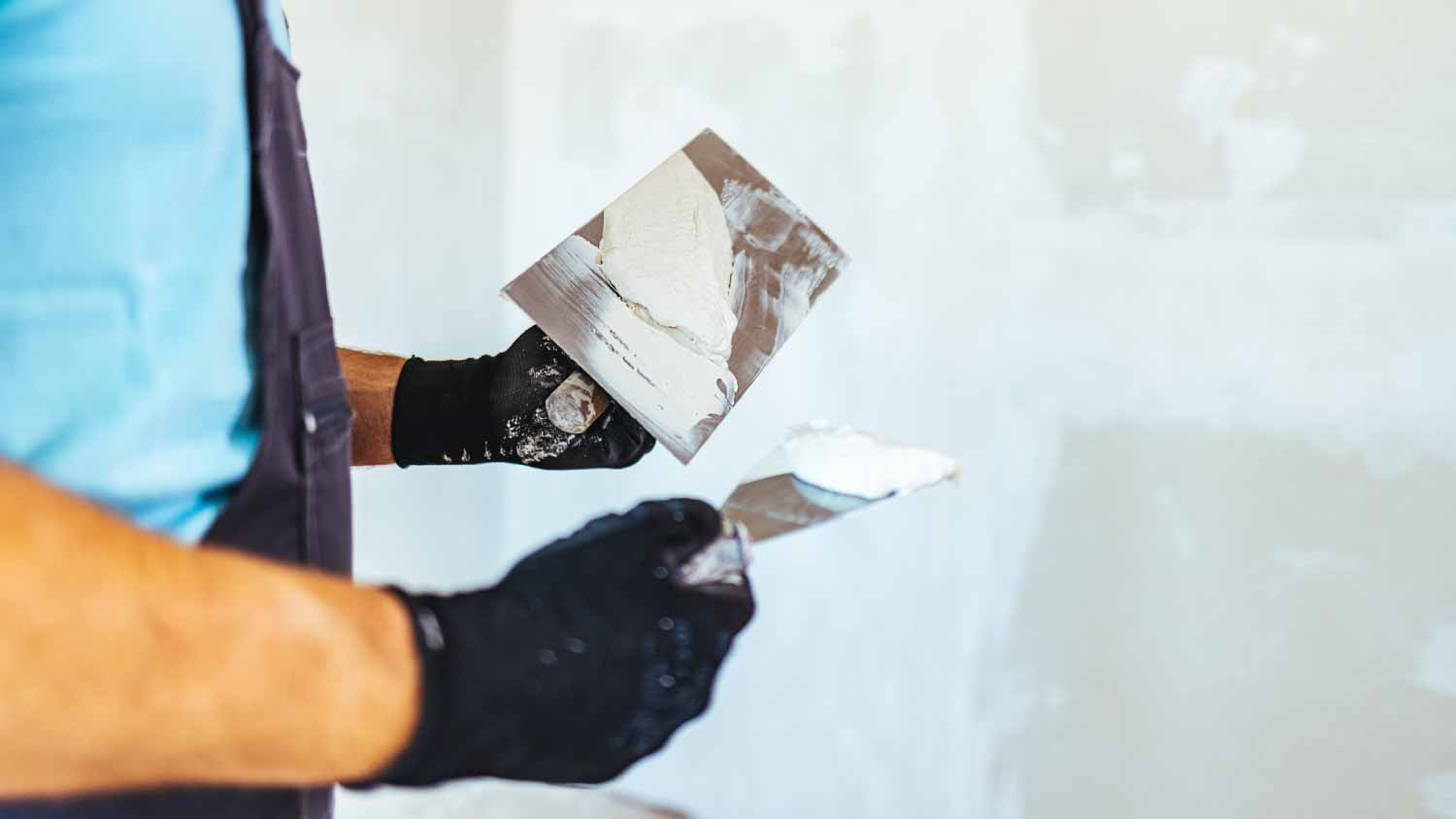
Plaster repair costs are determined by the size and type of damage. Discover why some fixes you can DIY and why some require a pro’s help.
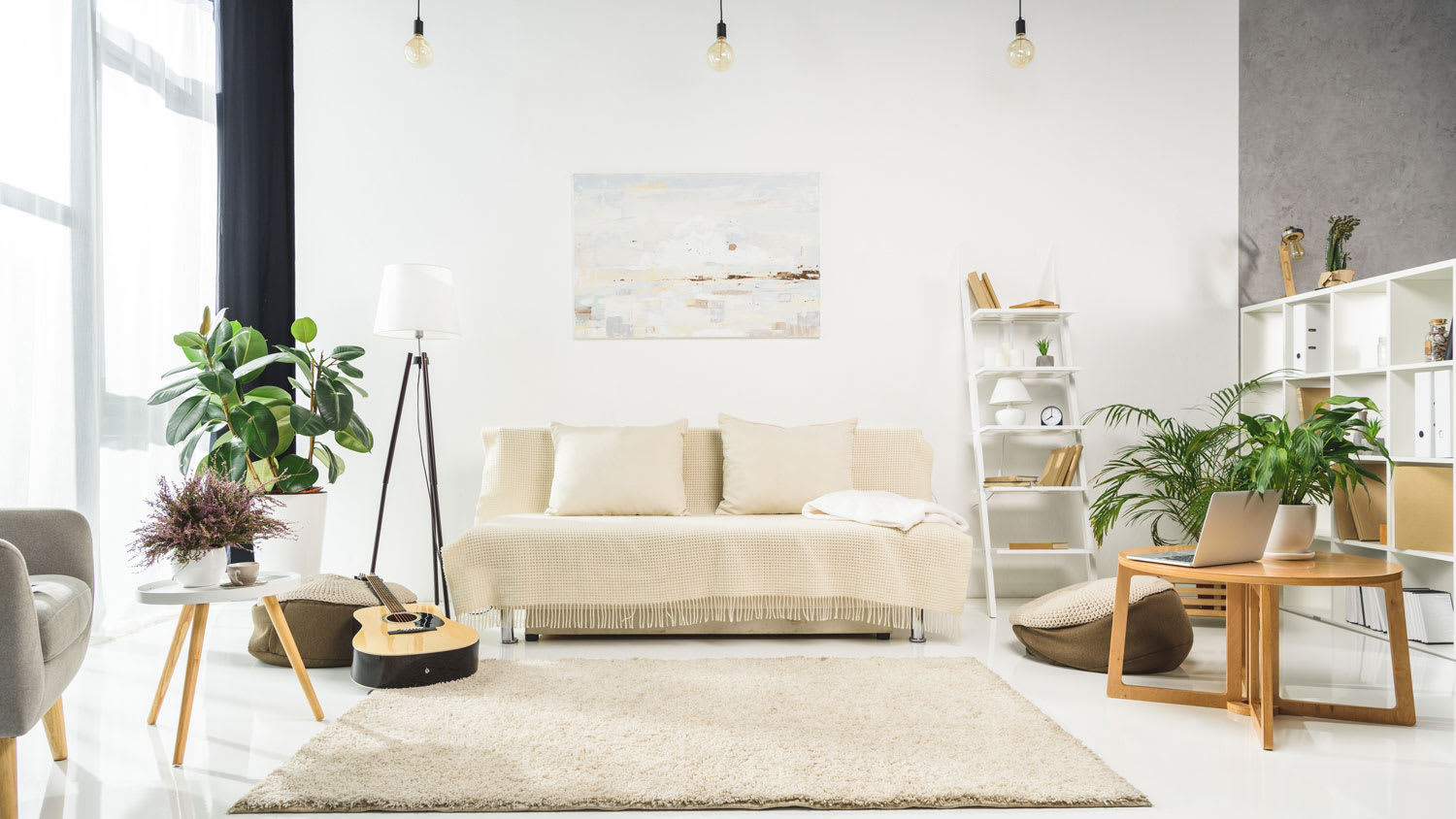
The cost of plastering walls and ceilings depends on the room size and ceiling height. Our tips can help you estimate an accurate cost.
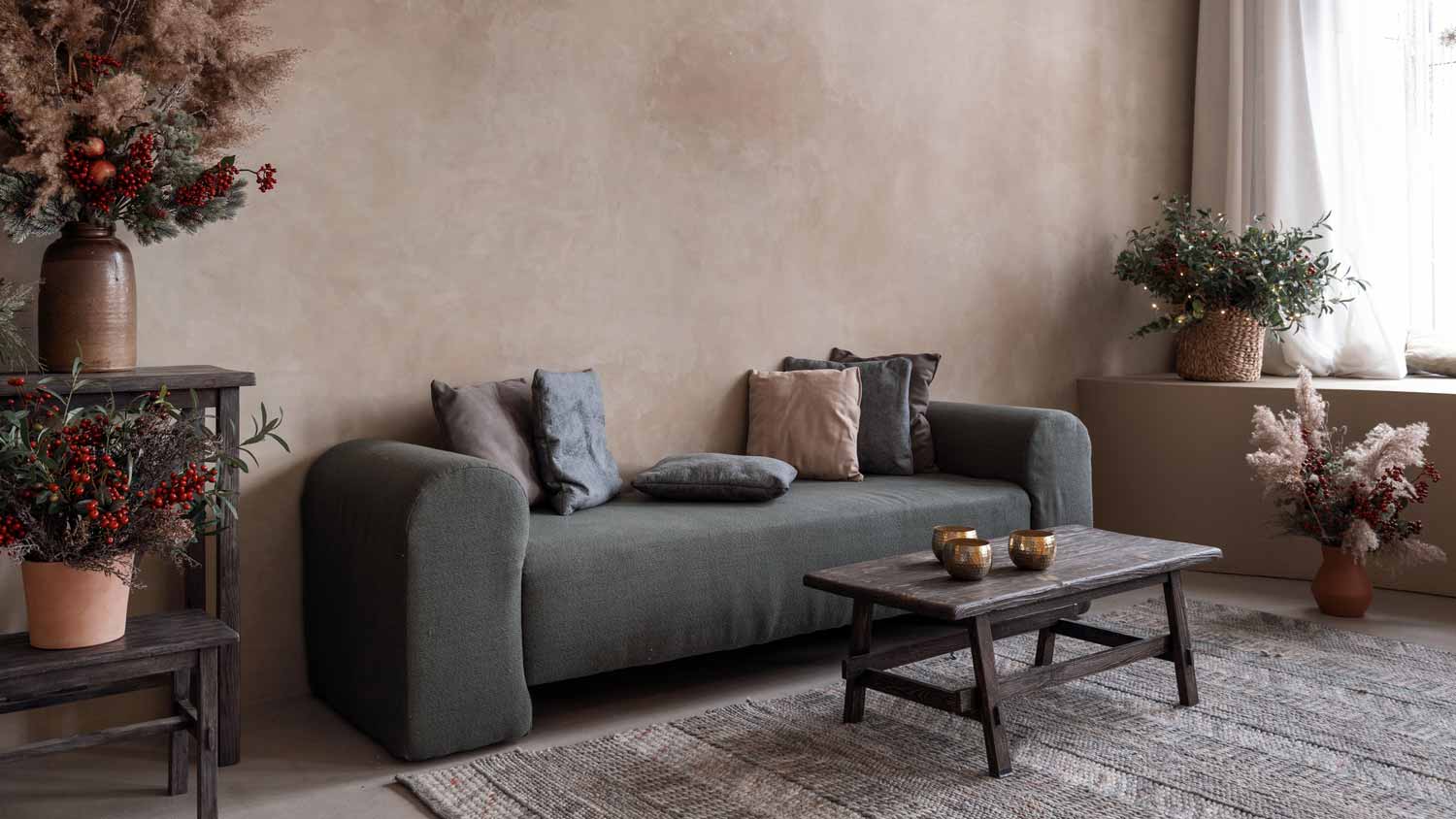
The different types of plaster each has its own advantages and disadvantages. Use this guide to help you choose the best type of plaster for your project.

The type of pool finish you choose is the best way to both show off your personal style and protect your pool in the long run. Let's walk through your options for pool finishes.
Planning a plaster installation? Learn about project scope, average costs to expect, and how to hire the right local plastering pro for your home.