
•
Get a clear estimate for stove repair costs. Learn what impacts pricing, compare repair vs. replacement, and find tips to save on your next stove repair.
Warm up to these different stove options

The types of electric stoves include coil models and glass tops, with glass tops costing more but offering easier cleaning for your kitchen.
Expect to pay $260 to $820 to install a new gas line if your kitchen doesn't already have one for a gas stove.
Your best stove choice depends on your budget, fuel source availability, cooking precision needs, and whether you have young children requiring extra safety features.
Hiring a local appliance installation professional ensures your stove is hooked up safely and correctly, whether you're installing gas, electric, or dual-fuel models.
You’ve decided on just the right backsplash and countertop for your kitchen remodel, but now it’s time to start sourcing appliances. For home cooks, finding the right stove is an important task that will impact how often you cook up healthy meals at home versus dashing out for fast food. Use this guide to weigh the pros and cons of five popular types of stoves: gas, electric, induction, dual-fuel, and smart.
| Type of Stove | Life Span (In Years) |
|---|---|
| Gas | 13–15 |
| Electric | 10–15 |
| Induction | 10–17 |
| Dual-Fuel | 10–15 |
| Smart | 10–15 |

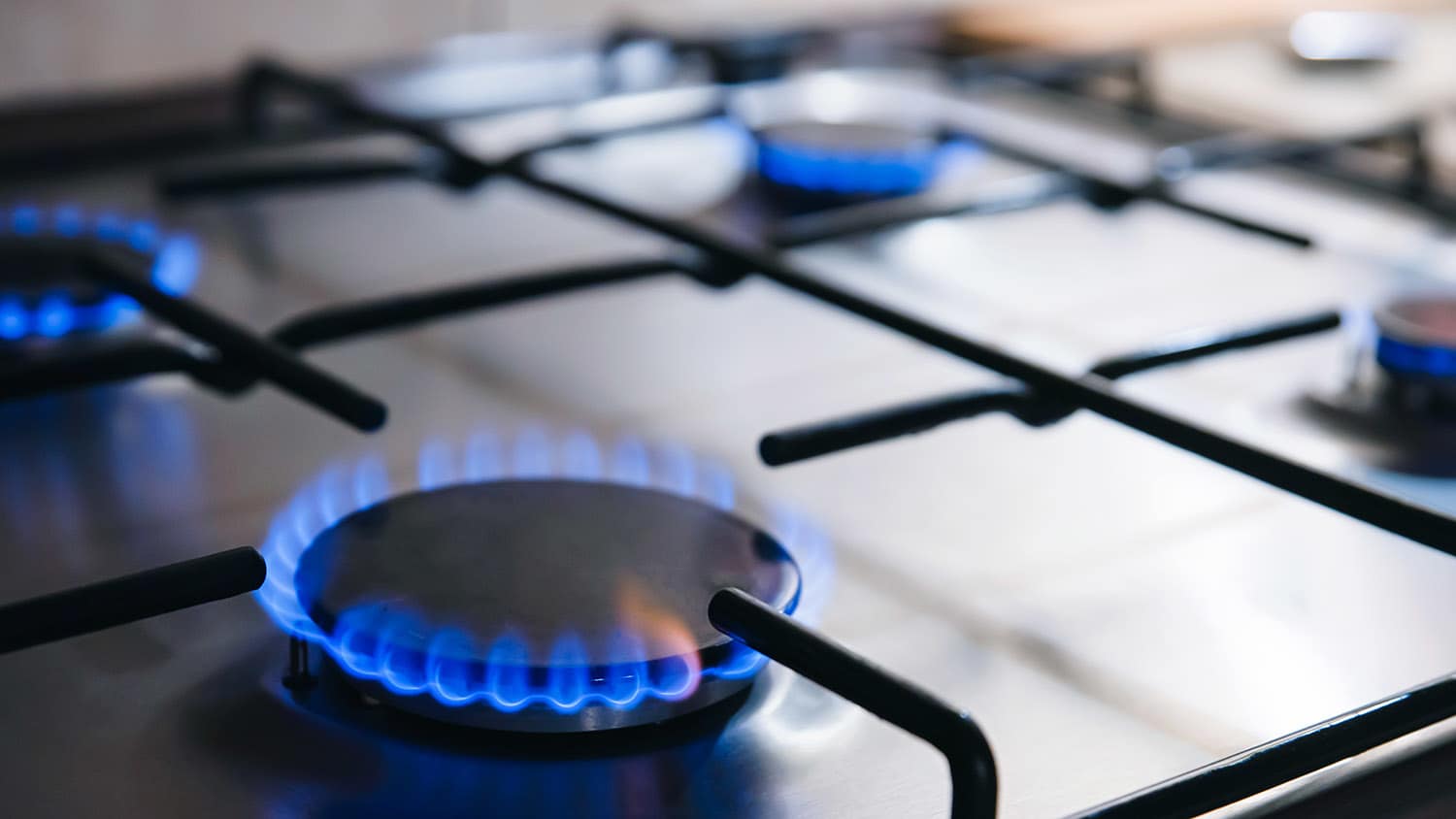
A gas stove is a classic choice, particularly for people who love to cook. The gas flame is easy to adjust, offering more control over the amount of heat your food is getting. Gas also costs less than electricity, lowering your ongoing costs.
But gas stoves do have their limitations. For one, you’ll need a gas line; if you don’t have one already, you’ll need to pay to install a new gas line for the stove. These stoves also emit combustion gasses and therefore will require ventilation, such as a range hood.
| Pros | Cons |
|---|---|
| Low maintenance | Higher upfront cost |
| Better temperature control | Requires ventilation |
| Lower operating costs | More difficult to clean |
Best for: Temperature control; homes that already have gas lines

A reliable choice for nearly all types of kitchens, electric stoves are a budget-friendly option that just need a 240-volt outlet (not a standard outlet) to operate. They come in various models, including options with coil stove tops or glass tops, to match any kitchen. Just keep in mind that the glass top models, although usually more expensive, are easier to clean compared to coil models.
When it comes to electric versus gas stoves, electric costs less upfront but more to operate long-term. If you’re a home chef who wants precise temperature control, you may need to splurge on a high-end model with more temperature control features or even smart app connectivity, as basic electric stoves don’t offer as much temperature control as a gas stove.
| Pros | Cons |
|---|---|
| Lower upfront cost | Higher operating cost |
| Easy to clean glass tops | Harder to clean coils |
| Works for most kitchens | Worse temperature control |
Best for: Most kitchens and lower budgets

Although they use electricity as their fuel source, induction is a unique type of stove top that uses electromagnetic energy to heat up specific magnetic cookware. Rather than the stove getting hot, the cookware itself heats up to cook the food. This makes induction stoves more energy-efficient than other electric stoves while also adding the benefit of being safer for families with young kids or pets.
Of course, induction stoves do require special cookware to work, which may be an added cost if your collection of pots and pans aren’t magnetic. These stoves may also cost more than gas or electric stoves.
| Pros | Cons |
|---|---|
| Improved safety | Higher cost |
| Energy-efficient | Requires specific cookware |
| Faster heating | May have a humming sound |
Best for: Homes with young children

For serious home cooks, a dual-fuel stove can offer the precise temperature control of a gas stove top with the even cooking and baking provided by an electric oven. This can give you far more control and versatility in how you cook.
Of course, the two fuel sources mean the oven will have more parts to maintain, and you’ll need to be able to hook it up to both electricity and gas. While some other types of stoves may have DIY-friendly installation, you’ll need to hire an appliance installer near you to hook up your new dual-fuel stove.
| Pros | Cons |
|---|---|
| Better temperature control | Higher cost |
| Even heating in the oven | More maintenance |
| Versatile | Requires two fuel hook-ups |
Best for: More precise temperature control; skilled home cooks

Smart stoves, like other smart appliances, are able to connect to an app on your phone or other smart home devices. This offers perks like precise temperature control as well as recipes and cooking advice right on your device. If you find yourself turning the car around to run inside and check that the stove is off, a smart stove may be the right option for you. These models often have added safety features that allow you to check and shut the appliance off right from your phone.
However, a smart range only works if you’re connected to the internet, and all those fancy features come at a higher cost than a traditional stove. Plus, if you don’t consider yourself great with tech, there is a learning curve to controlling the stove through your devices. Also, factor in that smart appliance repairs cost more than repairing more traditional models.
| Pros | Cons |
|---|---|
| Control via app | Requires internet connection |
| Precise heating control | Higher cost |
| Added safety | Learning curve |
Best for: High-tech and modern homes; convenient cooking
When deciding on which type of stove is best for your kitchen and cooking needs, there are several factors to weigh. Here are four major factors to consider when it comes to how to choose a stove:
First, make sure the stove you choose fits into your budget. Coil electric stoves tend to be one of the least expensive options upfront, but don’t forget to consider ongoing costs. Operating a gas stove tends to cost less over time than an electric stove.
If you don’t have an existing gas line, expect to spend around $260 to $820 for the cost to add a gas line for a gas or dual-fuel stove.
If you want to cook meals with precision or quick heating, consider the convenience of a smart stove or the fast heating capabilities of an induction or gas stove.
If you have small children, you’ll want to keep safety in mind. Induction stoves are popular for families, because the cookware heats up, not the surface of the stove top.
Positive experience. As previously stated, the replacement/repair could not be completed (no fault of the plumbing tech) b/c misinformation was rec?d by property management maintenance. Thanks to the plumbing tech for your efforts. Appreciate you!
 The Waterworks
Carpet repair done well. Scheduling was easy. Showed up on time.
 BR Flooring Installation
As usual with ECO, tech Jordan was outstanding, very professional, very knowledgeable, and very thorough with repairs made to tankless water heaters. Very highly recommend ECO!!!
 Eco Plumbers, Electricians, and HVAC Technicians
I would recommend this company to anyone! He showed up on time, was friendly, completed a very difficult repair on our dryer vent cover, was responsive, and pricing was extremely fair and competitive. I would have him back to do any of our repairs or cleanings without hesitation!
 U.S.A. Dryer Vent, LLC
Everything from initial contact to completion was absolutely top notch. We contacted the business during off hours to leave a message, and the owner still reached out to feel out the issue within minutes. We were scheduled and repaired within 48 hours. I cannot say enough about the...
 Supreme brick & chimney
Ace Fireplace Services came to the rescue for my chimney repair. They were quick to pinpoint the issue and worked their magic to fix it. My chimney is now in excellent shape, and I'm a satisfied customer.
 Ace Fireplace Services
On Sunday 2/26 I requested quotes via Angi from 4 refrigerator repair businesses. Northwest Appliance responded to me Monday morning (2/27) and my refrigerator was repaired by noon the same day. Great communication, they did everything they said they would. The technician had the parts on...
Great experience all together. Dog friendly, courteous, great results and honest with recommendations. Will certainly be using Cardinal in the future for any carpet repairs
 Cardinal Carpet Care & Repair
Working with Peter and his crew was a breeze. They were exceptionally polite and did a neat job to repair and seal our driveway. I will definitely talk to them first for additional work.
 Central Paving
Excellent! We were very satisfied with the service provided and the entire experience from start to finish. Very friendly and professional staff. I was able to instantly get in contact with them for a quote and the response time and overall communication remained quick and easy throughout the...
 Prime Cleaning Service
From average costs to expert advice, get all the answers you need to get your job done.
Get a clear estimate for stove repair costs. Learn what impacts pricing, compare repair vs. replacement, and find tips to save on your next stove repair.

A wood stove can add warmth and ambiance to your home, but is it in your budget? Discover average wood-burning stove installation costs in this guide.
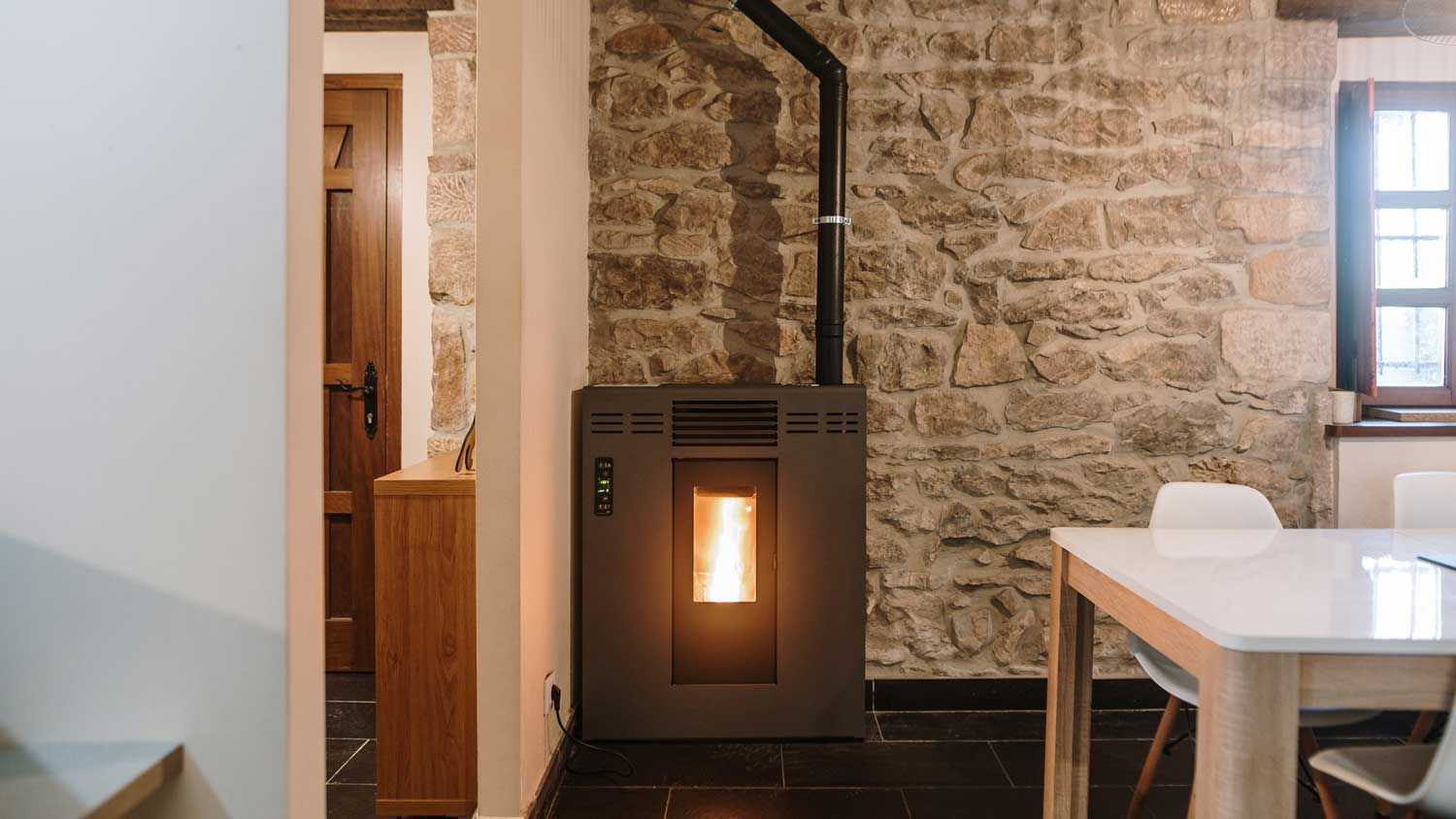
Looking to keep warm this winter without the high utility bills? Use this pellet stove installation cost guide to see what a natural heating solution will cost.

It may seem like there are a zillion types of wood stoves—but there are really two main categories (and other decisions to make from there). Learn more here.

There are several different types of stove burners for the home cook to consider. Check out these top cooktops for your kitchen renovation.

The life span of your stove depends on what type you have—and how well you take care of it. Here’s how long stoves last, no matter your style.