

If you’re looking to get your backyard summer-ready, use this guide to learn pool opening costs, budget appropriately, and how to save money.
Get your pool shockingly clean

Calcium hypochlorite is the best pool shock for fast algae removal, but you need to add it after sunset and wait eight hours before swimming.
Potassium monopersulfate is a non-chlorine shock alternative that lets you swim in just 15 to 30 minutes after treating your pool water.
Sodium dichlor dissolves slowly and works well for your saltwater pool or vinyl liner without clouding the water or raising pH levels significantly.
Hiring a local pool service professional provides expert guidance on choosing the right shock treatment and maintaining balanced water chemistry for your specific pool type.
Whether your pool is dirty, newly refilled, or the chlorine is getting stale, shocking your swimming pool is the best way to get it and keep it clean. These four types of pool shock will sanitize your pool water, help your chlorine work better, and remove algae and chloramines that can make it look and feel dirty.
| Type of Pool Shock | Biggest Benefit |
|---|---|
| Calcium hypochlorite | Powerful and fast-acting |
| Sodium di-chlor | Stable and slow to dissolve |
| Potassium monopersulfate | Safe to swim in 15 minutes |
| Sodium hypochlorite | Heavy-duty commercial shock |

Calcium hypochlorite, also known as cal-hypo, is the most popular type of pool shock method on the market. It’s powerful against tough algae and bacteria, fast, dissolves quickly, and it won’t increase cyanuric acid (CYA) levels in your pool. However, it can raise pool pH levels, and you should wait at least eight hours after treatment before swimming. It also burns off when exposed to UV rays, so always add it after the sun goes down.
If you need to know how to get rid of algae in a pool, calcium hypochlorite can be your best weapon. But you should be prepared for some water clouding, as it can temporarily cloud pool water that is warm or has high pH levels. It’s easy to apply, too, since you can broadcast it by sprinkling it directly over the pool surface and disperse granules with a pool brush or similar tool.
| Pros | Cons |
|---|---|
| Powerful and fast | Must rest 8 hours |
| Dissolves quickly | Add after sundown |
| Easy to apply | Can raise water pH |
Best for:
Pool owners that want a faster-dissolving shock
Pools with algae blooms, bacteria, and major contamination
Saltwater pools
Pools with normal-to-low pH

Also known as dichloro-s-triazinetrione or dichloroisocyanuric acid, sodium dichlor is a stabilized chlorine pool shock that dissolves slowly. Because of this, it’s a great choice for saltwater pools and pools with vinyl liners, fiberglass materials, or other surfaces that can’t handle calcium hypochlorite or commercial-strength shocks.
As well as a shock treatment, sodium dichlor is also a sanitizer and oxidizer. You can broadcast it directly on the water's surface, and you should add it after the sun goes down. A big upside of sodium dichlor is that it won’t cloud water; if you’re wondering how to clear cloudy pool water fast, this can be a good option to get and keep your pool water crystal clear. It will raise cyanuric acid levels and usually raises pH in pools, however, so you’ll need to test the water more often.
| Pros | Cons |
|---|---|
| Stable and slow to dissolve | Raises cyanuric acid |
| Sanitizes and oxidizes | Can increase pool pH |
| Won’t cloud water | Add after sundown |
Best for:
Saltwater pools
Pools with vinyl liners, fiberglass, or sensitive surfaces
Spas and hot tubs
Pools with low cyanuric acid
As a daily application along with routine shock treatments

Also known as non-chlorine shock, potassium monopersulfate, or MPS, is an oxygen-based alternative to chlorine pool shock. It helps the chlorine in pool water work better, and it can oxidize water and destroy contaminants. Often referred to as a shock-and-swim treatment, you can add potassium monopersulfate to your pool at any time of day or night, and the water will be ready for you to swim in 15 to 30 minutes. Since it doesn’t have the harmful byproducts that chlorine-based shocks can have, it won’t negatively impact the chemistry of your pool.
If your pool has algae or is prone to algae, however, you won’t want to choose this option. Not only does MPS not treat algae, but it can actually encourage algae growth because of the way it reacts with some pool contaminants.
| Pros | Cons |
|---|---|
| Non-chlorine shock | Won’t impact chlorine levels |
| Oxidizes, sanitizes | Won’t treat algae |
| Swim in 15 minutes | Expensive |
Best for:
Pool owners who don’t want to use chlorine
All pool surfaces
Pools that also use another water sanitizer (such as chlorine, bromine, or saltwater chlorine)
Hot tubs and spas
Indoor and outdoor pools

Sodium hypochlorite is also called bleach shock or liquid shock. It’s most often used in commercial pools, like those found in hotels, apartment complexes, health clubs, and public pool settings, and is rarely used in home pools. That’s because it’s hard to find in small amounts and is a commercial strength; commercial pool operators usually deliver it by truck.
It’s a popular choice for public and commercial pools because it’s a heavy-duty pool shock that is quickly dissolving and doesn’t need to be pre-dissolved like other types of chemicals.
| Pros | Cons |
|---|---|
| Heavy-duty shock | Rare in home pools |
| Quick-dissolving | Commercial strength |
| Delivered by truck | Bulk delivery |
Best for: Commercial pools and public pools, such as hotel pools, pools in apartment complexes or condo communities, health clubs, and athletic facilities
Pool shocking is adding chlorine or other chemicals to pools, hot tubs, and spas in a high enough concentration to destroy the combined chlorine (which has attached to and become weakened by impurities in the water) and raise the levels of free chlorine. Free chlorine will sanitize pool water, removing algae, chloramines, bacteria, and other contaminants.
The process of shocking usually involves adding 10 times the normal chlorine level. You can do it yourself if you understand the process and are willing to follow some simple directions. However, you can hire a local pool service near you to perform the task on a routine maintenance schedule.
Pool shocking keeps the water safe and clean; it removes bacteria and algae, eliminates combined chlorine, and raises the level of free chlorine to continue sanitizing the pool.
When should you shock your pool? These are the best times:
Before using a new pool for the first time
After cleaning and refilling your pool
When reopening your pool for the season or after a long period without use
After a pool party or heavy use
During hot periods when the pool water is very warm
After heavy rainfall
After the water has accumulated a lot of organic material, such as leaves in the autumn
If you’re good people wanting to do business with good people, hire Matt. He is a consummate professional and utterly competent. He installed a water heater in my home at a price that beat competitors by hundreds of dollars with a promise to support the unit for its life (even after its 6 yr...
 Greene's Plumbing Services
Joseph did a great job with the staircase and trim. Timely and efficient, clear communication about the work, very fair pricing. For the stairs in particular, done very skillfully in an old house (1893) in a tight spiral, and very creative with how to do the handrail. Did a nice job with...
 Vouis Trim Carpentry L.L.C.
This company does it right. Firstly, I want to say that Landan was a joy to work with. He was so kind, transparent, and had everything under control. His entire team showed up ready to work and they were all very respectful of the fact that we were in an office space. A little backstory – we...
 Krumlauf Floors
Professional Team, smooth to communication chain and schedule flexibility. Follows proper construction procedure and completes task on time.
 Pegasus Concrete
Very professional, knowledgeable and helpful! Completed the install on time and as expected.
 Ward's Services
Cole has been handling plumbing and general contracting for our four properties over the past three years, and he’s always done a great job. Most recently, he installed a sink and countertop in our retail store where none existed before, and it turned out exactly how we needed. He’s...
 ANB Renovations LLC
Excellent, Prompt, Courteous Service!!! They were super friendly and quite personable. I felt very comfortable with the gentlemen that did the installation. They installed it exactly where I asked them to and they did an excellent job!! I loved their service so much.
 Tether House
I hired windows depot USA of central to install new windows in house in Oshawa. Ilya was very professional from the start, not only did he offered a great price, he also made sure the installation was on time. I am very satisfied with final outcome. The windows look great and the overall...
 Window Depot USA of Central Ohio
The guys did an outstanding job and we had a great experience with CarifaTile. I appreciated that Joe reviewed the quotes with me and set expectations prior to the install. The crews showed up as scheduled and always left the areas clean upon leaving the house. We will definitely use...
 CarifaTile
Did an amazing job transforming my yard. Also installed sod in places, would recommend to everyone.
 Cardinal Landscaping & Construction LLC
From average costs to expert advice, get all the answers you need to get your job done.
If you’re looking to get your backyard summer-ready, use this guide to learn pool opening costs, budget appropriately, and how to save money.
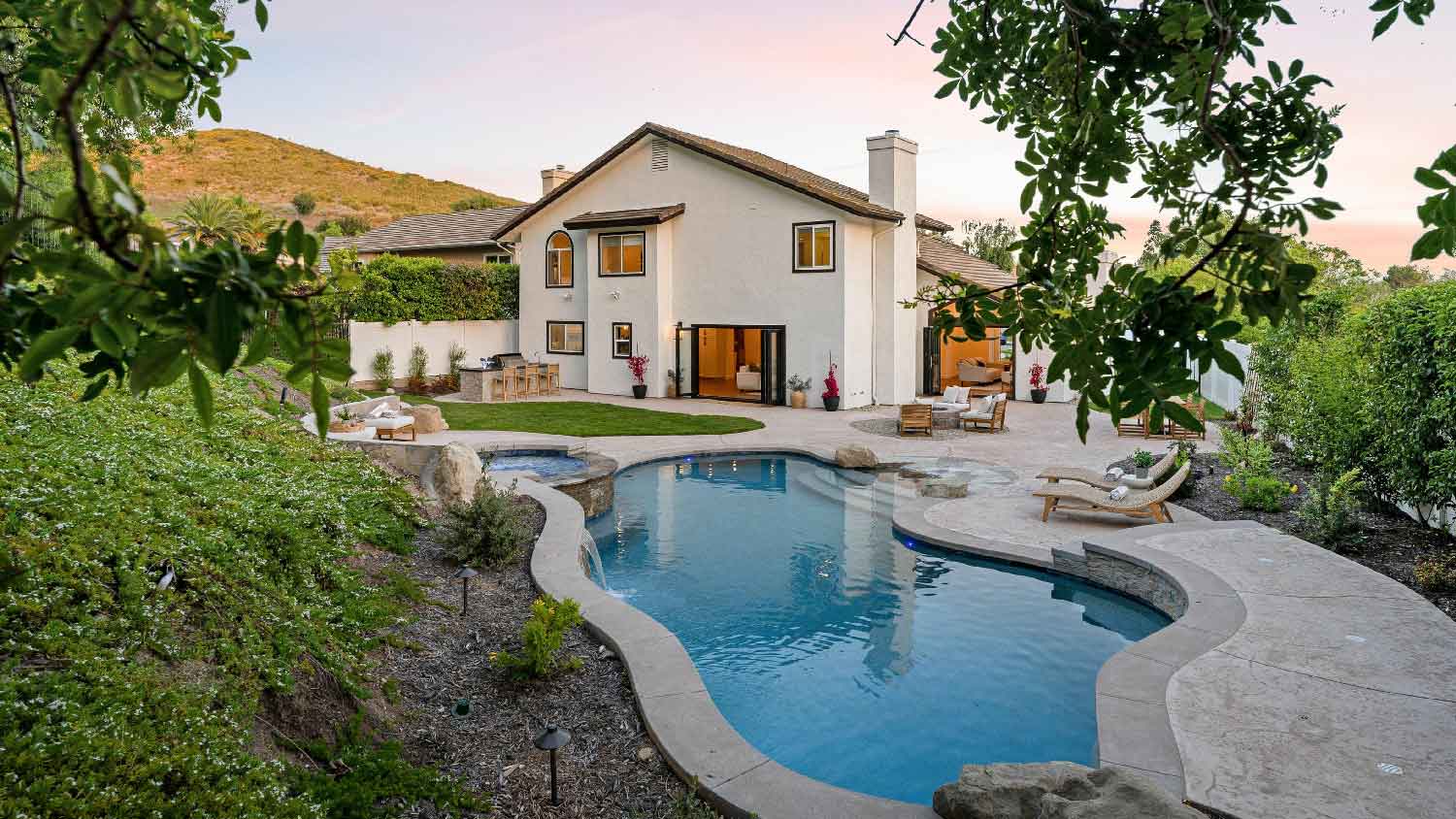
Learn about the differences between pool shock and chlorine, including their purposes, pros, and cons, so you can choose the right product for your needs.
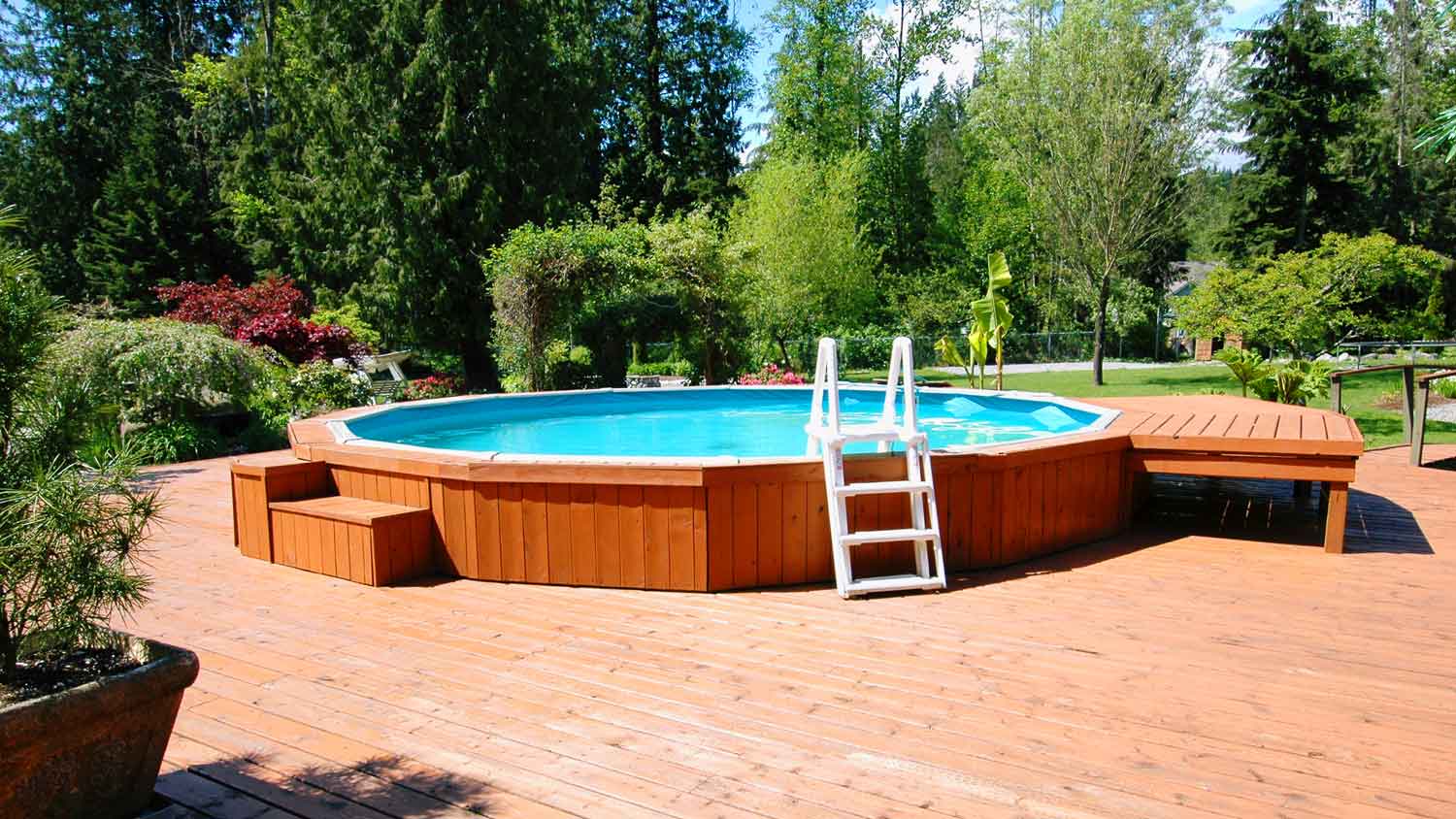
Learn how to shock above ground pool structures or inground pools with our step-by-step guide to help you improve water quality.
How much shock does my pool need? Here's how to calculate how much pool shock to add to your pool based on its overall water condition.
Balancing pool chemicals is one of the most important parts of pool maintenance. This guide will show you how much chlorine to add to a pool and more.
Green algae in pools is a common but pesky pool problem. Read this guide to learn how to remove algae from pools and prevent it in the future.