
Balancing pool chemicals is one of the most important parts of pool maintenance. This guide will show you how much chlorine to add to a pool and more.
Dial in your pool water with shock and chlorine

Pool shock is the difference between liquid chlorine and pool shock treatments, as shock delivers a highly concentrated dose to deep clean your water weekly or bi-weekly.
Chlorine products maintain safe sanitizer levels between 1 and 3 parts per million for daily swimming, while shock raises free chlorine to 10 to 30 ppm.
Your pool needs both shock and chlorine because shock eliminates algae and chloramines that regular chlorine can't handle, keeping your water clear and properly sanitized.
Hiring a local pool service professional keeps water testing and chemical balancing simple, helping you maintain safe chlorine levels and shock schedules without the guesswork.
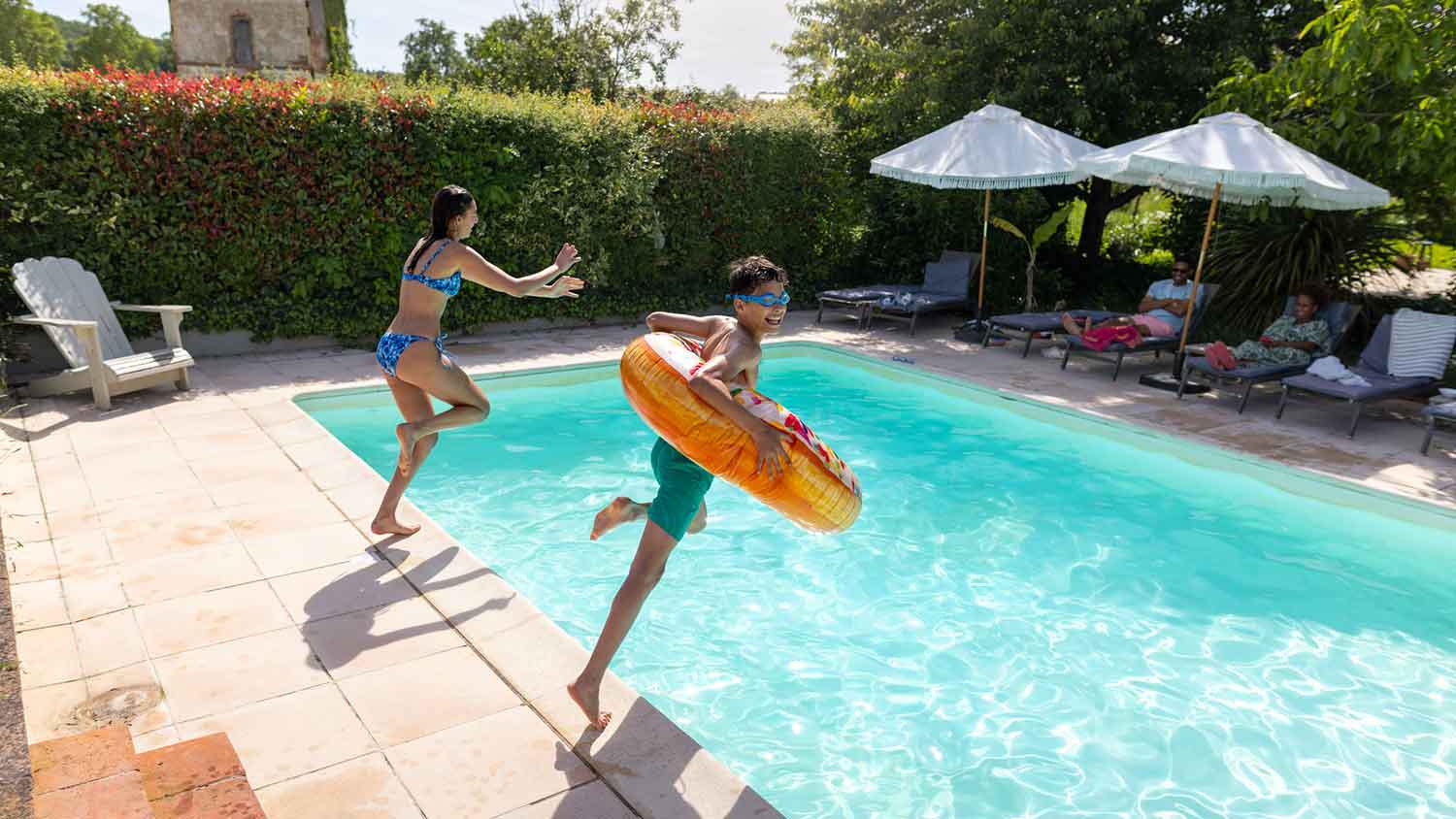
Having a pool means chilling on your floaties and splashing everyone with your cannon balls all summer, but to be a responsible pool owner, you’ll want to get familiar with all the required maintenance. While at first glance pool shock and chlorine seem like the same products—since most pool shock products contain chlorine—they serve two different purposes. Read on to learn why it’s crucial to use both products to keep your water safe for your family and friends.
You’ll use pool shock and chlorine products at different intervals. Pool shock is a more powerful, highly concentrated product that you’ll use weekly or bi-weekly, whereas chlorine products are used every three to seven days. Pool shock deep cleans the water, and chlorine helps you maintain safe water to swim in. When you use both products properly, you can ensure that your water is properly sanitized and free of harmful contaminants.

Pool shock increases the free chlorine—the chlorine actively cleaning the water—in your pool water from 1 to 3 parts per million (ppm) to between 10 and 30 ppm. Once chlorine sanitizes the water, it turns into a weaker form of chlorine called chloramine. You can use pool shock to reach breakpoint chlorination, which is around 30 ppm. This is when there is more free chlorine than chloramine, meaning the chlorine is actively working to clean the water.
When you don’t use pool shock to reach breakpoint chlorination, there can be too much chloramine in the water, which prevents your regular chlorine treatments from working as effectively. Test the water levels before using pool shock so you know how much to use. A pool services pro can advise you on how to balance the water or take on the maintenance for you.
| Pros | Cons |
|---|---|
| Quickly increases the free chlorine levels in the water to high levels | Requires a 24-hour waiting period before the pool can be used again |
| Kills algae, bacteria, waste, and chloramines | Doesn’t work properly in sunlight |
| Clears cloudy water | Requires the use of personal safety equipment and ventilation while using it |
Best for:
After pool parties or hot weather
Fixing a strong odor of chlorine
Deep cleaning the pool water
The number one benefit of pool shock is that it gets rid of bacteria, contaminants, and chloramines. Since it’s a more powerful dose of chemicals than regular chlorine treatments, shock can get rid of contaminants that the chlorine can’t handle. It’s the easiest way to avoid algae growth or green pool water and to prevent unbalanced water that can cause health issues. Shock is also useful to sanitize the water after heavy use, like after a pool party or a hot summer.
Like most pool chemicals, shock needs to be used with care. Pool owners should wear chemical-resistant gloves and goggles and avoid breathing in the chemical fumes after opening the container. The shock must be added to the water during the evening since it breaks down when exposed to sunlight. Before using the pool again, waiting 24 hours after applying the shock is necessary.

Pool chlorine products help maintain the ideal free chlorine level in your pool, which is 1 to 3 ppm. You’ll notice that these numbers are lower than the 30 ppm that pool shock products will yield. The pool shock allows for a deep clean of the water, whereas the 1 to 3 ppm chlorine level is high enough to keep your water sanitized on a daily basis.
Test your pool water once to twice weekly and add chlorine as needed after seeing the results. Common products include chlorine tablets, powdered chlorine, and liquid chlorine.
| Pros | Cons |
|---|---|
| Kills bacteria, viruses, and other contaminants | Improper levels of chlorine cause health issues and strong odors |
| Prevents algae and bacteria growth | Chlorinated water shouldn’t be swallowed in excess |
| Requires less waiting time and not as sensitive to sunlight | Chlorine can cause dry or lightened hair and health issues |
Best for:
Regular sanitation of your pool water
Killing dangerous contaminants
Preventing contaminants from growing
Pool chlorine is easier to use than shock because you can use it during the day when the sun is out. However, the sun can burn up the chlorine, so if possible, wait until the evening. After applying chlorine, the waiting period to use the pool is shorter, at four to eight hours of downtime before having another pool party.
Like shock, the chlorine does the essential job of sanitizing the pool by killing bacteria and viruses. It also prevents algae and bacteria growth so you can enjoy sparkling clear water.
The biggest con happens if you have improper levels of chlorine in your pool water. This is avoidable with regular testing but can be an issue if you forget to check on the pool or accidentally use too much chlorine. When there’s too little chlorine, dangerous bacteria and viruses can grow. If there’s too much chlorine, it can affect the health of the people using the pool.
While it’s okay to swallow small amounts of water when swimming, swallowing excessive amounts can cause health issues. Another disadvantage of chlorine is that it can lighten your hair color or cause dry hair. For anyone who’s sensitive to chemicals, including children and those 55 years or older, even regular amounts of chlorine can cause eye and skin irritation.
Proper pool maintenance requires close attention to your pool’s water chemistry, filtration, and circulation. Test the water regularly, especially in the summer, and empty all the baskets. Run the filtration system four to six hours per day in the winter and six to 10 hours per day in the summer.

Here are considerations to keep in mind when comparing pool shock with chlorine.
Both pool shock and chlorine come in various forms and types. The four types of pool shock are calcium hypochlorite, sodium dichlor, sodium hypochlorite, and potassium monopersulfate (MPS). MPS is a non-chlorine shock that only requires a 15-minute waiting period and isn’t sensitive to sunlight. However, it doesn’t kill algae or bacteria.
The five types of chlorine products are calcium-hypochlorite (cal-hypo), trichloroisocyanuric acid (trichlor), dichloro-s-triazinetrione (dichlor), sodium hypochlorite (sodium-hypo), and lithium hypochlorite (lithium-hypo).
These are either stabilized or unstabilized. The main difference is that stabilized chlorine contains cyanuric acid, making it more resistant to sunlight. Stabilized chlorine, including dichlor and trichlor, is more commonly used by homeowners.
Liquid chlorine is the most cost-effective option out of all the chlorine and shock options out there. Chlorine tablets are middle of the road, which many find worth it since you don’t need to take precise measurements.
Pool shock is more costly than chlorine, and the non-chlorine MPS products are the most expensive. Some people prefer MPS because it’s oxygen-based and doesn’t change the pool’s cyanuric acid levels, meaning you don’t have to worry about messing up the water balance.
Although you’ll have to take care when using these chemicals, both pool shock and chlorine are fairly easy to use. The most difficult part may be calculating the amount of shock and chlorine you need to use, but once you figure that out, it’s as easy as setting up a regular schedule and sticking to it.
If you have a busy schedule or prefer to leave it to the pros, hire a pool service company near you to help out. They can handle all pool maintenance tasks, including water testing, water balancing, removing debris from the pool and filter, and more.
Pool shock lasts longer than chlorine, so you only need to use it weekly or bi-weekly. On the other hand, you’ll need to add chlorine to your pool once every three to seven days.
A product's eco-friendliness depends more on the type of chemicals it’s made from. The most environmentally friendly products are made with sodium hypochlorite and calcium hypochlorite. The former is available in pool chlorine products, and the latter is pool shock. These chemicals break down in oxygen and turn into sodium chloride and calcium chloride, which are table and road salts.
Other products contain chemicals that can harm sensitive people and the environment if mishandled. For example, if the products aren’t properly stored or disposed of, or if the water is released into the ground, the chemicals can harm plants and animals and contaminate the groundwater. You can avoid these issues by properly storing chemicals, disposing of them if necessary at chemical disposal sites in your area, and draining your pool according to local regulations.
If you’re good people wanting to do business with good people, hire Matt. He is a consummate professional and utterly competent. He installed a water heater in my home at a price that beat competitors by hundreds of dollars with a promise to support the unit for its life (even after its 6 yr...
 Greene's Plumbing Services
Joseph did a great job with the staircase and trim. Timely and efficient, clear communication about the work, very fair pricing. For the stairs in particular, done very skillfully in an old house (1893) in a tight spiral, and very creative with how to do the handrail. Did a nice job with...
 Vouis Trim Carpentry L.L.C.
This company does it right. Firstly, I want to say that Landan was a joy to work with. He was so kind, transparent, and had everything under control. His entire team showed up ready to work and they were all very respectful of the fact that we were in an office space. A little backstory – we...
 Krumlauf Floors
Professional Team, smooth to communication chain and schedule flexibility. Follows proper construction procedure and completes task on time.
 Pegasus Concrete
Very professional, knowledgeable and helpful! Completed the install on time and as expected.
 Ward's Services
Cole has been handling plumbing and general contracting for our four properties over the past three years, and he’s always done a great job. Most recently, he installed a sink and countertop in our retail store where none existed before, and it turned out exactly how we needed. He’s...
 ANB Renovations LLC
Excellent, Prompt, Courteous Service!!! They were super friendly and quite personable. I felt very comfortable with the gentlemen that did the installation. They installed it exactly where I asked them to and they did an excellent job!! I loved their service so much.
 Tether House
I hired windows depot USA of central to install new windows in house in Oshawa. Ilya was very professional from the start, not only did he offered a great price, he also made sure the installation was on time. I am very satisfied with final outcome. The windows look great and the overall...
 Window Depot USA of Central Ohio
The guys did an outstanding job and we had a great experience with CarifaTile. I appreciated that Joe reviewed the quotes with me and set expectations prior to the install. The crews showed up as scheduled and always left the areas clean upon leaving the house. We will definitely use...
 CarifaTile
Did an amazing job transforming my yard. Also installed sod in places, would recommend to everyone.
 Cardinal Landscaping & Construction LLC
From average costs to expert advice, get all the answers you need to get your job done.
Balancing pool chemicals is one of the most important parts of pool maintenance. This guide will show you how much chlorine to add to a pool and more.
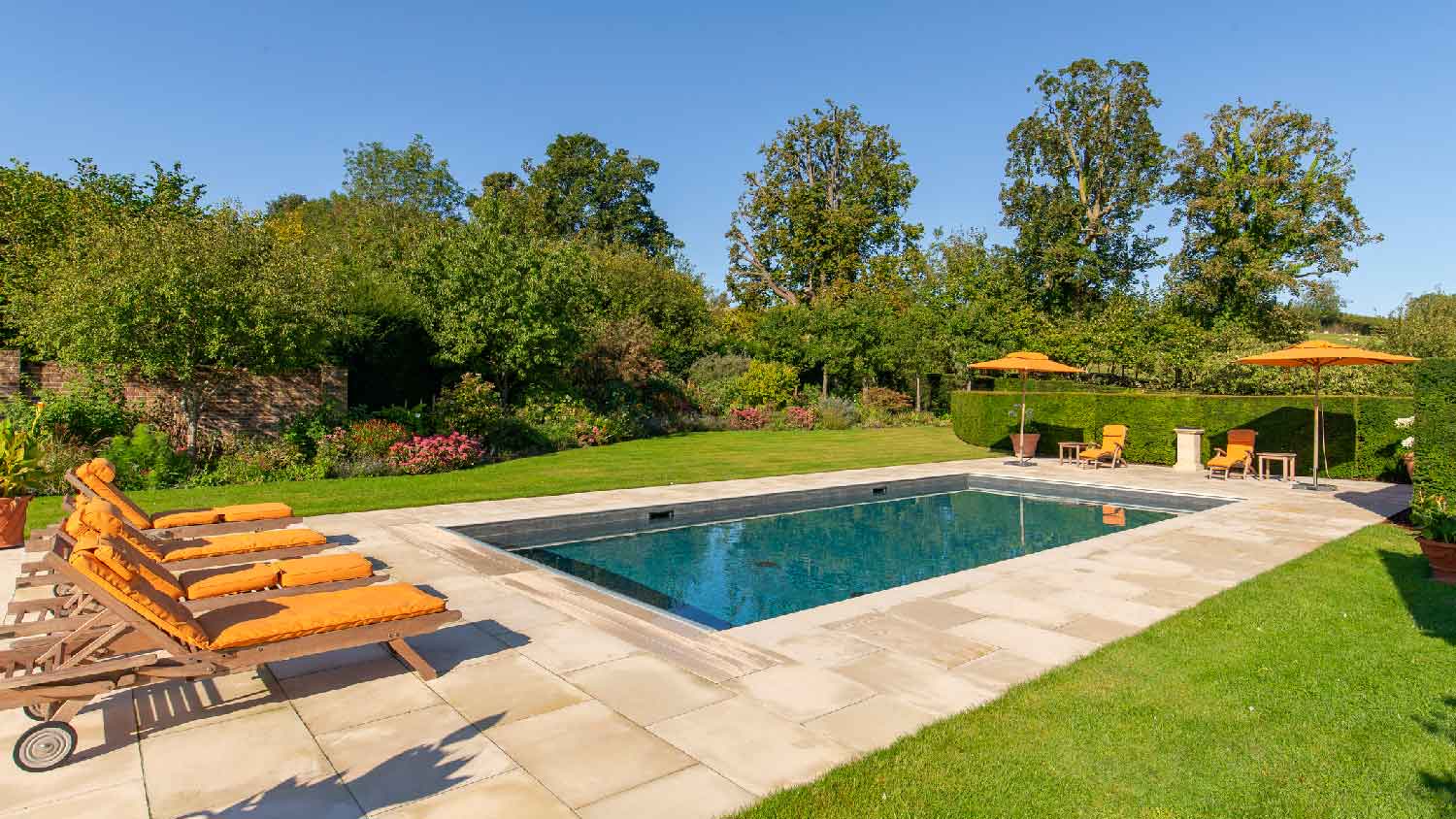
Want to ditch chlorine for a more permanent or less corrosive solution? Check out these alternatives to chlorine in pools to see which is right for you.
Pools don’t hold chlorine if there’s organic matter, debris, or chemical imbalances. Keep reading to find out why your pool is not holding chlorine.

Trying to decide on a salt water pool vs. chlorine? Learn the key differences, pros and cons, and which is the best choice for your property.
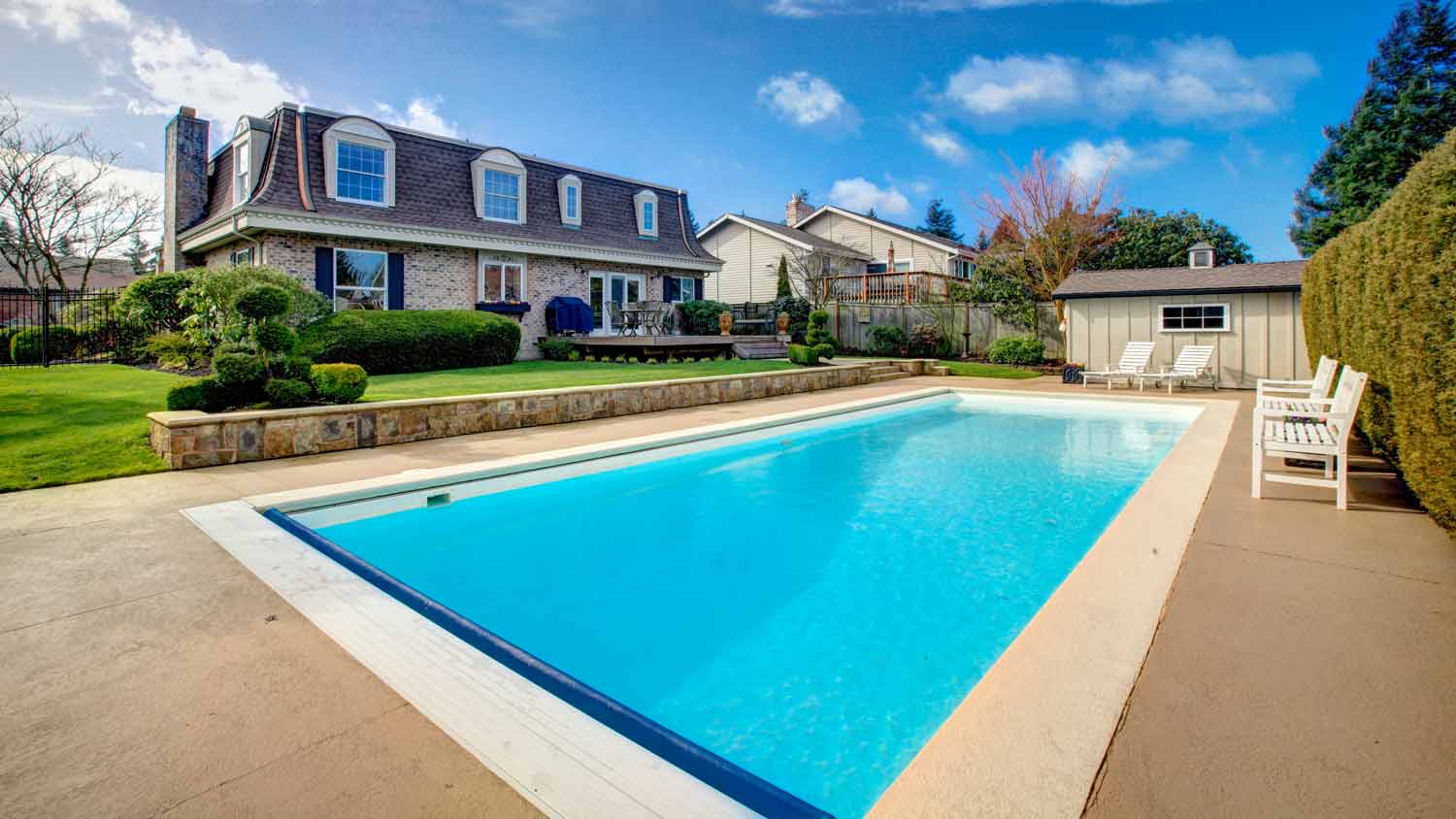
Shocking a pool destroys contaminants, algae, and bacteria and helps pools stay cleaner. Here are four types of pool shock to sanitize your home pool.
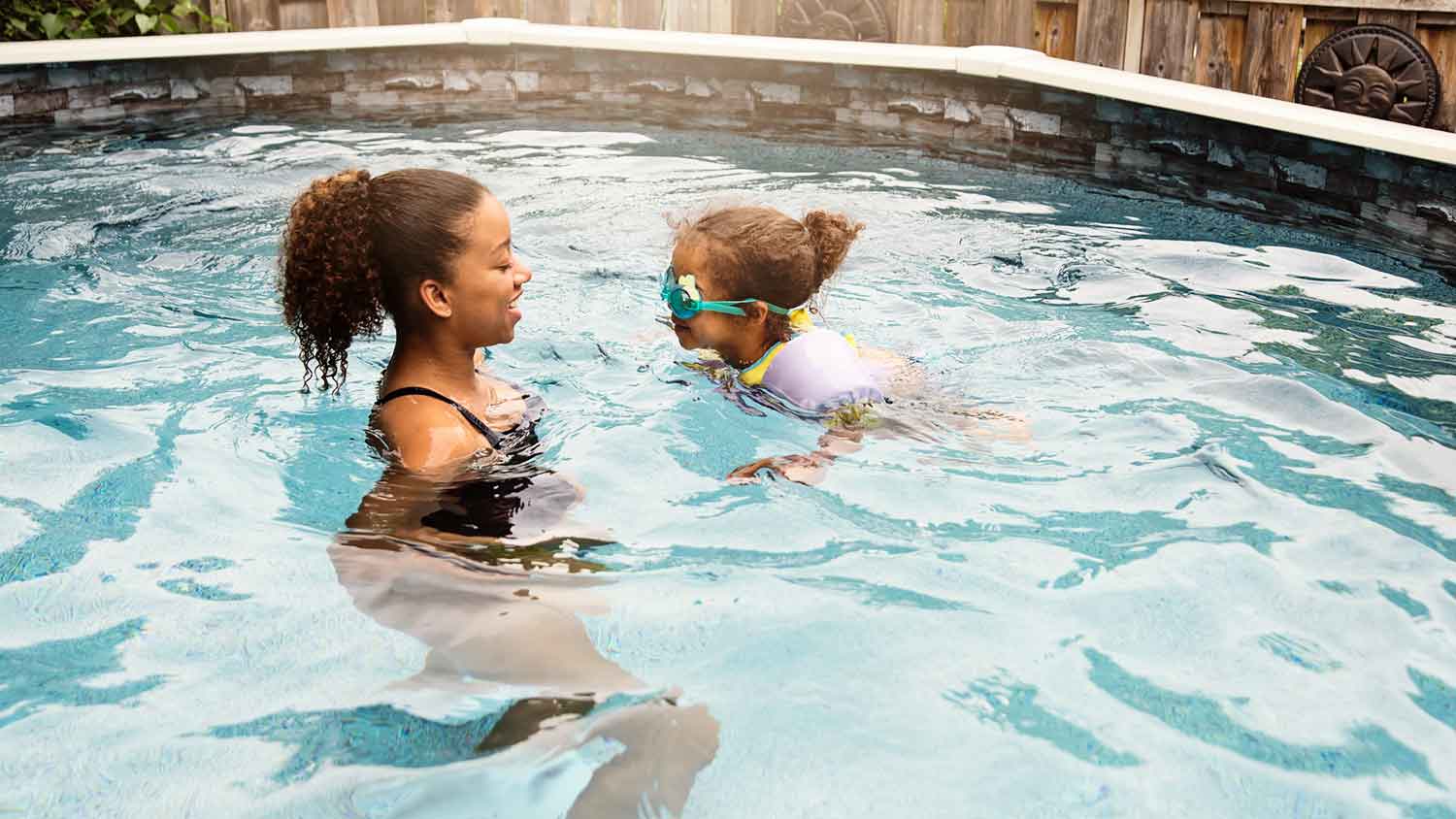
Understanding the most important chemical in your pool can help you feel more confident as a pool owner. This guide breaks down the basics of swimming pool chlorine.