

Stumped about when to use plywood? While well-known in the construction industry, homeowners may be unclear about what plywood is. Learn more in this article.
Drywall and plywood are viable options, but one has the edge

Drywall creates a smooth, customizable surface for painting and texturing, while plywood walls offer a rustic, natural look that fits Scandinavian or simple designs.
Drywall costs around $15 per 4-by-8-foot sheet, while plywood sheets range from $20 to $50 for the same size, making drywall more budget-friendly.
Drywall repairs are simpler for you to patch with joint compound, while plywood resists impacts better but requires full panel replacement when damaged.
Hiring a local drywall professional keeps taping and mudding smooth, helping you achieve a polished finish without the learning curve of concealing seams yourself.
Finishing the interior of your home requires making many decisions on light fixtures, floor coverings, trim, and more. However, before you can do any of those things, you need to decide on the wall covering. Drywall is far and away the most popular material for finishing interior walls, but plywood is another viable option, though it does come with disadvantages. Use this guide to determine which option is the best for the walls in your home.
While it may not appear so initially, drywall and plywood offer similar benefits in a wall covering. They’re both durable and affordable, and their smooth surfaces make applying paint easy. But beyond that, some key differences mean one may be a better choice for you than the other.
Drywall installation requires taping and mudding the joints to create a smooth surface, and this is a skill that takes some practice. Plywood is less likely to crack or break due to fluctuations in temperature, shifting foundation, or impacts, but if it does get damaged, it’s challenging to repair.


Drywall is manufactured from gypsum, a soft sulfate mineral. This may not mean much if you’re not in the business of minerals, but gypsum is an essential component of certain construction products, including drywall. Drywall’s gypsum core is sandwiched between two layers of paper to form a versatile, easy-to-install wall covering that is the go-to today’s residential and commercial structures.
Drywall costs around $15 for a 4-by-8-foot sheet, but the price varies by thickness. Finding a good drywall contractor can ensure proper installation and prevent any issues down the road.
| Pros | Cons |
|---|---|
| Durable surface | Prone to cracking |
| Affordable | More labor-intensive than plywood to install |
| Easy to paint and customize | Requires taping and mudding to conceal joints |
Best for:
Homeowners who want a finished look
DIYers familiar with the taping and mudding process
Homes that need a durable wall covering
Drywall is very easy to customize and install. To cut drywall, you can score the surface on the finish side with a utility knife, break the gypsum core away from the cut line, and then cut through the paper on the back side of the board. After you tape and mud the joints, you can paint the surface or add texture for a customizable appearance.
Drywall is a cost-effective wall covering, and the cost to install drywall ranges from around $1,000 to $3,200.
You’ll have to purchase drywall screws for securing drywall to the studs, which means you can’t use any screws from other projects around the house. While drywall is a durable wall covering, a strong impact from a heavy object can break it, causing a crack or even a hole. Drywall can also crack due to a shifting foundation, temperature fluctuations, or poor installation.
Another downside of drywall is its potential to pollute the air with contaminants like mercury and sulfur. Choosing drywall made in the U.S. after 2015 and that’s Greenguard-certified can help reduce these dangers.

Plywood consists of thin sheets of wood, also known as veneer, laid perpendicular to each other and then pressed together to form a sheet. People often confuse OSB and plywood or use the terms interchangeably, but OSB is made from gluing and pressing smaller pieces of wood into sheets. Plywood can be an alternative to drywall for the interior walls of your home, but making it look good may take some extra finesse.
Plywood costs between $20 and $50 for a 4-by-8 sheet, depending on the thickness and grade of the veneer.
| Pros | Cons |
|---|---|
| Highly durable and impact-resistant | Can have an unfinished appearance |
| Simple design | May delaminate when in contact with heat or moisture |
| It can be customized with paint or stain | Panels cost more than drywall |
Best for:
Homes with a natural, rustic, or Scandinavian aesthetic
DIYers with a basic knowledge of stud placement and screw guns
Active homes that need durable wall protection
Plywood is a durable and relatively budget-friendly material. Unlike drywall, it’s not as prone to cracking and likely won’t break upon impact. It can also create a simple and stylish room design that fits a rustic or Scandinavian aesthetic. It also works well as a drywall alternative in a garage.
Even though the panels cost more than drywall, you’ll save on tape and mud because you won’t have to conceal the joints. You can leave the seams exposed or install trim over the seams for a more upscale look and paint or stain the plywood any color to match your interior.
Another advantage of plywood is its safety and sustainability. The trees that provide the wood for plywood are a renewable resource and may even be locally sourced depending on the plywood you choose.
Depending on the design of the space, plywood walls can end up looking unfinished. As mentioned above, you can cover the seams with trim, but it will add to the cost of materials and labor.
Additionally, plywood can delaminate if exposed to excessive moisture or heat and humidity. In other words, the layers of the veneer will separate. This problem is extremely difficult to repair, and you’ll have to replace the damaged sections of plywood.

Even though drywall is the more popular wall covering material for residential and commercial buildings, it still pays to look at the differences between drywall and plywood to ensure you’ve weighed all of your options.
Drywall is very versatile thanks to its smooth texture. It holds paint well, and you can add texture to achieve a more dimensional look. Plywood, on the other hand, fits better with rustic designs. You can paint or stain it to match the overall aesthetic, though this process requires more preparation and skill than painting drywall. Depending on the quality of the plywood, you may be contending with knots or splits, which can affect the overall appearance.
If you install drywall, you’ll have to tape and mud the seams, but most other aspects of installing drywall are pretty simple. You can cut drywall with a utility knife instead of using a saw like you would for cutting plywood. To install plywood, you’ll have to predrill holes to prevent the wood from cracking or splitting. You’ll also have to decide if or how you want to cover the seams. Each material can give you a beautiful finished product, but they both come with installation challenges.
While you can repair damaged drywall with joint compound and some paint, a damaged piece of plywood will likely need replacing. For drywall repair, you can use a drywall patch kit or have a local drywall contractor handle it.
While you can paint or stain plywood, drywall offers a wealth of customization options. You can paint it any color, but you can also add texture to drywall, making it a one-of-a-kind wall covering.
Drywall costs $15 for a 4-by-8 sheet, compared to $20 to $50 for a plywood sheet of the same size, making it more cost-effective. For both materials, you’ll also have to account for other costs, like tape, joint compound, and paint for drywall and paint or stain for plywood. Getting an estimate from a local contractor can help you determine your final cost, including labor.
Plywood and drywall are durable materials, but they come with their own challenges. Drywall is more fire-resistant, but plywood is more impact-resistant. If it does get damaged, plywood is more difficult to fix than drywall, which you can patch. They are both susceptible to damage from moisture and water.
Drywall can last up to 70 years when properly maintained. The life span can be much shorter if it’s exposed to damage from moisture and pests, but otherwise, you won’t have to worry about replacing it for some time. Plywood’s life span is roughly the same when kept safe from moisture and pests and sealed correctly.
Although there are some environmentally-friendly forms of drywall, plywood is the more sustainable option because it’s made from a renewable resource that can be locally sourced: thin sheets of wood.
Cancelled appointment two hours after they were supposed to come for drywall work.
 Hutch And Sons Drywall Services
Involved an extensive bathroom remodel, including removing tub & installing walk in shower, new drywall, custome tile work to ceiling, plumbing, etc. Overall, job was done on time and on budget. Nick & his team were very professional and had high attention to detail. Quality was great. Highly...
 Stamos Flooring and Remodeling LLC
We have had a great experience with Rising Height for the past five years on a number of miscellaneous renovation projects. They laid flooring for us and had a very good sub do the finish. Installed drywall for a vaulted ceiling, finished an attic/loft with new subfloor, framing and drywall,...
 Rising Height Unlimited
Mr. Lopez was super nice and professional. He repaired our drywall just as he described during the estimate phase. Our dining room wall looks great again! Thanks Mr. Lopez!
On 11/3/15, I called Todd of Todd's Roofing and left a message. He promptly called my back and I indicated that I needed a roof repair for a roof that had a leak. He explained his basic prices, gave me the I'm not the cheapest or the highest speech, and he agreed to come by the property...
We had no power to any of the electrical outlets in the MBR. We'd had an intermittent problem for a few years and they finally went out all together. We live on the 3rd floor of a 100 year old building and I know from past experience the wiring has been added to in hodgepodge ways over the...
Excellent work; great attention to detail; makes good suggestions but always goes along with what the customer requests; clean and tidy; intelligent; very reasonable rates. I would definitely hire him again for other home projects. He can do a variety of different jobs including: drywall,...
We had used them before and received good service. They repeated that service this time, working hard to provide the work we needed in a limited timeframe. Specific thanks go to Tim, Ty, Cooper (and his poor old car whose axle broke in front of our house) and Mr. Good. They all worked hard...
From average costs to expert advice, get all the answers you need to get your job done.
Stumped about when to use plywood? While well-known in the construction industry, homeowners may be unclear about what plywood is. Learn more in this article.
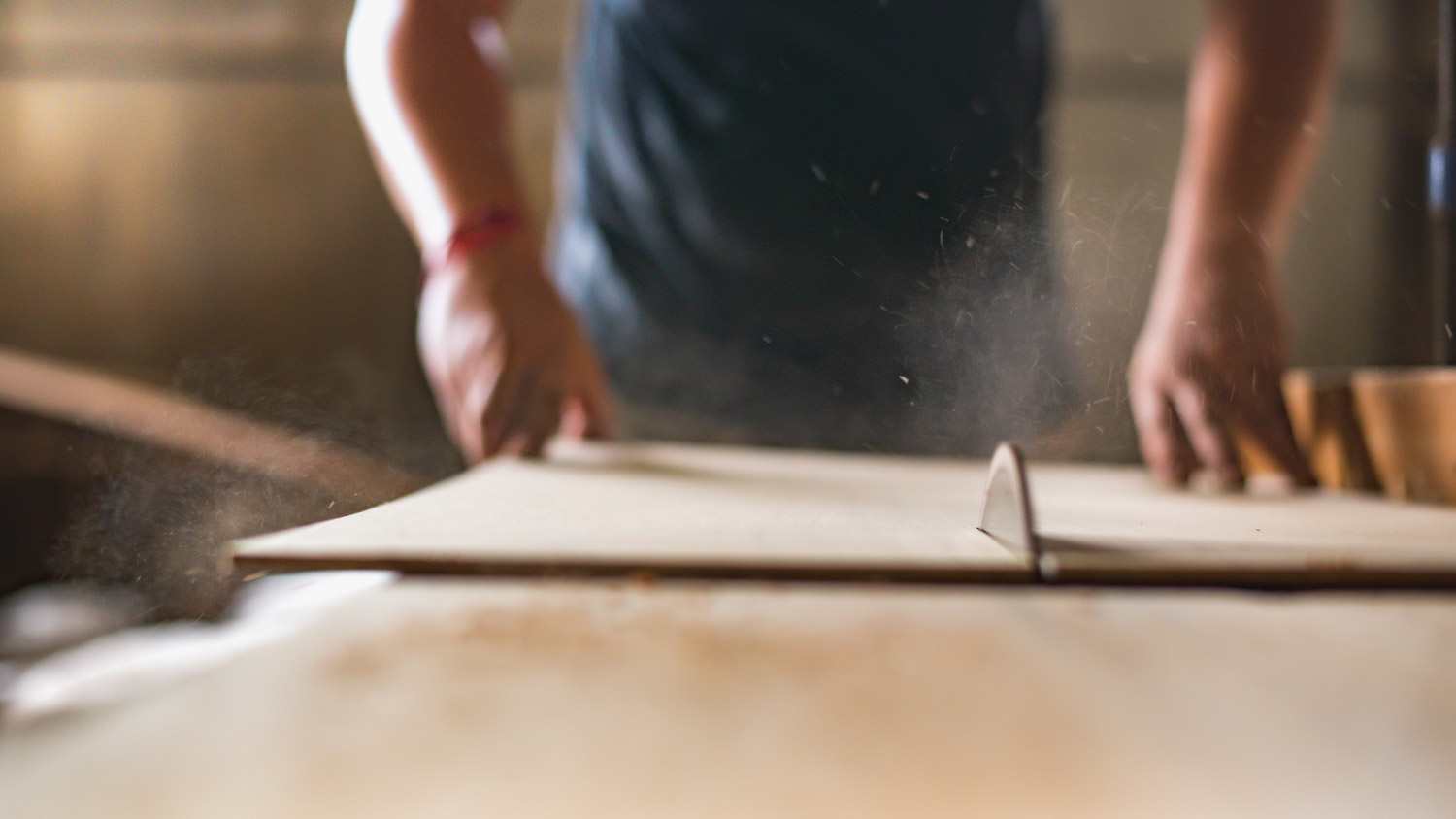
When choosing a solid wood substitute, it can be hard to tell your options apart. Use our guide to learn the key differences when comparing MDF vs. plywood.
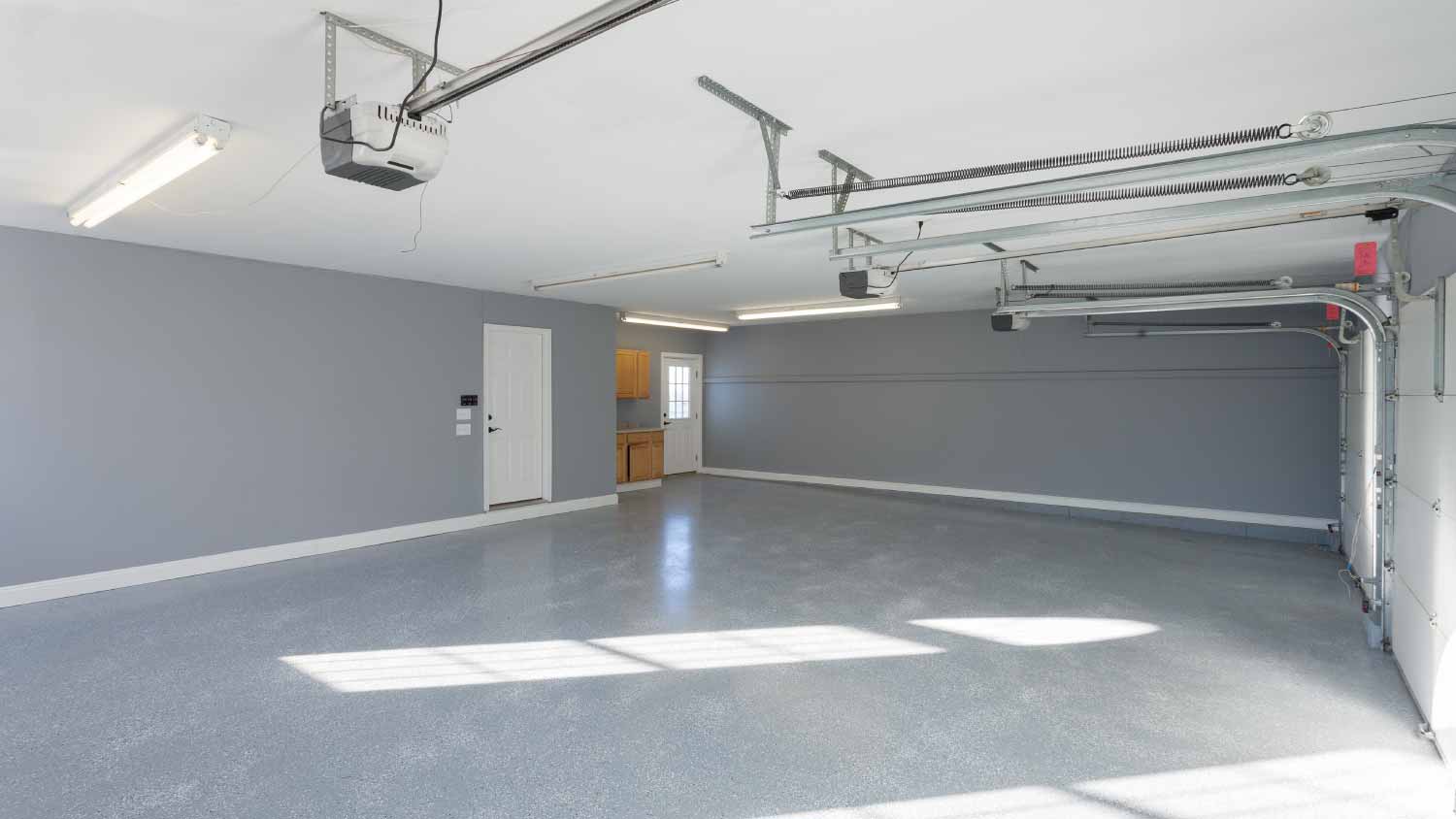
If you want to cover your garage walls but aren’t sold on drywall, check out these five drywall alternatives. Your garage walls will thank you.
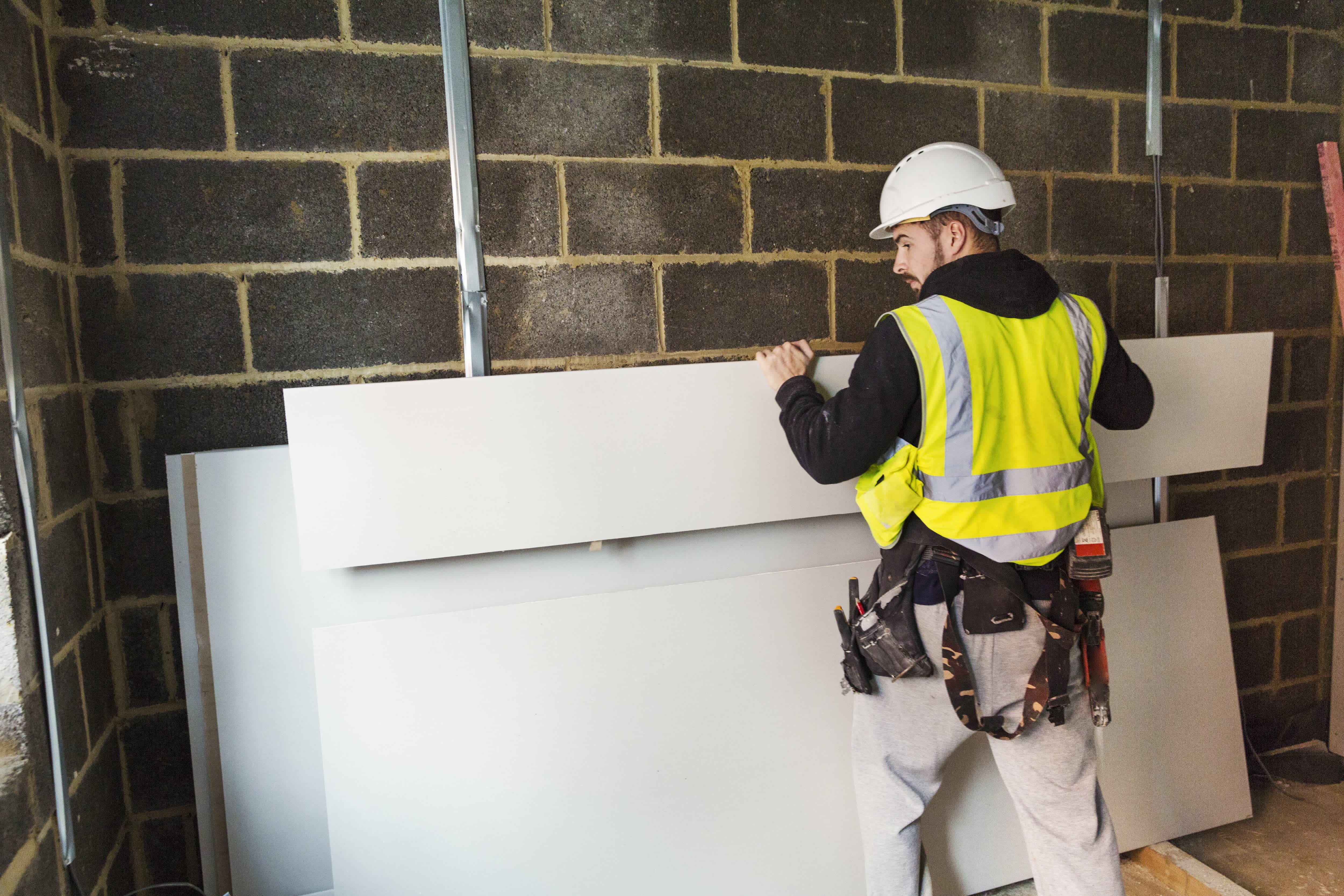
The terms drywall and Sheetrock are often used interchangeably, but one is a brand and one is a specific product. Find out which one you need in this guide.
Not sure what type of interior wall material to choose for your home? We’re breaking down the great debate between blueboard vs drywall. Read on to learn more.
Building a room isn't complete without walls and a ceiling, but what's the best material to use? Compare cement board vs. drywall to find your best solution.