•
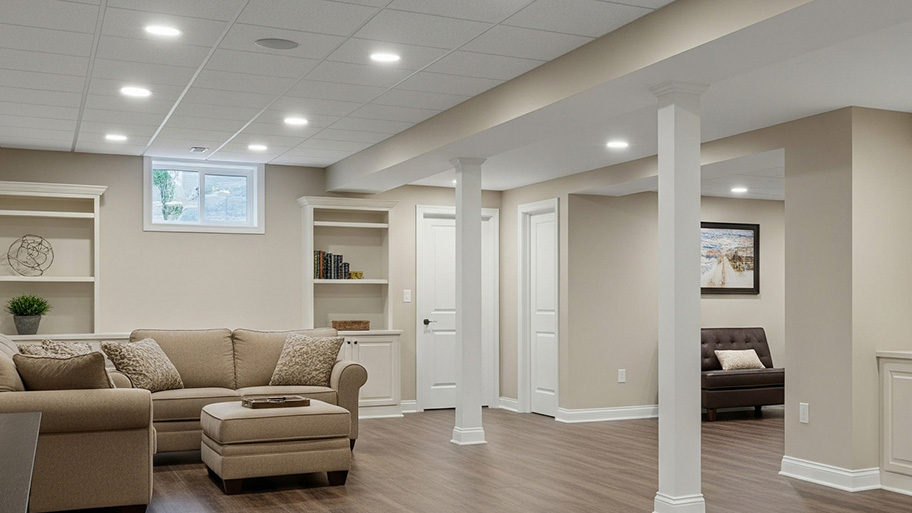
Drop ceilings are an affordable way to finish your room while maintaining access to utilities. Use this drop ceiling cost guide to estimate your project total.
Interior design and decorating costs depend on your project and location. Check with a local pro for your specific job.


Professional stretch ceiling installation costs between $4,500 and $14,000 for your home, depending on room size.
The ceiling type you choose affects your total, from standard flat panels to multi-level or translucent designs.
You should budget for permits ranging from $150 to $300, cleanup fees, and old ceiling removal.
Hiring a local ceiling company ensures a smooth installation and gives your home a flawless, long-lasting finish.
This article was created using automation technology and thoroughly fact-checked and edited by an Angi Editor in accordance with our AI policy.
The cost of stretch ceiling installation averages $8,000, with most homeowners spending between $4,500 and $14,000. Prices range from $6 to $15 per square foot, depending on the material and room size. Larger or custom-designed ceilings may cost more, while smaller, standard installations can be more budget-friendly.
Let’s explore what affects stretch ceiling installation costs, how to plan for your project, and ways to get the best results for your budget.
The size of your ceiling is the single largest factor in the total installation cost. Installers calculate pricing based on square footage, with larger rooms requiring more material and labor. For example, bedrooms and kitchens often require less material, while living rooms or open-concept spaces may increase overall cost due to their size.
Most stretch ceiling installers charge between $6 and $15 per square foot for materials and labor. Some professionals have minimum project sizes or surcharges for small spaces, so even a small bathroom may have a baseline fee to cover setup and travel.
| Room Type | Average Size (Sq. Ft.) | Average Cost Range |
|---|---|---|
| Bathroom | 40 | $300–$900 |
| Bedroom | 120 | $720–$1,800 |
| Kitchen | 150 | $900–$2,250 |
| Living room | 250 | $1,500–$3,750 |
| Large open area | 500 | $3,000–$7,500 |
The type of stretch ceiling you select also plays a major role in your final cost. Standard flat stretch ceilings are the most budget-friendly, offering smooth, modern looks at the lower end of the price range. Multi-level or tiered ceilings add complexity, with extra framing and material requirements.
Printed or custom graphic stretch ceilings introduce a premium for unique designs. Translucent ceilings with integrated lighting or acoustic stretch ceilings for sound dampening will further increase your stretch ceiling installation cost. For wet areas, moisture-resistant or specialty materials are a must and may cost more.
Where you live can affect the cost of stretch ceiling installation. Labor and material prices are often higher in large cities and coastal areas, while rural regions may have lower costs but fewer specialized installers. Local demand and installer expertise also influence pricing. Urban areas with high demand and limited installer availability can see premium charges.
Several factors determine your final stretch ceiling installation cost. Understanding these details can help you plan and budget more accurately.
Specialty contractors or trained ceiling installers install stretch ceilings. Labor rates can range from $3 to $7 per square foot or $60 to $120 per hour. Most professionals have a minimum service fee, which can range from $500 to $1,000 depending on your location and project size.
Labor costs can increase for high ceilings, irregular room shapes, or spaces with many fixtures and vents. Regional differences also play a role, with higher rates in major metropolitan areas.
Permits for stretch ceiling installation are not always required, but some municipalities may ask for them if electrical work or structural changes are involved. Building permit costs vary widely, from $50 to $300, depending on your area. Always check with your local building department to avoid project delays or fines.
Adding features such as integrated lighting (LED strips, recessed fixtures), custom shapes, or multi-level designs increases both material and labor costs. Printed graphics, specialty finishes, and soundproofing upgrades also add to your total.
Acoustic enhancements can cost $2 to $5 per square foot extra, while custom lighting integration costs $500 to $2,000 or more, depending on complexity.
Several other elements can impact your stretch ceiling budget:
Complex shapes or high ceilings require more labor and material.
Limited accessibility or the need to move furniture can increase time on site.
Removing old ceiling materials or preparing the surface adds to the cost.
Post-construction cleanup and finishing touches may carry a fee.
Design consultation, architectural input, or required inspections can introduce additional charges.
Beyond stretch ceiling installation, there are a few ongoing and one-time expenses to keep in mind.
Most stretch ceiling materials come with manufacturer warranties, ranging from 10 to 20 years. Installer warranties may cover workmanship for one to five years. These warranties protect against defects or installation errors, but may not cover accidental damage or improper maintenance.
Stretch ceilings are known for being low-maintenance. Occasional dusting or gentle cleaning is often sufficient. The material is durable and can last 10 to 20 years. Professional cleaning, if needed, may cost $100 to $300 per visit. Minor ceiling repairs cost less, but extensive damage may require replacement.
Sales tax on materials and labor will vary by state and municipality. Expect tax rates between 5% and 10%, which can add a few hundred dollars or more to your total project cost.
Homeowners insurance does not always cover stretch ceiling installation, but it may protect against accidental damage after the fact. Ensure your contractor has liability insurance, especially for high-value or complex projects, to protect your investment and provide peace of mind.
Homeowners sometimes consider DIY stretch ceiling installation to save on labor. DIY kits range from $2 to $5 per square foot for basic materials. By handling the project yourself, you can avoid labor charges, potentially saving thousands on a large room.
However, DIY installation demands specialized tools, a heat gun, and a steady hand to achieve a smooth finish. Risks include poor fit, damage to the material, and voiding warranties. Mistakes can be costly and are hard to fix without professional help. Most homeowners find it’s best to hire an experienced local ceiling company, especially for large or custom projects, to guarantee a flawless, long-lasting result.
Deciding between repairing and replacing a stretch ceiling depends on the type and extent of damage. Small punctures, sagging, or seam issues can often be repaired for $150 to $500. Larger problems like major tears, discoloration, or widespread sagging may require complete replacement, especially if the damage covers more than 50% of the surface or the ceiling is near the end of its warranty period.
If your ceiling is relatively new and under warranty, repair is often the most cost-effective option. For older ceilings with significant issues, replacement ensures better appearance and performance.
A professionally installed stretch ceiling can increase your home’s value by enhancing both appearance and function. Buyers appreciate the modern look, integrated lighting, and easy maintenance. Compared to other ceiling upgrades, stretch ceilings offer a strong return on investment, especially when combined with custom features or energy-efficient lighting.
ROI is highest when the design complements your home’s style and when installation quality is top-notch. Stretch ceilings also offer benefits for universal design, safety, and noise reduction, making them a wise choice for many homeowners.
To keep installation costs within budget, consider the following tips:
Get multiple quotes from qualified stretch ceiling installers.
Choose standard materials and finishes for better value.
Limit custom features or complex designs to control costs.
Schedule installation during off-peak seasons for potential savings.
Prepare the room in advance (move furniture, clear space) to reduce labor time.
Consider partial installations (e.g., feature wall or ceiling section) for budget-friendly upgrades.
Home is the most important place on earth, which is why Angi has helped more than 150 million homeowners transform their houses into homes they adore. To help homeowners with their next project, Angi provides readers with the most accurate cost data and upholds strict editorial standards. We extensively research project costs to develop the pricing data you see, so you can make the best decisions for you and your home. We rely on reputable sources, including the U.S. Bureau of Labor Statistics, academic journals, market studies, and interviews with industry experts—all to ensure our prices reflect real-world projects.
Want to help us improve our cost data? Send us a recent project quote to [email protected]. Quotes and personal information will not be shared publicly.
We have bought and sold numerous times over the past 50 years. Sherman Hall and Top Line are top notch. Thorough and detailed, he explains every possibility, probability, and eventuality. High class and pleasant. The best.
 Top Line Home Inspections, LLC
Supreme Brick & Chimney did a great job with a cleaning and inspection of the fireplace! He was efficient, on time, and very pleasant. The space was kept very clean, and the fireplace was spotless when he was done. He also performed a thorough inspection, and did a great job talking us...
 Supreme brick & chimney
Custom Paint Jobs LLC is the go-to choice for all your painting needs. They painted both the interior and exterior of my house flawlessly. Their work speaks for itself!
 Custom Paint Jobs, LLC
They were very helpful with design, very quick to respond, good quality work, and competitive pricing!
 Cooks Cabinets
On time, clean and finished fast. Windows seem sturdy and the finish is good. Caulking was done with no smudges. Would recommend.
 Window Depot USA of Central Ohio
If I could give 10 stars for Kitchen Tune Up, I would. I cannot say enough good things about my experience with Kitchen Tune Up and the entire team involved in the process of my kitchen project. They went above and beyond as far as service and quality with my cabinets, paint, countertops, and...
Beginning with the estimate, Larry and Peyton were super helpful in getting my new condo's interior re-painted. Not only was the job well done, but also done in a super timely manner as promised.
 Five Star Painting of Plain City and Powell
Great job...edging and pre clean up went well with a great job with seal coat. Friendly, efficient and professional.
 All Star Paving and Sealing
We were having 2”x 2” tile installed . There was a small installation error and the new additional replacement tile was from a different lot and the colors didn’t match. Joe assured us that he would rectify everything , which he did without hesitation. We decided to go with the 18” x 36” tile...
 CarifaTile
We live in a condo and had space to add a tall cabinet. The problem was the space was already occupied by our catsâ litter box. We needed to still keep the litter box in that same corner. Beiler Custom Cabinets was able to work with our need and design request. What was created was an...
 Beiler Custom Cabinets, LTD
From average costs to expert advice, get all the answers you need to get your job done.
Drop ceilings are an affordable way to finish your room while maintaining access to utilities. Use this drop ceiling cost guide to estimate your project total.
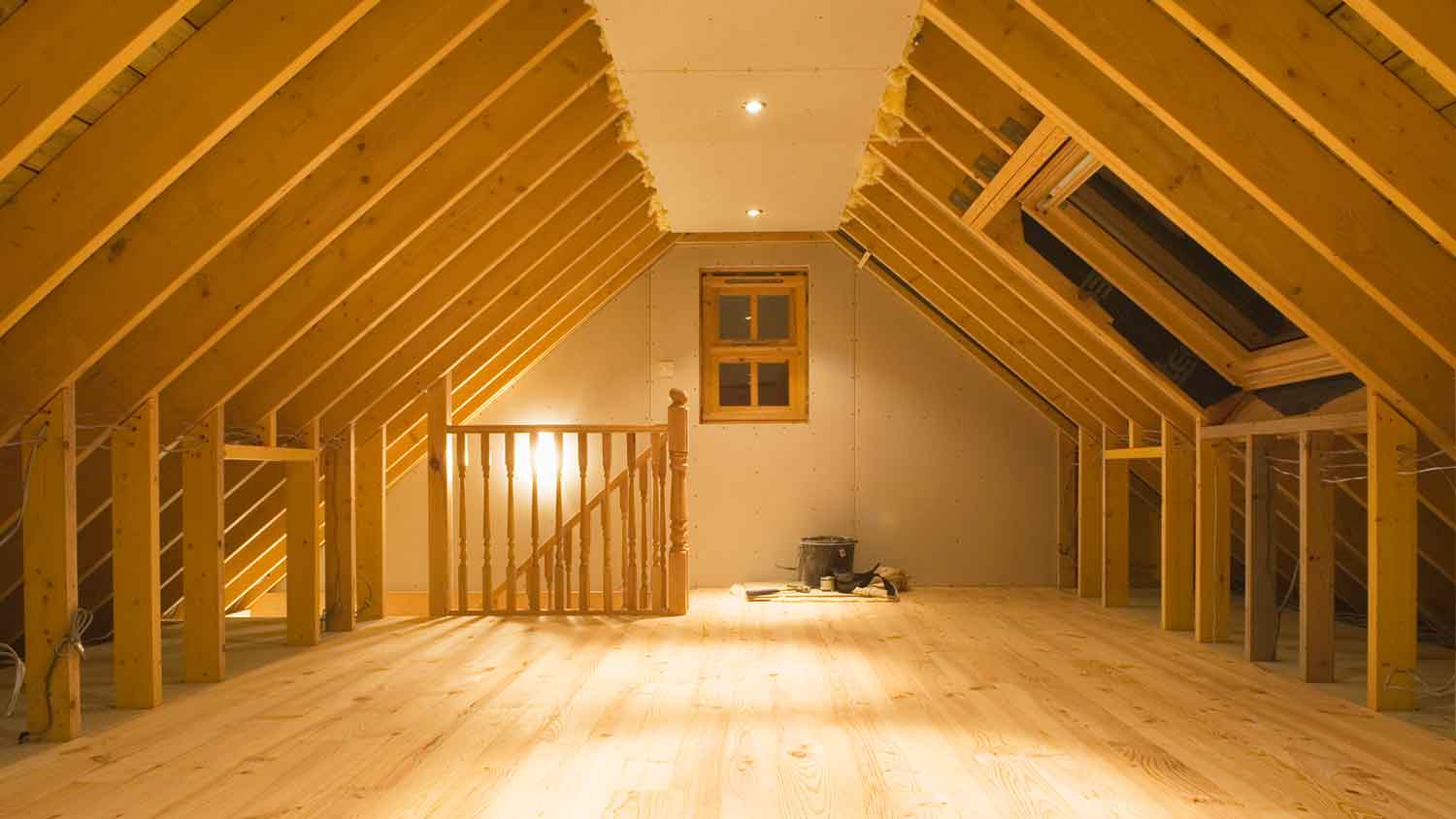
Discover the cost to install faux wood beams. Learn about price factors, installation options, and ways to save on your faux wood beam project.
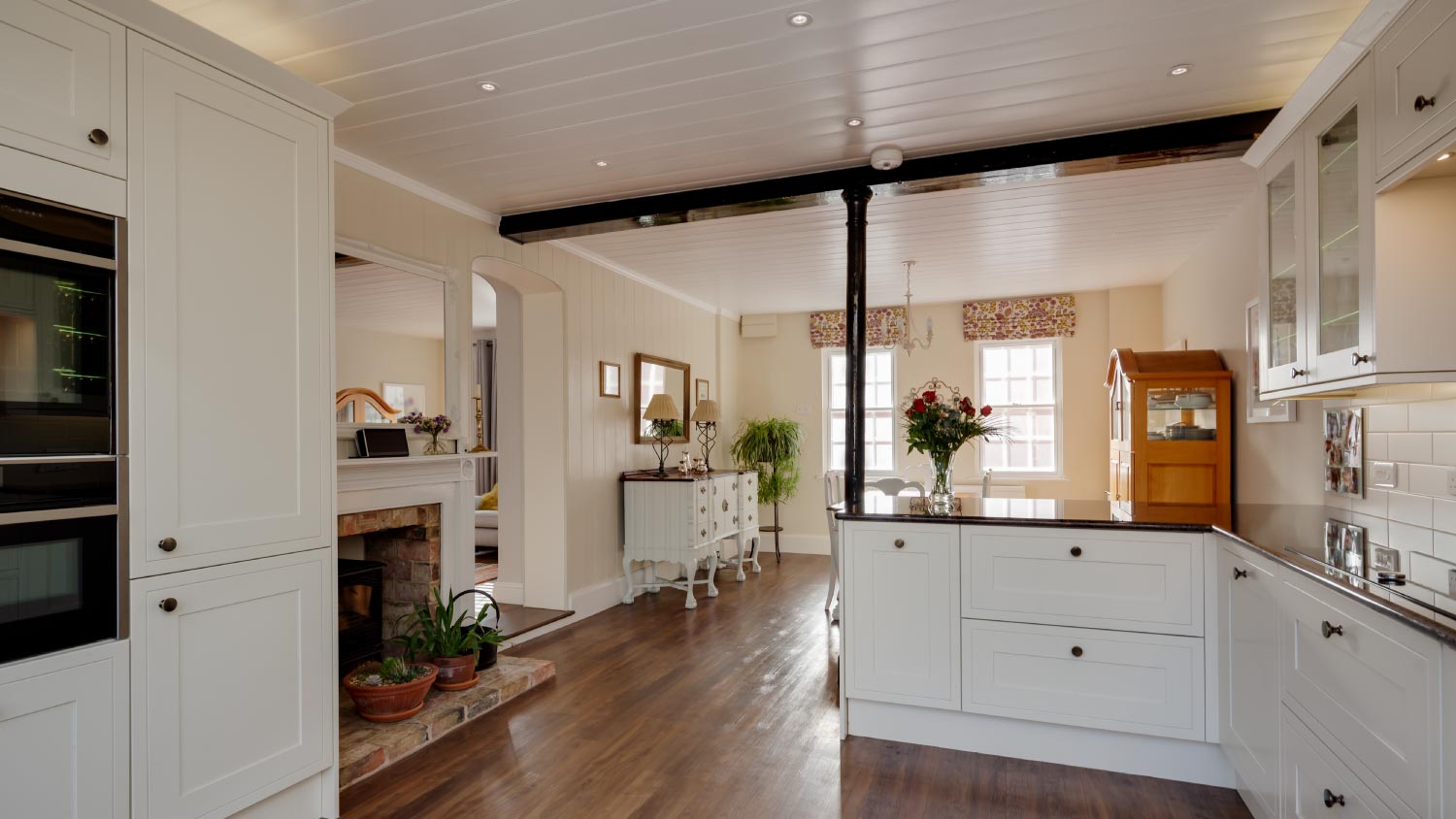
Installing beadboard ceilings is a great DIY project. Learn what to expect cost-wise from this project, whether removing or covering a popcorn ceiling.
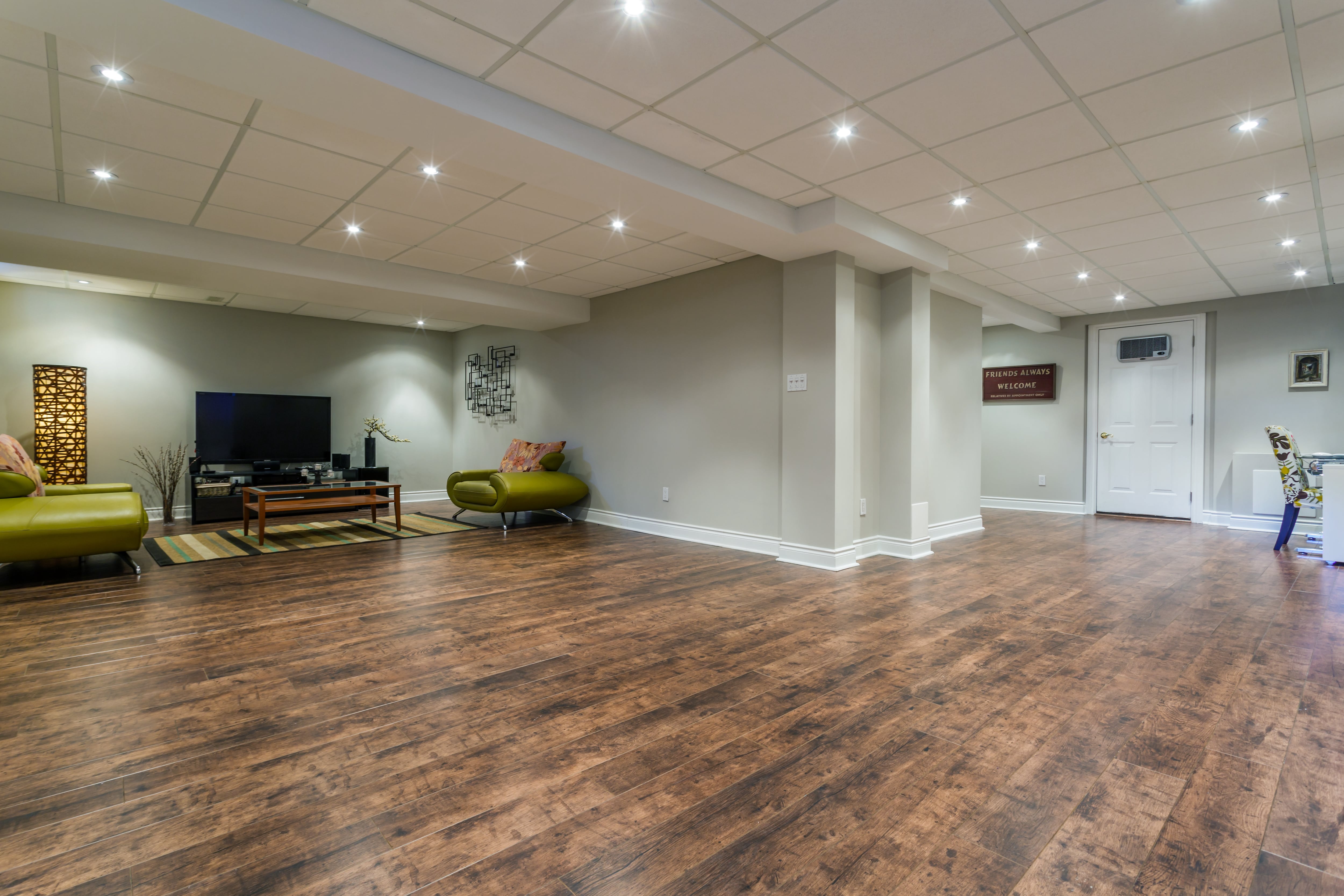
A drop ceiling is an easy way to cover unsightly drywall stains or exposed ductwork and plumbing. You can tackle this project with our how to do a drop ceiling step-by-step guide.
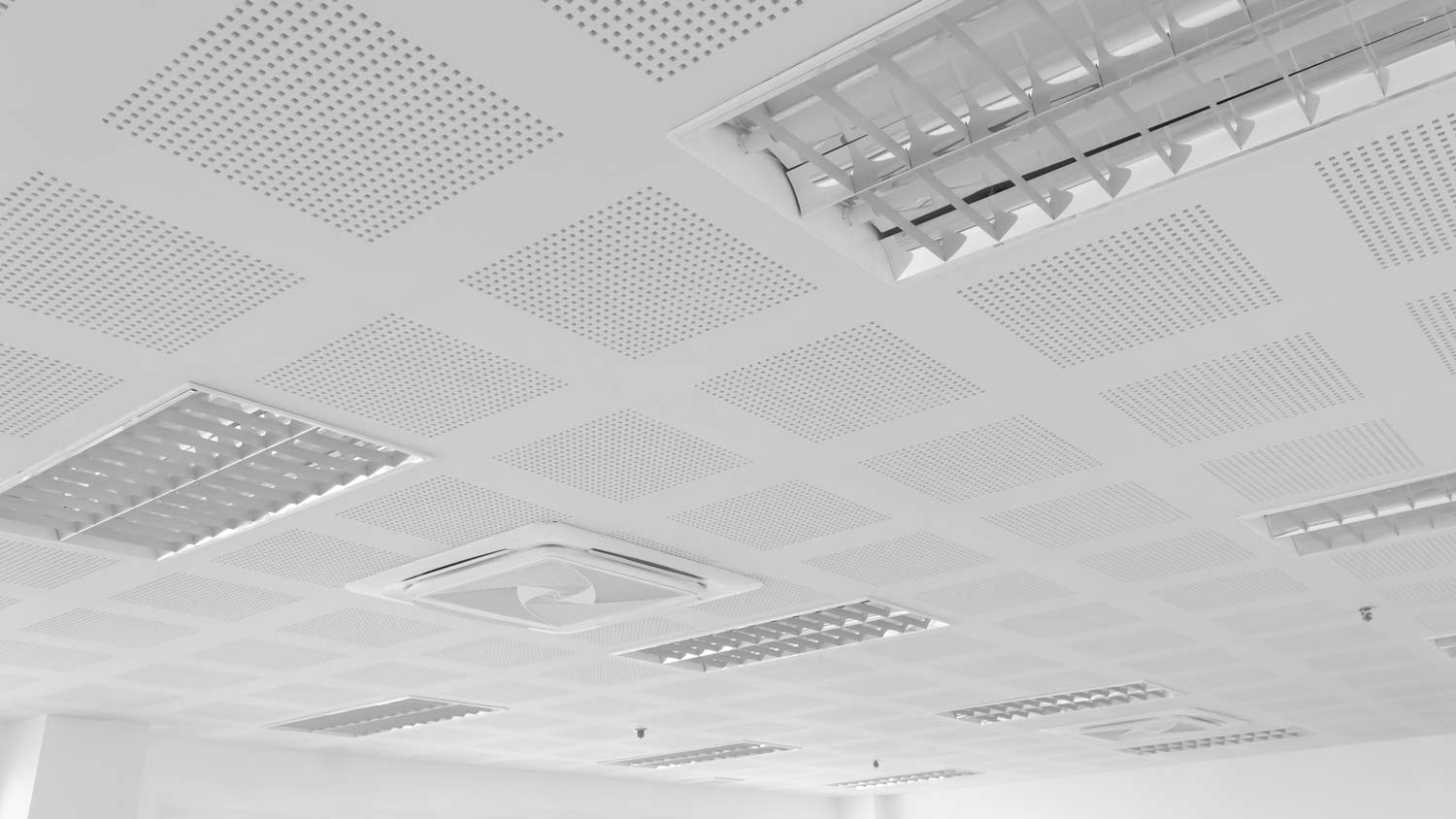
Looking for a ceiling tile installation pro? Learn how to find qualified contractors, questions to ask, and what to expect for your project.
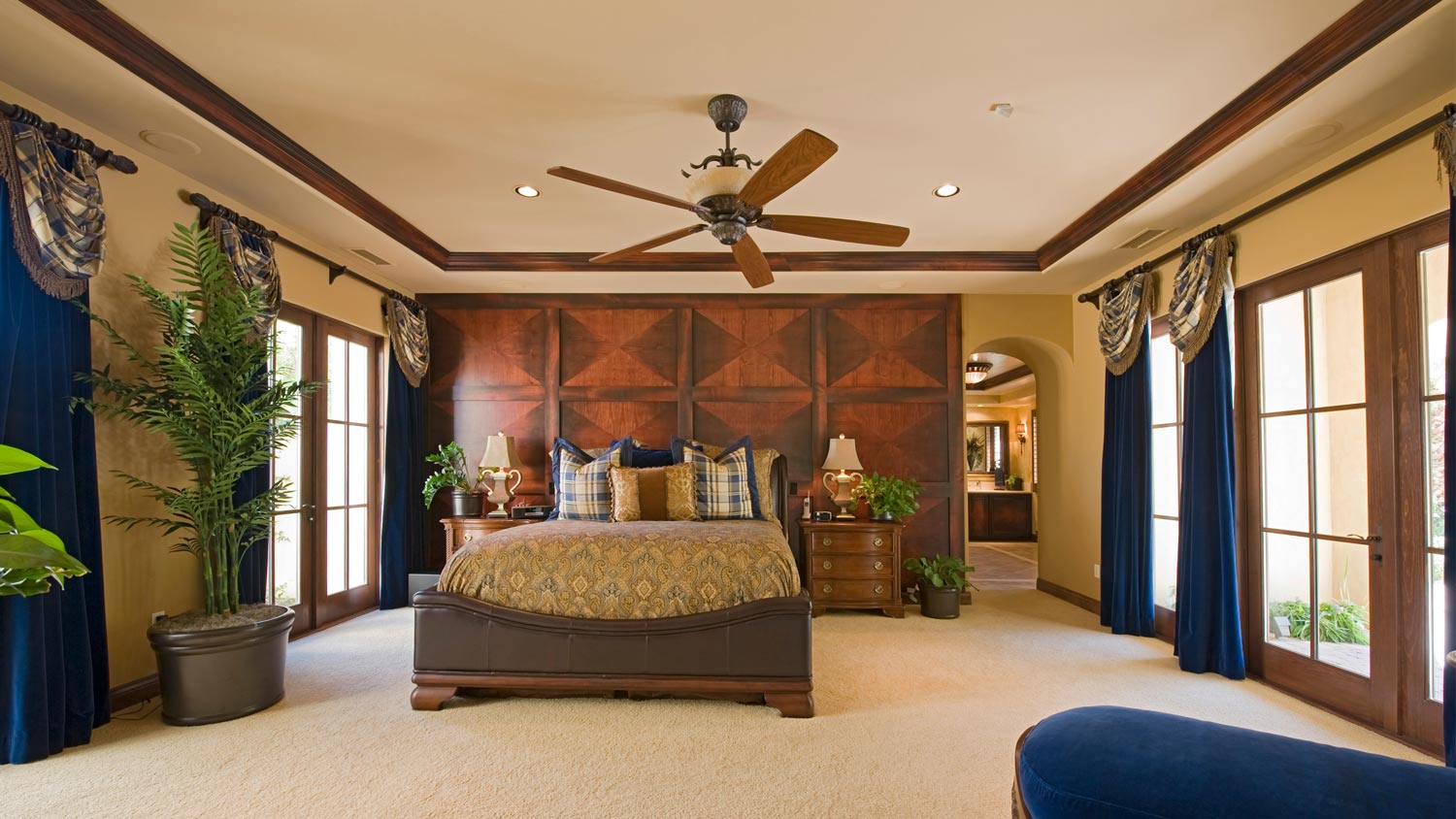
Installing a ceiling fan can be a DIY project or a job for the pros. This guide explains every step of ceiling fan installation, so you can decide if it’s the right DIY for you.