

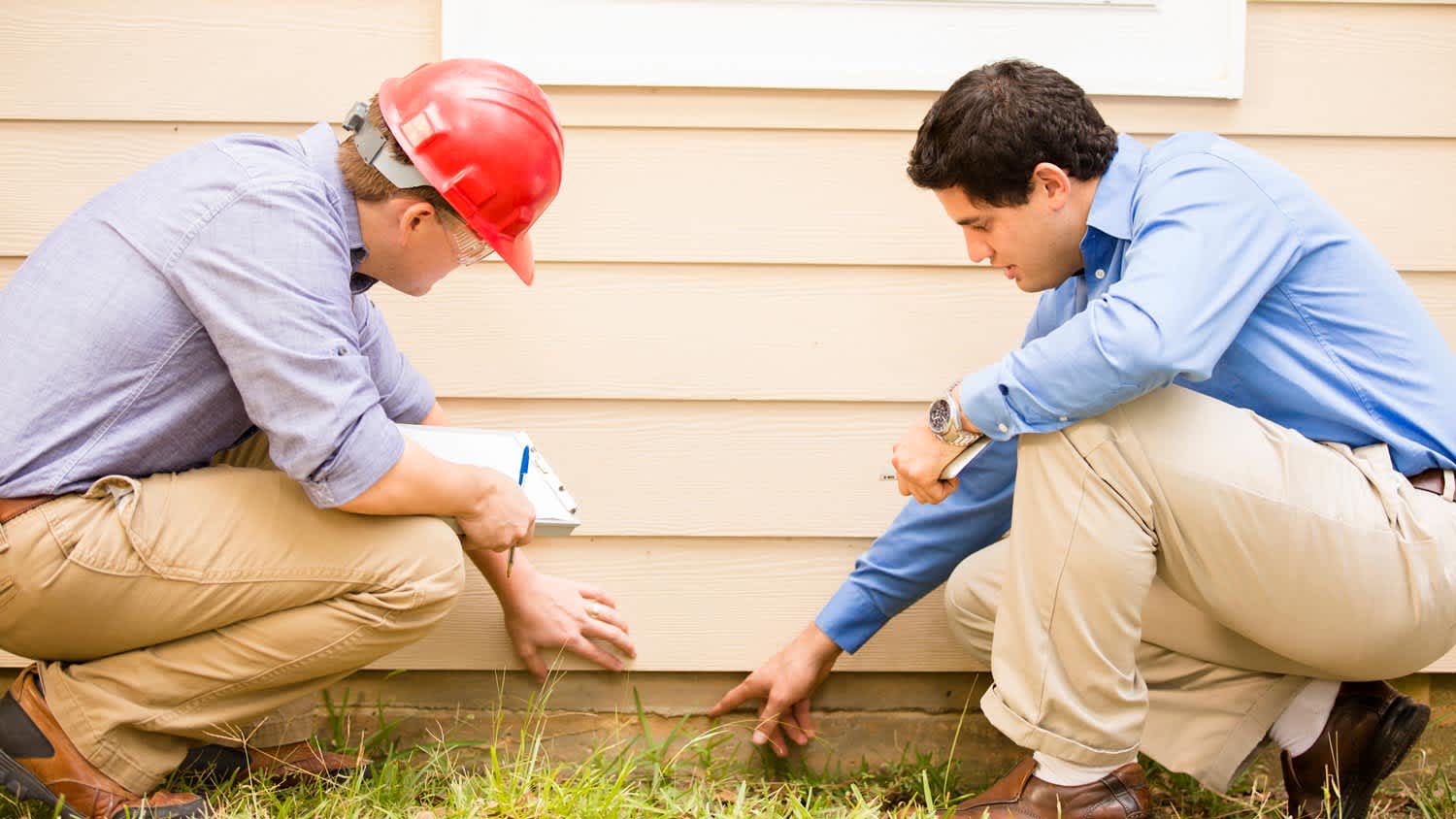
Foundation repair costs can be tricky when you have a large repair on your hands. This guide walks through costs from small cracks to total replacement.
What to do when you have a sinking feeling about the state of your foundation

A sinking foundation happens when soil under your home loses the ability to support its weight, causing settling or structural shifts.
Foundation repair costs range from $2,100 to $7,800, with major repairs reaching $15,000 or more, so addressing issues early helps avoid higher expenses.
Uneven floors, sticking doors, drywall cracks around windows and doors, and gaps between your cabinets and walls all signal foundation problems needing prompt attention.
Hiring a local foundation drain installation professional provides expert assessment and reliable solutions for foundation sinking, helping protect your home's structural integrity and safety.
While it's common knowledge that houses can settle over time, signs of a sinking foundation can't be brushed off. Homes rest on several layers of soil. When soil can no longer handle the weight of your home, your foundation will begin to settle into the earth. When ignored, a sinking foundation compromises the structural integrity of your home. While foundation experts are needed to assess and repair a sinking foundation, homeowners can often spot sinking foundation signs on their own. Here's a guide to help you detect the signs.
Recognizing early warning signs is important, but figuring out the right fix isn't always simple. Delaying professional help or attempting complex DIY repairs can lead to further damage and increased costs. With our network of local pros, you can hire a skilled professional to assess the issue and recommend the best solution.
A sinking foundation can endanger the structural integrity of your entire home, posing serious safety risks and creating damage throughout the house. A sinking foundation can also damage utility lines that run under the house, potentially leading to plumbing problems or gas leaks. When a foundation sinks, it can cause separation of walls, ceilings, and the roof, which can all result in leaks and water damage.
A sinking foundation may not be immediately obvious, but there are signs you can look for that indicate your foundation might be sinking. While some of these signs may have various causes, it’s worth hiring a pro who inspects foundations to pinpoint the problem if you come across any of these issues.
You may think that your mind is playing tricks on you if you're noticing a slight lean to your floor. The best way to confirm an uneven floor is the "ball check." Simply place a ball on the floor to see if it rolls across the room on its own.

While there are many causes for sticking doors, one of them is poor foundation settlement. This happens when pressure from a sinking foundation warps door frames.
Uneven water pooling is a little-known sign of a sinking foundation. You might also notice poor drainage with pipes that seems to happen out of the blue. Unexplained plumbing problems are often caused by the pressure of a sinking foundation pinching pipes.
Cracks in walls, window frames, and door frames can all be telling you to check your foundation. While not all cracks are caused by foundation issues, drywall cracks that are visible around the corners of your windows and doors are often related to your foundation. You'll notice that cracks quickly reform after repairs. In addition to spotting cracks, you may also see nails popping out of drywall and frames.
This common foundation problem pops up in bathrooms and kitchens. Check for any gaps between cabinets and countertops. These gaps show that your home's sinking foundation is pulling the floors down with it. In some cases, you may also notice that cabinets are separating from your walls.
This is the most overt sign of a sinking foundation. If you suspect that your foundation is sinking, it's important to inspect it to look for the types of foundation cracks to be concerned about. Look in your basement for cracks that have formed along the floor, interior walls, or exterior walls. If you have a slab home, you can look at the ground-level floors to check for cracks.
While you may be paying attention to your foundation for the first time because you've noticed some classic sinking foundation signs, homeowners should actually inspect their basement, crawl space, garage, and unfinished areas to regularly look for damage.
Call in a pro when you spot any of the above signs of damage. A foundation contractor will be able to assess the problem and let you know what repairs are necessary. Even if it turns out your foundation isn’t sinking, any foundation damage should be promptly repaired to prevent further issues. Your contractor will be able to advise you on the best foundation repair method for your problem so your house can be on solid ground again.
Foundation repair is not something to tackle as a DIY project. Hiring a foundation contractor ensures that the repair is performed correctly, safely, and in compliance with any applicable codes or regulations. In many cases, large, specialized equipment may be required to fix your foundation. The foundation keeps your home safe and sturdy, so you don’t want to take any chances with DIY repairs.

It’s a good idea for homeowners to stay ahead of foundation issues by making some small changes to their homes. If you're worried that you're at risk for a sinking foundation, there are several preventive measures to take. Consider bringing in a local foundation repair pro to assess your home to ensure you're making the right choice.
Retaining walls protect a home's foundation by preventing soil from moving downsloping terrain. Retaining walls also divert water away from your home's foundation. When you hire a professional to build a retaining wall for you, they'll take the grading around your home into consideration to create a custom design.
If you have clay-rich soil under your home, this soil type is more likely to cause sinking issues compared to dense soil. The reason why is because "thin" soil makes it much easier for your foundation to expand and contract in wet conditions. While replacing soil isn't usually an option, one popular remediation option is to use industrial-strength steel tubes to stabilize soil.
Pier systems use steel piers to connect your home's foundation to soil or bedrock below. In most cases, a foundation pier system can lift your home back to its original position. While pier systems can often be installed without disrupting your home and landscaping, this is a job for licensed professionals.
Updating your yard's landscaping to improve drainage in your terrain could save your foundation. Using grading, landscaping contractors will help you use gravity to your advantage to pull water away from the base of your home.
Once you have the right grade, you can use shrubs, flowers, and other forms of foundation planting around the home to protect your foundation in a cost-effective way that is also attractive. Many homeowners overlook the importance of greenery for protecting the top layers of soil around their homes from rain-related erosion and wind damage.
Your gutters and foundation are closely linked. The gutters on your roof aren't just there to protect your roof from mold and water damage. They also help to drive water away from your foundation. When you have leaves, twigs, and other types of debris piling up in your gutters, water will spill over your gutters to reach your foundation instead of being directed away to a safe area. The water that splashes over the tops of your gutters will eventually pool around your home's foundation.
Foundation repair costs often range from $2,100 to $7,800, but major repairs can cost up to $15,000 or more. If the damage is extensive enough to require a foundation replacement, it can cost $20,000 to $100,000.
Foundation replacement involves lifting the house, removing the original foundation, pouring a new foundation, and placing the house back on the foundation. This process can take weeks or longer, and you might not be able to live in your house during foundation replacement.
Positive experience. As previously stated, the replacement/repair could not be completed (no fault of the plumbing tech) b/c misinformation was rec?d by property management maintenance. Thanks to the plumbing tech for your efforts. Appreciate you!
 The Waterworks
Carpet repair done well. Scheduling was easy. Showed up on time.
 BR Flooring Installation
I would recommend this company to anyone! He showed up on time, was friendly, completed a very difficult repair on our dryer vent cover, was responsive, and pricing was extremely fair and competitive. I would have him back to do any of our repairs or cleanings without hesitation!
 U.S.A. Dryer Vent, LLC
Everything from initial contact to completion was absolutely top notch. We contacted the business during off hours to leave a message, and the owner still reached out to feel out the issue within minutes. We were scheduled and repaired within 48 hours. I cannot say enough about the...
 Supreme brick & chimney
Ace Fireplace Services came to the rescue for my chimney repair. They were quick to pinpoint the issue and worked their magic to fix it. My chimney is now in excellent shape, and I'm a satisfied customer.
 Ace Fireplace Services
On Sunday 2/26 I requested quotes via Angi from 4 refrigerator repair businesses. Northwest Appliance responded to me Monday morning (2/27) and my refrigerator was repaired by noon the same day. Great communication, they did everything they said they would. The technician had the parts on...
Great experience all together. Dog friendly, courteous, great results and honest with recommendations. Will certainly be using Cardinal in the future for any carpet repairs
 Cardinal Carpet Care & Repair
Description says they handle window repair including rotten hardwood - they called me back right away but didnâ t leave a voicemail. I followed up 3 days later and they said they donâ t do that kind of work.
 Window-Gurus
Chaz, the owner, was very responsive and he communicated with us throughout the entire process. The overall cost was in the middle compared to the three estimates we received. The installation crew was very professional. Chaz was considerate enough to send a crew back to our home to repair...
 Unique Hardwood Floor LLC
Great guys. Spend a lot of time repairing and prepping our walls before doing the new paint. Home looks great now.
From average costs to expert advice, get all the answers you need to get your job done.
Foundation repair costs can be tricky when you have a large repair on your hands. This guide walks through costs from small cracks to total replacement.
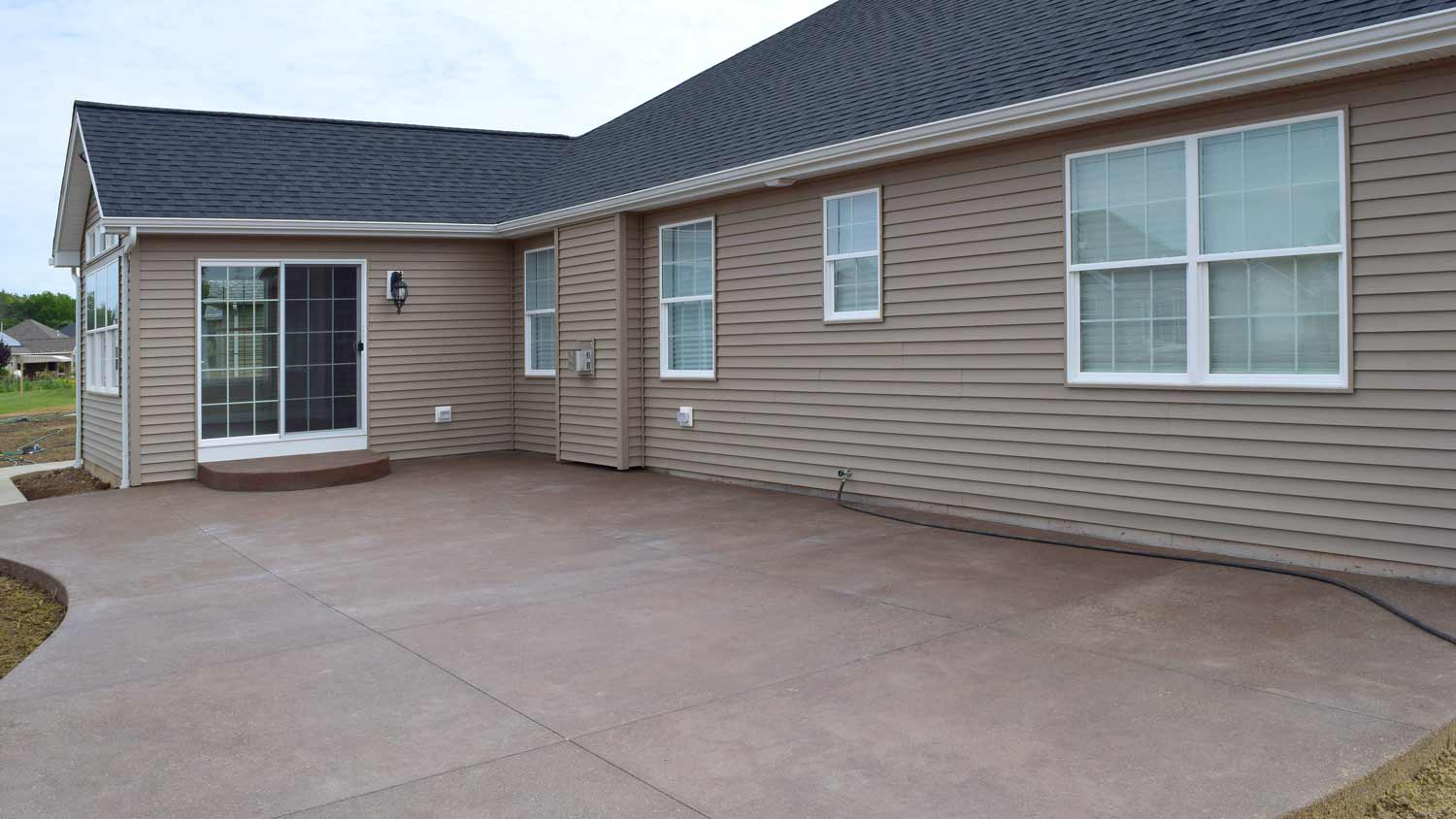
Sinking concrete can lead to major property damage if you don’t solve the underlying issue. Learn what causes concrete to sink and how to fix the problem.
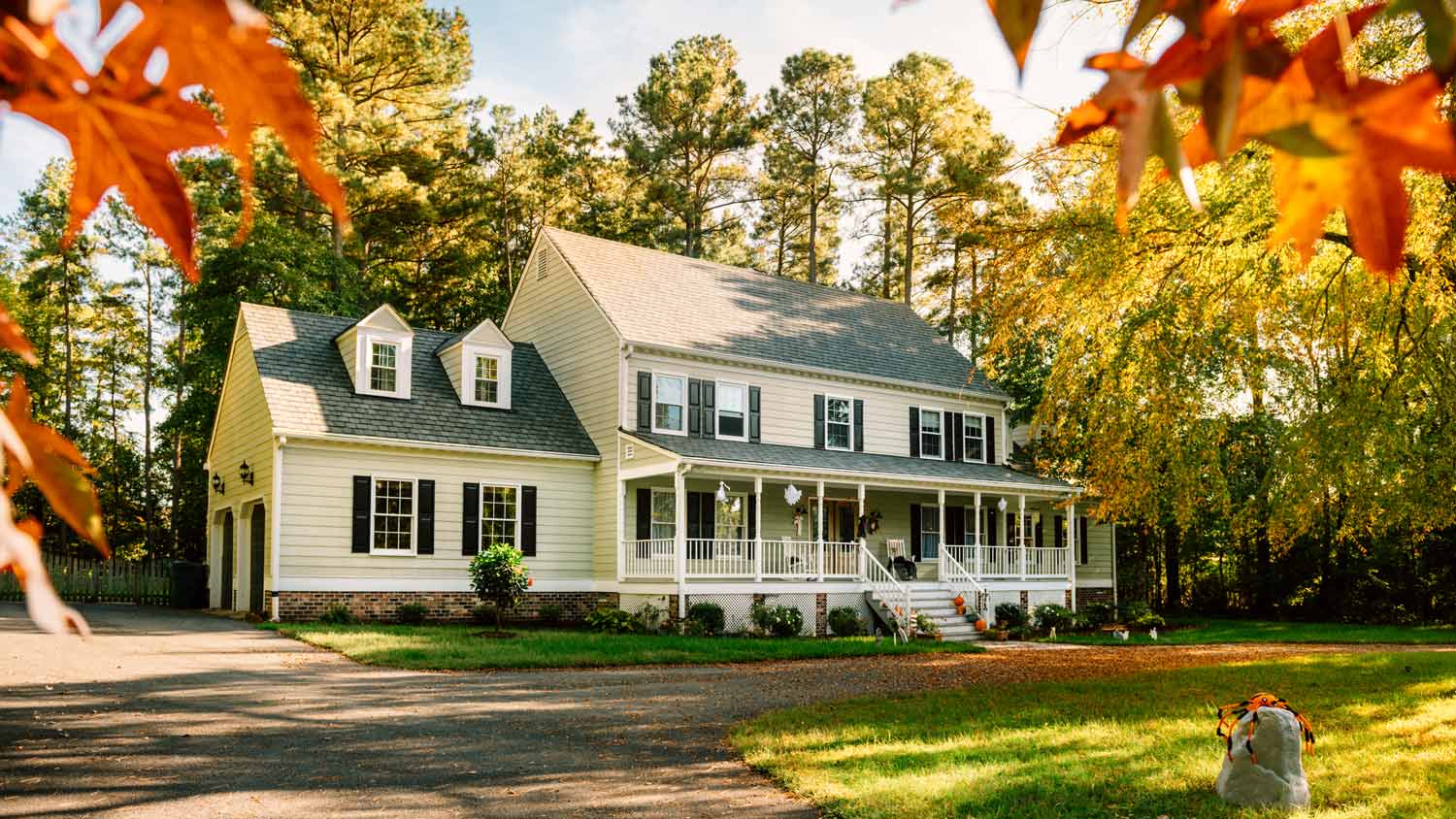
All foundations settle, but some can develop related structural issues. Use this guide to identify foundation settlement and determine when to take action.
What is underpinning? Learn all about this foundation repair process, including when it’s useful and how much it usually costs.

Not sure if your foundation is damaged or just settling? Learn about foundation problems versus settling and how to tell the difference in this homeowner’s guide.
Need help identifying foundation damage? Learn about the signs of foundation issues, the underlying causes, and what to do if you find them in your home.