
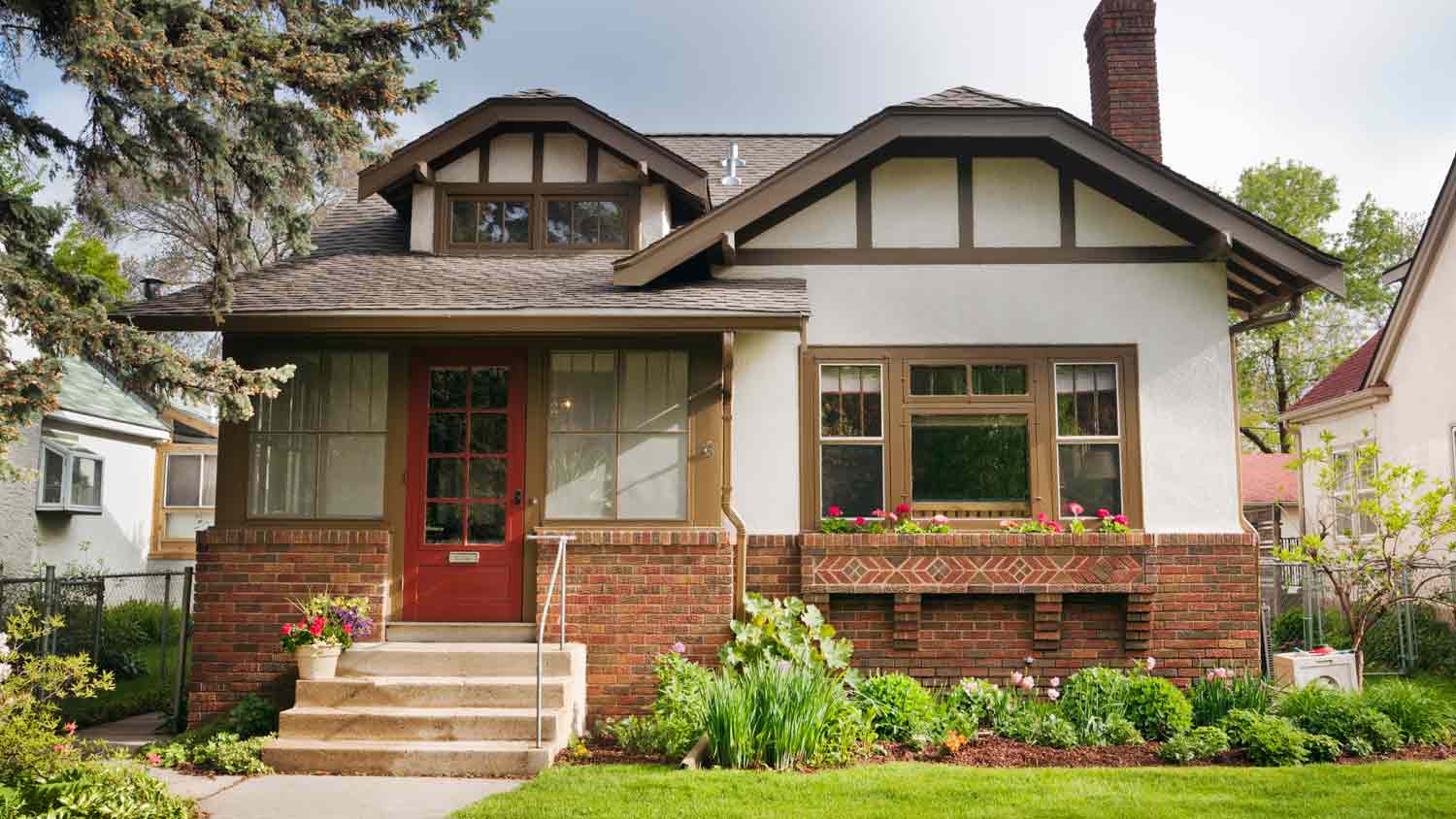
Concrete spalling can create hazardous conditions. Learn about the causes of spalling concrete, along with helpful prevention and repair tips.
Get rid of that sinking feeling about your foundation

Poor soil quality under your concrete foundation can shift and settle, leaving gaps that reduce support and cause sinking.
Underground plumbing leaks from water or sewer lines can saturate soil near your concrete foundation, creating erosion that leaves the structure without proper support.
Installing gutters with downspouts and grading soil away from your home directs roof runoff away from your foundation, preventing concrete from sinking.
Hiring a local concrete foundation company helps diagnose soil erosion and lift sunken slabs using slurry pumping or foam injection repairs.
Your entire home relies on the concrete foundation beneath it, so seeing that concrete sinking into the ground can be jarring. This problem can cause major structural damage rather quickly since your structure relies on the foundation for even, level support. If you’re noting problems, use this guide to learn what causes concrete to sink and what you’ll need to do to fix the issue, depending on the underlying cause.

Your concrete foundation is only as supportive as the soil around it, so if the ground under your concrete is overly sandy or clayey, this could be the root of your problem. Sandy soil can wash away and erode easily as water drains through it, leaving the foundation without the necessary support. Clayey soil can expand when it gets saturated and then contract as it dries, creating instability under your foundation. In both cases, you could experience sinking concrete.
The best solution to this issue is to ensure you have good drainage on your property. Install gutters and downspouts to direct water away from your foundation, grade the soil away from your home, and consider having a professional install a French drain around your home. You may also need mudjacking or polyjacking to raise your foundation back up into place.

Unfortunately, even if you don’t have poor soil quality on your property, improper drainage can still cause concrete to sink and lead to foundation damage over time. For example, if you don’t have a gutter system, the rain falling on your roof will drip down and soak into the soil around your foundation. That excess water increases the chance of soil getting washed away or expanding in response to the excess moisture. Soil movement from overexposure to water can lead to concrete instability, especially for exposed concrete driveways.
The easiest solution to this is to install a gutter system with downspouts and downspout extenders. If you already have a gutter system installed, call in a pro once a year to complete a gutter inspection to ensure they aren’t leaking, and clean them twice a year to avoid clogs. For concrete driveway repair solutions, you may need to consider the cost of concrete resurfacing to restore the appearance of your driveway.
If the water main leading to your house or the sewer main leading away from it leaks, the water can soak into the soil around the pipe and create the same soil erosion problems, gradually leaving your foundation with less and less support and making it more likely to sink.
If you notice a sudden drop in water pressure, pooling water on your lawn, or a specific portion of your lawn that’s particularly green or growing unusually quickly, you may have an underground leak. Call a professional to assess your property and run a diagnostic to locate hidden leaks.

Tree roots growing against your foundation can cause inward pressure that leads to foundation damage, but concrete sinking can occur if the tree is removed and the roots growing under your foundation rot. Rotting roots will decompose and shrink, leaving voids under your home that the unsupported concrete can sink into.
The easiest way to avoid this issue is to not plant trees within 15 to 30 feet of your foundation. If you need a nearby tree removed, have a professional excavate, remove the roots as best as they can, and backfill around your foundation. If the damage is already done, you may need to call a contractor who repairs concrete.
Sinkholes occur when water draining through the soil reaches a bedrock made of limestone or dolomite, known as a karst landscape. These minerals degrade over time in exposure to water, so channels and, eventually, large sinkholes form underground as the minerals are washed away. A sinkhole can leave large portions of your foundation without support and lead to dramatic sinking.
It’s possible to fill in a sinkhole, but it’s not always a viable or permanent solution. You should contact a geotechnical engineer to figure out your best course of action. If possible, installing supportive foundation piers reaching down into the bedrock may be a good option.
During the construction of a home, your contractor should go to great lengths to compact the soil after excavating and before pouring your foundation to prevent extreme settling down the road. If the contractor cuts corners or makes mistakes before construction begins, you could see settlement years or decades later that causes concrete to sink.
If the issue is extreme enough, you may need to consider installing supportive foundation piers. Your contractor will jack up your home to the appropriate level and place steel piers under the concrete. These are considered a permanent solution and can prevent the problem from worsening. Mudjacking costs significantly less and will temporarily fix the issue.
Burrowing rodents can create channels if they burrow near or under your foundation. In extreme cases, these channels can leave your foundation without the necessary support from the soil. More often, water moving through the channels will erode the soil and contribute more to the sinking concrete issue.
Calling a professional to deal with rodent and pest problems immediately is a good way to prevent the issue from getting to the point of a sinking foundation. If the damage is already done, call in a foundation company or a concrete repair company near you to address the issue, depending on where it is in your home.
Finally, drought conditions can cause concrete to sink, even if you have good soil quality on your property. Unusually dry conditions will cause your soil to dry out and contract, which can leave your foundation without the support it needs from underneath. A single drought is unlikely to lead to structural damage, but wet-dry cycles easily can.
Watering the soil around your foundation may be an option if your municipality allows it during a drought. Otherwise, you may need mudjacking or polyjacking and other concrete slab repair methods to repair cracks and instability.
Archie did a good job cleaning up the driveway before he laid down the sealer. It looks good. He was gracious and even helped me bring up my groceries. His rate was comparable to another company who came out to give me a quote and he talked to me personally rather than just text me a quote...
 Pro Seal Roofing & Paving
Wonderful. I am going to have them remove and replace my driveway in the spring.
 All Star Paving and Sealing
Working with Peter and his crew was a breeze. They were exceptionally polite and did a neat job to repair and seal our driveway. I will definitely talk to them first for additional work.
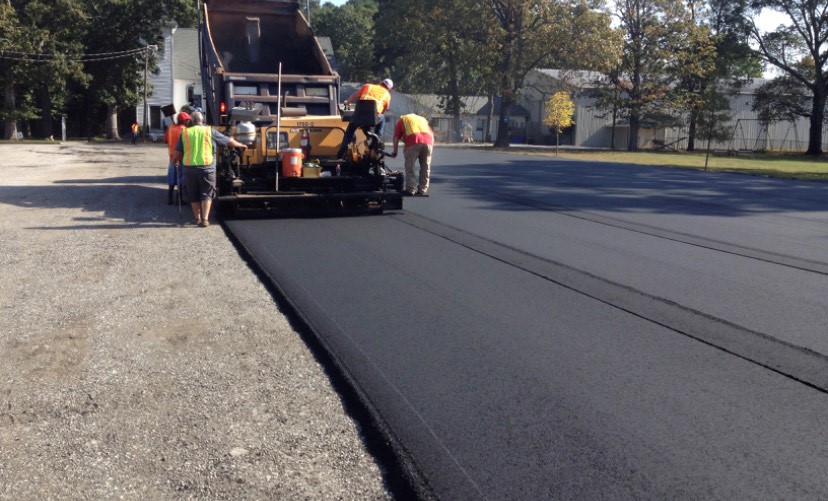 Central Paving
The preformed a really good job the staff is incredible never been so happy with my home, A brand new driveway is like a face lift!!
 Pristine Paving
We recently had our office sidewalk repaired and CT Concrete did an "Outstanding" job. They were quick, friendly and the job is "flawless". I would highly recommend CT Concrete for any of your concrete/sidewalk needs.
Called Mark on a Thursday morning. Not really knowing if he could help me or not. I was having driveway, flooding issues due to a clogged channel drain and I was trying to figure out what direction to take. Heavy rains had come on Monday and again on Thursday leading to flooding in my garage...
 Mark Rodgers Construction
It went really well! The concrete looks, they even did some patch work on my buildings parking lot. That was such a plus! <br />
 AmeriCoat Asphalt & Concrete
Jand J has provided services for clients of mine for 15 years or maybe longer. They are always honest with their recommendations, providing good advice to my clients and competitive pricing. All three of the structural engineers whom I have dealt with in recent years have Jand J on their...
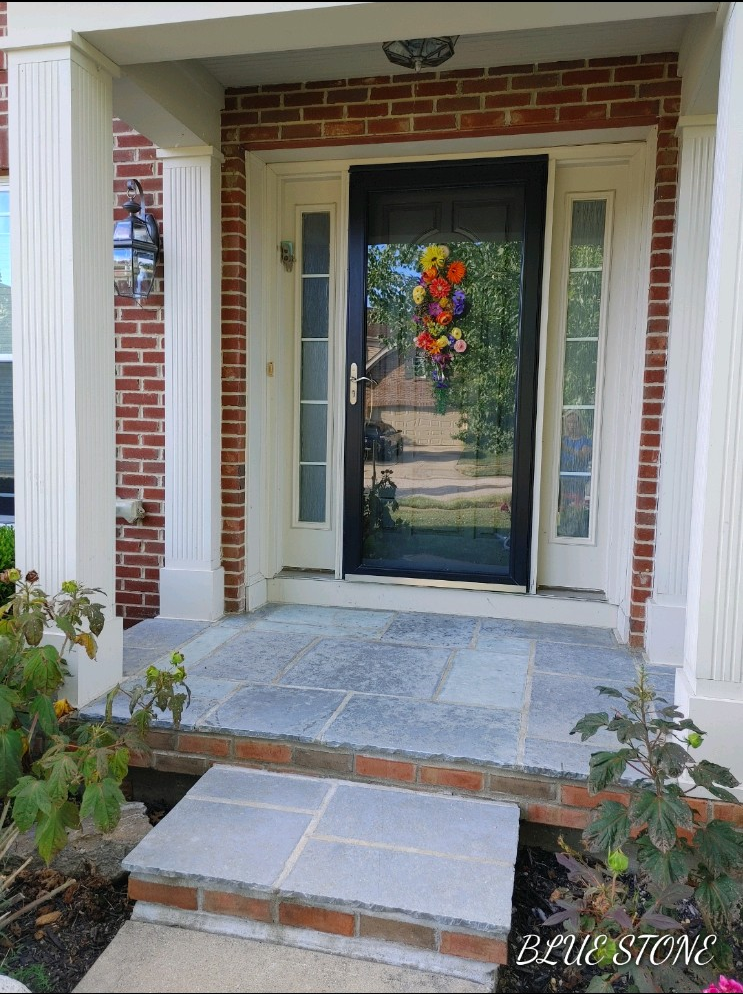
We first had Mark fix the back patio and liked his work so much we had him make a brick patio on the side of the house. When we decided to change our concrete walkway to brick, we wanted Mark to do the job because his prices were fair and he did such good work on t he other two projects.
 Mark Monnette Masonry
Mr. Lewis was extraordinarily responsive. At the time we realized that the concrete could not be repaired, we had intended to put our house on the market. We were anxious to get the work complete so that we wouldn't delay marketing the house. Mr. Lewis promptly returned our calls, provided...
From average costs to expert advice, get all the answers you need to get your job done.
Concrete spalling can create hazardous conditions. Learn about the causes of spalling concrete, along with helpful prevention and repair tips.
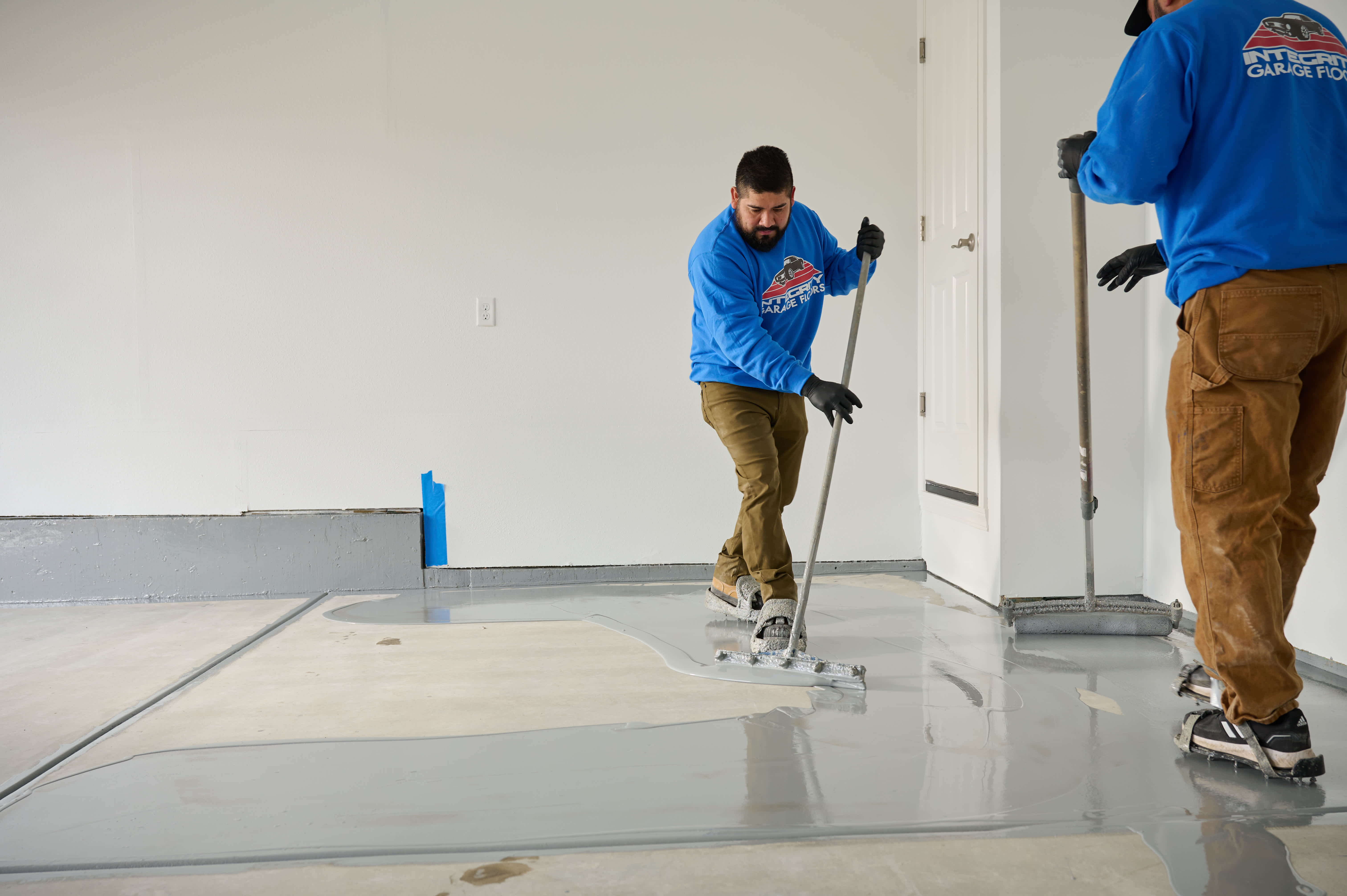
A sinking garage floor indicates poor drainage, bad waterproofing systems, or soil displacement. Here’s who to call to fix it.
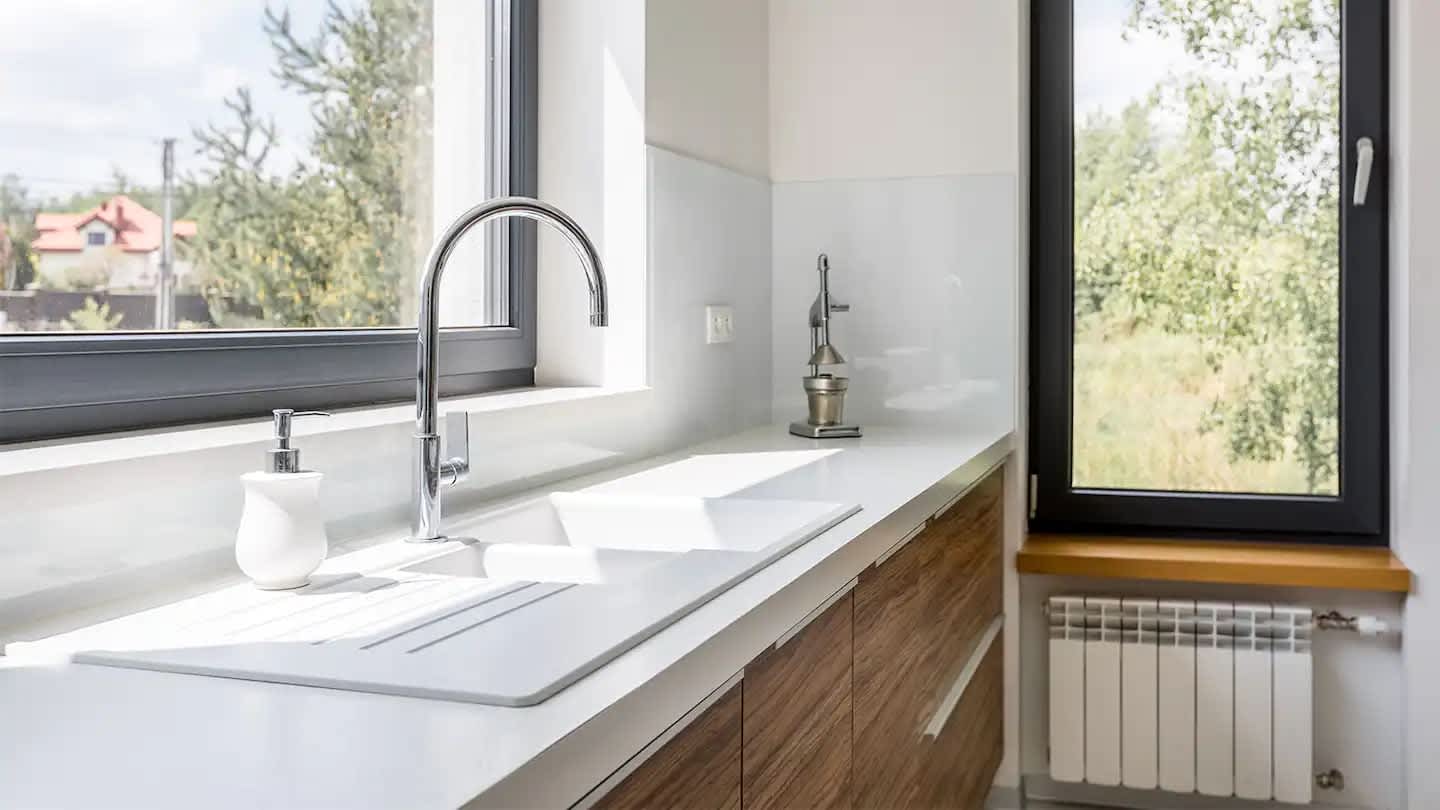
It can be stressful if you have water under the sink but no leak. Read this guide to figure out what's going on and how to fix it.
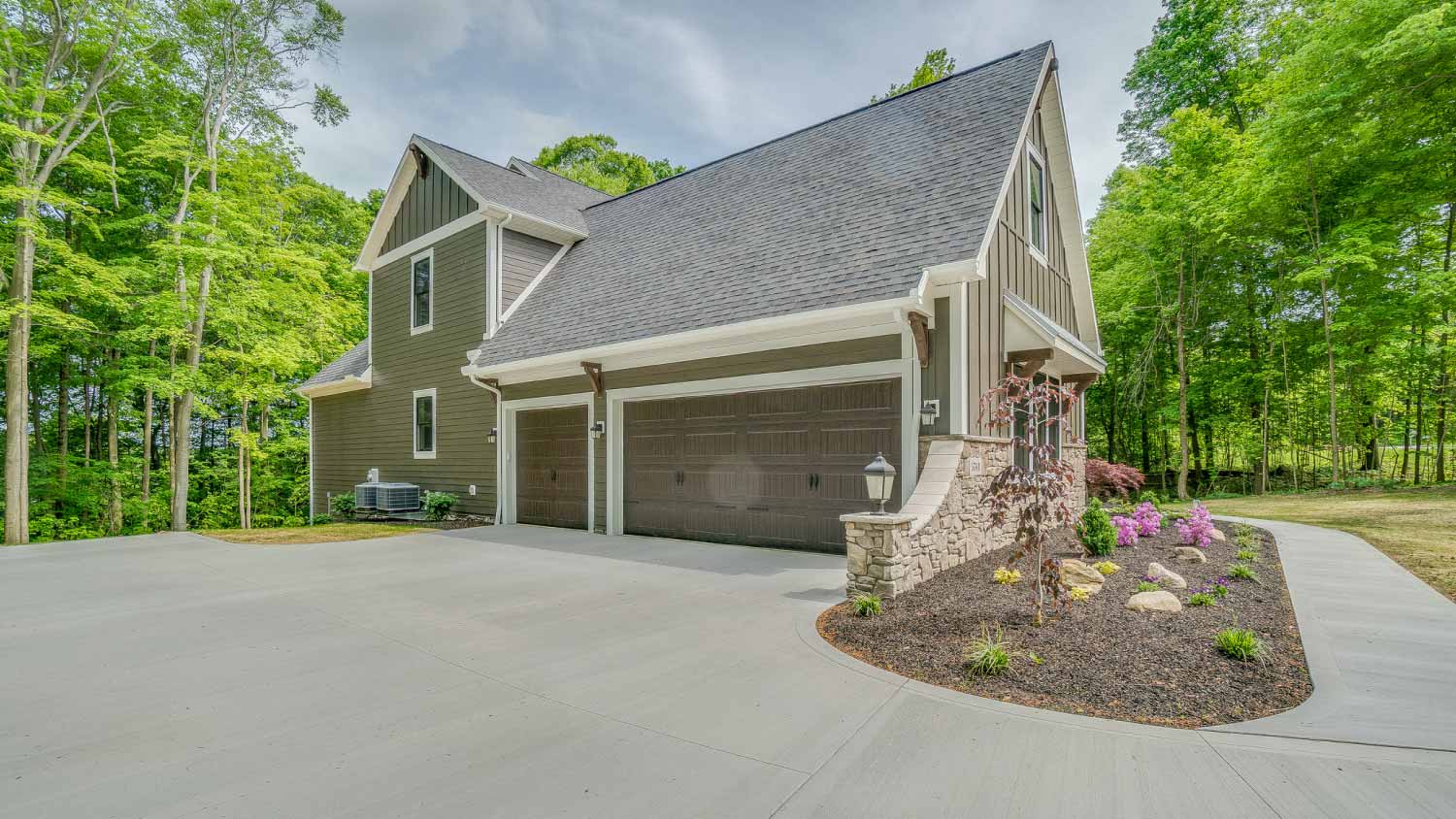
Concrete popouts are one of the most common headaches on everything from driveways to basement floors. Here's what to know about these pesky blemishes.

A sinking deck can be a major problem. Learn about the potential answers to the question, “Why is my deck sinking?” as well as their solutions.
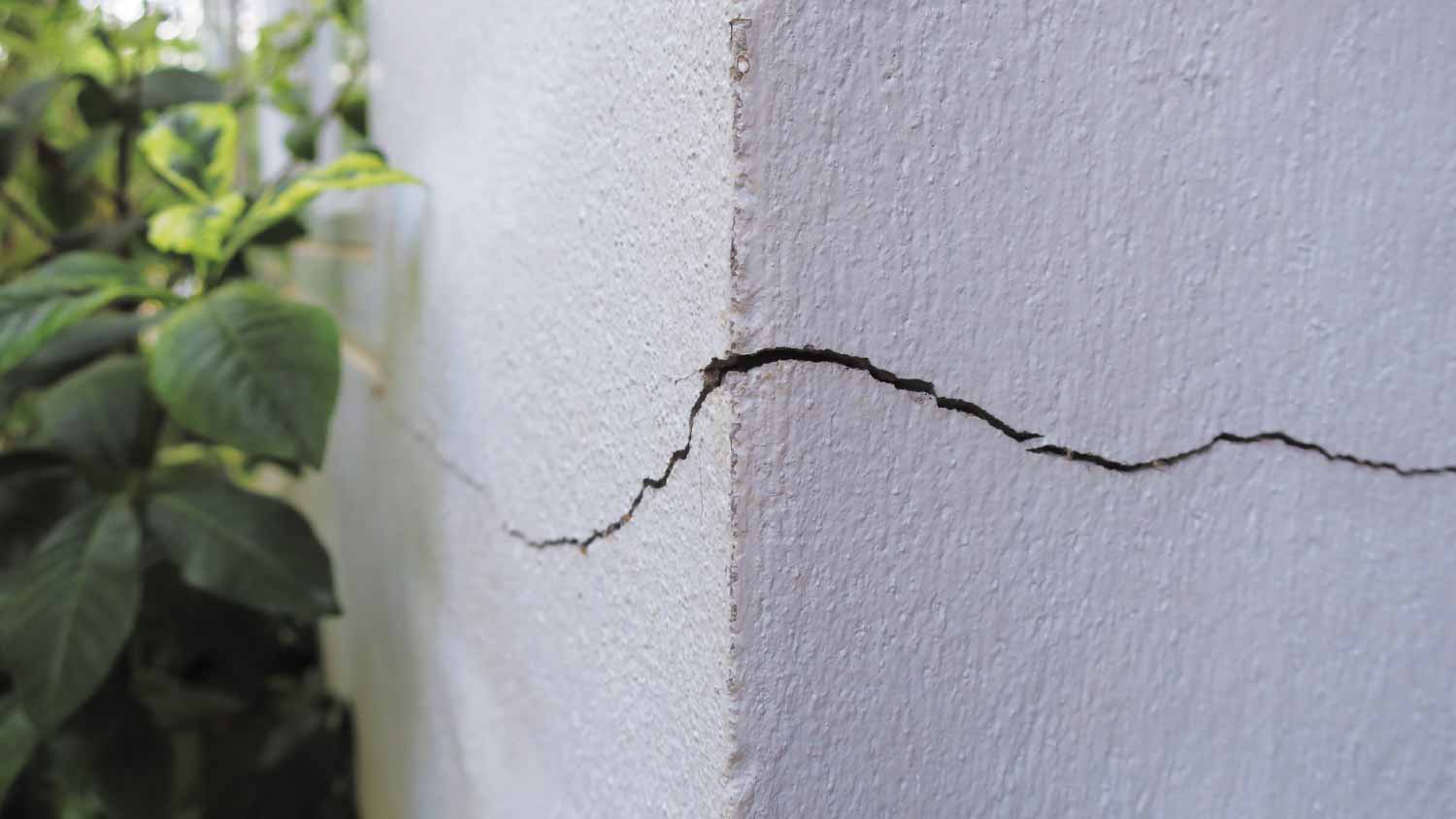
This article covers everything you need to know about water damaged concrete, including causes, DIY fixes, repair costs, when to replace it fully, and maintenance tips.