
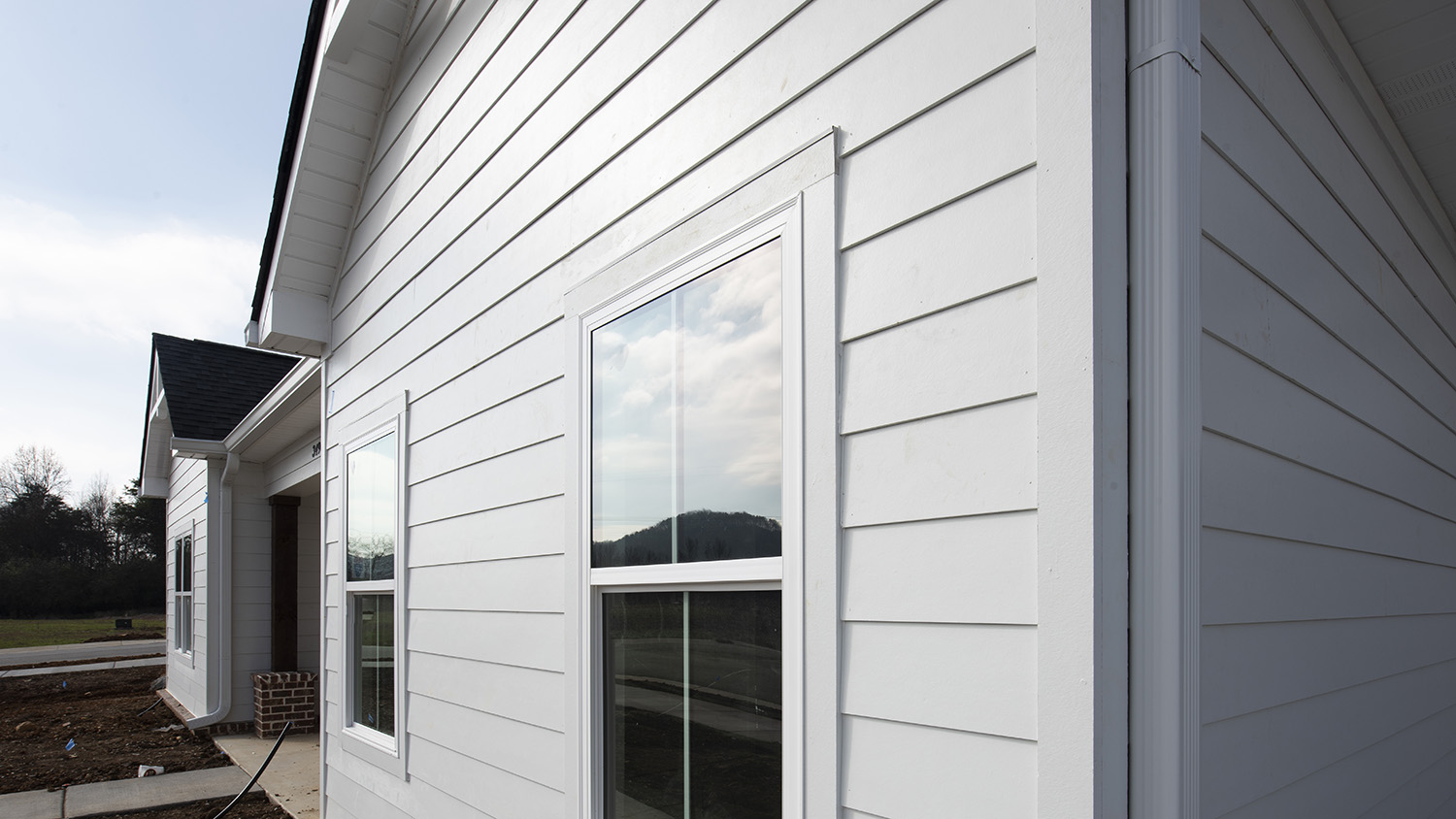
Learn about the average siding repair cost to expect based on siding type, repair type, and extra labor when getting estimates to fix siding from contractors.
It’s about more than just your home’s curb appeal

Your siding shows damage when you see cracking, warping, or rotting boards, and wood siding is vulnerable to pest infestation through deteriorated sections.
Expect to pay $5,600 to $17,800 for siding replacement, with average costs around $11,500 depending on your home size and materials chosen.
Your home needs prompt attention when you notice rusty nails, mold growth, interior water stains, or higher utility bills indicating compromised insulation.
Hiring a local siding repair professional provides reliable help with rot assessment and proper installation, protecting your home from moisture damage and structural issues.
Siding creates an attractive home exterior, but more importantly, it protects the structure of your home from the elements. It’s important to recognize the early warning signs of damaged siding so that you can call on the pros to make small repairs now rather than be faced with larger and more expensive repairs later.
Consider siding as the protective shell for your home. If the shell becomes damaged, your home’s structure and interior are also at risk of damage from the elements. The sooner siding problems are detected, the easier and less expensive it will be to make repairs.
Here are some common warning signs of damaged siding to look for on your home.

Siding can last for many years, but it doesn’t always age the most gracefully. Depending on the type of siding your home has, it will deteriorate in different ways. For example, wood siding can crack, warp, or rot, leaving your home’s exterior vulnerable to pest infestation.
If you’ve got older siding made from masonite or another wood composite material, you might see the slats start to crack at the edges, where water can easily seep in during rainstorms. Vinyl siding might stay intact for longer, but sunlight will make its color fade over time.
Rusty nails are evidence of water damage, which is bad news for siding. It’s not a good look, either, because rusty water could leave stains as it runs down the side of your house. Loose nails indicate that your siding slats are expanding and contracting, which they can do when the temperature fluctuates.
However, missing nails are worse. If you find nails on the ground next to your house, it means that the siding is actually becoming detached. The slats might hold on for now, but it could be a different story with the next bad storm that blows through your area.
This is a warning sign to look for shortly after your new siding is installed. Caulk is supposed to form a seamless connection between the slats, providing a weatherproof exterior for your home.
But if the new boards look uneven or there’s a distinct separation between two boards, your siding was likely not installed properly. It’s worth a call to a local siding contractor to ask what repairs or adjustments can be made while the work is still under warranty.
We highly recommend having any serious siding damage assessed by a professional: Surface-level siding issues could be tied to anything from structural issues to rot.

Older homes often come with a symphony of sounds—from creaky floorboards to wind whistling through cracks in old windows and doors. But if you’ve recently had your siding redone, you shouldn’t ignore any new popping, creaking, or bumping sounds coming from your home’s exterior. If you do hear them, it could mean that your siding was installed too tightly and needs to be fixed to allow for normal contractions and expansions over time.
If you have wood siding, you need to be on alert for termites and other insects that will literally eat their way through the exterior of your home. But that doesn’t mean homes with vinyl or aluminum siding are free from pest problems.
Any type of siding that deteriorates over time can provide entryways for other insects and even rodents to get into your home. In addition to calling a siding professional for repairs, call a pest control pro to cover your bases.
It can be unnerving when water appears where it doesn’t belong in your home. If you see water stains on your interior walls and there’s no evidence of a flood or leaky pipe, your siding might be to blame.
As long as it’s safe to do so, inspect the siding right outside of where the water stains are. If you see holes or other signs of deterioration in the siding, that’s where the moisture is seeping in.
Mold and mildew growth on any surface isn’t a good sign, least of all on siding. If there’s any on your home’s exterior, it means moisture has penetrated the siding.
If the siding is otherwise intact, it might just be that you need a good power washing to clean the mold and mildew off. However, if there’s mold or mildew growth on rotting siding, it could mean that the water damage is more extensive than meets the eye.
Siding provides insulation for your home. If your energy bills are creeping higher, it could be because the warm/cool air is escaping through the walls and siding.
This could be the case if you’ve got older siding, which is not as energy-efficient as the siding manufactured today. It’s worth consulting a siding contractor to learn about either adding insulation or replacing the siding entirely.

If you have experience using a power washer, you might feel confident enough to DIY cleaning your siding. The same goes for hammering a loose nail in an otherwise intact section of siding. But if you spot large sections of rotting or deteriorating siding, it’s best to call a pro to do the work quickly and efficiently.
If you feel confident in your DIY skills and can easily—and safely—access the damaged section of siding, then you might consider proceeding with the repair or replacement work on your own. Keep in mind, though, that proper siding installation protects your home’s exterior and structure, so it’s worth it for your peace of mind to hire an experienced siding pro to do the work instead.
Siding isn’t meant to last forever, but newer, more energy-efficient vinyl and composite siding can last for many years. Still, you can be proactive in protecting your investment. Here are some tasks to add to your to-do list:
Inspect your home’s exterior: At least twice a year, walk the perimeter of your home and look for siding damage. You might want to add another inspection after a particularly bad storm or stretch of wet or windy weather.
Make small repairs as needed: A small crack or gap in your siding doesn’t necessarily mean disaster if you get it taken care of quickly.
Clean gutters: Clear gutters allow rain to drain away from the roof and exterior of your home, avoiding water damage.
Trim greenery: Keeping your garden and yard neat allows for better airflow for your home’s exterior. It also prevents animals and pests from nesting near your home and potentially damaging your siding.
Power wash the exterior: Siding gets dirty when exposed to the elements, and mold and mildew can grow even if the siding is not damaged itself. A good power washing once a year boosts curb appeal and protects your home.
Be prepared to discuss your home size, number of floors, and home layout with your pro.
Mention what materials you have on or around your home that you want pressure washed.
Ask your pro if they use cleaners and ensure they’re safe for use around plants and pets, if applicable.
Discuss any add-on services you want, like soft washing for your roof, concrete sealing, or gutter cleaning.
Siding replacement costs $11,500 on average for materials and installation, with most project prices landing between $5,600 and $17,800.
Your actual project costs will be determined by local labor rates and the siding materials you choose. Here are some common options and prices for siding:
Aluminum: $2–$5 per square foot
Vinyl or engineered wood: $3–$12 per square foot
Premium siding: $30+ per square foot
It’s worth it to discuss the best options for your home with a siding replacement professional. Although it’s not inexpensive to replace the siding on your entire home, it could save you money and headaches down the line.
The guys at PaveWay are top notch. From the estimate to the job being completed,all was done in a timely and professional manner. I myself was a DOT Engineer Inspector(know what to look for) and got to talking with Cameron and he himself was a Contract inspector for a few years,same job as...
 All Star Paving and Sealing
I highly recommend KTM construction! I will look no where else for anything that needs to be done, in or out side of our property. The level of craftsmanship is 5 star service across the board! The level of detail, knowledge and professionalism is 5 star service across the board! Ken is a...
 KTM Construction, LLC
I purchased the "Big Deal": $199.00 for exterior pressure-washing of one- or two-story home up to 2,000 square feet. They cleaned the siding only. I wasn't aware when I bought the Big Deal that they would not do any other surfaces other than the siding (i.e. sides of the gutters or stucco). I...
 Complete Home Services
This brownstone is historical and the carpentry work is very detailed. I was very happy to secure a company in NY and living in OH to complete the request. Wood work on this brownstone has been existing since approximately 1888 and West side did a GREAT JOB. I will not be able to...
 Westside Home Improvement
Nice group of workers, very friendly. Day 1 covered everything before starting, seemed very organized. Things seemed to be going great. Day 2 they didn't show up until around 10:00a.m. and work crew was cut in half, was told they had another job. Day 3 they didn't show up until around...
 CertaPro Painters of Columbus
The work went great! Couldn't ask for better. Joel set a work start date. About the time of the storms that may have been associated with Sandy. He was half a day late. They set up on a Thursday. On Friday they had a full crew at work. By Monday they were finishing up. Now, the best...
 NJW Construction
A few months ago, a tree branch fell across my car, leaving a series of dents across the hood and driver's side fender. I took it to Rife's after reading the Angie's List reviews. Rife's did a great job! My car looks like new. And they made the process as easy as possible. When I came in...
 Rife's Autobody Inc
I received an email from Angie's List offering Car Detailing 4 U's services for $99. Coming from Angie's List, I expected this to be a highly dependable and qualified company that was known for doing exceptional work. I set the appointment for them to come to my home. They were arrive at...
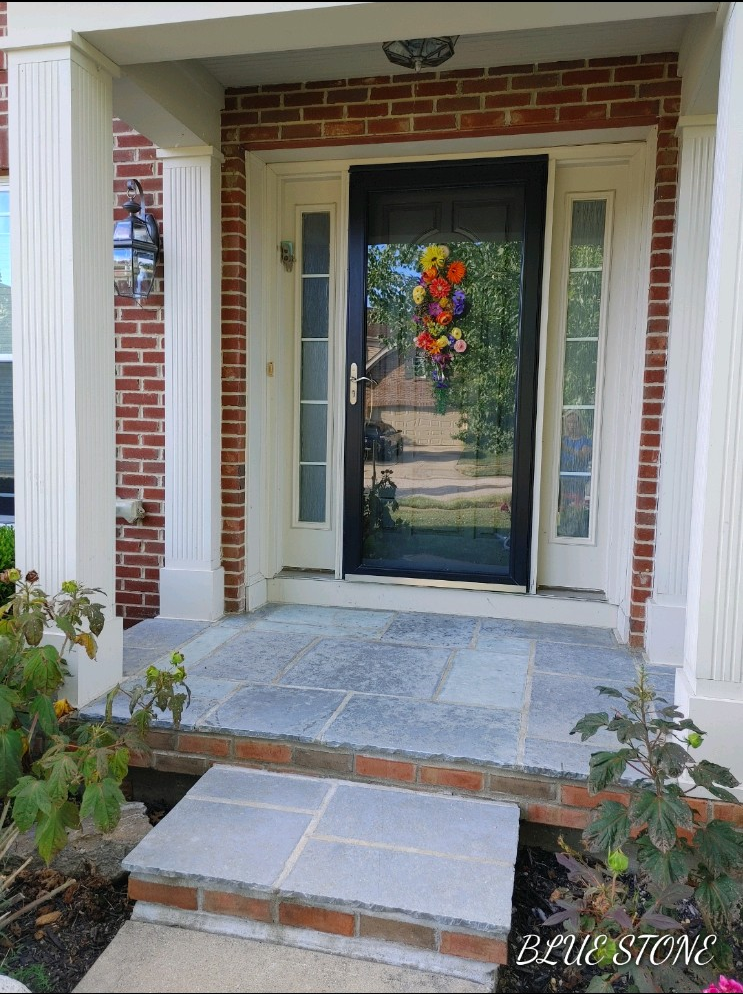
We first had Mark fix the back patio and liked his work so much we had him make a brick patio on the side of the house. When we decided to change our concrete walkway to brick, we wanted Mark to do the job because his prices were fair and he did such good work on t he other two projects.
 Mark Monnette Masonry
I was very pleased with the cost and end result. I truly expected this job to cost me 50% more than it did. When you factor quality and cost, I would highly recommend Mark's services and plan to use him in the future. The best part was, I asked Mark to match the paint color in one section...
 Fresh Touch Custom Painting Inc.
From average costs to expert advice, get all the answers you need to get your job done.
Learn about the average siding repair cost to expect based on siding type, repair type, and extra labor when getting estimates to fix siding from contractors.
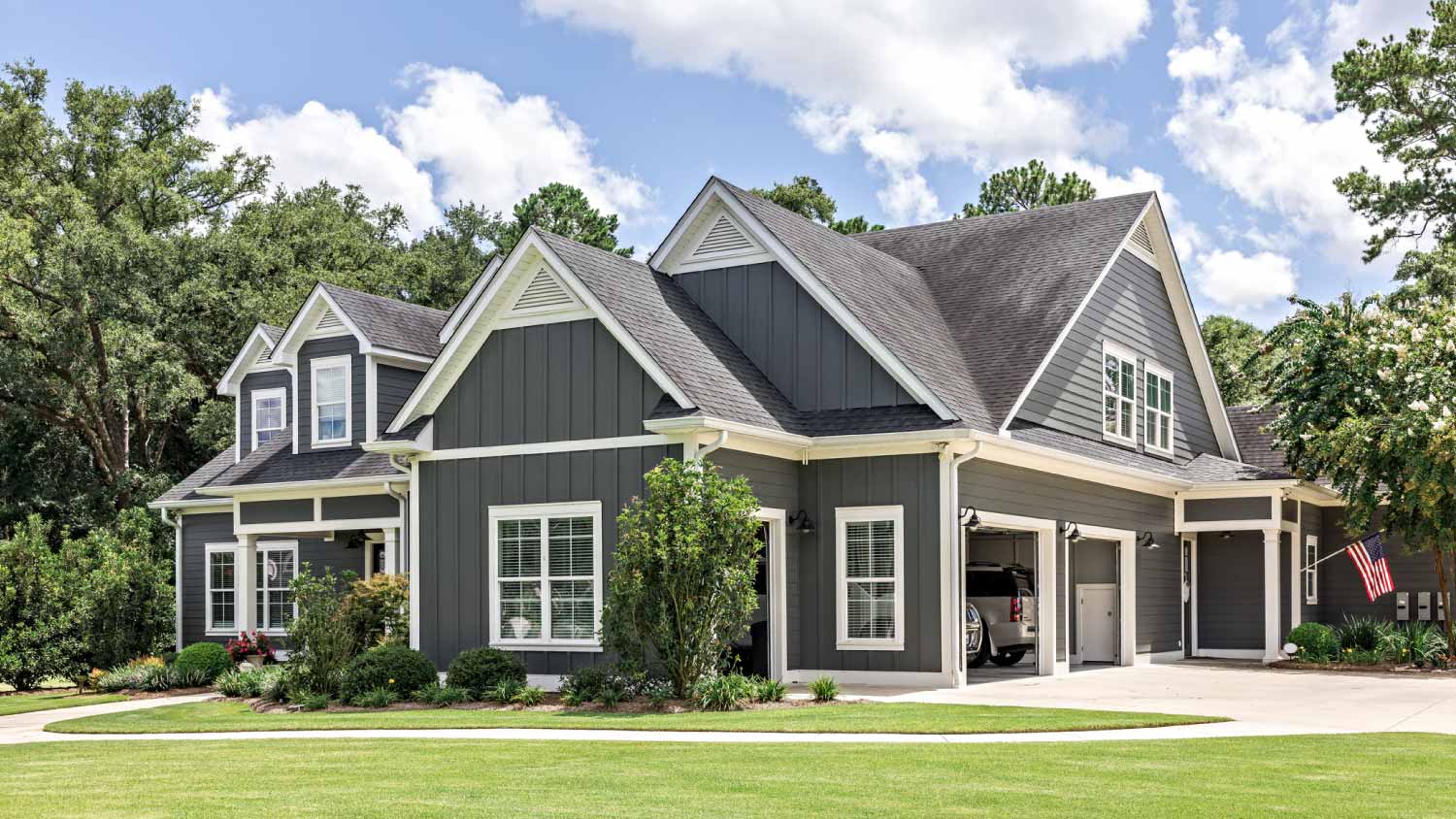
Hiring the right siding contractor can make this project go smoothly. Learn how to hire a siding contractor, what to ask, and what red flags to look for
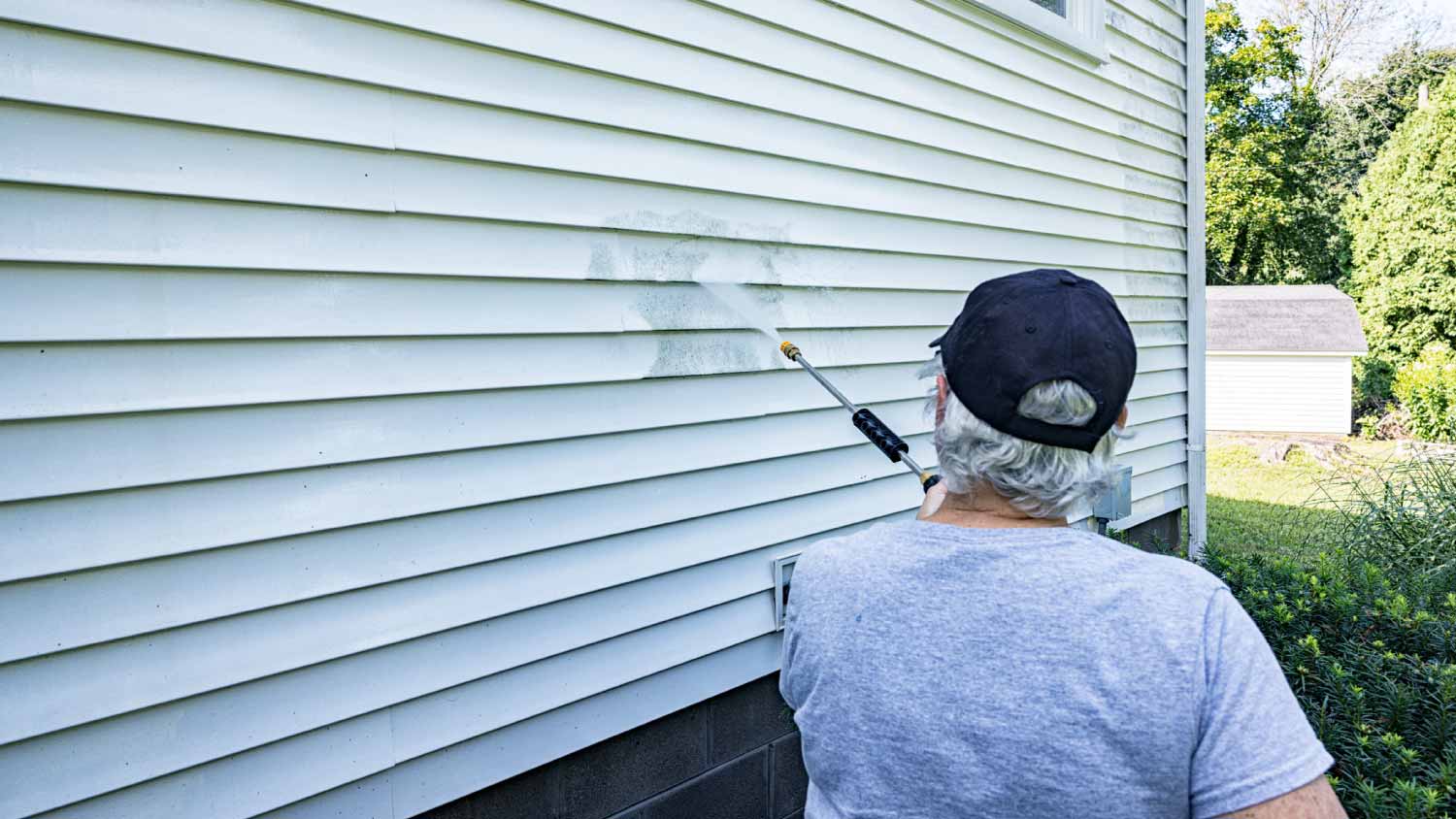
Not sure you want to go with the standard siding material for your home? Learn about vinyl siding pros and cons to see if there’s a better option.
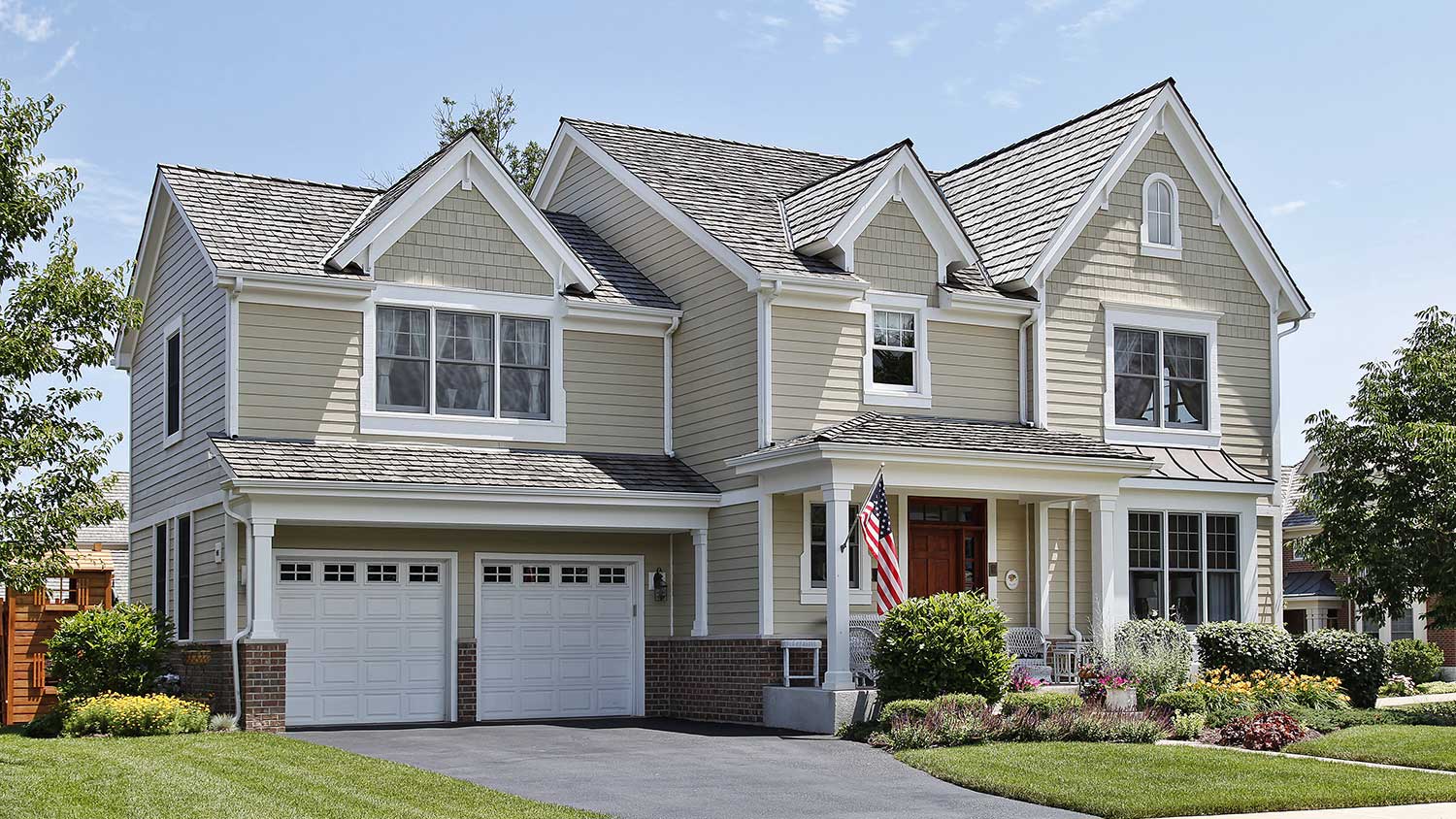
Vinyl siding is durable, but that doesn’t mean it will never need to be replaced. Read on to find out everything you need to know about vinyl siding replacement.
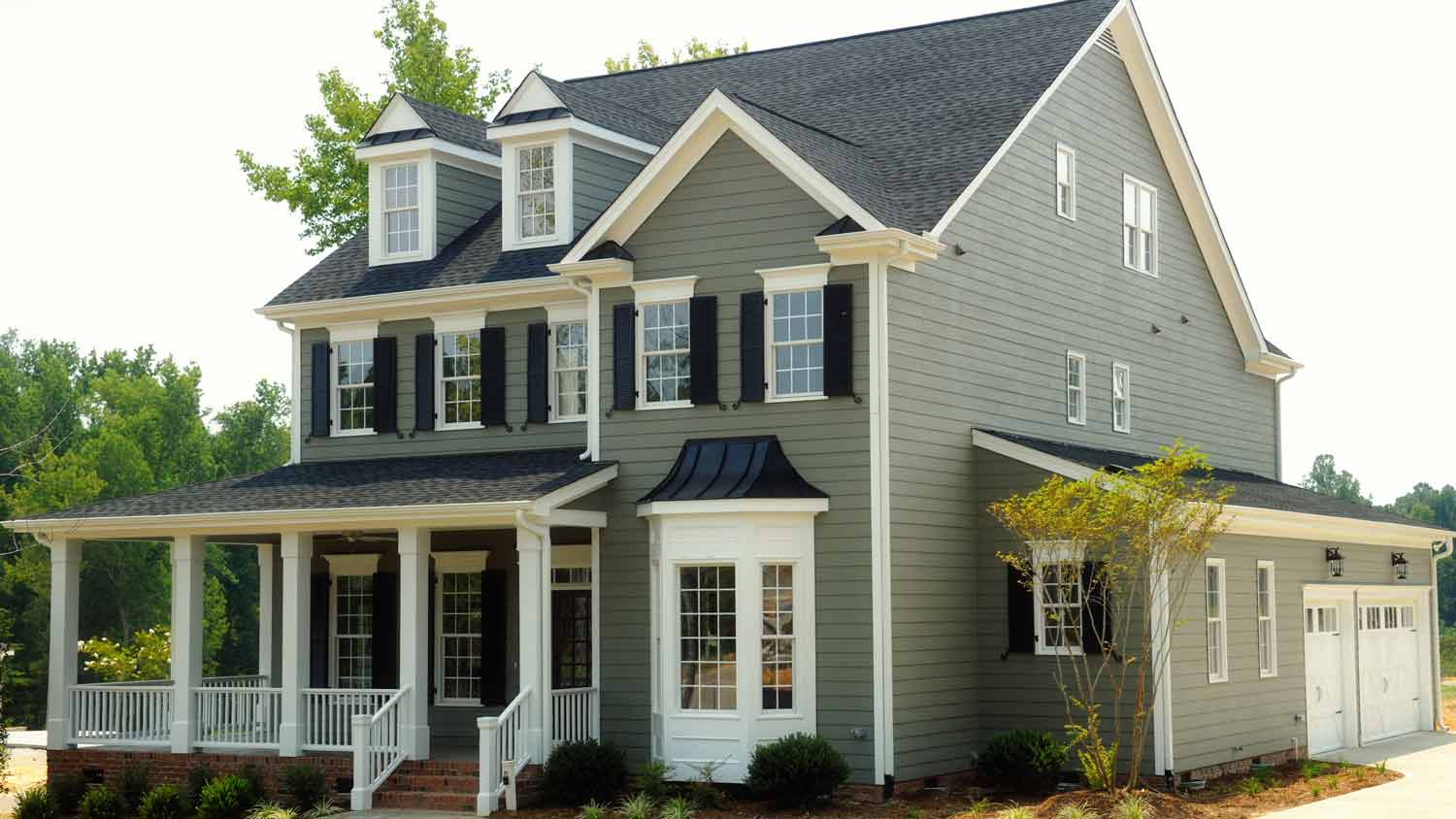
Faded vinyl siding makes your home an eyesore. Here are some simple methods to remove built-up and restore color to faded vinyl siding.
When installing siding, you may find rotted boards underneath the old siding. Siding is your home’s first line of defense against the elements–rot causes damage that can spread, so learn about what to do when you discover rotted boards.