

Replacing a drain field requires digging up quite a bit of land and involves a decent amount of testing. Using this guide, you’ll learn how much it costs to replace a drain field based on a few key factors such as size and type of septic system.
Keep your landscaping minimal when going atop a leach field

Your leach field's weight capacity depends on shallow pipe placement, as drainage pipes sit just 18 to 36 inches underground and can crush under heavy loads.
Excessive weight on your leach field can shift or break the perforated pipes, causing sewage backups, standing liquid waste, or damp soil with foul odors.
You can safely use the area above your septic field for grass, shallow-rooted plants, lightweight play equipment, and lawn mowers without damaging the drainage system.
Hiring a local septic tank company provides expert inspection and repair options when pipe damage occurs, helping you avoid costly replacements and system failures.
If you have a septic system to handle wastewater and sewage at your property, you also have a leach field with pipes just under the ground. How much weight can a leach field hold? Most experts say that the maximum weight a leach field can hold is about 10,000 pounds, but even then, it can’t hold it for long. It’s best to avoid putting large or heavy objects atop these underground perforated pipes. Learn more about the best ways to protect your leach field from weight overload.

With a septic system, the septic tank holds the solids and liquid waste that travel through your home’s sewer system. The liquids slowly seep out of the septic tank through a series of perforated pipes into the leach field. The pipes sit on a layer of gravel and sand with normal soil over the top of them.
The perforated pipes for the leach field are 18 to 36 inches underground. With such a shallow depth, significant weight aboveground could damage the pipes by crushing them or forcing them to shift out of place.
Such damage could cause the septic system to stop working as intended. You could have broken pipes if you see signs like standing liquid sewage above the leach field or extremely damp soil with a foul odor. Eventually, waste may begin backing up into your home.
A local septic tank company can inspect the leach field for damage and provide options for fixing the issue. Repairing this type of damage is extremely difficult, so the best option is always to take steps to avoid introducing excess weight.
You can use the ground over the leach field to plant certain types of landscaping or for some recreational activities without creating excessive weight.
Only use shallow-rooted plants in your leach field. Grass is the best option for plants to use over the leach field to minimize weight and deep root penetration.
Small kids’ play areas are safe over the septic drainage field, as long as you don’t bring in heavy equipment. Simple swing sets are fine, but you don’t want to drive support posts deeply into the ground.
You can also set up temporary nets for badminton or volleyball in the area. Just don’t drive support posts deeply into the ground. Playing recreational baseball, softball, soccer, or football with several people is fine in this area.
A lawn tractor or riding mower is not too heavy to use over the leach field. You can use a walk-behind mower, too. Most people plant grass over the septic field, and mowing the grass is safe to do.
Building a dog run with a chain-link fence is safe atop a leach field, as long as you don’t have deeply buried posts. Avoid placing a roof over the dog run, as this will block the sun and kill the grass, affecting oxygen levels in the soil.
If the dogs like to dig deep holes, this could damage the leach field, so be aware of this issue.

You should avoid putting anything that is a few thousand pounds over your leach field. Here are some examples.
Do not plant trees atop or near the leach field, even small ones. The weight of a tree is problematic—some grow to be several tons—but the deep roots also present a problem.
Avoid using a raised garden bed in this area, as the weight of landscaping stone, railroad ties, and extra soil could damage the perforated pipes.
Concrete or asphalt courts for tennis, pickleball, or basketball should never go over the septic drainage field. The weight of these materials is not safe for the septic pipes. Additionally, these materials would starve the soil underneath of oxygen, which would affect drainage in the leach field.
Avoid having more than a dozen people use the area at the same time, especially for recreational volleyball or flag football. The weight of this many people in a concentrated area could cause damage.
Don’t place structures with significant weight on the drain field area. If you build a structure with 2-by-4s or 4-by-4 posts, it will likely weigh too much.
Avoid driving or parking motor vehicles or large equipment over the top of the septic field. Even if the weight of the vehicles doesn’t damage the perforated pipes, it will compact the soil, which could dislodge the pipes.
Never build a deck or patio over the septic field area. These items are far too heavy and can prevent oxygen from reaching the soil.
Do not put any size of aboveground swimming pool over the leach field. Pool water has a lot of weight that could damage the system. If the water spills out and saturates the soil, the leach field may stop working properly, leading to septic problems.
I recently moved to another state and chose United Trust Van Lines after comparing several companies. Their team was punctual, professional, and extremely careful with my belongings. I was especially impressed with how they handled my home office setup and fragile items. Everything arrived on...
 United Trust Van Lines, LLC
Positive experience. As previously stated, the replacement/repair could not be completed (no fault of the plumbing tech) b/c misinformation was rec?d by property management maintenance. Thanks to the plumbing tech for your efforts. Appreciate you!
 The Waterworks
As usual with ECO, tech Jordan was outstanding, very professional, very knowledgeable, and very thorough with repairs made to tankless water heaters. Very highly recommend ECO!!!
 Eco Plumbers, Electricians, and HVAC Technicians
I would recommend this company to anyone! He showed up on time, was friendly, completed a very difficult repair on our dryer vent cover, was responsive, and pricing was extremely fair and competitive. I would have him back to do any of our repairs or cleanings without hesitation!
 U.S.A. Dryer Vent, LLC
Best cleaning I've had at my property
I'm a repeat customer of All Star Paving & Sealing and I appreciate the service that all start paving has done for me in the past. I just recently had them out for an estimate and things couldn't have gone better. The staff that they send out to do the estimates are very knowledgeable. The...
 All Star Paving and Sealing
Supreme Brick & Chimney is one of the best service providers I’ve interacted with. Extremely efficient, knowledgeable, and thorough. They took the time to walk me through their detailed full-service inspection and were extremely professional. Not to mention their turnaround time was...
 Supreme brick & chimney
They were great! They were thorough and efficient and paid attention to the details. Definitely recommend. I'm definitely going back!
 FIFI'S EARTH FRIENDLY CLEANING
Storms Mobile Welding was great to work with. They were prompt, professional and did an overall excellent job on the project. I highly recommend.
Great experience all together. Dog friendly, courteous, great results and honest with recommendations. Will certainly be using Cardinal in the future for any carpet repairs
 Cardinal Carpet Care & Repair
From average costs to expert advice, get all the answers you need to get your job done.
Replacing a drain field requires digging up quite a bit of land and involves a decent amount of testing. Using this guide, you’ll learn how much it costs to replace a drain field based on a few key factors such as size and type of septic system.

A small septic tank system is ideal for spaces with minimal needs, such as a one-to-two-bedroom apartment or guest house. A small septic tank contains 750 or 1,000 gallons. We’ll cover everything that factors into your small septic system cost here.

Does your property have poor ground water or soil conditions? Learn about engineered septic system cost, types, and factors for you to consider.

Spotting leach field issues early can save you a major headache. Learn the signs your leach field is failing and who to call to fix your septic system.
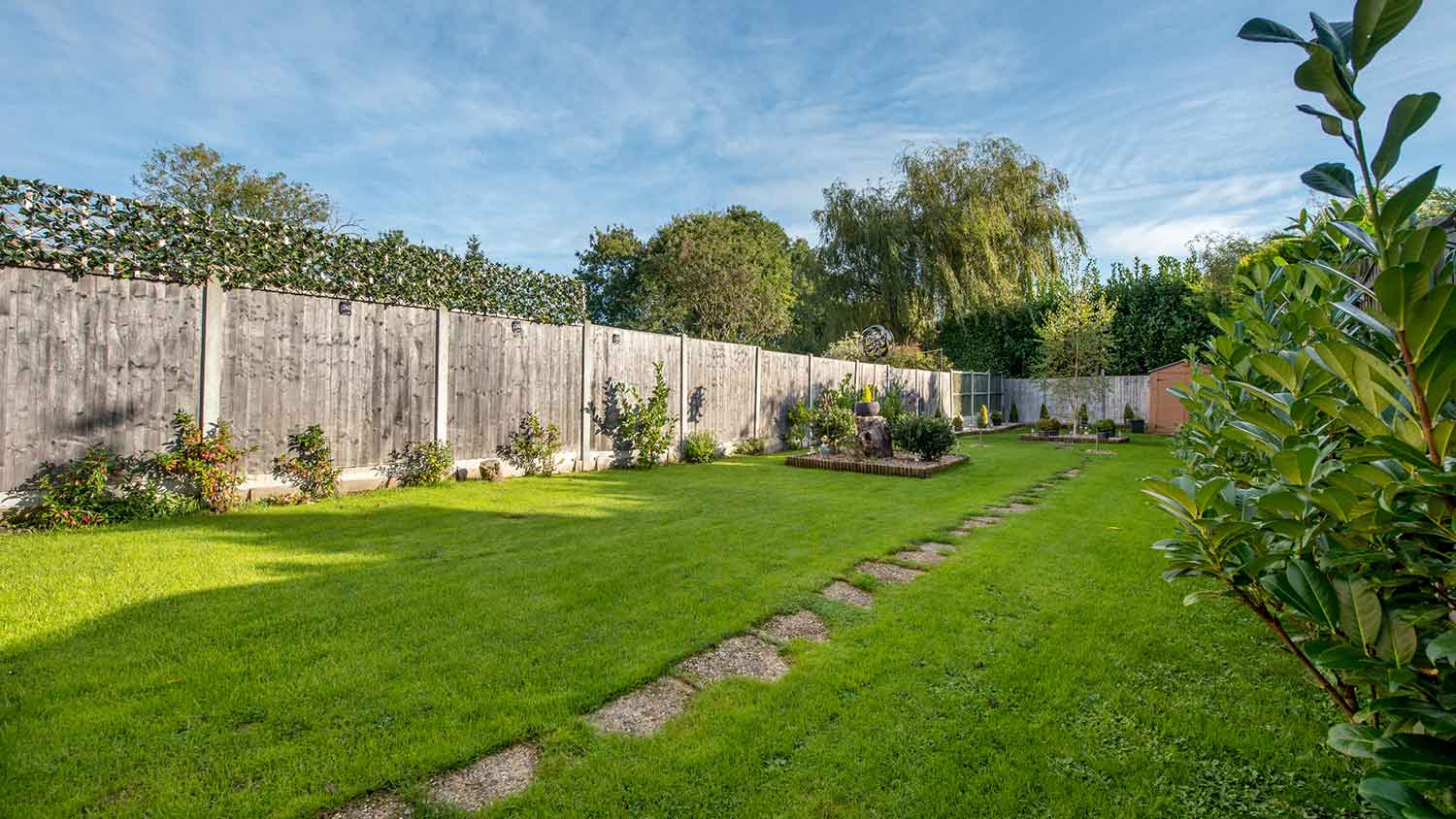
Got a septic tank? Then you've got a leach field. Knowing where it is helps you maintain your system. Here's how to find a leach field.

If you’re on a septic system but don’t have much space, you might be curious: Can you have a septic tank without a leach field? Find out in this guide.