
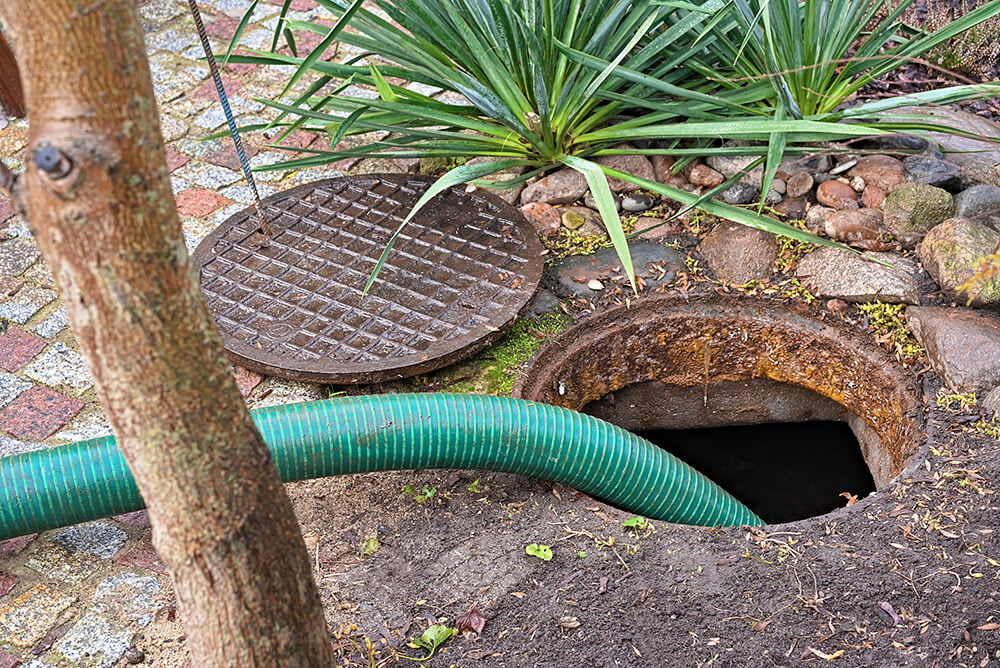
Caring for your septic system is crucial to ensuring its long life. But how much does it cost to pump a septic tank? We explore the different cost factors.
Clear the way to a solid septic routine

Your septic tank pumping frequency depends on tank size, household size, and water usage, with most homes needing service every three to five years.
Skipping regular septic tank maintenance leads to blockages, system failure, and potential health hazards from leaking wastewater that affects your property and neighbors.
Watch for slow drains, gurgling noises, foul smells, standing water, or unusually lush grass over your tank as signs you need immediate pumping.
Hiring a local septic tank company provides reliable pumping service and routine inspections, helping you avoid costly repairs and keep your system running smoothly.
Pumping your septic tank prevents clogs and helps your septic system work optimally. If you’re wondering how often to pump your septic tank, aim for every three to five years, but factors such as septic tank size, family size, and water usage impact how often you should pump your septic tank. Learn how often to pump your septic tank and how to maintain a healthy septic system.

In the world of septic systems, timing is everything. Understanding when and how often to pump your septic tank is crucial for its long-term functionality. Let’s dig into the key factors that determine your septic tank's pumping schedule.
As you might expect, the size of your septic tank plays a significant role in determining pumping frequency. Since smaller tanks fill up faster, they may need pumping every one to two years, whereas larger tanks can sometimes go longer between pumpings, depending on your household’s size and level of water usage.
Of course, the more people using your plumbing system, the more often you’ll need to pump your septic tank. Larger households generate more wastewater, leading to the tank filling up quicker. A family of four may need to pump their septic tank every two to four years, while smaller households may extend the intervals. Pumping often enough but not too often creates a healthy septic system without breaking your home maintenance budget.
Your water usage habits also play a significant role in determining your septic tank's pumping frequency. Excessive water consumption can overload your tank, such as taking long showers, running multiple appliances simultaneously, or using a high-capacity washing machine. Increased usage leads to a quicker accumulation of solids and requires more frequent pumping. Being mindful of your water usage can help extend the time between maintenance visits, ensuring your septic system remains in good working condition.
"Overloading the septic tank is a common issue homeowners face. To prevent this, try to avoid running water-intensive appliances like dishwashers and washing machines simultaneously."
- Andrew Hancock | President, Gilman Heating, Cooling & Plumbing
Septic tank pumping is the process of removing the accumulated sludge and scum from the tank. Regular pumping is crucial to prevent blockages, backups, and system failures. But how often should you pump your septic tank? The frequency depends on various factors, but a general recommendation is to pump your septic tank every three to five years.

Recognizing the signs that your septic tank needs attention is crucial to prevent system failure and costly septic system repairs. Here are some indicators to watch for.
Slow or stopped drains in your home indicate that your septic tank may need pumping. When the tank is full of accumulated solids, it reduces its capacity to process wastewater effectively. The overloaded tank can lead to drainage issues as water struggles to flow through clogged pipes. Addressing slow drains promptly by scheduling a septic tank pumping can prevent further complications, like backups and system failures.
Are you hearing odd noises coming from your drains or in your home’s plumbing? Gurgling noises are a concerning sign that your septic tank might be overdue for pumping. These sounds often indicate that the tank has accumulated a substantial amount of solid waste, causing air pockets and turbulence as wastewater tries to pass through.
Ignoring these noises can lead to more severe issues, such as blockages and potential damage to your septic system. Pumping the tank when you hear gurgling sounds can maintain its functionality and prevent costly repairs down the road.
Nasty odors permeating your home and the vicinity of your septic tank are a telltale sign that it's time for septic tank pumping. When solids in the tank exceed capacity, they can release toxic gasses, causing unpleasant smells. These odors could indicate potential system issues. Prompt action by pumping the tank can eliminate the source of these smells, ensuring a healthier, odor-free home and a well-functioning septic system.
Standing water around the drain field and septic tank is a significant red flag indicating the need for septic tank pumping. The water accumulation signifies that your tank may be clogged with solids, preventing proper effluent dispersal. As a result, wastewater resurfaces in your yard, creating soggy patches. Addressing this issue promptly by pumping the tank prevents property damage, safeguards your septic system's longevity, and ensures that wastewater is properly treated and absorbed by the soil.
Is the grass above your septic tank suddenly lush and vibrant? While we all want a lovely lawn, this is, unfortunately, a clear indicator that it may be time for septic tank pumping. An overflowing tank occurs when the septic tank is full, causing wastewater to leak and fertilize the surrounding soil. Pumping the tank prevents further overgrowth and ensures that the septic system functions correctly, protecting your property and the environment from potential contamination.

The best way to prevent septic tank clogs is to pump it regularly and use your system correctly.
Chemicals can kill off the natural bacteria in your septic tank, and medicine and cosmetics can ruin the bacteria balance. Avoid putting hazardous, non-flushable items in your septic tank, including baby wipes, cat litter, trash, and feminine hygiene products. They can clog your tank, leading to unhealthy overflows and expensive maintenance.
Using less water leads to better drainage of your septic system. Repair leaks, shorten your showers, and turn off the faucet while you brush your teeth to limit water usage. Bonus: You’ll also save on your sewer bills.
The landscaping near your septic tank and drain field should not feature deeply rooted plants or trees, as the root system can damage the septic system.
While often touted as healthy for your tank, septic tank additives can hinder the performance of your septic system. It's best to consult a professional before using them.
Have your septic tank pumped once every three to five years or more often if needed. Watch for slow drains, foul smells, and gurgling noises near your drains. You’ll also want to look for any standing water or spots of extra lush grass in your lawn. Noting the signs of a clogged system and contacting a septic tank company right away can prevent the need for costly repairs.
Ensure the longevity and efficiency of your home’s waste disposal system with regular septic inspections and maintenance. Besides pumping, these inspections can identify potential issues early, saving you from more significant (and costly) problems down the road. Contact a local septic tank company to schedule routine check-ups and maintenance.
If you notice the warning signs of a clogged sewer line, contact a local septic tank repair company as soon as possible. A clogged sewer line can lead to smells inside and outside your home and health concerns for your family and neighbors.
Veronica Sparks contributed to this piece.
I recently moved to another state and chose United Trust Van Lines after comparing several companies. Their team was punctual, professional, and extremely careful with my belongings. I was especially impressed with how they handled my home office setup and fragile items. Everything arrived on...
 United Trust Van Lines, LLC
Positive experience. As previously stated, the replacement/repair could not be completed (no fault of the plumbing tech) b/c misinformation was rec?d by property management maintenance. Thanks to the plumbing tech for your efforts. Appreciate you!
 The Waterworks
As usual with ECO, tech Jordan was outstanding, very professional, very knowledgeable, and very thorough with repairs made to tankless water heaters. Very highly recommend ECO!!!
 Eco Plumbers, Electricians, and HVAC Technicians
I would recommend this company to anyone! He showed up on time, was friendly, completed a very difficult repair on our dryer vent cover, was responsive, and pricing was extremely fair and competitive. I would have him back to do any of our repairs or cleanings without hesitation!
 U.S.A. Dryer Vent, LLC
Best cleaning I've had at my property
I'm a repeat customer of All Star Paving & Sealing and I appreciate the service that all start paving has done for me in the past. I just recently had them out for an estimate and things couldn't have gone better. The staff that they send out to do the estimates are very knowledgeable. The...
 All Star Paving and Sealing
Supreme Brick & Chimney is one of the best service providers I’ve interacted with. Extremely efficient, knowledgeable, and thorough. They took the time to walk me through their detailed full-service inspection and were extremely professional. Not to mention their turnaround time was...
 Supreme brick & chimney
They were great! They were thorough and efficient and paid attention to the details. Definitely recommend. I'm definitely going back!
 FIFI'S EARTH FRIENDLY CLEANING
Storms Mobile Welding was great to work with. They were prompt, professional and did an overall excellent job on the project. I highly recommend.
Great experience all together. Dog friendly, courteous, great results and honest with recommendations. Will certainly be using Cardinal in the future for any carpet repairs
 Cardinal Carpet Care & Repair
From average costs to expert advice, get all the answers you need to get your job done.
Caring for your septic system is crucial to ensuring its long life. But how much does it cost to pump a septic tank? We explore the different cost factors.
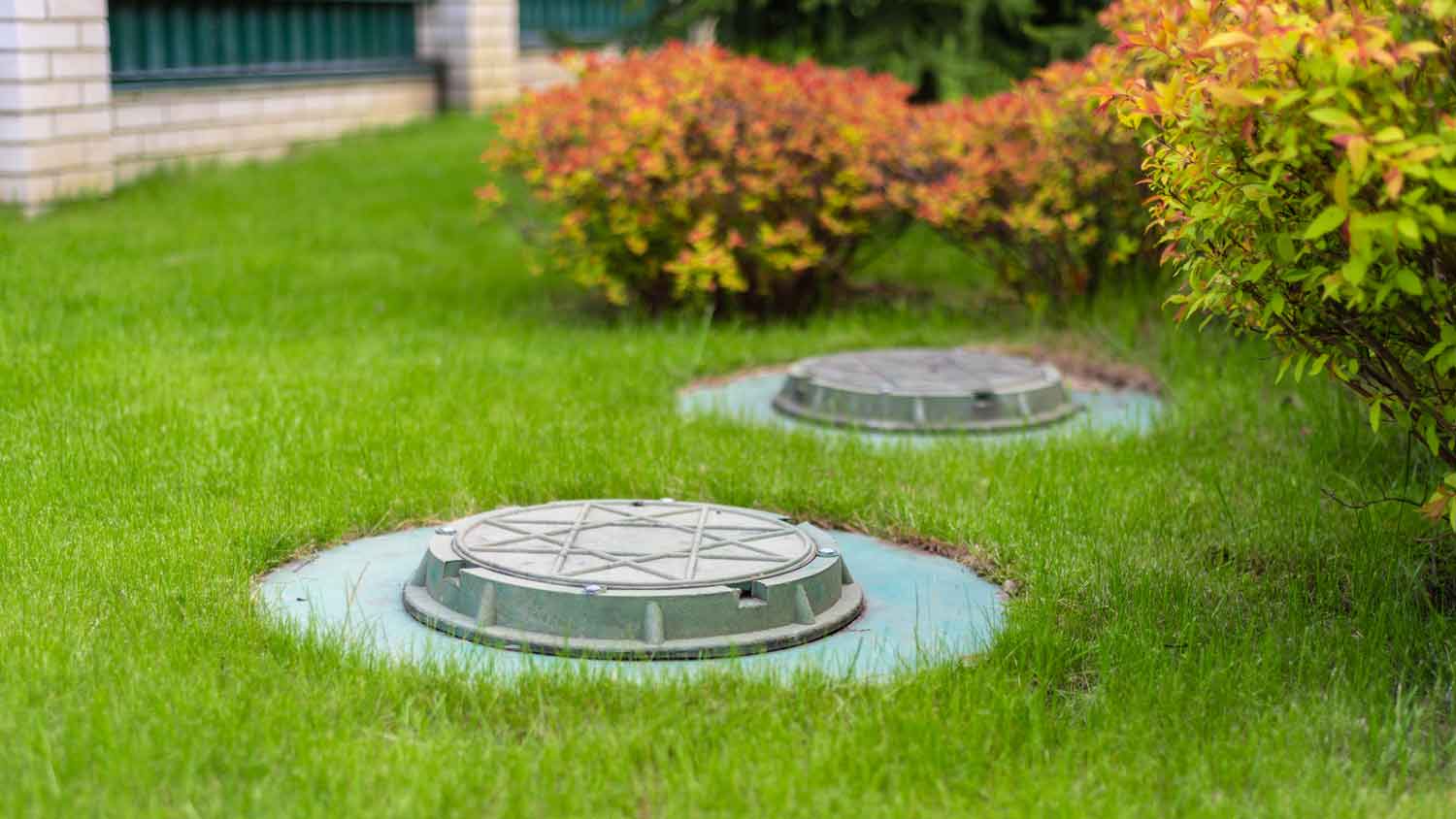
If it’s been there for a while, it can be hard to find the septic tank in your yard. Learn how much it costs to locate a septic tank with this guide.

A damaged septic system can leak odors and sewage, so repairs are urgent. Find out how much septic tank repair costs based on repair type, tank size, and more.

Whether you’ve had a septic tank for years or it’s your first one, you need to know how to live with one. This guide covers septic tank maintenance for a long-lasting system.

Caring for your septic system properly can mean the difference between paying a few hundred dollars and paying thousands of dollars for a replacement.
Sludge buildup in a septic tank is natural, but it needs to go somewhere eventually. Learn what to put in a septic tank to break down solids efficiently.