
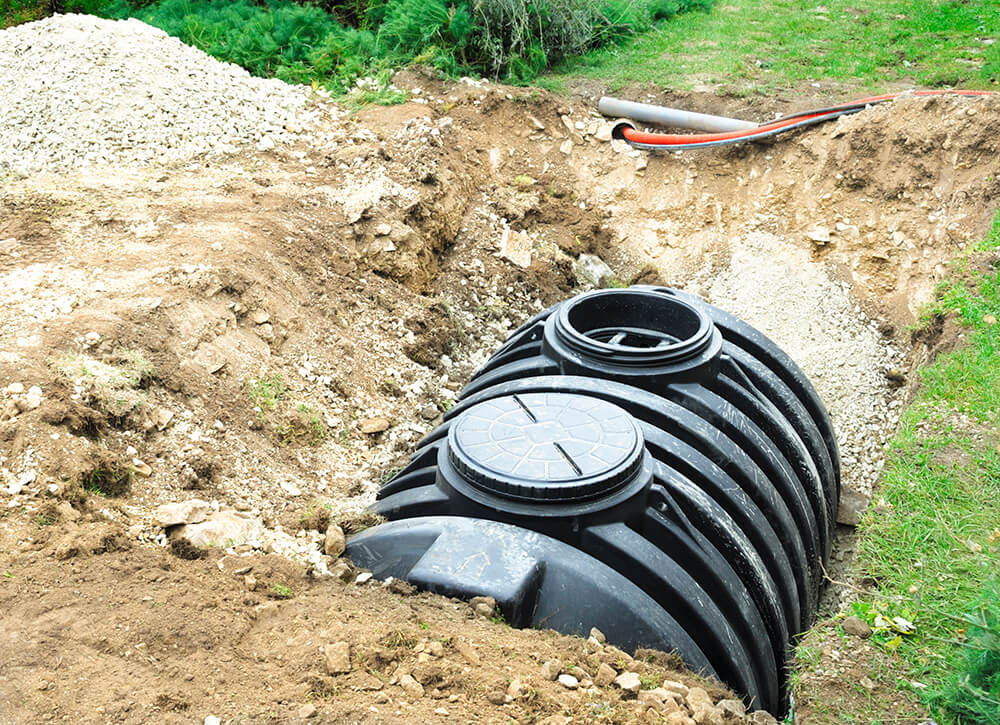
How much does a septic system cost? Explore impacting factors, important add-ons, and how you can save money on septic system installation right here.
You deserve some peace of mind when it comes to your home’s wastewater system

A septic alarm going off signals high water levels in your tank from excessive household water usage, heavy rainfall, or drain field blockages.
Low water levels from tank leaks or float switch malfunctions also trigger your septic system alarm, requiring inspection to identify the source.
Silencing the alarm and reducing water usage for 10 hours helps your septic pump catch up when heavy usage caused the water level spike.
Hiring a local septic tank repair professional provides reliable support when your alarm keeps sounding, diagnosing float switches, pumps, and drain field issues.
Septic systems often take a back seat to more visible and conventional home maintenance issues. When that septic tank alarm starts blaring, though, it's a clear sign that something is amiss below the surface of your home. Let’s dive deep into the world of septic tank alarms, exploring why they might be going off and, most importantly, what steps you should take to address the problem.
There are various types of septic systems, but these setups generally work by managing the wastewater of a home in an area where there's no public sewage system. Here's a simple breakdown of how this system operates:
Wastewater collection: When you use sinks, toilets, and drains in your house, all the wastewater flows into a buried septic tank on your property.
Separation: Inside the septic tank, solids and liquids separate. Heavier solids sink to the bottom, while lighter materials like oils and grease float to the top. Bacteria in the tank break down the organic matter, turning it into liquid.
Treatment and filtering: The partially treated liquid, which is now mostly water, exits the tank and enters a drain field or leach field. Here, the soil naturally filters and purifies the water as it seeps through the ground.
Safe disposal: Once the water has been thoroughly cleaned by the soil, it safely re-enters the groundwater, posing no harm to the environment.
Alarm: Different systems have different types of alarms, and you may find yours inside your home or, more likely, on the outside wall of your home near other electrical components. If something is wrong with your system, you’ll hear a loud or repetitive noise (unless you’ve silenced it) and see a red light.
In essence, a septic system acts as a mini wastewater treatment plant right on your property, ensuring that your home remains sanitary and eco-friendly, even in areas without access to a public sewer system.

Septic systems are equipped with an alarm to notify you when there’s a problem detected with the system. To unravel the mysteries behind that concerning and intrusive alarm, here are some reasons your septic alarm may be going off.
When the water level inside your tank rises above the normal level, the alarm may trigger to let you know that it’s time to check if your septic tank is full. A full tank can happen because of:
Excessive water usage in your household
Heavy rainfall or flooding
A blockage in the drain field preventing proper drainage
A malfunctioning float switch
Believe it or not, insufficient water in your septic tank can also set off the alarm. Causes for low water levels include a leak or crack in the tank or a broken or improperly adjusted float switch.
Sometimes, a simple power outage can lead to an alarm activation. If your septic system relies on electricity for pumps or other components, a power failure can disrupt its functioning and trigger the alarm.
Internal components of your septic system, such as pumps, pipes, or the alarm itself, may be damaged or malfunctioning. This can trigger the alarm even when the water levels in the septic tank are normal.
Now that you have an idea of why your septic alarm might be sounding off, it's time to take action. Here’s what to do when that alarm starts singing.
Locate the septic alarm's control panel and silence the alarm to prevent further disturbance. You can do this by pressing the red button located on the alarm box. This won't solve the problem, but it will bring peace and quiet so you can investigate the issue without distraction.
Note that there are two lights on the alarm box. The green light indicates that the box has power, while the red light indicates that there is an issue in your septic system.
Ensure that there is no power outage in your area that’s affecting your septic system. If there is, wait for power to be restored, and the alarm should cease. Also, check that your septic breaker is on and operational. If it’s not, your septic system may not have power, which could cause the alarm to go off.
Find your septic tank and inspect the area around where it’s buried for any signs of standing water or leaks. This can help identify potential issues with the tank itself. For example, the alarm could trigger if there’s a leak in the tank, causing the water levels inside to drop too low. On the other hand, if there’s rainwater sitting around the septic tank, it could seep into the system and cause the water levels to be too high.
If you know you’ve been using an unusually high amount of water in your home—maybe you’ve had house guests or you’ve been taking luxurious baths every night—the alarm may have been triggered by excessive water usage. Try conserving water for 10 or more hours so that the septic pump can catch up with your heavier usage. If the alarm stops, it might have been a temporary overload.

While you might be able to solve some septic alarm issues quickly on your own, some problems require professional intervention from a local septic tank repair company. Here are signs that it's time to call in the experts:
The alarm continues to sound despite your efforts to troubleshoot.
You notice sewage backups or odors in your home or yard.
There's visible damage to your septic tank or drain field.
Note that a septic alarm going off doesn’t necessarily mean you’re about to have immediate sewage backup problems. These systems are designed to warn you when there’s a problem coming so that you have some time to investigate the issue and determine whether you need help from the pros to avoid a major backup or system failure.
Call a pro with any questions you have about your system, even if they're general questions. The more informed you are about your system, the better it will work and the better that pros can help you with it.

Once you’ve resolved the issue of your septic alarm going off, you’ll want to be mindful of this critical home system and prevent septic system problems whenever possible. By following these tips, you can extend the life of your septic system and prevent costly and messy issues down the road.
Schedule regular inspections: Annual checkups with a professional can help spot septic issues early before they cause damage.
Conserve water: Be mindful of water usage. Fix leaks promptly and consider low-flow fixtures to reduce strain on your septic system.
Use septic-safe products: Make sure to buy septic-safe toilet paper, detergents, and cleaning products to prevent clogs and chemical imbalances. Otherwise, you may have to unclog your sewer line or hire someone to do it.
Be mindful of disposal: Avoid flushing non-biodegradable items—like wipes and feminine hygiene products—down the toilet.
Handle grease and chemicals properly: Don't pour grease or hazardous chemicals down drains. They can harm your system, so dispose of them in another way.
Consider your landscaping: While you can plant over your septic tank, some greenery might cause problems. For example, keep large trees and shrubs away from your system to prevent root intrusion, which can damage the tank.
Plan periodic septic pumping: Schedule regular pump-outs every three to five years to remove accumulated solids and maintain your septic system’s health.
I recently moved to another state and chose United Trust Van Lines after comparing several companies. Their team was punctual, professional, and extremely careful with my belongings. I was especially impressed with how they handled my home office setup and fragile items. Everything arrived on...
 United Trust Van Lines, LLC
Positive experience. As previously stated, the replacement/repair could not be completed (no fault of the plumbing tech) b/c misinformation was rec?d by property management maintenance. Thanks to the plumbing tech for your efforts. Appreciate you!
 The Waterworks
As usual with ECO, tech Jordan was outstanding, very professional, very knowledgeable, and very thorough with repairs made to tankless water heaters. Very highly recommend ECO!!!
 Eco Plumbers, Electricians, and HVAC Technicians
I would recommend this company to anyone! He showed up on time, was friendly, completed a very difficult repair on our dryer vent cover, was responsive, and pricing was extremely fair and competitive. I would have him back to do any of our repairs or cleanings without hesitation!
 U.S.A. Dryer Vent, LLC
Best cleaning I've had at my property
I'm a repeat customer of All Star Paving & Sealing and I appreciate the service that all start paving has done for me in the past. I just recently had them out for an estimate and things couldn't have gone better. The staff that they send out to do the estimates are very knowledgeable. The...
 All Star Paving and Sealing
Supreme Brick & Chimney is one of the best service providers I’ve interacted with. Extremely efficient, knowledgeable, and thorough. They took the time to walk me through their detailed full-service inspection and were extremely professional. Not to mention their turnaround time was...
 Supreme brick & chimney
They were great! They were thorough and efficient and paid attention to the details. Definitely recommend. I'm definitely going back!
 FIFI'S EARTH FRIENDLY CLEANING
Storms Mobile Welding was great to work with. They were prompt, professional and did an overall excellent job on the project. I highly recommend.
Great experience all together. Dog friendly, courteous, great results and honest with recommendations. Will certainly be using Cardinal in the future for any carpet repairs
 Cardinal Carpet Care & Repair
From average costs to expert advice, get all the answers you need to get your job done.
How much does a septic system cost? Explore impacting factors, important add-ons, and how you can save money on septic system installation right here.

Why is my sump pump alarm going off? Take a look at what to do when your sump pump is beeping with these DIY steps.

This guide will help you disconnect a home alarm system, whether you’re installing a new system or just want old electronics out of your house.

What causes false alarms on home security systems? Explore some of the most common causes here so that you can avoid them altogether.
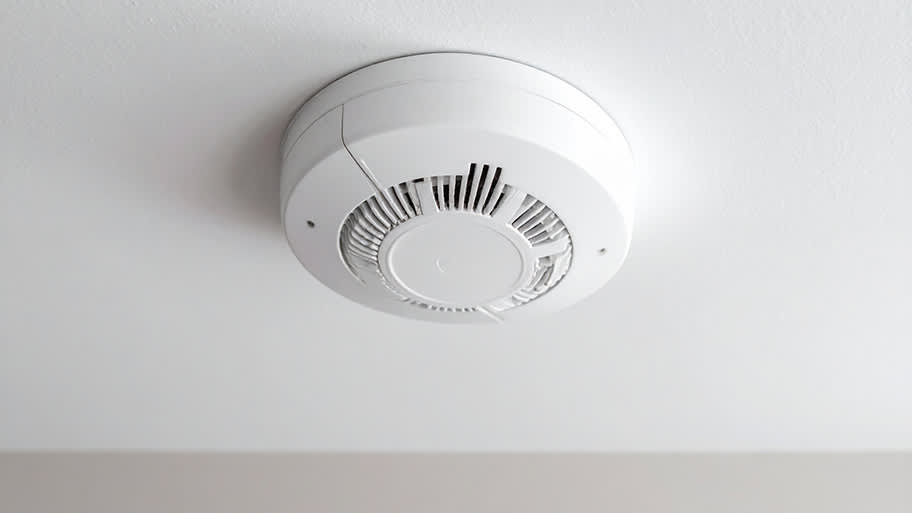
How long do smoke detectors last? Keep reading to find out when you should replace your smoke detectors and how to maintain them.

A water alarm could save your home from thousands of dollars in damage. Find out more about what they are and how they work.