

Austin can be hot year-round, so working AC is critical for comfort. Find out AC replacement costs for Austin, Texas, in this guide.
Heating and air conditioning service costs depend on your project and location. Check with a local pro for your specific job.

In Austin, TX, the average cost to replace a furnace and AC is $7,358, depending on system type and size.
Costs vary based on efficiency, brand, and system type, with duct-free and high-performance systems increasing total pricing.
Austin, TX permit costs range from $75 to $200, with additional permits required for electrical or gas line work.
Hiring a licensed Austin HVAC pro ensures safe installation, code compliance, and reliable performance.
In Austin, the cost to replace a furnace and AC system ranges between $4,905 and $12,263, with most homeowners paying around $7,358, depending on factors like system type, unit size, and installation complexity. With a growing market and relatively moderate labor costs, Austin’s HVAC replacement costs fall just below the average nationwide. Here’s a closer look at what you can expect to pay for furnace and AC replacement in Austin, TX.
These are the main factors that will impact the cost to replace your furnace and AC in Austin, Texas.
There are four types of HVAC systems, including split systems, duct-free systems, hybrid systems, and packaged heating and air systems. The typical cost ranges for each are:
Split systems: $3,728–$7,358
Duct-free systems: $1,962–$14,225
Hybrid systems: $2,453–$9,810
Packaged heating and air systems: $9,810–$13,734
The square footage of your house will determine what size furnace and air conditioner you need to heat or cool your space efficiently. A local HVAC company can help you determine what size you need exactly by doing a load calculation.
An HVAC system costs about $4,750 on average, but the brand you buy can change this number. For example, brands like Amana or Coleman tend to come in the lower end of the spectrum at $3,000, while brands Trane and York are often $6,000 or more.
Hiring a qualified Austin HVAC technician is mandatory for replacing your furnace and AC system. The cost of labor to install a new HVAC system in Austin averages around $1,500, depending on the company, system type, and project scope. Projects involving complex installations or high-efficiency systems may increase labor costs.
In Austin, most HVAC installations and replacements require a permit and final inspection, including new system installations, full replacements, equipment relocation, and major ductwork or electrical work. Permit costs typically range from $75 to $200, with additional permits required for electrical or gas line work.
Permits aren’t required for smaller jobs involving portable or window AC units, routine maintenance, minor repairs, and like-for-like component replacements that don’t change the system’s capacity or location. Most HVAC contractors will obtain permits on your behalf and factor the cost into your estimate.
HVAC contractors in Texas must be licensed through the Texas Department of Licensing and Regulation (TDLR). Qualified contractors should also carry liability insurance and workers’ compensation coverage to protect homeowners and workers throughout the project.
Replacing your AC and furnace won’t impact your home’s resale value the same way as a major remodel, but it still pays off in terms of comfort and energy efficiency. According to Energy Star, switching to an Energy Star-labeled system can save you up to 20% on energy costs, so you’ll see a return when it comes to your energy bill. You’ll also benefit from improved climate control, which can make a noticeable difference in your day-to-day comfort.
In Austin’s housing market, buyers often pay attention to a home’s cooling performance to combat the city’s intense heat. Home inspectors will also evaluate the HVAC system during the contingency period. An older or inefficient unit can become leverage for buyers during negotiations, while a newer system reassures buyers and reduces concerns about future expenses. This can help you stay firm on your asking price and present your home as move-in ready when the time comes to sell.
To help homeowners plan their next project, Angi provides readers with carefully researched cost data and upholds strict editorial standards. We start with national average project costs, which we collect by analyzing competitor information, retailer material costs, and input from professional contractors. We then apply local price index data to calculate location-specific estimates that reflect what homeowners typically pay in their local area. To do that, we use data from the U.S. Bureau of Economic Analysis (BEA), including its Regional Price Parities (RPPs), which measure price differences across cities. This helps us account for differences in labor, materials, and overall cost of living, so estimates in higher- or lower-cost areas better reflect real-world local pricing.
Every estimate undergoes a thorough editorial review to verify accuracy, consistency, and alignment with observed market conditions.
Want to help us improve our cost data? Send us a recent project quote to [email protected]. Quotes and personal information will not be shared publicly.
I recently hired Greenwood Duct Cleaning for Air Duct Cleaning, and the experience was excellent. The team arrived on time, explained the full process, and worked very professionally. My home feels fresher, and the air quality has noticeably improved. Highly recommend their service!
 Greenwood Duct Cleaning
Movers were fantastic, both were extremely quick, and professional. Both had a great attitude despite the heat!
 All My Sons Moving & Storage
This professional tree man does such a good job! His assessment of the condition of our trees is always conservative yet realistic, he is on time for assessment and work, his work ethic is great. And he leaves our yard clean and finished.
 JP'S Tree Service
AMERICAN DREAM ROOFING is a company I trust wholeheartedly. They provided a detailed assessment of my roof's condition and recommended cost-effective solutions. The work was completed efficiently, and the final result is a durable and beautiful roof. I'm incredibly satisfied with...
 AMERICAN DREAM ROOFING, LLC
I was shocked by the amount of debris they removed from my ducts. I didnâ t realize how bad it was and the amount of buildup that was there! Highly recommend Pure Air!
Superior Attic removed all my old insulation and replaced with Spray Foam. I can already tell a massive difference in my homes heating and cooling and my HVAC is running much less. Highly recommend!
 Superior Attic
They worked diligently even in the heat. Made adjustments that should have been done when system was installed and then checked by installer. They listened to what we wanted done and accomplished that.
 Capitol Irrigation
i hired Excellence A/C & Heating LLC to have installed my AC & heating system. They put a brand new 4 ton Carrier system for me. I like their service and communication. Their price is the lowest among all of the 3 quotes that I received. and their service turned out to be very...
 Excellence A/C & Heating, LLC
I have totally cool put in new duct work and fix my air confirming unit in the attic and now does it work excellent now! The men were very professional and hard workers. I would recommend these guys 100%!
Following the freeze of 2021 my condo was saturated with sprinkler system water. The entire property had to be gutted down to the studs, walls, ceiling, cabinets, air conditioning system and ductwork, insulation - the place needed to be completely refurbished. Tony's team replaced all the...
 G.I.S Contracting
From average costs to expert advice, get all the answers you need to get your job done.
Austin can be hot year-round, so working AC is critical for comfort. Find out AC replacement costs for Austin, Texas, in this guide.
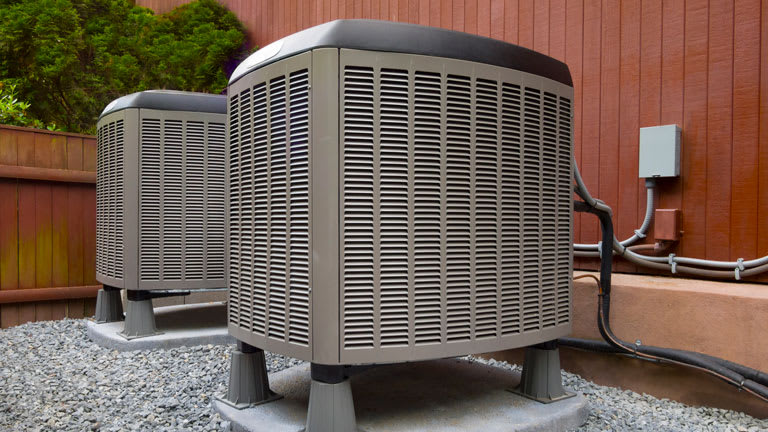
The cost of a heat pump in Austin, Texas, depends on its type, size, and other factors. Here’s how to price out your heat pump installation in Texas’ capital.
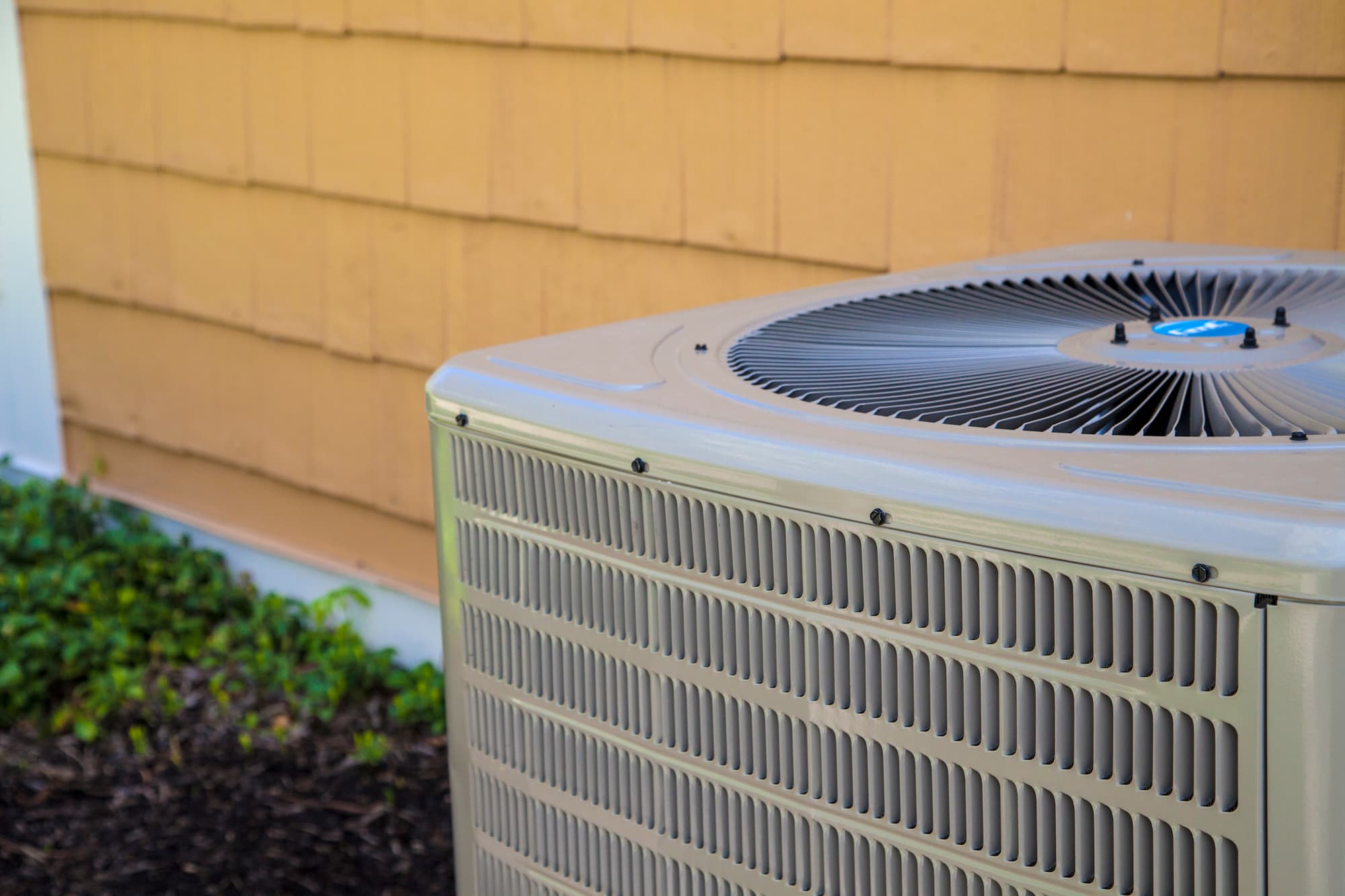
HVAC replacement costs in Austin, TX. depend on a lot of factors, like unit type, size, and labor. See what you can expect to pay for HVAC replacement here.

The best AC temperature for energy-saving has long been considered 78 degrees Fahrenheit—but the real answer can be a bit more nuanced. Read on to learn more.

Running your air conditioner in the summer is a no-brainer—until you get the bill. Here are nine summer HVAC tips to help you save this summer while staying cool.
Save on your heating costs while you’re away from home by learning the best temperature to set your thermostat when on vacation in the winter.