
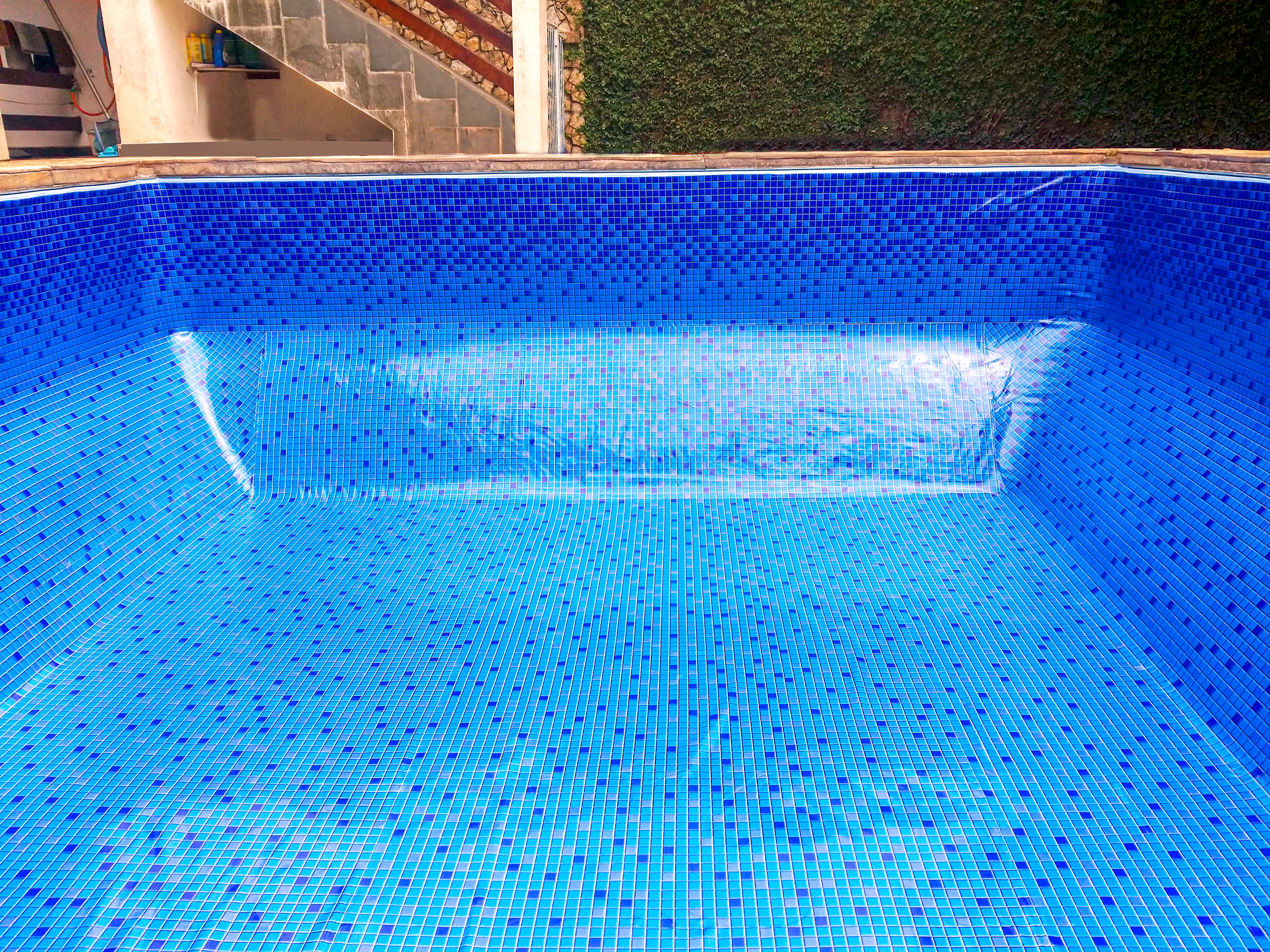
Are you thinking about filling your pool? The cost to fill a pool depends on the type of fill used and the size of your pool.
Save the sand for the beach

Sand in a pool is most often caused by a broken sand filter, where cracked laterals allow filter sand to leak back into your pool water.
Replacing a pool filter costs $250 to $2,000, with sand filters ranging from $300 to $1,200 and cartridge filters from $200 to $1,600.
Mustard algae can look like sand in your pool, creating yellow clouds when you brush it, and requires scrubbing, vacuuming, and triple-shocking to remove.
Hiring a local pool repair professional takes the hassle out of filter repairs and algae treatment, keeping your pool clear without the DIY guesswork.
Your swimming pool should be full of sparkling, crystal-clear water—not sand. If you’re unlucky enough to find sand in your pool, you’re probably curious to find out how it got there. So, why is there sand in your pool? As it turns out, there are a few common causes, including a broken sand filter. Let’s dive in.

The most common cause of sand in a pool is a faulty sand filter, which contains sand to remove debris and dirt from your pool water. If one of the filter's interior components breaks, sand can leak into your pool.
If sand is seeping out of your sand filter, it’s likely due to a cracked lateral. These parts can break if the filter moves the wrong way, or they can simply wear down over time. In either case, you’ll need to replace the broken lateral (or laterals) to stop sand from coming out of your filter. Here’s how:
Turn off the power to your pool pump.
Pull out the drain plug to get rid of any extra water in the filter.
Remove the multiport valve at the top of the filter. Be gentle to avoid cracking the laterals inside the filter.
Cover the opening of the standpipe with duct tape so sand doesn’t get inside.
Suck out the old sand with a shop vac.
Rinse the inside of the filter with a garden hose.
Replace the broken lateral.
Replace the drain plug and fill the filter halfway full of water.
Refill the filter with sand. If you aren’t sure how much sand your pool filter needs, check your user manual.
Remove the duct tape from the standpipe.
Replace the multiport valve.
Set the valve to “backwash” and turn on the pump.
Backwash the filter for about two minutes.
Once the water runs clear, turn off the pump and switch the valve to “rinse.”
Rinse the filter for about a minute.
Turn off the pump.
Switch the valve to “filter” and turn on the pump for normal operation.

Sometimes, what looks like sand in your pool might not actually be sand at all. Instead, it could be mustard algae, which is often mistaken for sand or pollen. This yellow-colored algae can cling to your pool’s walls and floors as well as pool equipment, toys, and bathing suits.
First, push the algae with a pool brush. If it creates a cloud around the brush, it’s likely mustard algae (and not sand). In that case, you can follow these steps to get rid of mustard algae in your pool:
Scrub all pool surfaces, including walls, floors, and steps. Be sure to use the right brush for your pool liner type.
Set your filter to “waste” and vacuum the pool. If the water level falls more than six inches under the tile line, stop vacuuming and refill the pool with a garden hose.
Wash your bathing suits with bleach.
Create a DIY cleaning solution by combining one tablespoon of bleach with one gallon of water. Use it to clean your pool toys, accessories, and equipment.
Use a pool water test kit to check your pool’s pH and alkalinity. If necessary, adjust the levels.
Brush the pool again.
Triple-shock the pool using three pounds of shock for every 10,000 gallons of water.
Leave the pump and filter running.
For the next several days, brush the pool often. Continue testing the pH and alkalinity levels and adjust them if needed.
After a few days, shock the pool again. Use a regular dose (one pound of shock for every 10,000 gallons of water).
Perform a final test of the water’s chemical balance.
Do you live close to the beach or another sandy stretch of land? If so, the wind could carry sand into your pool, or people might track it in with their feet. The same can happen if you have a sandbox or a playground with sand in your yard.
Use a pool cover to protect your pool when you aren’t using it—especially on windy days. Also, make sure that anyone who swims in your pool hoses off before jumping in.
If you’re trying to save money, you can solve these three common pool problems without a professional’s help. However, hiring a local pool repair pro lets you avoid the hassle of poking around in your pool filter or spending days scrubbing, shocking, and balancing your pool. If you haven’t worked on pools before, you might find that hiring an expert is worth the expense.
This service was great. My air conditioner went out during the heat spell that we had. My husband has health issues and they came out that night and at 9:30pm the air conditioner was fixed and running. We are sooo very thankful, this is the company I will be using from now on and would...
 Mr. Mechanical Ohio
I had FabClean 614 clean my apartment, and she did an outstanding job. She was so professional and efficient. My apartment looks absolutely spotless every surface, every corner, all cleaned to perfection. Definitely highly recommend FabClean 614 if you're looking for top-notch cleaning...
 Fab Clean 614
Binion and Alex did such a good job. Fast, fair, efficient. Would def use them again. Best experience Iâ ve had in moving - someone should give them a raise. Will undoubtedly recommend this service.
 All My Sons Moving & Storage
Great customer service. The owner Ilia was wonderful to work with. Would definitely recommend this company.
 Window Depot USA of Central Ohio
I definitely recommend Ramonaâ s cleaning service! I have booked services with her many times and she arrives on time, ready to work and provides a great service.
 Your Cleaning Solutions LLC
Excellent experience! Left my place looking great. Friendly customer service too. Would recommend!
The service was excellent! They gave me a quote, and had it done 4 days later. My driveway looks amazing, very professional! I would definitely recommend their service to anyone. I have had neighbors stop by and ask for their information as well.
 All Star Paving and Sealing
Webb â s was priced well, flexible on scheduling, great with communication, and detailed in their work. Iâ ll definitely use their services again.
 Webbs Pressure and Paint LLC
They’ve been great to work with. All of my clients that have used them have nothing but good things to say about the experience. Quick responses and fast service. They’re a trustworthy team!
 Total Home Roofing
Mary Cleaning Service is fantastic! The entire team is professional and pay a great deal of attention to detail. They do such a thorough job of cleaning my house. I would definitely recommend!
From average costs to expert advice, get all the answers you need to get your job done.
Are you thinking about filling your pool? The cost to fill a pool depends on the type of fill used and the size of your pool.

You can't have an in-ground pool without digging into the ground. How much does pool excavation cost, and can you take it on yourself? Our guide explains.
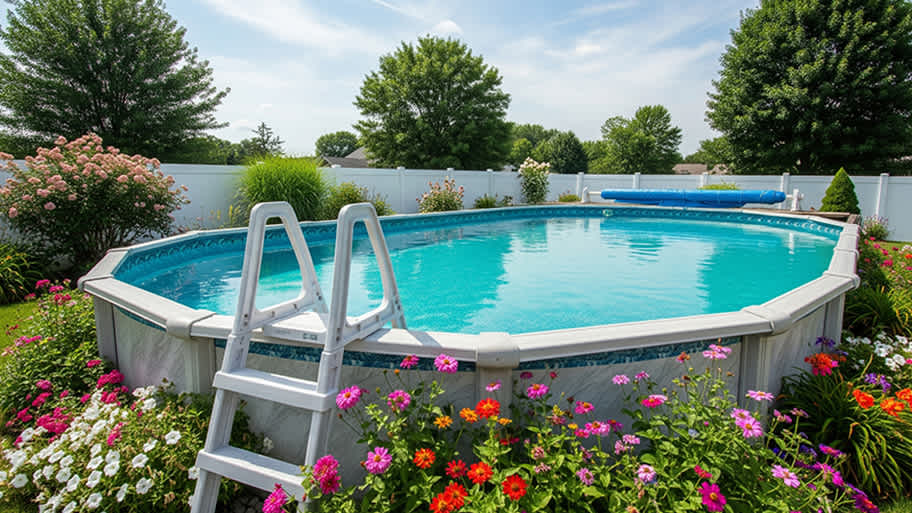
Dreaming of summertime swimming? Find out aboveground pool costs, including prices for materials, fun extras, and professional installation.
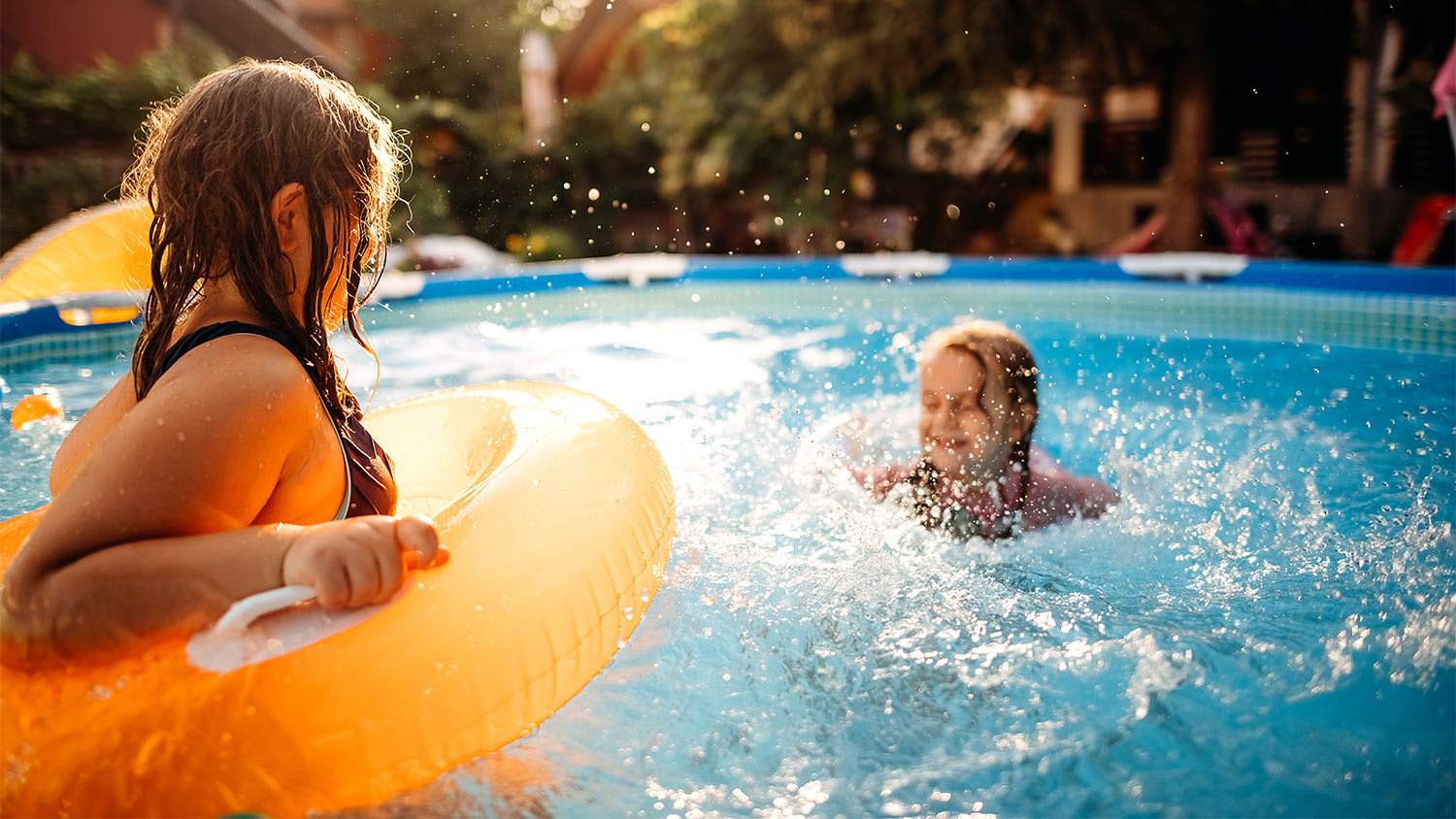
When installing an aboveground pool, starting with a sturdy sand base is essential to preventing tears in the lining. Find out how much sand you’ll need for your pool.

How much sand does a pool filter need? We’ve got the easy answers to how sand filters work and how to calculate your filter’s needs.
Changing the sand in the pool filter will keep the water clean and the filter functioning. But when should you change the sand in a pool filter? Let’s find out.