
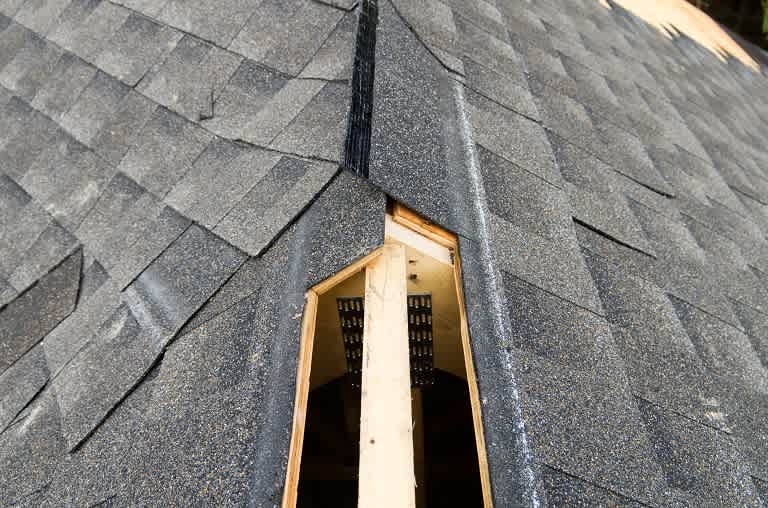
Roof ridge vents protect your home by reducing moisture in the attic. A number of factors affect ridge vent cost, and we break them down here.
Look into it if things stop going spinningly

Rooftop spinning vents clogged with leaves, twigs, or bird nests prevent your turbine from working properly, leading to heat buildup in your attic space.
Noisy turbine vents signal maintenance needs like lubrication or corrosion, and squealing sounds indicate your blades need attention to prevent further damage.
Leaks from your turbine vent point to damaged flashing, worn sealant, or failed bearings that allow rain inside and can lead to mold growth.
Hiring a local attic fan installation professional keeps your roof vent installation level and properly sealed, helping prevent leaks and ventilation issues.
Your turbine roof vents provide much-needed ventilation to your attic space with zero electricity costs, so it's easy to forget about them. However, you may have reasons to suspect something is wrong with your vents. Here are the six most common turbine roof vent problems that you may run into.
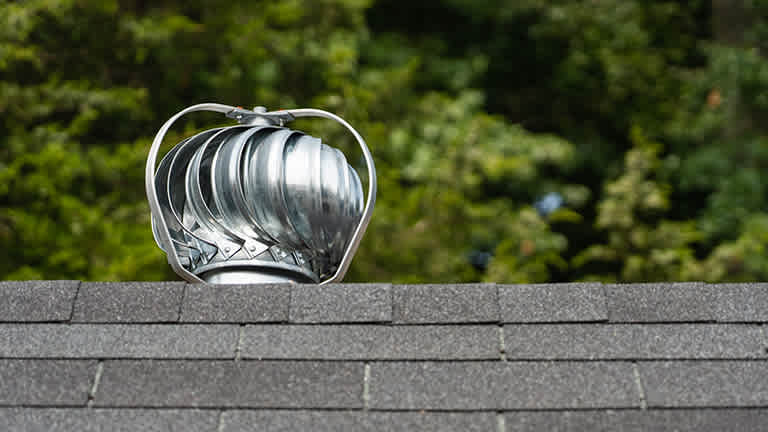
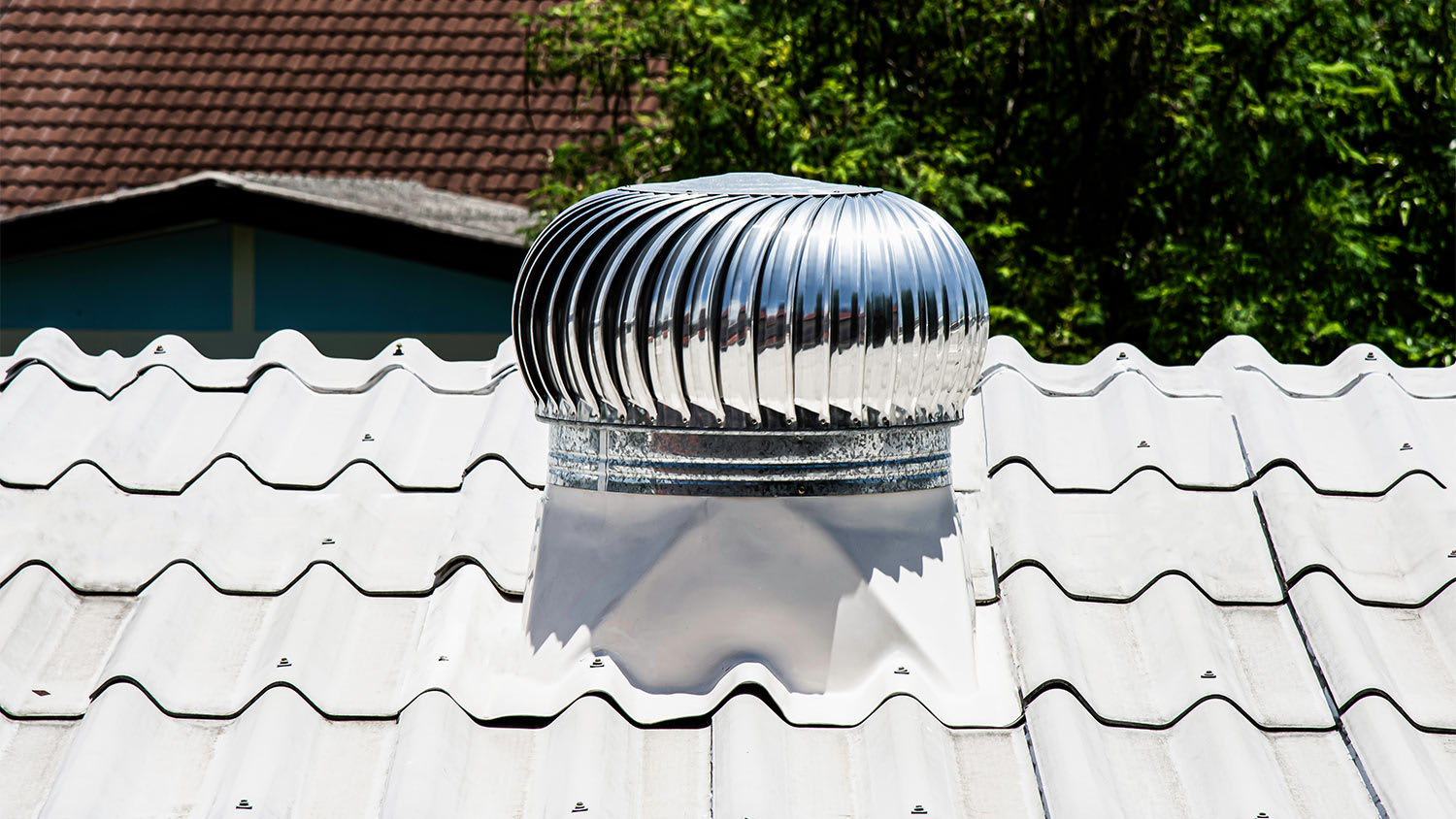
Turbine vents sit on top of your roof and offer additional ventilation for your home via wind. They’re sometimes called whirlybirds, which is an apt name since they spin. These vents take the hot air in your attic and pull it outside. This helps prevent mold and mildew growth, ice dam formations, wood rotting, and more.
Although some people don’t like the way they look compared to other types of roof vents, their functionality is reason enough to install them. After all, they’re generally more effective than the more discreet ridge vents. Turbine vents offer a lot more airflow and work year-round in any climate. The following breaks down the most typical issues you might encounter with your turbine vents.
Since turbine vents sit on top of your roof, it’s easy for them to get clogged, especially in the fall and winter months. You might get leaves, twigs, or even a bird nest in your vents. And in the colder months, clogs can develop in the vents due to huge amounts of snow or ice.
When your vents are clogged, your turbine won’t work properly. This can lead to heat buildup in your attic space, which can have consequences like higher moisture levels and mildew growth.
To fix clogged vents, you need to get a pro to clear out any debris and clean the blades. If you fail to fix the clogs, you’re likely to notice signs of poor attic ventilation, including ice dams, extreme heat in your attic, and deteriorating roof materials.
Like your kitchen or bathroom, your roof needs ventilation to extend its life span and control temperatures. Proper roof ventilation helps reduce HVAC costs and prevents ice dams and moisture damage. A roof repair pro can assess your roof and make recommendations.

Since your turbine roof vent relies on windpower to spin, a lack of wind can lead to a lack of ventilation. Your turbine needs winds of 5 to 6 miles per hour, so on less windy days, you’re not going to get the airflow you’re hoping for.
On days with no wind at all, you can expect some heat to rise and escape through the vent, but it won’t be as effective as ridge vents. This is something to consider if you’re trying to decide between a ridge vent versus a turbine vent.
To ensure your vent gets the most wind possible, you should install these vents high on your roof on the windward slopes.

There are several reasons your vent might be noisy. It might be a routine maintenance issue because your vent blades will require lubrication over time.
If it’s a lubrication problem, you’re likely to hear squealing sounds. However, the squealing sounds could also be due to corrosion. Most turbines are made of aluminum, which is rust-resistant, but if your vent is older and hasn’t been maintained, you may need to clean off the rust or replace the unit entirely.
Additionally, you may notice clattering sounds, which usually point to physical damage. If you happen to be in the middle of a snow or ice storm, however, there may be ice buildup on your blades that is causing the odd sounds. Once the ice melts, your turbine vent should go back to its usual, quiet operation.
Turbine roof vents are fairly rugged and can withstand most weather, but you may notice problems if your area gets severe weather. For example, a bad hailstorm can dent a blade or two, which causes your turbine to get off-kilter and spin erratically. Even worse, your whole vent can get knocked off your roof during a serious hurricane.
You’ll need to repair or replace your vent depending on the damage. Besides the turbine unit itself, if there’s damage to the flashing, you should take care of it right away to prevent leaks.
If you’re expecting a particularly bad storm, you can use a vent cap to ensure you won’t deal with turbine damage or leaks. You simply remove the turbine heads and replace them with a cap that fits snugly over the opening.

Turbine roof vents can normally handle heavy rain. However, you may notice leaks in your attic space from your vent. This can be very problematic since mold and mildew can form and even lead to wood rot.
The most common cause of leaks at a turbine vent is the base flashing—your flashing may have physical damage, which could allow water to leak underneath the vent. If you don’t notice any visible damage, a bearing may have gone bad, causing your turbine to spin off balance and allowing rain to leak inside the house.
Or, you may need to reinstall the sealant around the base. Also, check your connections and fasteners to make sure they’re in good shape, and replace any worn or damaged parts.
Professional vent installers should have no problem getting the job done correctly, but it can be tricky for a DIYer. If you make any miscalculations or mistakes during the installation process, you can have issues ranging from vents not working at all to leaks in your home.
Turbine vents have to be perfectly level, or they won’t spin no matter how much wind there is. Also, the placement has to be just right so the vent can get as much wind as possible. Finally, any mistakes when installing the turbine parts, fasteners, or flashing can lead to leaks.
To avoid issues, hire an attic fan installer near you to help you get the job done.
Mitchell and the crew were top tier i am so happy with my new roof
 Home Genius Exteriors
D1 Roofing delivers outstanding service from beginning to end, backed by a strong warranty and expert teams. I highly recommend them for their excellence in meeting and surpassing expectations with unmatched communication. Choosing D1 Roofing was flawless decision
 Division 1 Roofing LLC
This place took $25,000 for a flat roof job with a five-year warranty and never returned to fix the leaks that were caused by their work. These people are not professionals and should not be doing this type of work. They incorrectly changed the pitch of the roof, and caused more damage than...
The technician was very professional and friendly. He answered all my questions and was very thorough. He left the fireplace area very clean . He inspected from the roof and advised me as to other work that might need to be done. There was no pressure there. I was very satisfied with the...
 Supreme brick & chimney
I am really impressed with their timeliness and turnaround. Mitchell came out, and we decided to move forward with their pricing. Our roof was on within a week, and we could not be happier with their team! Amazing company, great prices and honest, dependable craftsmanship. I highly recommend...
 Window Depot USA of Central Ohio
Manuel Calvillo is the best option in the area for roofing and you won't be disappointed.
They damaged multiple items on my property, including a marble slab used as a table top, tried to hide it, and refused to pay or replace. Arrived day one without a ladder to access roof & delayed a day. Left a mess in back yard; didn't wear face masks; no show by owner to property to see damages
 Grants Tree Service
I've hired Gary/Cherokee Roofing for two different homes, work quality, responsiveness, and completion have been great both times. And the prices quoted were very competitive. I would definitely hire again.
Lyle did a great job removing asbestos shingles from our front porch roof. They worked together with our roofer to make sure that the new roof was able to be installed on the same day that Lyle removed the asbestos shingles.
 Lyle Environmental
Bradley Builders did a good job replacing the roof on our front porch. They color-matched the existing shingles on the rest of the house and installed a metal ridge roll since we live in a historical neighborhood. They did the job while we were out of town. When we got back, everything was...
 Bradley Builders, Inc.
From average costs to expert advice, get all the answers you need to get your job done.
Roof ridge vents protect your home by reducing moisture in the attic. A number of factors affect ridge vent cost, and we break them down here.
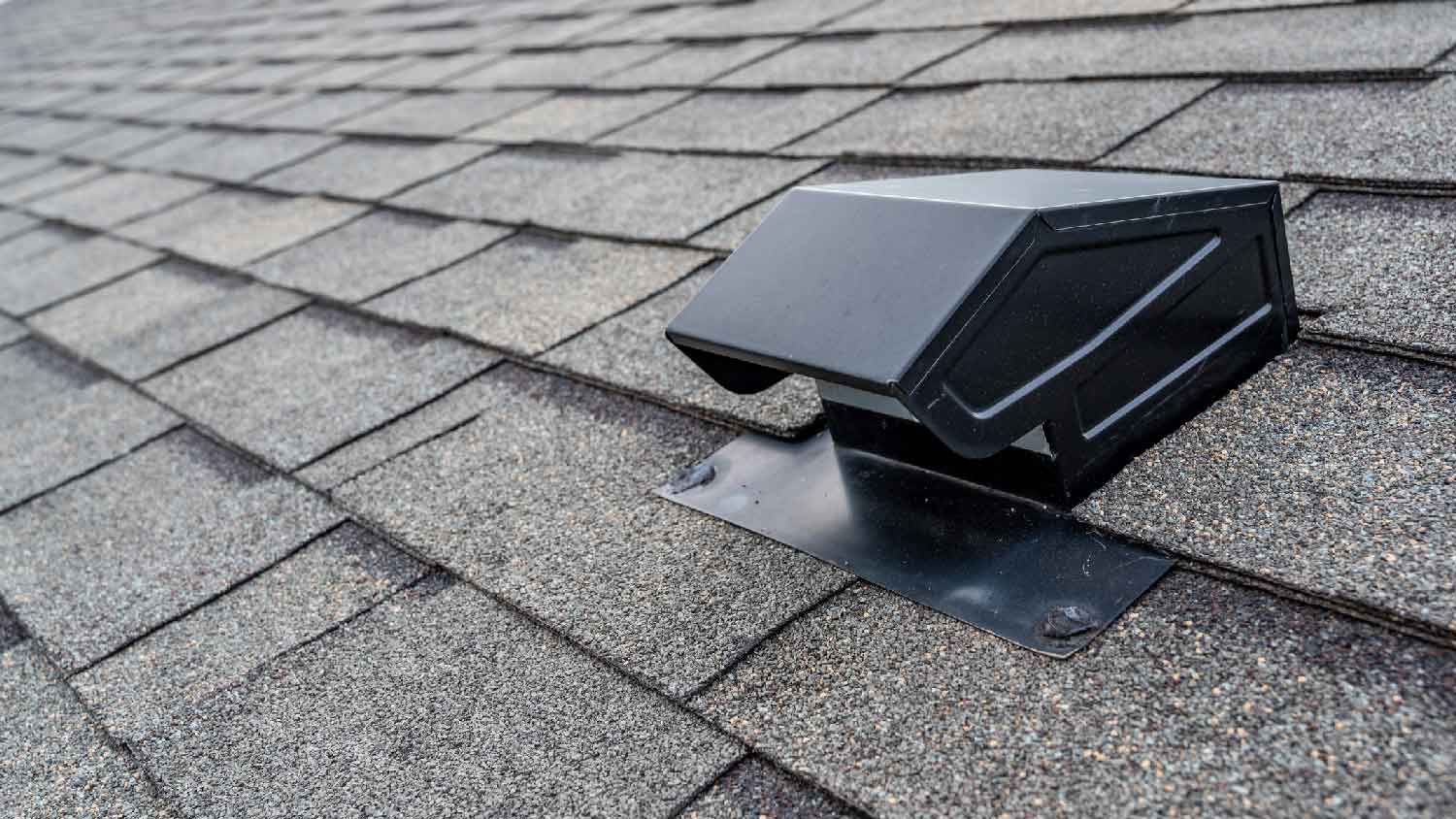
This guide lays out the cost to install a roof vent on your home depending on the type of ventilation that's best for your roof based on several factors.

The cost to replace roof vent boots depends on a few factors, like the size of the vent, its location, and your existing roof material.
Ridge vents and turbines are both great attic ventilation solutions. Learn how they work, how effectively they cool attics, and their various pros and cons.
Hot or humid attic? Installing roof vents can keep your home cooler and save on utility bills. Learn about roof ventilation systems, pros and cons, and more.
The first step to choosing the right roof vent for your home is deciding between intake vents and exhaust vents. Keep the air flowing with these roof vent options