
•
Find out the average cost of radon fan replacement, key price factors, and ways to save. Get expert tips to budget for your radon mitigation system.
Extending the life of your radon fan is possible with the right precautions

Your radon fan lifespan depends on quality, installation, and maintenance, with most fans lasting five to 10 years under normal operating conditions.
Radon fan replacement costs range from $500 to $1,100, including the fan and installation, so addressing issues early helps avoid higher expenses.
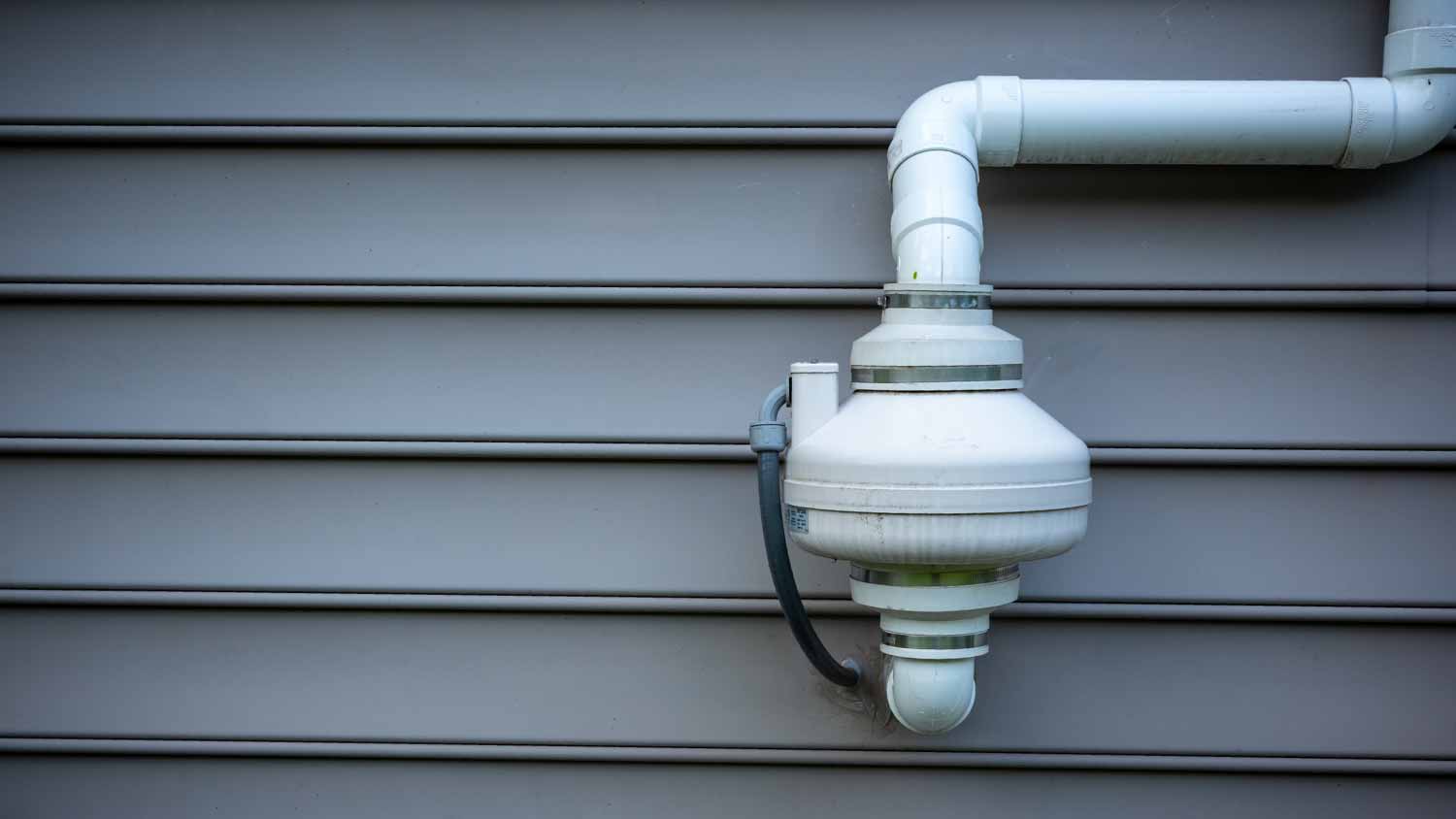
You should watch for unusual noises, reduced airflow, or frequent breaker trips, as these signs indicate your radon mitigation system fan needs replacement.
Hiring a local radon testing professional provides reliable support for diagnosing fan issues and ensuring your mitigation system works properly to protect your home.
Being a homeowner can get pretty expensive—especially when it comes to maintaining vital features like radon fans. So, how long does a radon fan last? You can expect a radon fan to last five to 10 years with proper installation and maintenance. Learn more about the longevity of radon fans and how to get the most out of yours.
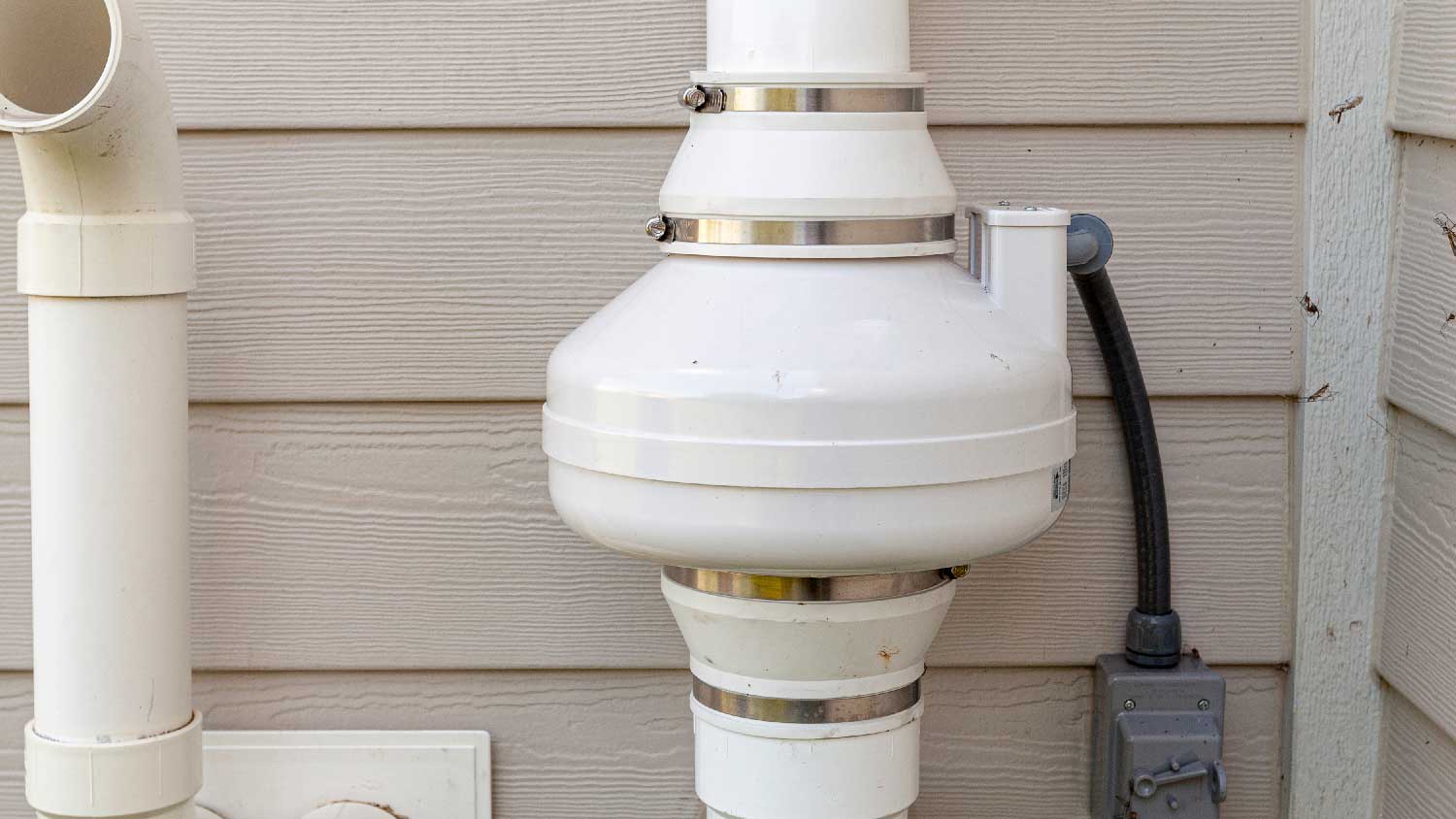
A radon fan is a key component of a radon mitigation system that helps get rid of radon in your home. These fans last five to 10 years, but the longevity of this fan type depends on factors such as the fan's quality, how often it runs, and proper maintenance. High-quality fans and those used intermittently may last longer, while continuous operation or poor installation can shorten their life span. Regularly checking for unusual noise or reduced airflow can help identify when the fan needs replacement.
As noted earlier, a few factors can influence how many years you get out of a radon fan.
Higher-quality radon fans are built with durable materials and components, making them more reliable and longer-lasting.
Proper installation minimizes strain on the fan, preventing premature failure caused by poor setup or alignment issues.
Understandably, fans that run continuously experience more wear and tear, which can reduce their life span compared to those operating intermittently.
Regular cleaning and inspections make it easier to identify and resolve potential issues before they cause the fan to break.
Extremely high or low temperatures, moisture, or exposure to harsh elements can affect the fan's performance and durability.


If you aren’t sure if you need to replace your radon fan, keep an eye out for these signs that it’s time for a new one:
Unusual noises: Grinding, rattling, or humming sounds may indicate motor or internal wear.
Reduced airflow: A noticeable decrease in airflow suggests the fan is losing efficiency.
Frequent tripping of breakers: Circuit overloads or electrical issues often point to a failing motor.
Visible damage: Cracks, rust, or water damage on the fan housing can compromise performance.
System alerts: Elevated radon levels or error messages on monitoring systems signal issues.
Test for radon. You can test for radon in your home. If you are unsure if you need to replace a radon fan, hire a radon testing professional near you to come and check out your fan.
To avoid retiring a radon fan before it’s necessary, follow these steps to troubleshoot basic issues first:
Check the power supply: Ensure the fan is plugged in and the circuit breaker hasn’t tripped.
Inspect the fan’s connections: Look for loose wires or poor seals around the fan housing.
Monitor airflow: If airflow seems low, check for blockages in the vent pipes or fan.
Listen for unusual sounds: Grinding or rattling may indicate a failing motor, requiring replacement.
Before you buy a new radon fan, it’s always a good idea to see if you have a warranty on hand that can help you out. Radon fans often come with warranties ranging from one to five years that cover manufacturing defects or premature failure.
To navigate your warranty, locate the original purchase receipt and confirm the fan's serial number. Contact the manufacturer or installer for claim instructions. Ensure you’ve adhered to maintenance requirements, as neglect may void the warranty. Having a warranty is worth it, as it provides peace of mind and can save money on replacements or repairs.
When purchasing a fan, prioritize models with longer warranties and reputable customer support for added reliability and protection.
When deciding between repairing or replacing a radon fan, consider the fan’s age, warranty status, and repair costs. If the fan is under warranty, repair is more economical. However, fans older than five to 10 years or with motor failures often require replacement. Minor issues like loose connections or blockages can be repaired inexpensively.
If you know you will need to replace a full radon mitigation system one day, that is an expense worth budgeting for. A radon mitigation system lasts 10 to 20 years, depending on maintenance and component quality. The average radon mitigation system costs $1,030 to install, with prices ranging from $785 to $1,275 depending on home size and age. If repair costs approach a significant portion of replacement, investing in a new fan is the way to go.
One of my old tall evergreen trees was suddenly leaning toward the busy street in front of my house. I submitted a request for an emergency tree inspection, and Alejandro, owner of Cajete Tree Service, contacted me immediately and arrived to look at it just 20 minutes later. We agreed the...
 Cajete Tree Service LLC
Great company! Price was competitive, technician showed up on time and completed the job (exterior electric Radon fan replacement) quickly. Would hire them again.
 MaGen Property Inspections and Radon Mitigation
1 tree was cut down and 5 others including a large willow tree were trimmed. The Grant Tree Service men were professional and cleaned up afterwards. The cost of the 6 trees were affordable. I am very happy with the results. I would hire them again.
 Grants Tree Service
I had FabClean 614 clean my apartment, and she did an outstanding job. She was so professional and efficient. My apartment looks absolutely spotless every surface, every corner, all cleaned to perfection. Definitely highly recommend FabClean 614 if you're looking for top-notch cleaning...
 Fab Clean 614
It went so well! They were prompt and efficient! They were patient with last minute changes and the work was worth the money
 Security Doors and Shutters
D1 Roofing delivers outstanding service from beginning to end, backed by a strong warranty and expert teams. I highly recommend them for their excellence in meeting and surpassing expectations with unmatched communication. Choosing D1 Roofing was flawless decision
 Division 1 Roofing LLC
Seth was very professional, prompt in responding to queries about the work required , gave sincere advice as to what would be best for tree trimming and did the job timely.
I conferred with 2 other contractors before Armstrong Electric. Nick and his crew showed me that the project was not as convoluted as the other contractors made it appear to be. They completed the entire project on time. They were professional, friendly and cleaned up after at completion. I...
 ARMSTRONG ELECTRIC, LLC
The technician was very professional and friendly. He answered all my questions and was very thorough. He left the fireplace area very clean . He inspected from the roof and advised me as to other work that might need to be done. There was no pressure there. I was very satisfied with the...
 Supreme brick & chimney
I had Ace Fireplace Services install custom chimney caps for my home, and the results are stunning. They fit like a glove and have added a touch of sophistication to my chimney. I can't recommend their services enough.
 Ace Fireplace Services
From average costs to expert advice, get all the answers you need to get your job done.
Find out the average cost of radon fan replacement, key price factors, and ways to save. Get expert tips to budget for your radon mitigation system.

Get clear answers on how much radon remediation costs, including average prices, key cost factors, and tips to save money on your home’s radon mitigation.

The cost of a radon mitigation system depends mostly on the type of system being installed. Use this guide to learn about your options.
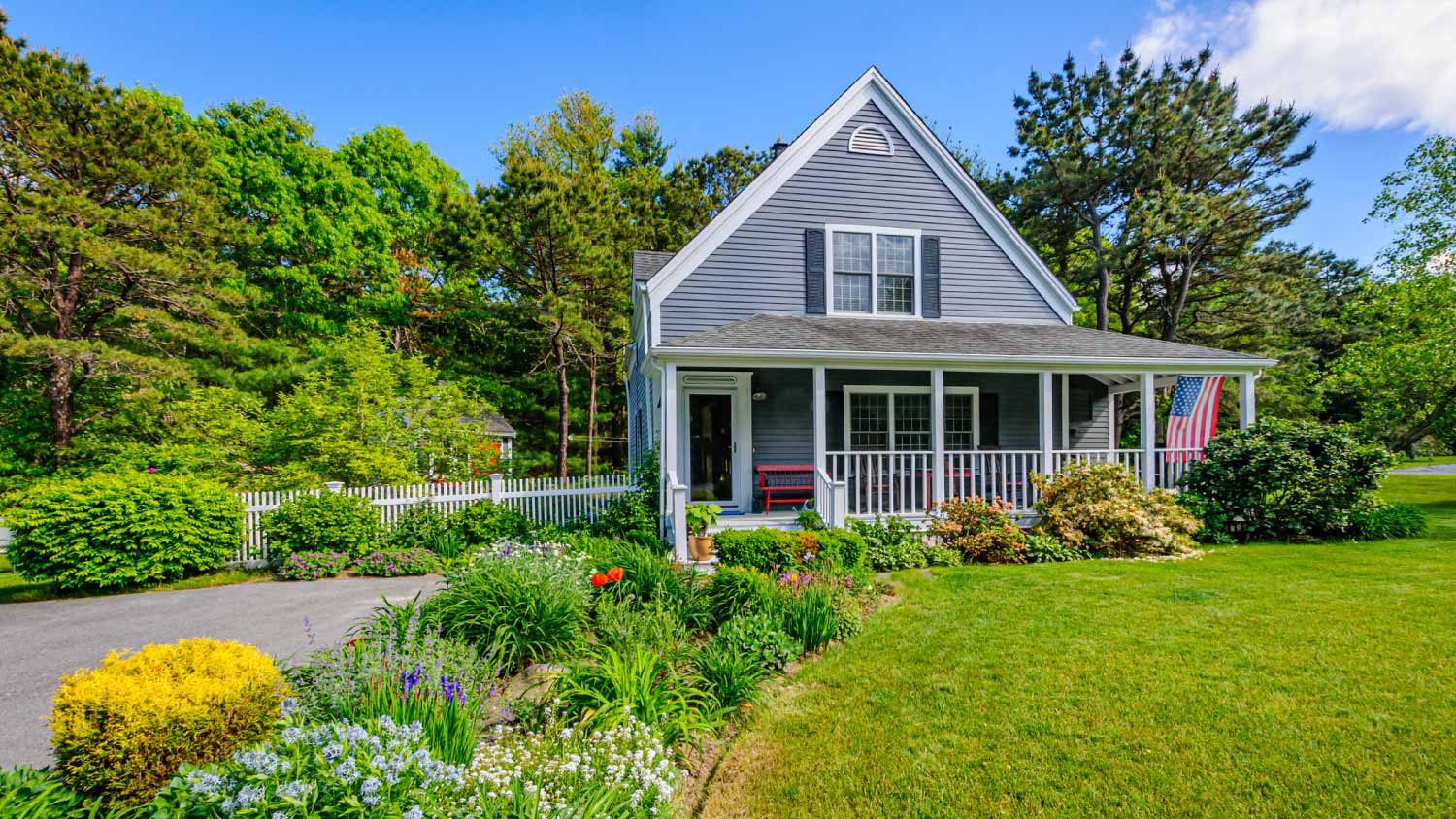
How long does a radon mitigation system last? A properly installed and maintained system can last 20 years or more, but various issues can reduce the life span.
How does a radon mitigation system work? Learn more about how it pulls air and radon from the soil and expels it before it can enter your house.
You need to protect your home from radon, but what does a radon mitigation system look like? Check out this radon mitigation system diagram to learn how it works.