
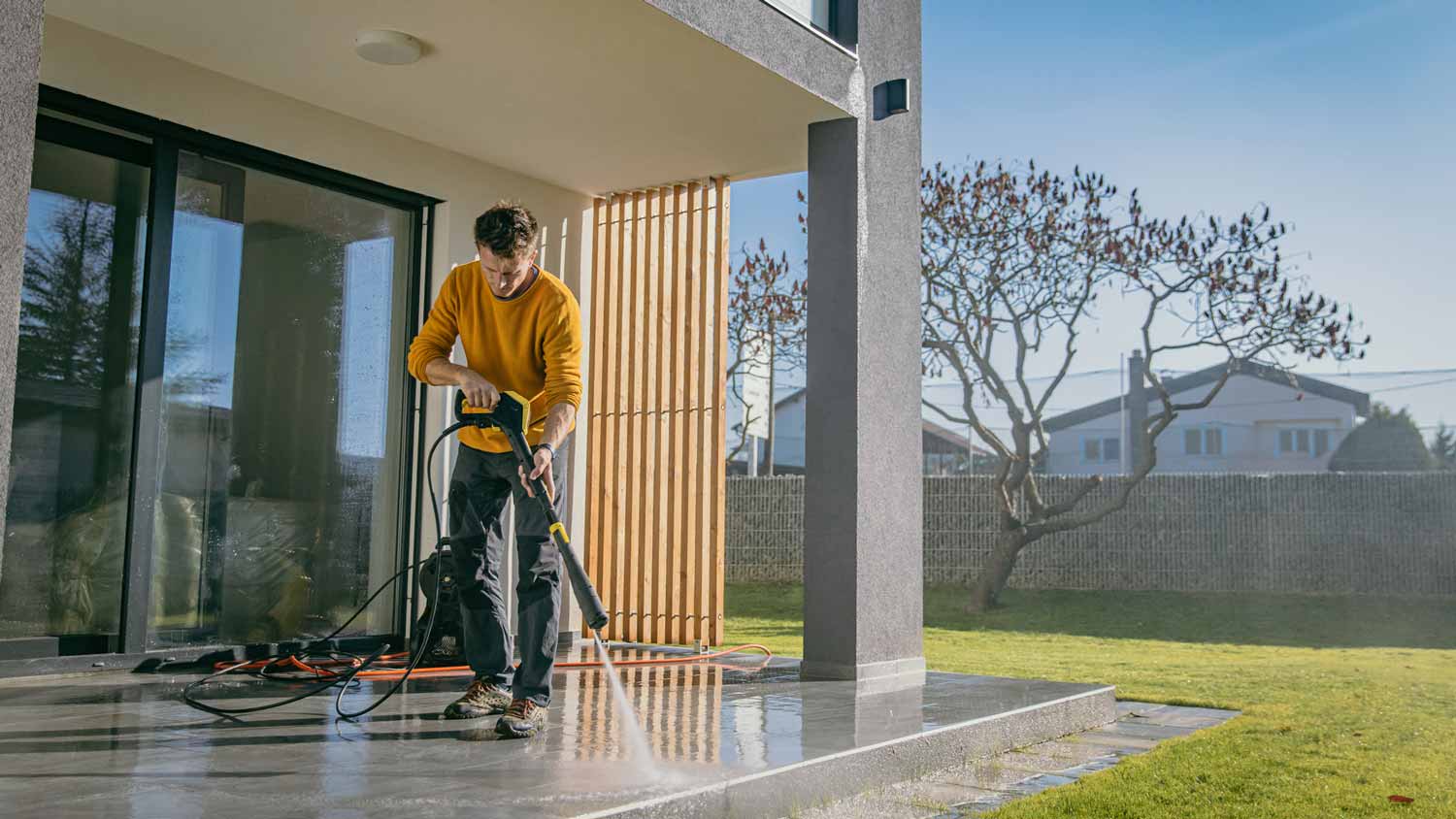
Pressure washers can help you keep your home looking great. Use this guide to learn how much it costs to rent a pressure washer based on factors like type and time.
The power (or the pressure) is yours

Power washing uses hot water to clean surfaces, while pressure washing uses regular-temperature water for your cleaning projects.
Pressure washing starts at $100 for professional service, while power washing jobs start at $250 for tougher stains and grime.
Power washers work best for removing oil, grease, and mold, while pressure washers handle decks, patios, fences, and general cleaning.
Hiring a local power washing professional provides expert help with stubborn stains and mold removal, keeping your home safe from heat and pressure damage.
It’s possible—likely, even—that you’ve heard the terms “power washing” and “pressure washing” used interchangeably. There’s a major difference, though: Power washing uses hot water, while pressure washing doesn’t. So, which option is better for your cleaning job? Keep reading to learn when you should use a power washer versus a pressure washer.
When it comes to pressure washers versus power washers, the main difference is the temperature of the water. Simply put, power washers heat up the water before sending it out in a pressurized stream, but pressure washers use cool or regular-temperature water. Because of this, power washing is best for removing deep or difficult stains. Pressure washing is more versatile and useful for a variety of cleaning projects.

A power washer is a machine that uses hot, pressurized water and steam to deep-clean hard surfaces. The hot water helps break down grime and dirt buildup, which makes a power washer ideal for heavy-duty jobs like removing oil stains from a driveway.
| Pros | Cons |
|---|---|
| Efficient and effective | Pricier than a pressure washer |
| Can remove tough stains | Higher maintenance |
| Good for big jobs | Too powerful for some surfaces |
Best for:
Deep cleaning large, hard surfaces
Removing oil, grease, and other difficult stains
Getting rid of mold, mildew, algae, or moss
Power washing is a quick and effective way to deep clean hard surfaces. Thanks to the combination of hot water, steam, and pressure, a power washer can remove all kinds of stains and grime—including oil spills, mold, and chewing gum—better than a pressure washer.
Power washers are also more efficient than pressure washers, which makes them good for large cleaning projects. For example, if you need to clean a big concrete driveway, a power washer can help you get the job done faster.
Power washers are more expensive to buy and run than pressure washers. Not only do they require more power to produce hot water, but they also have a more complex design than pressure washers, thanks to the internal components that heat the water. Those extra parts make power washers harder to maintain, too.
Also, while a power washer is great for heavy-duty cleaning, it’s not necessary for most residential jobs. In fact, the heat and pressure can damage many surfaces, including wood siding or decking.

Like a power washer, a pressure washer also produces a high-pressure stream of water to clean many different surfaces. However, instead of heating the water, a pressure washer uses cold or room-temperature water to blast away dirt and debris.
| Pros | Cons |
|---|---|
| Less expensive | Not as effective against tough stains |
| Easier to maintain | Less efficient than power washers |
| Versatile | Can damage certain surfaces |
Best for:
Sprucing up wooden decks, patios, and fences
Cleaning brick or masonry
Stripping off old paint
Pressure washers are more affordable than power washers to buy, rent, and operate. Plus, since they have fewer components, they’re easier to maintain.
Pressure washers are also more versatile than power washers. You can only use a power washer on hard and durable surfaces, but there are many uses for a pressure washer around your home, including driveways, patios, stairs, decks, and gutters.
One drawback of pressure washing is that it isn’t as effective as power washing—especially when it comes to deep stains or mold. Pressure washers are also less efficient, so your cleaning job could take longer than it would with a power washer.
Even though pressure washing isn’t as harsh as power washing, it can still damage soft surfaces and fragile materials. Avoid using a pressure washer on glass, electric meters, air conditioning units, and other delicate items.
Not sure which type of washer you need? Let’s compare power washing versus pressure washing in a few key categories, including cost and cleaning capability.
A pressure washer is less expensive to purchase and operate than a power washer. Hiring a pro to pressure wash your home is also more affordable. On average, the price of professional pressure washing starts at $100, but power washing jobs start at $250.
With its combination of heat and pressurized water, a power washer can blast away oily and greasy stains better than a pressure washer can. (However, most cleaning projects don’t require that much power. Often, a pressure washer is enough to get the job done.)
"Identifying if stains are organic (like mold and mildew) or non-organic (like rust and oxidation) is very important before starting any power washing job."
— Fred Hodge, President and Co-Founder at Clearview Washing, Little Silver, New Jersey
If you wear appropriate safety gear and understand how to handle a pressure washer, it’s possible to do your own pressure washing. Power washing, on the other hand, is more dangerous and less DIY-friendly due to the high temperature of the water. To remove old or stubborn stains, we suggest calling a power washing pro near you.
I would recommend this company to anyone! He showed up on time, was friendly, completed a very difficult repair on our dryer vent cover, was responsive, and pricing was extremely fair and competitive. I would have him back to do any of our repairs or cleanings without hesitation!
 U.S.A. Dryer Vent, LLC
Best cleaning I've had at my property
The technician was very professional and friendly. He answered all my questions and was very thorough. He left the fireplace area very clean . He inspected from the roof and advised me as to other work that might need to be done. There was no pressure there. I was very satisfied with the...
 Supreme brick & chimney
Mary Cleaning Service is fantastic! The entire team is professional and pay a great deal of attention to detail. They do such a thorough job of cleaning my house. I would definitely recommend!
The workmanship is perfect, I did not have any complaint with that. It was the brick I chose not matching the brick that want I to use. There was a problem with discoloration of the brick. I thought that the rain was gonna wash it off but it didn't. I call them. All communication was coming...
 Bone Dry Roofing & Masonry - Cincinnati
I purchased the "Big Deal": $199.00 for exterior pressure-washing of one- or two-story home up to 2,000 square feet. They cleaned the siding only. I wasn't aware when I bought the Big Deal that they would not do any other surfaces other than the siding (i.e. sides of the gutters or stucco). I...
 Complete Home Services
From the initial sales presentation to the installers final clean up, this project was a total pleasure. Gary Coper, sales consultant, showed up exactly on time and provided an informative, no pressure description, of every material and step required to complete the remodel. We were always in...
 Simple Bath & Simple Kitchen
They were prompt, careful and thorough. I have also had them wash interior floor to ceiling windows which were perfect.
 Technicare Carpet Cleaning
The work went great! Couldn't ask for better. Joel set a work start date. About the time of the storms that may have been associated with Sandy. He was half a day late. They set up on a Thursday. On Friday they had a full crew at work. By Monday they were finishing up. Now, the best...
 NJW Construction
No hassle, no pressure, no mess left in my basement. ...and now I have a better understanding of our furnace.
 KNOW Heating
From average costs to expert advice, get all the answers you need to get your job done.
Pressure washers can help you keep your home looking great. Use this guide to learn how much it costs to rent a pressure washer based on factors like type and time.
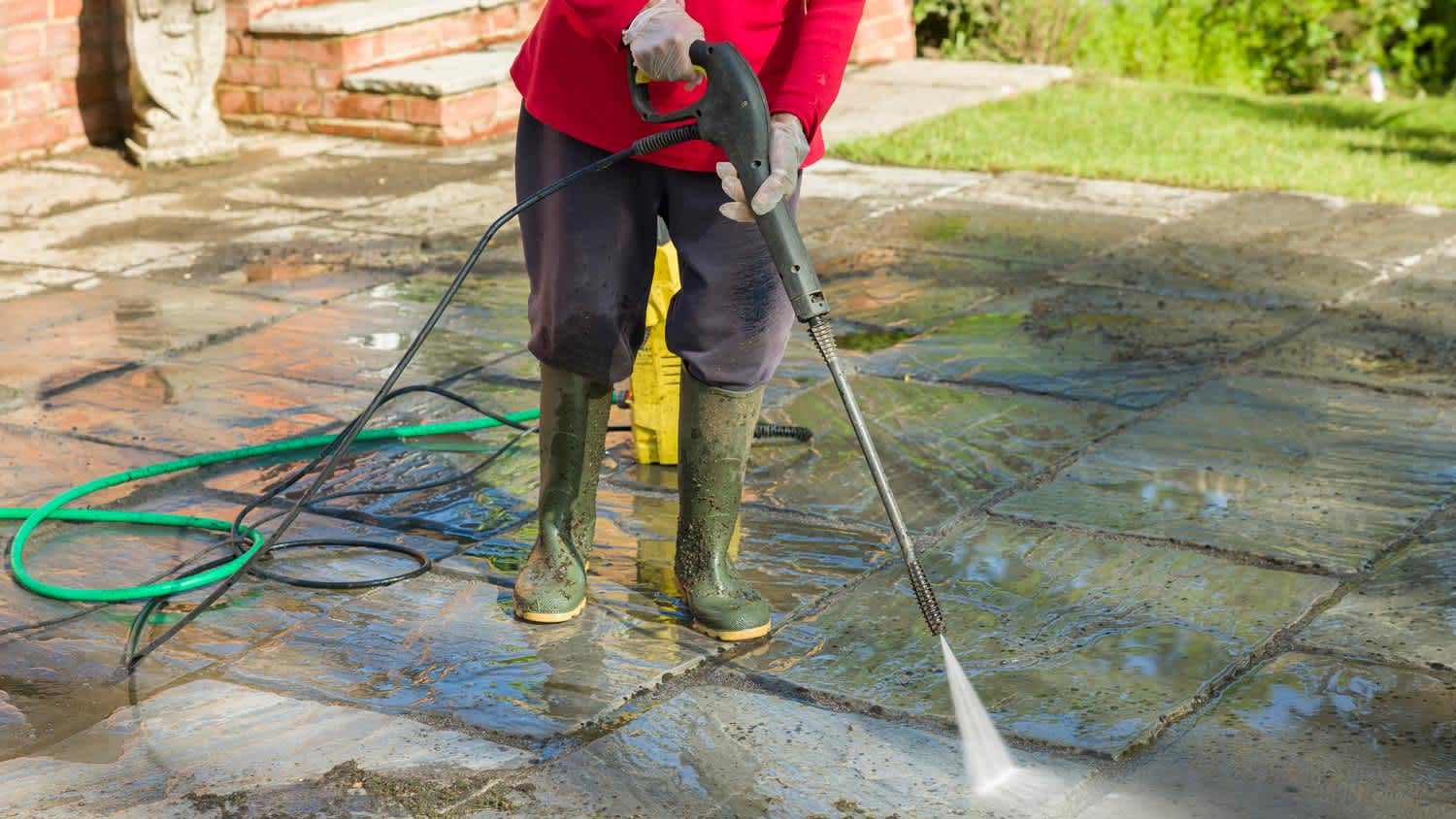
Investing in a pressure washer can make it easier to keep your house looking great. Use this pressure washer buying guide to learn all about how to choose the right pressure washer for your home.
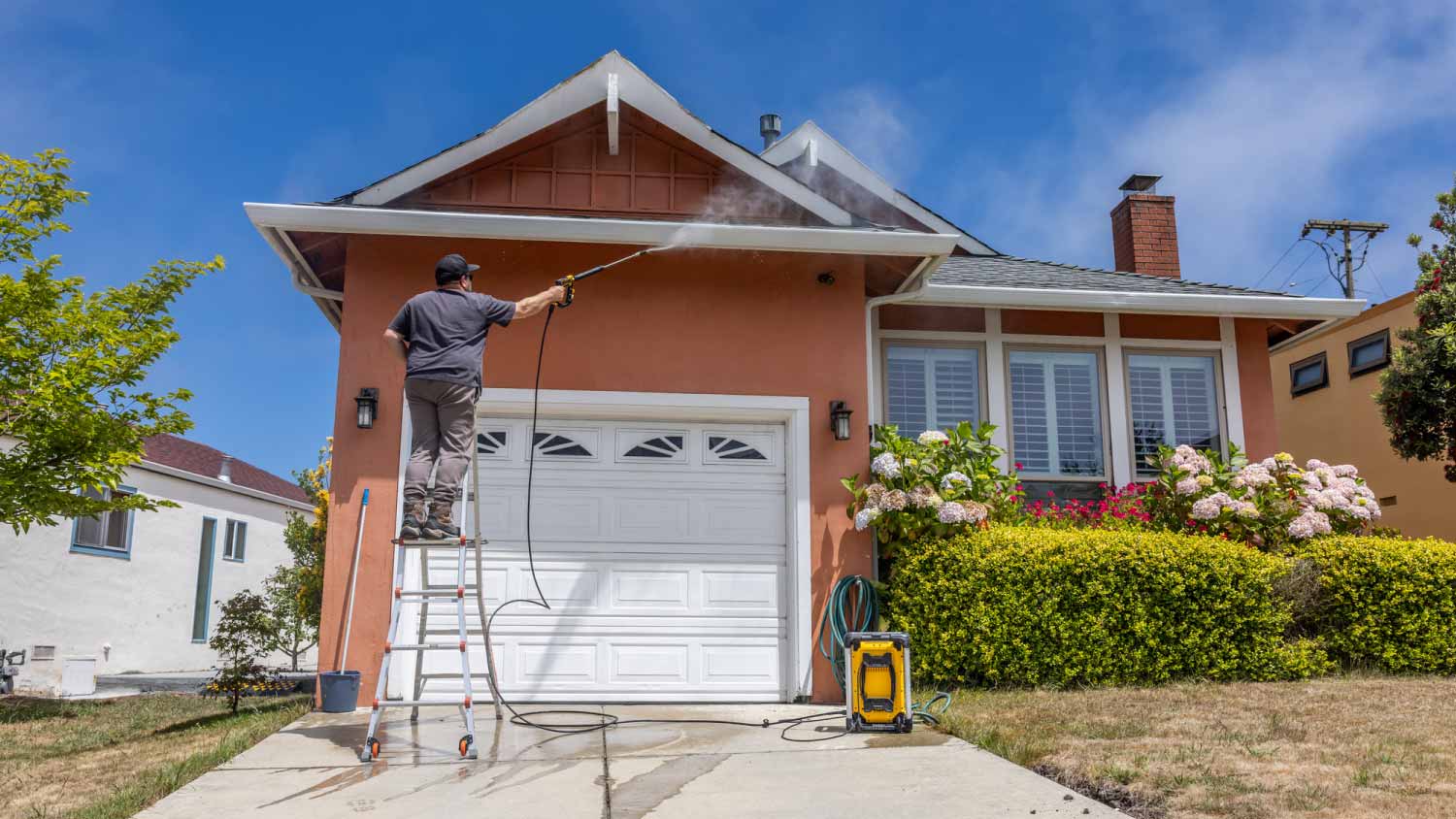
What is power washing? It’s the act of washing a surface with hot, high-pressure water. Here’s how to know when power washing is right for your home.
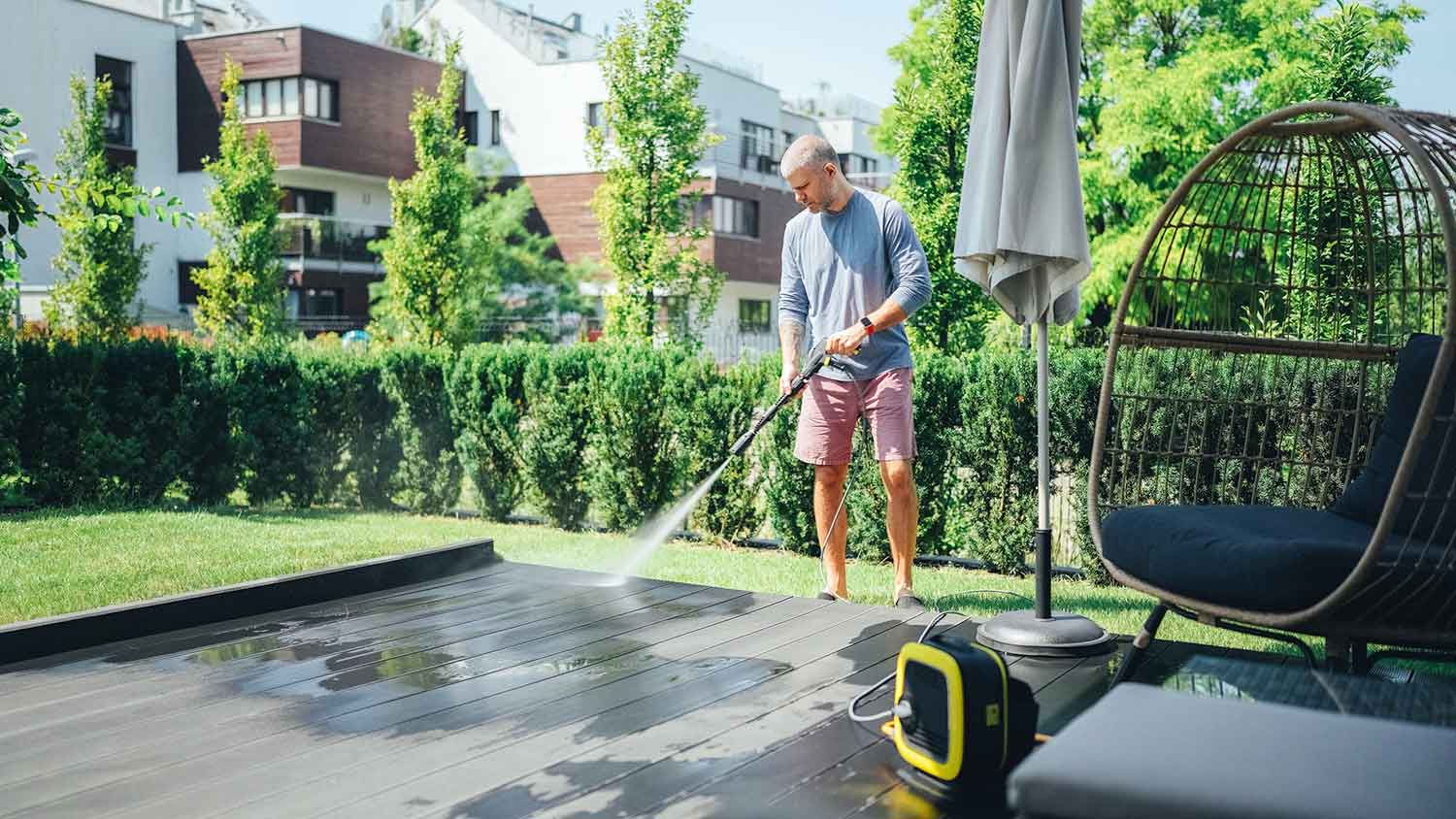
Choose the right power washer to tackle your projects with ease. Learn about gas versus electric power washers, their pros, cons, and costs.
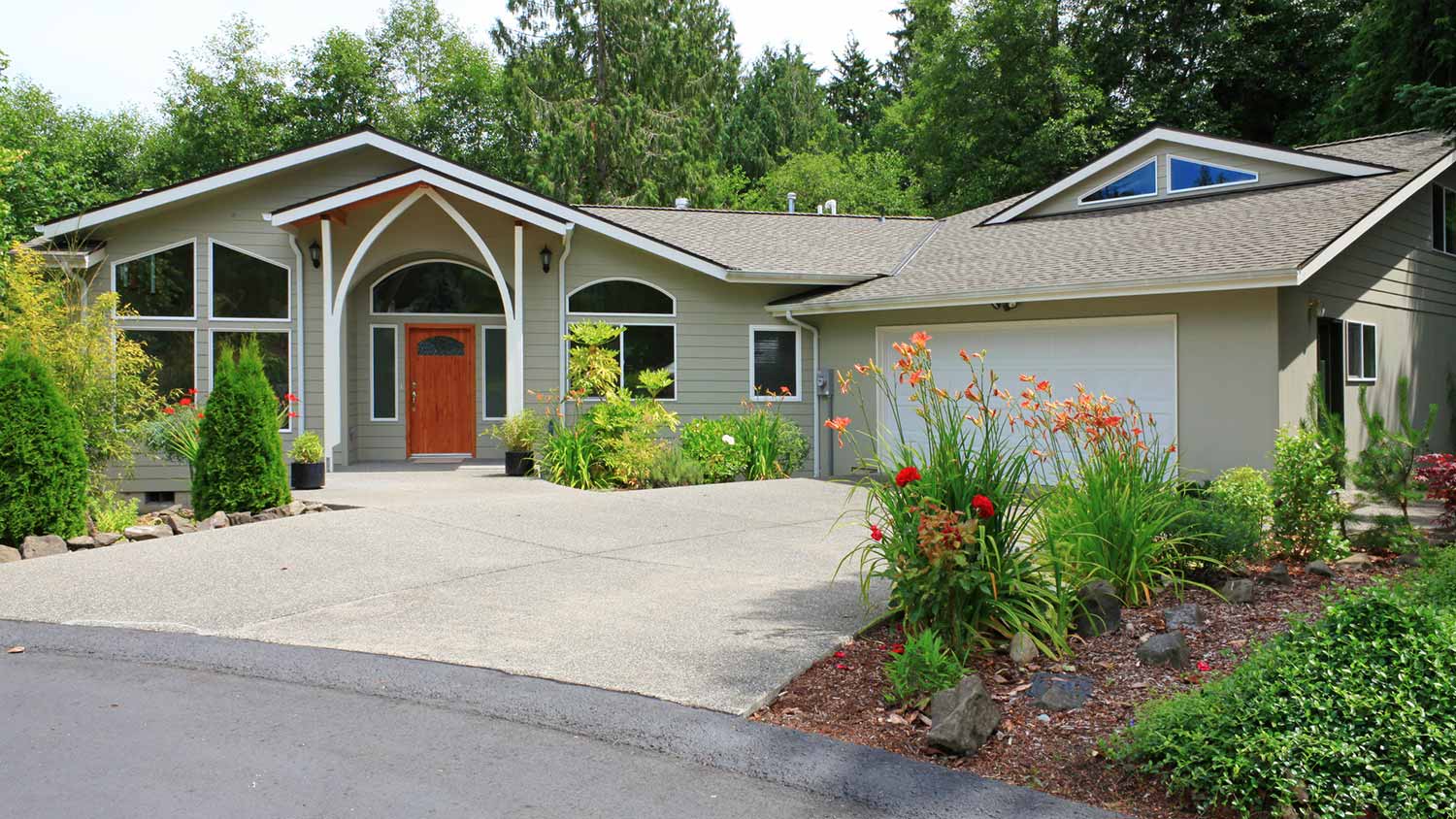
To keep your pressure washing running whenever you need it, make sure to follow this pressure washer maintenance checklist.
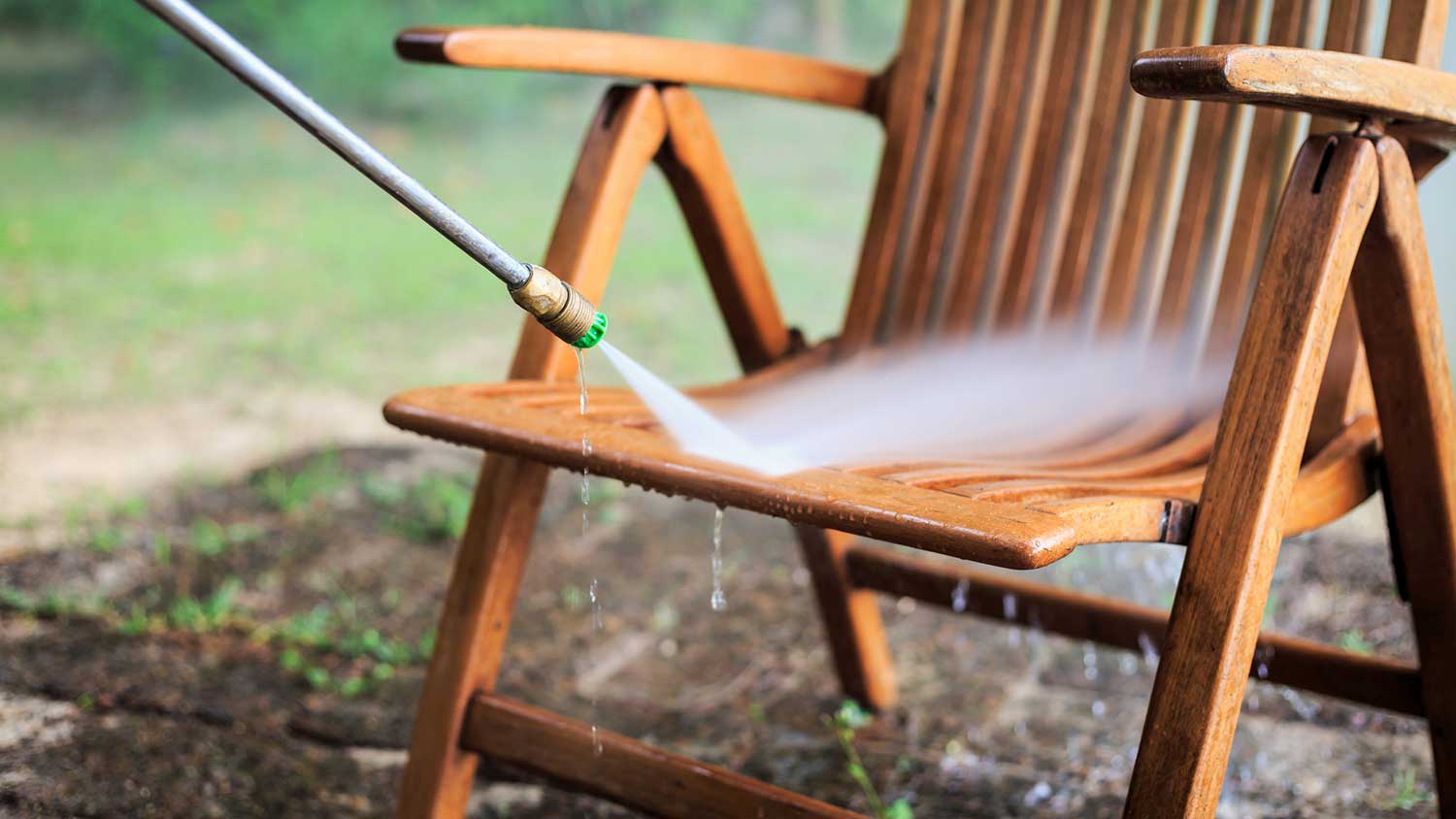
When cleaning tough outdoor messes, there are many pressure washer nozzle types to choose from. Use our guide to find the perfect one for your project.