

The cost to pressure wash a deck depends on its size, condition, material, and whether you DIY the job. Help set your budget with this cost guide.
Don’t get pressured into DIY pressure washing: An easy mistake can be costly

DIY pressure washing a house saves money compared to hiring a pro but risks damaging your siding, windows, or gutters if you use incorrect pressure settings.
Professional pressure washing costs around $300, while renting a washer costs $90 per day, but siding repair averages $900 if you cause damage yourself.
Your pressure washer projects can include driveways, decks, patios, and outdoor furniture once you have the equipment rented for the day to maximize value.
Hiring a local power washing professional provides peace of mind with specialty cleaning solutions and proper technique, helping protect your home from costly damage.
Whether it’s your home’s siding, your driveway, or a deck, a simple pressure washing can have your exterior space looking as good as new without a lot of effort. And because pressure washers are readily available for purchase or even a daily rental, DIY pressure washing is an attainable task that many homeowners are comfortable handling.
However, there are certain times when you should not pressure wash siding and other components of your home’s exterior, and there are certainly more risks involved if you tackle the project on your own instead of hiring a pro. Below, we’ll weigh the pros and cons of pressure washing your home yourself—and help you decide if this is the right approach for you.
| Pros | Cons |
|---|---|
| Cost savings | Easy to cause damage |
| Control over the project | Might not be right for your siding |
| Multiple projects with one rental | Potentially dangerous |
| Ability to learn a new skill set | Lacks quality cleaning ingredients |

DIY pressure washing your home has a number of pros to consider, including:
The number one reason for DIY pressure washing is to save money. Hiring a pro to pressure wash your house costs roughly $300, while renting a pressure washer costs an average of $90 per day. If you can knock out the job in an afternoon, you could save roughly two-thirds of the project cost by doing it yourself.
Of course, there’s the cost of your time to consider—and with the risks of damaging components of your home’s exterior, you might end up spending more when you go the DIY route. For instance, you could puncture your siding—and the cost of siding repair (nearly $900 on average) is much greater than the cost of hiring a pro to pressure wash your home.
Many people prefer to have professionals tackle jobs, given their training, certification, and experience in a niche area. But some homeowners like to roll up their sleeves and do things themselves. If you want absolute control over how the pressure washing is done, your best bet is to rent the machine and do it on your own.
Just remember that professional pressure washers generally have years of experience—and you’re in good hands when you hire a pro.
You might have rented the pressure washer to clean your home’s siding, but if you have it for the whole day, there’s no sense in rushing it back to the store. Since you’ve already paid for it, get the most bang for your buck by pressure washing other parts of your home’s exterior.
Your DIY pressure washing projects might include:
Your home’s siding
A grime-ridden grill
A dirty boat or car in your driveway
The driveway itself (and other pathways around your home)
Cleaning a deck, porch, or patio
"A patio or deck on the north side of a house will have more mold and mildew because of the amount of sunlight it gets, so it will need to be power washed more frequently—possibly twice per year, especially if you live in the Southeast."
— Dylan Harris, Director of Operations at Window Hero, Charlotte, North Carolina
If you’re actively trying to grow in your DIY capabilities around the house, learning to use a pressure washer is very doable. Just be sure to review these pressure washer tips (and read the machine’s manual!) before giving it a go.
While there are certain risks involved with using a pressure washer on your own (which we’ll explore below), it’s certainly an easier skill to add to your metaphorical tool belt than installing a new roof or repairing your home’s foundation. Baby steps!
That said, there are several disadvantages to attempting to tackle pressure washing your home on your own, such as the following:
If you don’t have much experience with a pressure washer, it can be really easy to fall victim to common pressure washer mistakes and damage your siding, gutters, windows, and other components of the exterior of your house. Pressure washers can spray water at up to 4,000 PSI, which means you could possibly put a hole in your siding or break a window.
Starting with a soft wash versus pressure wash is a good idea; using too high of pressure carries a lot of risks, especially for novices.
In addition, DIY pressure washing may:
Strip paint off of your siding
Inadvertently get water inside your home and cause water damage
Lead to mold and mildew growth if water enters anywhere it shouldn’t be

Certain types of siding are more susceptible to damage from pressure washing than others. For instance, it’s easy to puncture vinyl siding when the PSI setting of the pressure washer is too high, and aluminum siding is prone to dents. While you can pressure wash these siding materials, you’ll need to do a soft wash to be safe.
Brick siding is more appropriate for pressure washing. Wood siding is also a good candidate for pressure washing, but again, softer is better.
Damaging your siding is never ideal, but even less ideal is injuring yourself—or nearby friends, family, or pets—in the cleaning process. Pressure washers can expel water at very high pressure; if you have the nozzle pointed at someone and accidentally spray, you could easily hurt someone nearby.
"Getting on ladders is dangerous if you're not trained and used to it. If you need to pressure wash anything high up, consider letting a pro handle the job."
— Fred Hodge, President and Co-Founder at Clearview Washing, Little Silver, New Jersey
When you hire a professional to pressure wash your home, they’ll use specialized cleaning solutions that are designed to remove mold, mildew, algae, and other buildup from the exterior. This allows them to more effectively clean the house—and without the highest pressure setting.
When you DIY pressure washing, you can only work with the water itself. This means your home won’t be cleaned as effectively.
While renting a pressure washer to clean a deck or a driveway makes sense as a DIY task, we highly recommend hiring a trusted pressure washing company near you to tackle any house cleaning.
There’s too high of a risk of damaging your siding or gutters—not to mention danger to you, your friends, your family, your neighbors, and your pets—if you try to clean the house yourself with a pressure washer. Plus, you’ll miss out on the specialty cleaning agents offered by the pros when you go the DIY route.
I would recommend this company to anyone! He showed up on time, was friendly, completed a very difficult repair on our dryer vent cover, was responsive, and pricing was extremely fair and competitive. I would have him back to do any of our repairs or cleanings without hesitation!
 U.S.A. Dryer Vent, LLC
Best cleaning I've had at my property
The technician was very professional and friendly. He answered all my questions and was very thorough. He left the fireplace area very clean . He inspected from the roof and advised me as to other work that might need to be done. There was no pressure there. I was very satisfied with the...
 Supreme brick & chimney
Mary Cleaning Service is fantastic! The entire team is professional and pay a great deal of attention to detail. They do such a thorough job of cleaning my house. I would definitely recommend!
The workmanship is perfect, I did not have any complaint with that. It was the brick I chose not matching the brick that want I to use. There was a problem with discoloration of the brick. I thought that the rain was gonna wash it off but it didn't. I call them. All communication was coming...
 Bone Dry Roofing & Masonry - Cincinnati
I purchased the "Big Deal": $199.00 for exterior pressure-washing of one- or two-story home up to 2,000 square feet. They cleaned the siding only. I wasn't aware when I bought the Big Deal that they would not do any other surfaces other than the siding (i.e. sides of the gutters or stucco). I...
 Complete Home Services
From the initial sales presentation to the installers final clean up, this project was a total pleasure. Gary Coper, sales consultant, showed up exactly on time and provided an informative, no pressure description, of every material and step required to complete the remodel. We were always in...
 Simple Bath & Simple Kitchen
They were prompt, careful and thorough. I have also had them wash interior floor to ceiling windows which were perfect.
 Technicare Carpet Cleaning
The work went great! Couldn't ask for better. Joel set a work start date. About the time of the storms that may have been associated with Sandy. He was half a day late. They set up on a Thursday. On Friday they had a full crew at work. By Monday they were finishing up. Now, the best...
 NJW Construction
No hassle, no pressure, no mess left in my basement. ...and now I have a better understanding of our furnace.
 KNOW Heating
From average costs to expert advice, get all the answers you need to get your job done.
The cost to pressure wash a deck depends on its size, condition, material, and whether you DIY the job. Help set your budget with this cost guide.
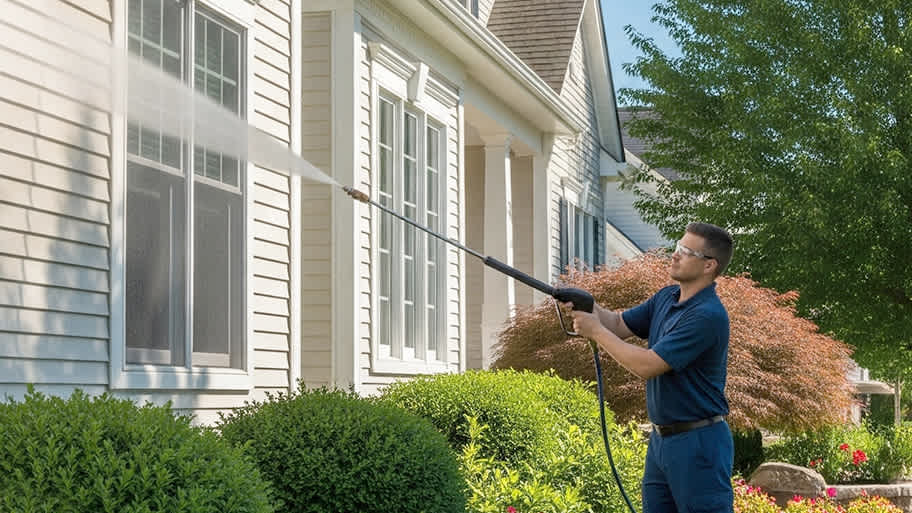
Need to breathe new life into your dirty siding and trim? Explore the cost to pressure wash a house to boost your curb appeal instantly.
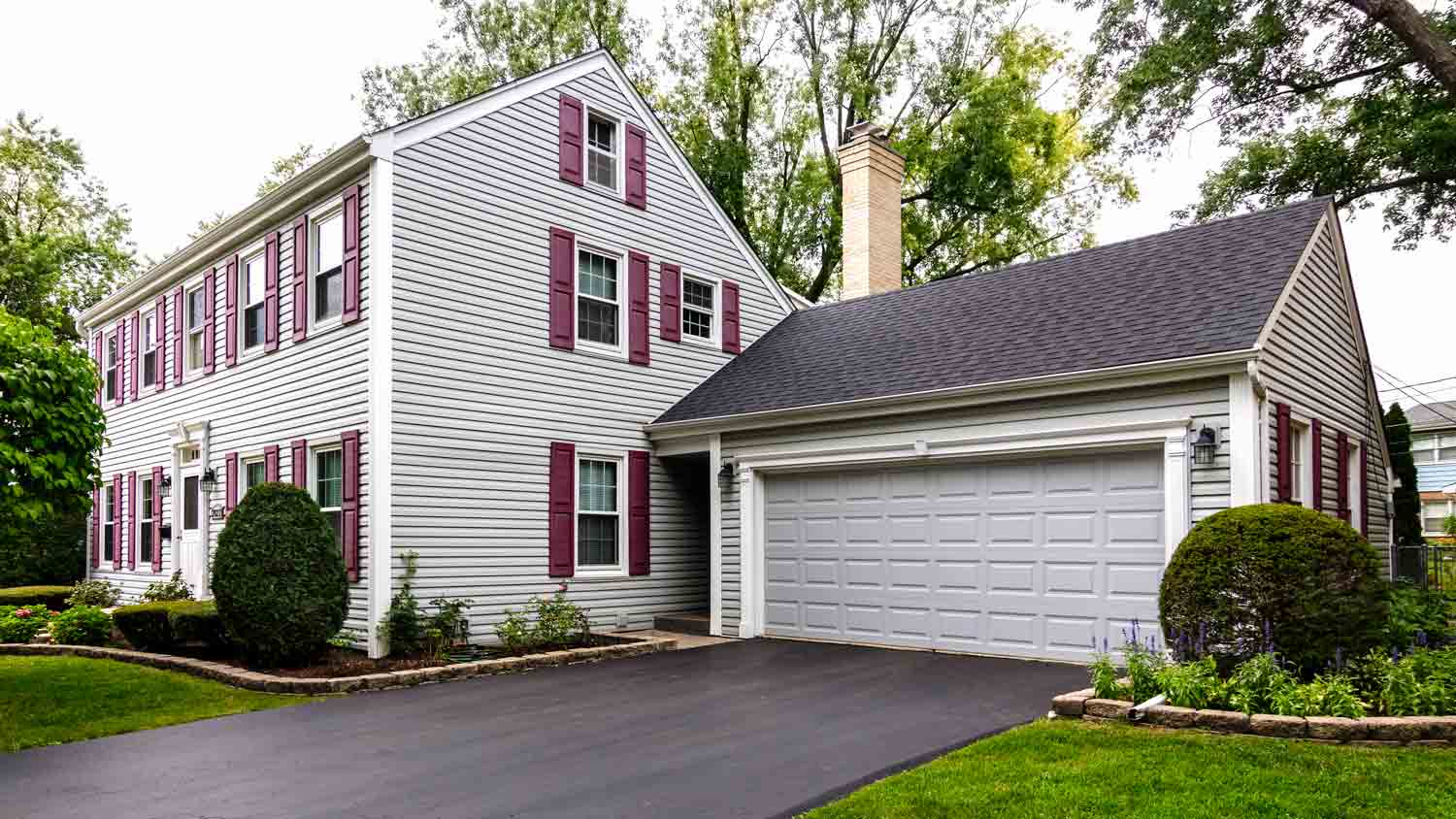
The cost to pressure wash driveways ranges from $100 to $350 on average, depending on the driveway size and material. See common cost factors in this guide.
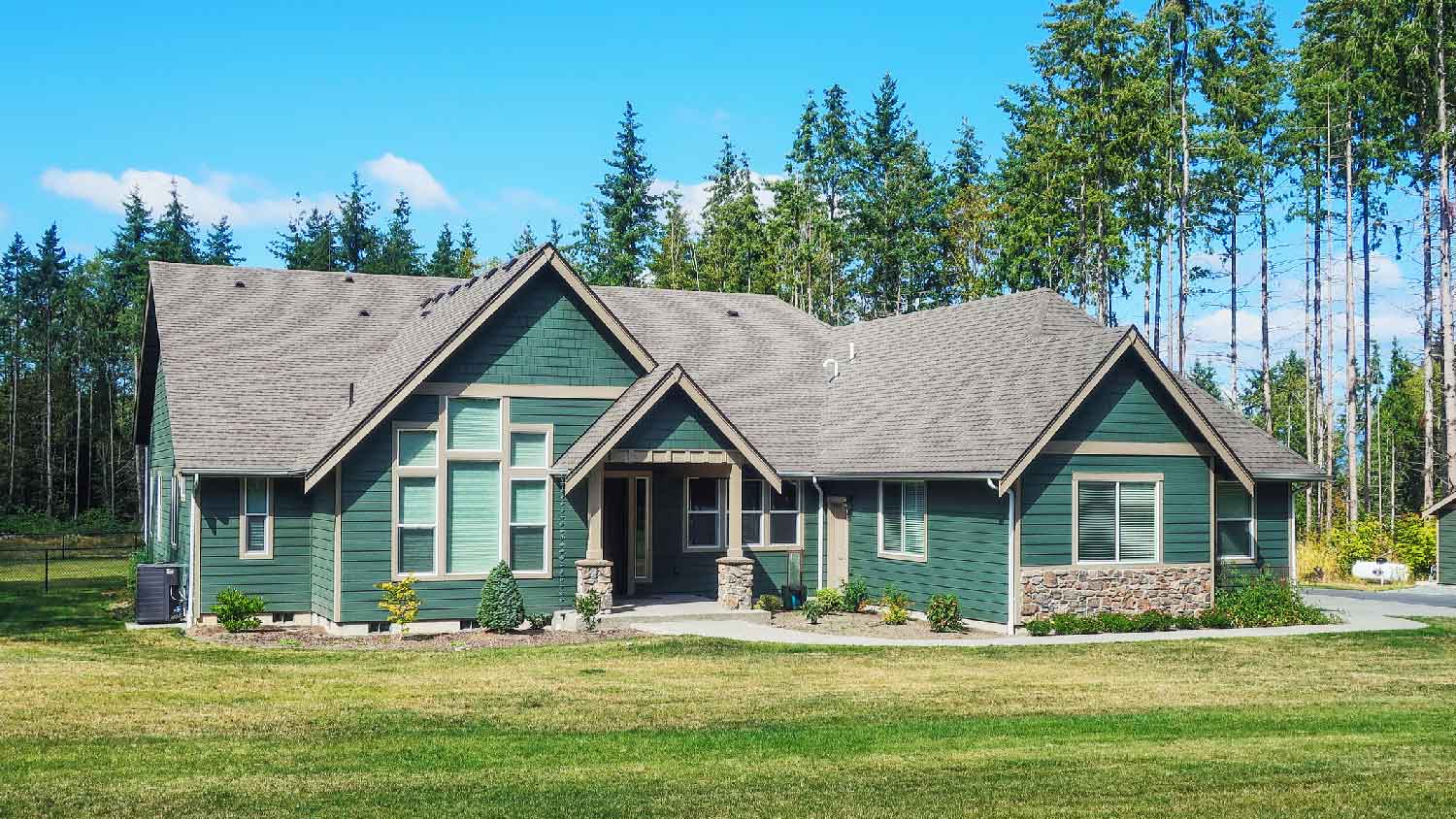
The best time to pressure wash a house is when the outdoor climate is just right. Learn when to wash certain surfaces and the factors to consider when planning.
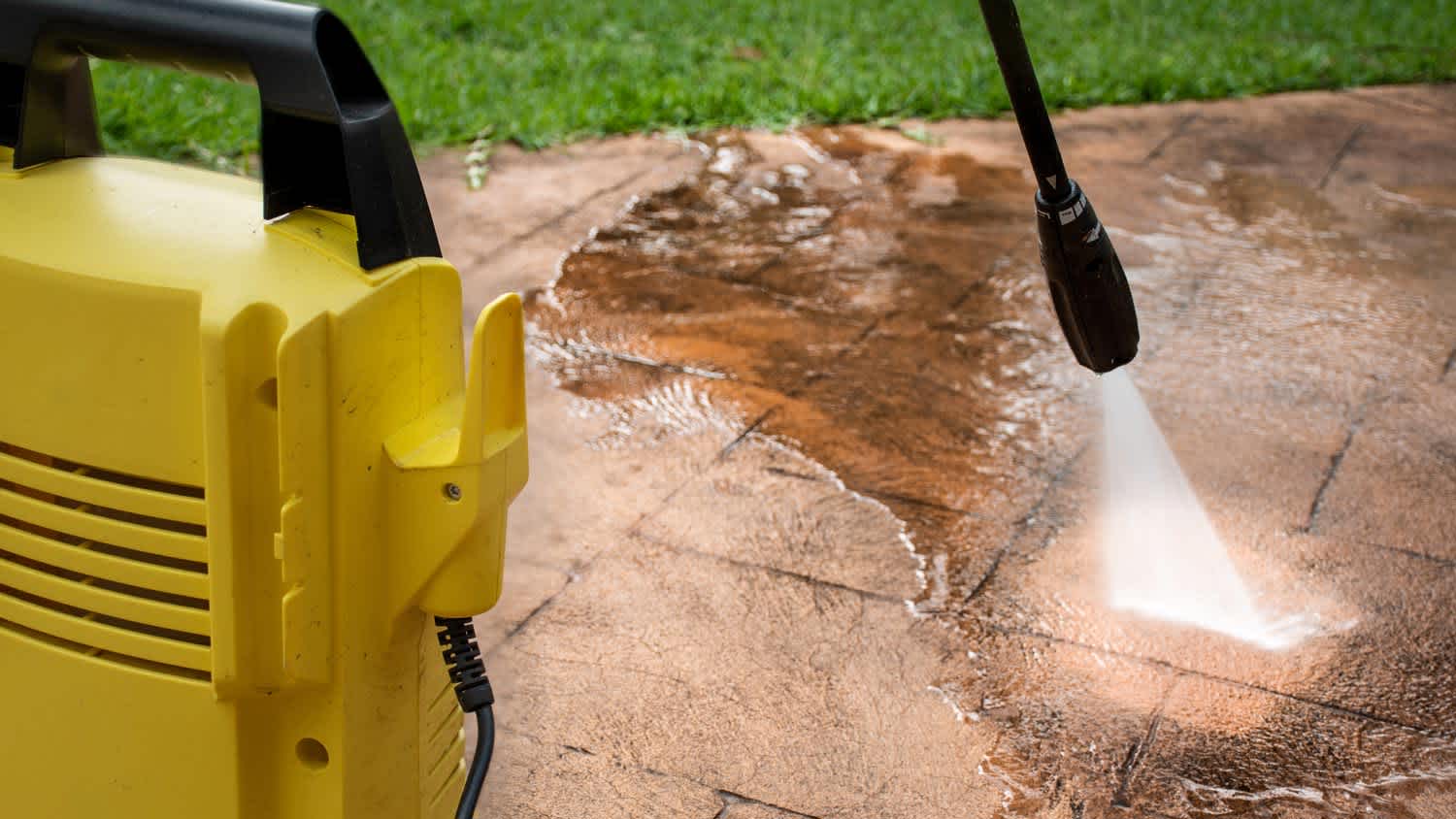
Some of the most powerful methods for staving off stains and damage to your patio, roof, and other areas include soft washing, pressure washing, and power washing. Read on to understand the crucial differences between them.
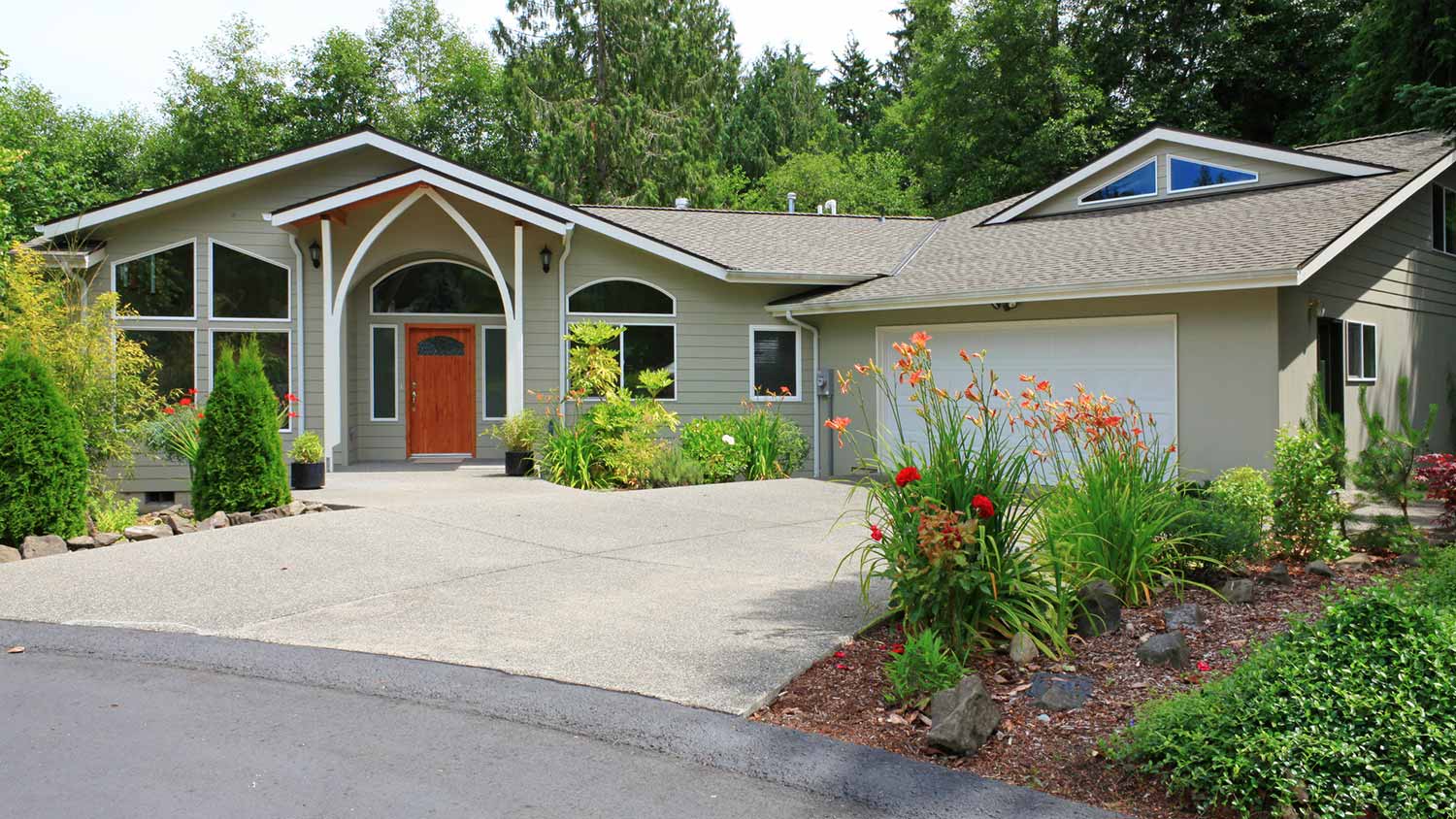
To keep your pressure washing running whenever you need it, make sure to follow this pressure washer maintenance checklist.