
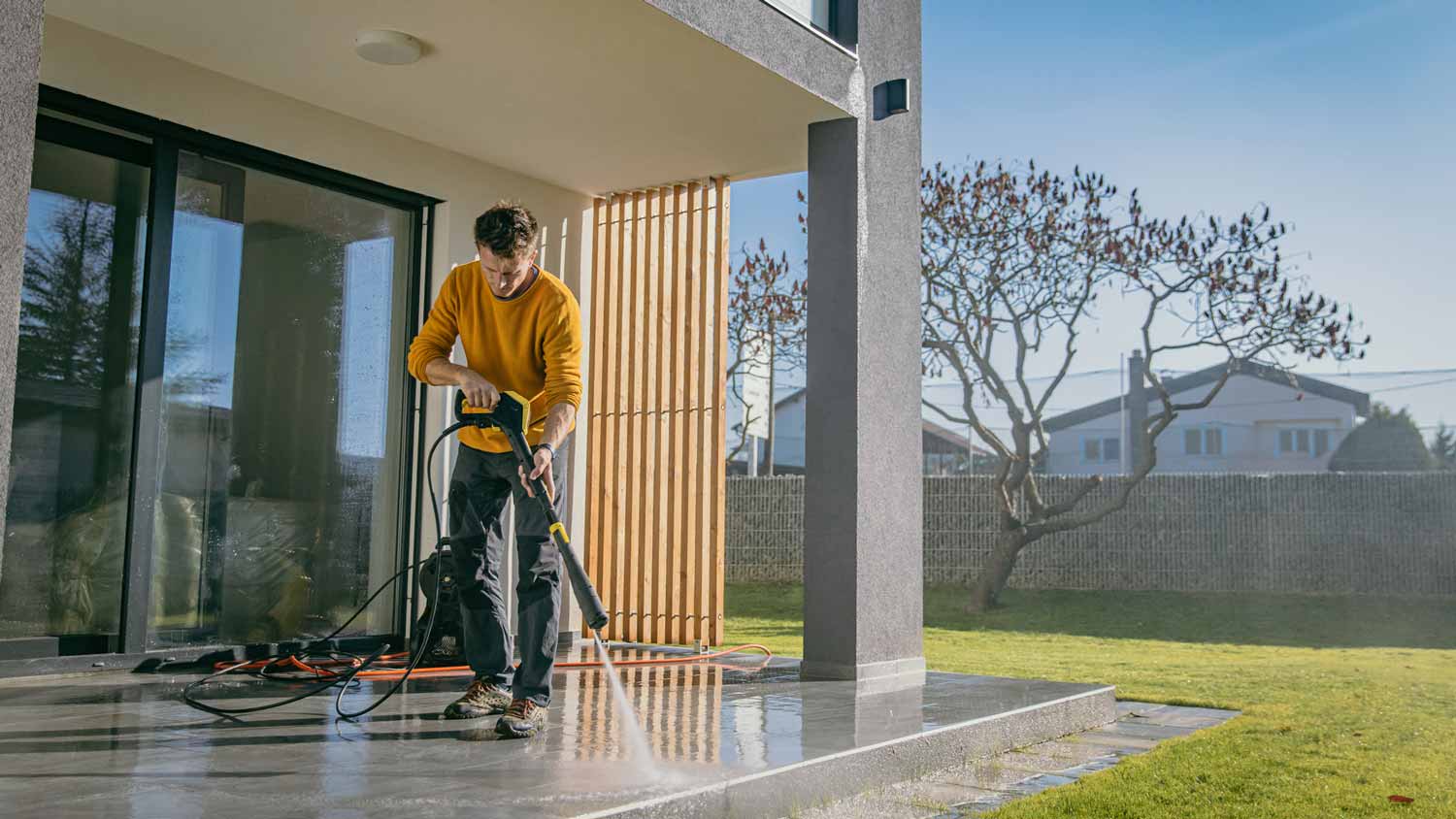
Pressure washers can help you keep your home looking great. Use this guide to learn how much it costs to rent a pressure washer based on factors like type and time.
Make it a low-pressure decision

Electric power washers provide 300 to 3,400 PSI and 1.2 to 2 GPM, while gas models deliver 2,700 to 5,000 PSI and 2.3 to 5.5 GPM for your toughest cleaning jobs.
Electric power washers cost $100 to $700, while gas models range from $300 to $1,000, so choosing the right type helps you stay within budget for your home.
Gas power washers last five to seven years with proper maintenance, while electric models last three to five years, so durability matters when you plan long-term use.
Hiring a local power washing professional provides reliable guidance on choosing the right washer for your projects and keeps your home's exterior looking its best.
Investing in a power washer allows you to easily clean many surfaces around your property, including patios, decks, windows, siding, and vehicles. Choosing a gas versus electric power washer comes down to the projects you want to accomplish, your budget, and the amount of maintenance you want to handle. Learn the differences between electric versus gas power washers and which one to buy for your cleaning needs.
Electric power washers are less expensive, easy to use and maintain, and offer solid cleaning power, enough for most residential cleaning jobs. Gas power washers provide superior cleaning power for heavy-duty jobs, but they cost more and are harder to maintain and use. Electric power washers are more environmentally friendly, but they don’t last as long as gas models.

An electric power washer runs on electricity and either has a cord that plugs into an outlet or uses a battery. Electric power washers provide 300 to 3,400 psi (pounds per square inch, a measure of pressure) and 1.2 to 2 GPM (gallons per minute, or flow rate), depending on the model. They’re quiet while operating, environmentally friendly, and easy to use and maintain. Electric power washers cost $100 to $700, and higher-powered models come in at the higher end.
| Pros | Cons |
|---|---|
| Easy to use and maintain | Has a cord and needs a nearby outlet (unless battery-operated) |
| Less expensive than gas models | Has a battery that needs to be charged (unless it has a power cord) |
| Environmentally friendly | Offers a lower psi and GPM than gas models |
| Quiet operation | Doesn’t last as long as gas models |
Best for:
Beginner to intermediate DIYers
Outdoor spaces with a nearby outlet
Environmentally conscious homeowners
Electric power washers are easy to use and simple to maintain. They can handle most residential pressure washing projects, including deep cleaning patios, driveways, porches, siding, vehicles, and more. They’re quiet, making power washing projects possible any time of day, and they can be used in some enclosed spaces, like a garage or three-season porch.
Electric models are environmentally friendly because they don’t burn gas or emit fumes. They also require very little maintenance: washing before storing for the season and lubricating the pump.
You’ll need an outdoor outlet close to your project area to run your washer outside. If you choose a battery-operated power washer, you’ll need to remember to charge the battery beforehand so that it lasts for the entire project. The psi and GPM are often lower than gas models, making them less than ideal for heavy-duty jobs like getting oil stains off of the driveway. While electric models are less expensive than gas ones, their life span is shorter.

A gas power washer runs on gasoline with a heavy-duty engine for tough cleaning jobs like stripping paint or removing an oil stain from a driveway. Gas power washers range from 2,700 to 5,000 PSI and 2.3 to 5.5 GPM. They are durable but require some maintenance and can be noisy.
While a little trickier to operate, gas power washers move with ease and don’t have any cords. Gas power washers cost $300 to $1,000 to purchase for residential models.
| Pros | Cons |
|---|---|
| Offers higher PSI and GPM to handle tough jobs | Louder than electric models |
| Durable and heavy-duty | Not as environmentally friendly |
| Mobile and easy to move around | Require some maintenance |
| Long life span | More expensive |
Best for:
Homeowners who tackle heavy-duty jobs
Intermediate to experienced DIYers
Professional contractors
Gas power washers can tackle tough jobs like cleaning stains off of a patio or spraying down boat hulls. They’re fully mobile and don’t have a power cord or a battery that you have to charge. Their durability helps them last longer than their electric counterparts by two to four years. Gas power washers are excellent for those who take on heavy-duty cleaning consistently.
A gas power washer isn’t as environmentally friendly because it burns gasoline and emits fumes. A gas model can also be loud when operating, reaching up to 100 decibels (equal to what you’d hear at a construction site).
Gas pressure washers can also be harder to start and require more maintenance than electric models, including oil changes, gas refills, and adding gas stabilizers for storage. Most homeowners don’t need a gas power washer for their projects, making it hard to justify the higher price tag.
When choosing a pressure washer, look at the type of projects each can handle, the cost, and the maintenance involved.
Gas power washers provide 2,700 to 5,000 psi and 2.3 to 5.5 GPM, making them a more powerful cleaner than electric models. Electric power washers provide 300 to 3,400 PSI and 1.2 to 2 GPM. Gas power washers can handle the job of getting tough stains out of sidewalks and driveways.
Electric power washers cost $100 to $700, but gas pressure washers range from $300 to $1,000 or more. However, because gas pressure washers last longer, you won’t need to pay for a replacement as often. If you don’t feel like you’ll use a power washer frequently enough to justify the cost, consider renting a power washer or hiring a local power washing company. The cost to rent a pressure washer ranges from $50 to $250 per day.
Electric power washers require little maintenance: cleaning the exterior, hose, and spray nozzles before storing it in a covered place. Gas pressure washers need a bit more maintenance beyond exterior cleaning, including oil changes, regular lubrication, and new spark plugs.
With their metal parts and hearty fuel engines, gas pressure washers are more durable than electric units, which are often made of lightweight plastic parts. Gas power washers last five to seven years when well-maintained, but electric power washers last three to five years. Keeping your power washer clean and winterizing it before cold weather hits extends your power washer’s life span, no matter the type.
Because electric power washers are quieter and don’t use gas or emit fumes, they are more environmentally friendly than gas units. You’ll still need to use electricity or charge the battery, though.
Electric power washers are easy to start, operate, and maintain. They’re great for most residential projects and DIYers. If you’re an avid handyperson or have tougher cleaning jobs, you’ll be able to get the hang of a gas power washer within a few uses.
I would recommend this company to anyone! He showed up on time, was friendly, completed a very difficult repair on our dryer vent cover, was responsive, and pricing was extremely fair and competitive. I would have him back to do any of our repairs or cleanings without hesitation!
 U.S.A. Dryer Vent, LLC
Best cleaning I've had at my property
The technician was very professional and friendly. He answered all my questions and was very thorough. He left the fireplace area very clean . He inspected from the roof and advised me as to other work that might need to be done. There was no pressure there. I was very satisfied with the...
 Supreme brick & chimney
Mary Cleaning Service is fantastic! The entire team is professional and pay a great deal of attention to detail. They do such a thorough job of cleaning my house. I would definitely recommend!
The workmanship is perfect, I did not have any complaint with that. It was the brick I chose not matching the brick that want I to use. There was a problem with discoloration of the brick. I thought that the rain was gonna wash it off but it didn't. I call them. All communication was coming...
 Bone Dry Roofing & Masonry - Cincinnati
I purchased the "Big Deal": $199.00 for exterior pressure-washing of one- or two-story home up to 2,000 square feet. They cleaned the siding only. I wasn't aware when I bought the Big Deal that they would not do any other surfaces other than the siding (i.e. sides of the gutters or stucco). I...
 Complete Home Services
From the initial sales presentation to the installers final clean up, this project was a total pleasure. Gary Coper, sales consultant, showed up exactly on time and provided an informative, no pressure description, of every material and step required to complete the remodel. We were always in...
 Simple Bath & Simple Kitchen
They were prompt, careful and thorough. I have also had them wash interior floor to ceiling windows which were perfect.
 Technicare Carpet Cleaning
The work went great! Couldn't ask for better. Joel set a work start date. About the time of the storms that may have been associated with Sandy. He was half a day late. They set up on a Thursday. On Friday they had a full crew at work. By Monday they were finishing up. Now, the best...
 NJW Construction
No hassle, no pressure, no mess left in my basement. ...and now I have a better understanding of our furnace.
 KNOW Heating
From average costs to expert advice, get all the answers you need to get your job done.
Pressure washers can help you keep your home looking great. Use this guide to learn how much it costs to rent a pressure washer based on factors like type and time.
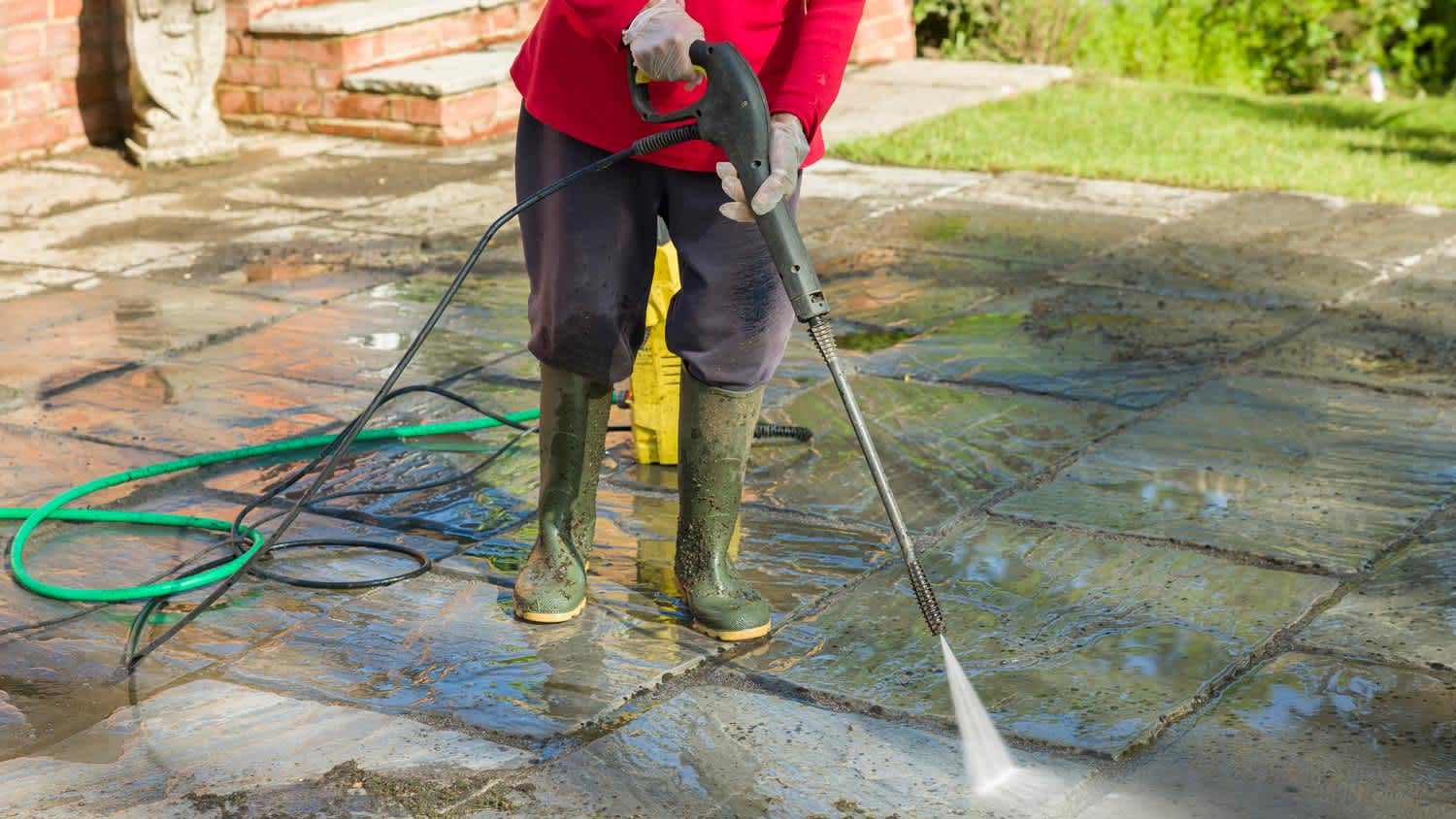
Investing in a pressure washer can make it easier to keep your house looking great. Use this pressure washer buying guide to learn all about how to choose the right pressure washer for your home.
To keep your pressure washing running whenever you need it, make sure to follow this pressure washer maintenance checklist.
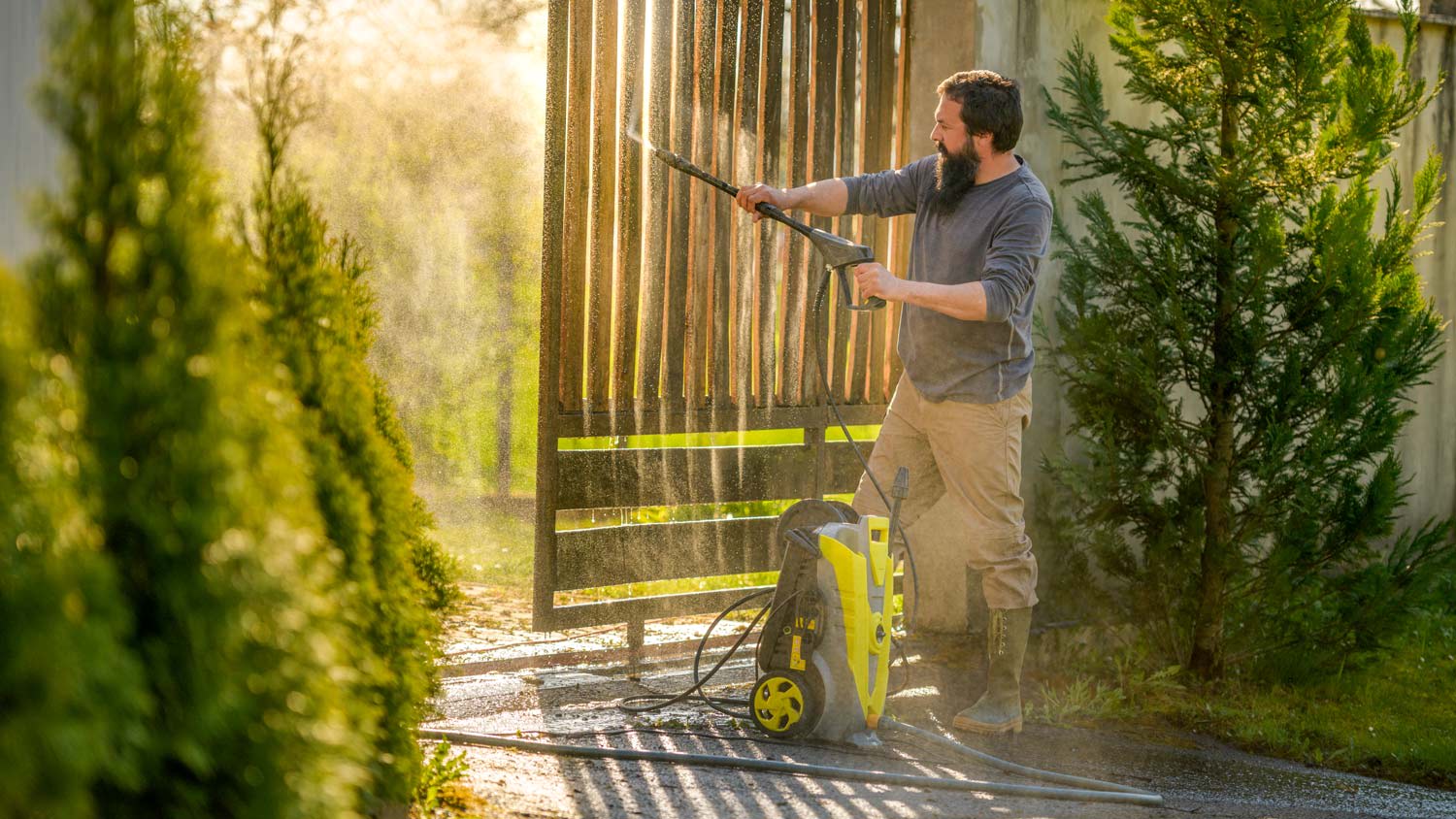
There are few things as satisfying as blasting built-up gunk off your home's surfaces, but sometimes pressure washing is a job best left to the pros.
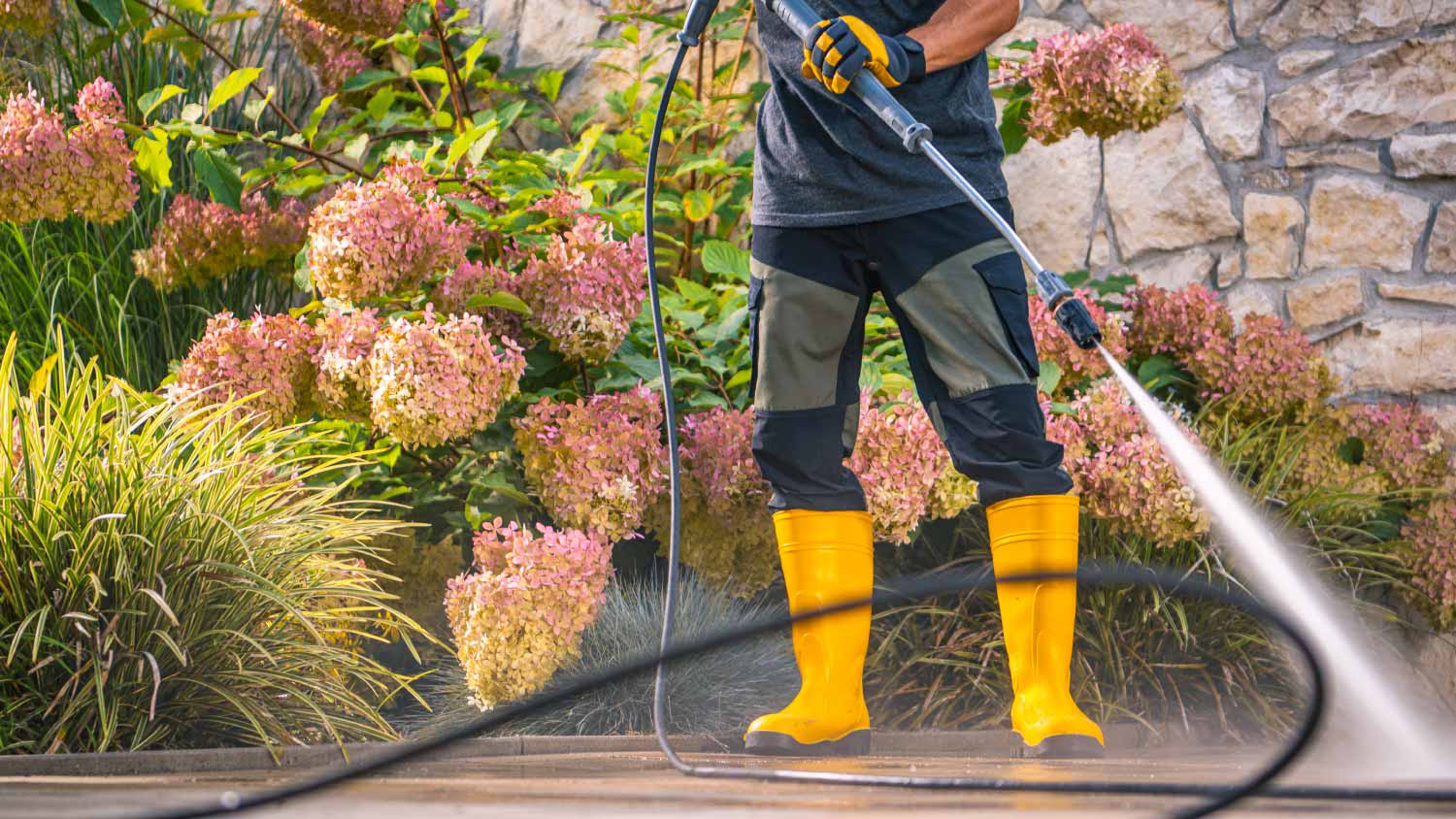
Power and pressure washing have different uses, but they’re both good for cleaning outdoor areas. Here’s when to use a power washer versus a pressure washer.
To avoid damaging your siding, outdoor furniture, or other vulnerable items outside, learn how to start a pressure washer safely with this guide.