
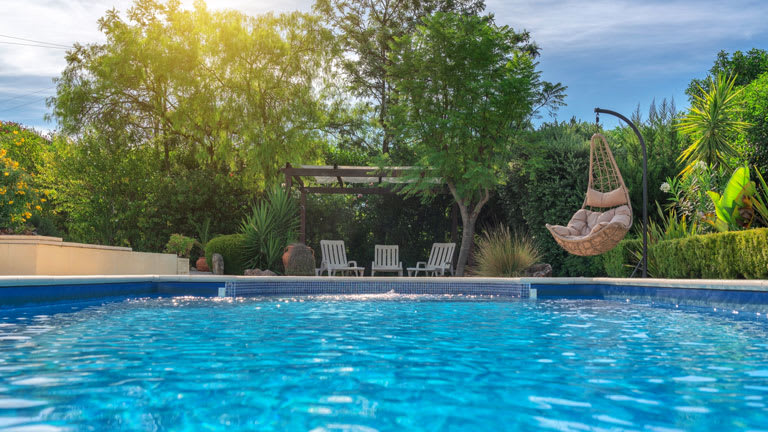
The cost to install a pool heater in St. Louis, MO, varies based on elements like type, pool size and more. Weigh different cost factors in this comprehensive guide.
Excavation costs depend on your project and location. Check with a local pro for your specific job.

Pool removal costs in St. Louis, MO, average $12.85 per square foot.
Your pool size impacts costs, with larger projects requiring more time, labor, and materials.
Draining your pool before removal can add $165 to your total.
Hiring a local pool removal company ensures safe removal and prepares the area for conversion into a usable lawn, garden, or entertainment space.
St. Louis, MO’s lower cost of living keeps pool removal costs competitive for local homeowners. The average pool removal cost in St. Louis, MO, is $5,706, with most projects running from $4,755 to $7,608. In this guide, we’ll explore how key factors such as your pool size, fill material, and labor rates affect your total cost.
Budgeting for pool removal? Below, we’ll explore how your pool size, type, and material impact your final costs in St. Louis, MO, as well as the types of demolition, draining, and emptying, and the choice of fill material.
The cost of removing or filling a swimming pool depends on the method. You can completely demolish the pool or partially break it up before filling it in.
| Demolition Type | Average Cost | Pros and Cons |
|---|---|---|
| Full | $3,805–$15,215 | Takes longer, increases property value more, and the area is backfilled and prepared for new construction |
| Partial | $2,380–$9,510 | Illegal in some regions, can decrease property value, leaves a part of the pool in the ground, not suitable for new buildings due to settling and drainage issues, and must disclose partial removal to buyers |
Like many projects, the bigger a pool, the more expensive pool removal tends to be. However, a smaller pool with a more complex design may be more expensive to demo than a larger pool with a simple shape and fewer features. Built-in steps or spas, waterfalls, and large decks and patios all add to removal costs.
For pool removal, expect to pay around $12.85 per square foot. The table below includes average costs based on pool dimensions:
| Dimensions (Feet) | Average Cost |
|---|---|
| 6x8 | $620 |
| 8x10 | $1,045 |
| 8x12 | $1,235 |
| 8x20 | $2,090 |
| 12x20 | $3,045 |
| 16x32 | $6,560 |
| 18x36 | $8,275 |
| 20x40 | $10,270 |
Whether your pool is located above the ground or in the ground also makes a big difference. Here’s why:
Aboveground pool: Much like the cost to install an aboveground pool, removing an aboveground pool is less expensive ($285 to $760) and faster (less than four hours) than removing an in-ground pool. Excavating base sand costs more, but you might get a discount if your metal pool frame is recyclable.
In-ground pool: Expect to pay $2,380 to $9,510 for a partial fill-in of an in-ground pool or $3,805 to $15,215 for a full removal. Removing an in-ground pool requires heavy machinery, backfill soil, and engineering expertise to make the land safe for reuse.
| Pool Type | Average Cost |
|---|---|
| Aboveground | $285–$760 |
| In-ground | $2,380–$15,215 |
In-ground pool removal costs are higher than aboveground pool removal costs. Here’s what to expect based on the size of your in-ground pool and whether you partially fill it in or fully remove it.
| In-Ground Pool Size (Feet) | Partial Fill-In (Average Cost) | Full Removal (Average Cost) |
|---|---|---|
| 10x20 | $1,900–$5,895 | $4,090–$10,270 |
| 12x24 | $1,995–$6,370 | $4,375–$11,030 |
| 14x28 | $2,185–$7,325 | $4,660–$12,270 |
| 15x30 | $2,380–$7,705 | $3,900–$12,745 |
| 18x36 | $2,665–$8,845 | $5,325–$14,360 |
| 20x40 | $2,855–$9,795 | $5,800–$15,595 |
| 30x50 | $3,900–$13,980 | $7,610–$21,400 |
Pool material is a major cost factor during removal. Materials like gunite and concrete require additional demolition and disposal steps, making the labor more expensive. Below are the most common pool materials and their removal costs.
| Material | Average Cost |
|---|---|
| Concrete | $2,855–$14,265 |
| Fiberglass | $4,755–$14,265 |
| Gunite | $2,855–$14,265 |
| Vinyl | $2,855–$9,510 |
Vinyl: Removing a vinyl-lined pool costs $2,855 to $9,510. Full removal is required because a partial fill-in won’t work in this scenario. Before demolition, an engineer needs to inspect the vinyl liner's backing and declare it safe for removal.
Fiberglass: Fiberglass pools cost $4,755 to $14,265 to remove. They require full removal since fiberglass pieces cannot be left in the ground, unlike concrete. However, the fiberglass shell may come out in one piece, making removal less expensive. If the shell comes out in sections, the removal cost increases.
Concrete: Concrete pools are the most expensive to remove in full, so they're typically partially removed for $2,855 to $14,265. In most cases, a pool removal contractor will break apart the concrete and combine it with dirt to fill the pool cavity.
Gunite: Gunite is a type of sprayable concrete. Removing a gunite pool also involves several steps, and the price range falls between $2,855 and $14,265.
Before the removal process, close your pool and drain the water. This takes about 24 hours and costs as much as $165, depending on the pool's size. You can save by draining the pool yourself with a small pump rental from a home improvement store for $40 to $65.
Check with a local pool removal company or your municipality for instructions on draining your pool in accordance with local regulations. Many municipalities allow drainage to the ground or street without permits. For areas requiring a permit, it’s best to leave the work to a pro to ensure you don’t violate local laws.
Whether you're doing a full or partial fill, the cost to fill in your pool will depend on the material you’re using. To ensure the fill area settles and has proper drainage, a structural engineer should oversee the filling process.
Gravel: This is the least expensive fill material at $4.75 to $7.60 per cubic yard. However, it doesn’t compact easily and can form sinkholes. It also isn’t good for support, so you won’t be able to build over it. Some homeowners use it as a base material to save on the cost of dirt.
Dirt: Dirt costs $7.60 to $11.40 per cubic yard. You can opt to fill your pool with dirt alone, but it’s often mixed with a gravel base. Leave space on top of the dirt fill for landscaping topsoil.
Concrete: This isn’t a common fill material due to its high cost. However, you can use broken-up concrete from a partial pool removal to help fill the space along with dirt.
Pool removal labor averages $950 to $2,855. Pool removal pros in St. Louis, MO, calculate labor rates based on the time required to complete the project, the job's complexity, and material costs. Expect labor costs to be higher for heavy materials, like concrete, and full demolition. Vinyl pool removal costs are on the lower end of the range.
Local building codes may require an engineer to oversee the pool removal and filling process. An engineer can ensure that your pool area has proper drainage, won't sink or swell, and will be buildable after pool removal. The cost to hire a structural engineer is $95 to $190 per hour.
After removing their pool, many homeowners hire a landscaper to regrade and replant the space. St. Louis, MO, landscapers charge $40 to $60 per hour or flat-rate fees of $140 to $225 for smaller jobs.
Pool removal can offer a 30% to 50% return on investment (ROI) for St. Louis, MO, homeowners. The city’s short swim season means many buyers view an aging or damaged pool as a high-maintenance burden. Replacing your pool with a low-maintenance yard, garden, or entertainment area can boost curb appeal and help your home stand out in the resale market.
To help homeowners plan their next project, Angi provides readers with carefully researched cost data and upholds strict editorial standards. We start with national average project costs, which we collect by analyzing competitor information, retailer material costs, and input from professional contractors. We then apply local price index data to calculate location-specific estimates that reflect what homeowners typically pay in their local area. To do that, we use data from the U.S. Bureau of Economic Analysis (BEA), including its Regional Price Parities (RPPs), which measure price differences across cities. This helps us account for differences in labor, materials, and overall cost of living, so estimates in higher- or lower-cost areas better reflect real-world local pricing.
Every estimate undergoes a thorough editorial review to verify accuracy, consistency, and alignment with observed market conditions.
Want to help us improve our cost data? Send us a recent project quote to [email protected]. Quotes and personal information will not be shared publicly.
Quick service in taking down a backyard tree. The work was done without taking down utility lines. All tree remnants were removed. Still waiting for stump grinding, but expect it will be done soon.
 Follmer Property Maintenance LLC
Al did a great job on our tub to shower conversion. Recommended by friends, he worked with RSI and Hoffman Plumbing to prepare an estimate, was very thorough and conscious of our budget. Working in tight space of our 4th floor condo, Bobby managed the demolition and disposal with minimal...
I recently hired them to remove a large amount of construction debris and junk from a renovation project and I couldn’t be more impressed. From the initial phone call to the final haul, their team was professional, punctual, and incredibly efficient. They showed up on time with all the...
 Up and Out Junk Removal
I was impressed by Riversideâ s plan to power wash, prep, caulk, primer, and apply the finishing coat. Very thorough and professional.
 Riverside Painters
Iâ  ve been in construction all my working career, from small residential projects to very large commercial and industrial projects. I know good service and recognize expertise. Joint Sealing Solutions sealed our exposed aggregate driveway and caulked the expansions joints beautifully....
 Joint Sealing Solutions, LLC
Owner was very customer oriented and performed the job in a timely fashion. Although we had refurbished railings rather than having Seven 13 Portable Welding make the railings, they were willing to do the job. Very friendly and professional.
Excellent job removing my carport and hauling away the remains - they even saved some of the original siding so I can use it in my upcoming project.
 K & E Mold and Demolition
After recently buying an older city house, we found a small amount of what was very likely to be deteriorating asbestos in our basement. I called Environmental Services and they sent someone out to have a look within a few days, and quickly assessed the problem. It was a small project, so...
 Environmental Resources of Missouri, Inc.
I used Allen Construction and tree service for tree trimming and removal. They did very good work at a fair price. I would hire them again
 Allan Construction & Tree Service, LLC
Aries was one of two companies that replied to my request for bid. The other quoted my service call rates so I don't think they understood or read what work I was needing done. Aries followed after a couple of days after I did not respond to their email. When I called to get a quote, they...
 Aries Plumbing Inc
From average costs to expert advice, get all the answers you need to get your job done.
The cost to install a pool heater in St. Louis, MO, varies based on elements like type, pool size and more. Weigh different cost factors in this comprehensive guide.

Need to know what pool resurfacing costs in St Louis, MO? Use this handy guide to get an accurate estimate for your project and see what factors can affect your total.
Pool liner replacement costs in St. Louis are well below the national average, but what’s the total? See what factors will affect your pricing in the area.
Semi-inground pools offer a balance of convenience and affordability. Use this guide to estimate semi-inground pool costs in St. Louis, MO.
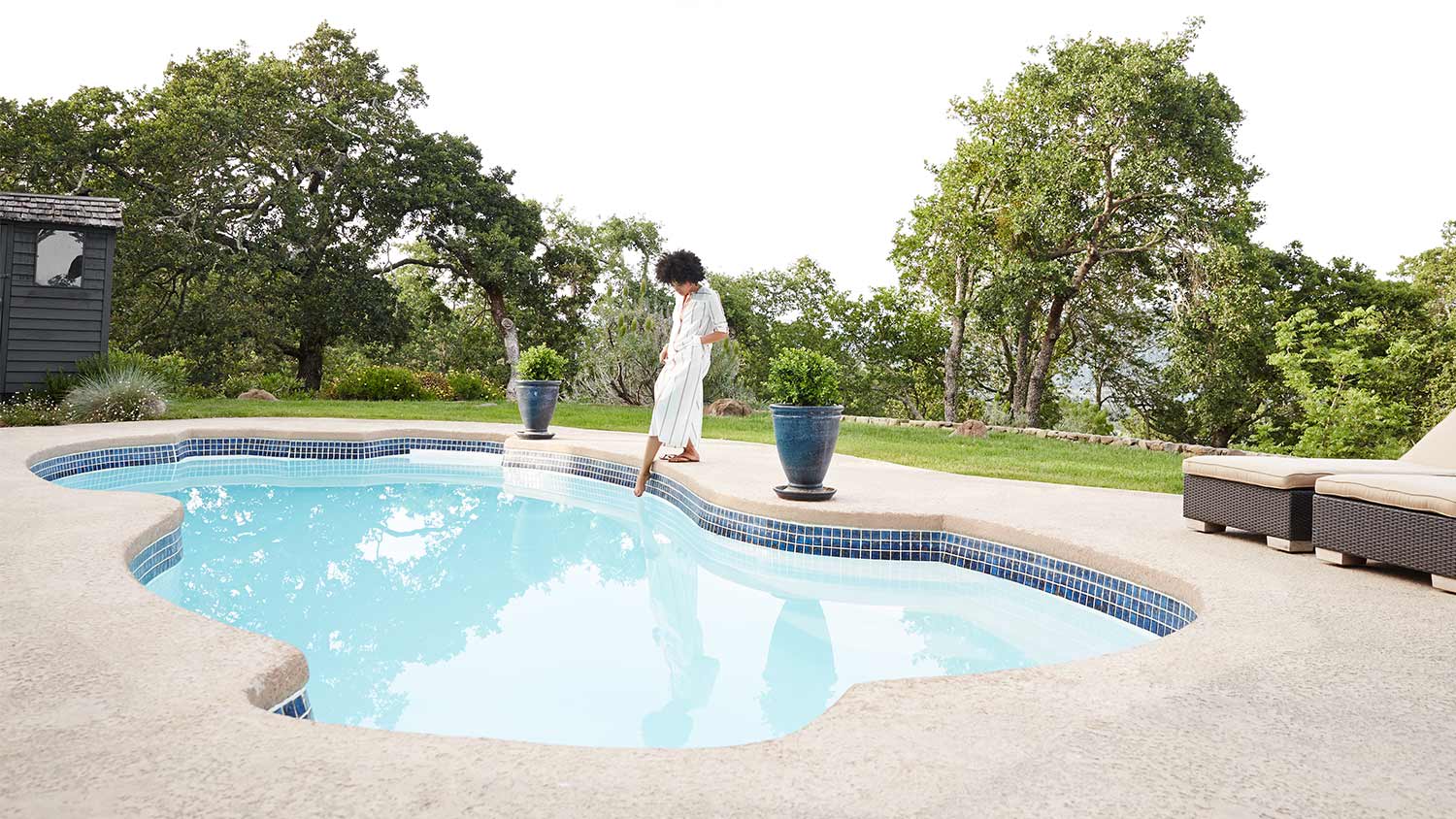
Discover how much pool maintenance costs in St. Louis, MO, including average prices, cost factors, and expert tips to help you budget and keep your pool sparkling all season.
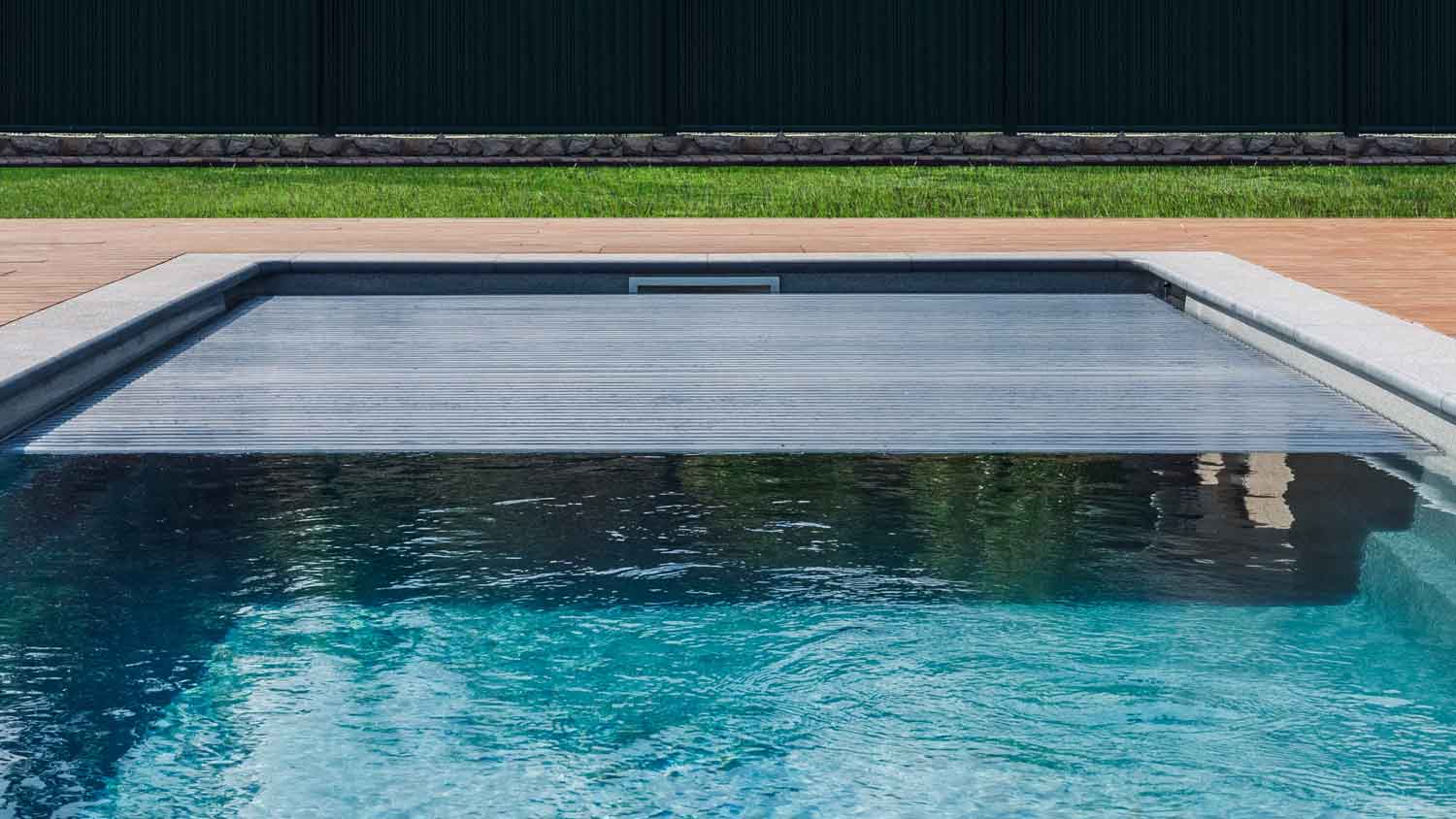
Find out the average pool cover cost in St. Louis, MO. Learn what you can expect to pay for local pool cover installation and protect your swimming pool.