

Discover how much pool maintenance costs in Chicago, IL, including average prices, cost factors, and expert tips to help you budget and keep your pool sparkling all season.
Excavation costs depend on your project and location. Check with a local pro for your specific job.

Full pool removal averages $4,150 to $16,600 in Chicago, IL.
Your pool size impacts your costs, with larger pools requiring more materials and labor to remove.
Emptying your pool can add $180 to your total.
Hiring a local pool removal company ensures safe removal and turns your yard into usable space, helping your home attract more buyers.
Higher labor and material costs drive pool removal costs above the national average for homeowners in Chicago, IL. Most pool removal costs in Chicago, IL, range from $5,180 to $8,288, with an average of $6,216. In this guide, we’ll explore how factors such as your pool size, fill options, and local labor rates affect your total cost so you can budget accordingly.
Removing a pool in Chicago, IL? The demolition type and your pool size, type, and material will have the largest impact on your total. Draining, emptying, and fill material will also affect your final costs.
The cost of removing or filling a swimming pool depends on the method. You can completely demolish the pool or partially break it up before filling it in.
| Demolition Type | Average Cost | Pros and Cons |
|---|---|---|
| Full | $4,150–$16,600 | Takes longer, increases property value more, and the area is backfilled and prepared for new construction |
| Partial | $2,600–$10,350 | Illegal in some regions, can decrease property value, leaves a part of the pool in the ground, not suitable for new buildings due to settling and drainage issues, and must disclose partial removal to buyers |
Like many projects, the bigger a pool, the more expensive pool removal tends to be. However, a smaller pool with a more complex design may be more expensive to demo than a larger pool with a simple shape and fewer features. Built-in steps or spas, waterfalls, and large decks and patios all add to removal costs.
For pool removal, expect to pay around $14 per square foot. The table below includes average costs based on pool dimensions:
| Dimensions (Feet) | Average Cost |
|---|---|
| 6x8 | $670 |
| 8x10 | $1,150 |
| 8x12 | $1,350 |
| 8x20 | $2,275 |
| 12x20 | $3,300 |
| 16x32 | $7,150 |
| 18x36 | $9,000 |
| 20x40 | $11,200 |
Whether your pool is located above the ground or in the ground also makes a big difference. Here’s why:
Aboveground pool: Much like the cost to install an aboveground pool, removing an aboveground pool is less expensive ($310 to $830) and faster (less than four hours) than removing an in-ground pool. Excavating base sand costs more, but you might get a discount if your metal pool frame is recyclable.
In-ground pool: Expect to pay $2,600 to $10,350 for a partial fill-in of an in-ground pool or $4,150 to $16,600 for a full removal. Removing an in-ground pool requires heavy machinery, backfill soil, and engineering expertise to make the land safe for reuse.
| Pool Type | Average Cost |
|---|---|
| Aboveground | $310–$830 |
| In-ground | $2,600–$16,600 |
In-ground pool removal costs are higher than aboveground pool removal costs. Here’s what to expect based on the size of your in-ground pool and whether you partially fill it in or fully remove it.
| In-Ground Pool Size (Feet) | Partial Fill-In (Average Cost) | Full Removal (Average Cost) |
|---|---|---|
| 10x20 | $2,050–$6,400 | $4,450–$11,200 |
| 12x24 | $2,200–$6,950 | $4,750–$12,000 |
| 14x28 | $2,400–$8,000 | $5,100–$13,350 |
| 15x30 | $2,600–$8,400 | $4,250–$13,900 |
| 18x36 | $2,900–$9,650 | $5,800–$15,650 |
| 20x40 | $3,100–$10,650 | $6,300–$17,000 |
| 30x50 | $4,250–$15,250 | $8,300–$23,300 |
Pool material is a major cost factor during removal. Materials like gunite and concrete require additional demolition and disposal steps, making the labor more expensive. Below are the most common pool materials and their removal costs.
| Material | Average Cost |
|---|---|
| Concrete | $3,100–$15,550 |
| Fiberglass | $5,200–$15,550 |
| Gunite | $3,100–$15,550 |
| Vinyl | $3,100–$10,350 |
Vinyl: Removing a vinyl-lined pool costs $3,100 to $10,350. Full removal is required because a partial fill-in won’t work in this scenario. Before demolition, an engineer needs to inspect the vinyl liner's backing and declare it safe for removal.
Fiberglass: Fiberglass pools cost $5,200 to $15,550 to remove. They require full removal since fiberglass pieces cannot be left in the ground, unlike concrete. However, the fiberglass shell may come out in one piece, making removal less expensive. If the shell comes out in sections, the removal cost increases.
Concrete: Concrete pools are the most expensive to remove in full, so they're typically partially removed for $3,100 to $15,550. In most cases, a pool removal contractor will break apart the concrete and combine it with dirt to fill the pool cavity.
Gunite: Gunite is a type of sprayable concrete. Removing a gunite pool also involves several steps, and the price range falls between $3,100 and $15,550.
Before the removal process, close your pool and drain the water. This takes about 24 hours and costs as much as $180, depending on the pool's size. You can save by draining the pool yourself with a small pump rental from a home improvement store for $40 to $75.
Check with a local pool removal company or your municipality for instructions on draining your pool in accordance with local regulations. Many municipalities allow drainage to the ground or street without permits. For areas requiring a permit, it’s best to leave the work to a pro to ensure you don’t violate local laws.
Whether you're doing a full or partial fill, the cost to fill in your pool will depend on the material you’re using. To ensure the fill area settles and has proper drainage, a structural engineer should oversee the filling process.
Gravel: This is the least expensive fill material at $5.25 to $8.25 per cubic yard. However, it doesn’t compact easily and can form sinkholes. It also isn’t good for support, so you won’t be able to build over it. Some homeowners use it as a base material to save on the cost of dirt.
Dirt: Dirt costs $8. 25 to $12.50 per cubic yard. You can opt to fill your pool with dirt alone, but it’s often mixed with a gravel base. Leave space on top of the dirt fill for landscaping topsoil.
Concrete: This isn’t a common fill material due to its high cost. However, you can use broken-up concrete from a partial pool removal to help fill the space along with dirt.
Pool removal labor averages $1,050 to $3,100. Chicago, IL, pool removal pros calculate labor rates based on the time required to complete the project, the job's complexity, and material costs. Expect labor costs to be higher for heavy materials, like concrete, and full demolition. Vinyl pool removal costs are on the lower end of the range.
Local building codes may require an engineer to oversee the pool removal and filling process. An engineer can ensure that your pool area has proper drainage, won't sink or swell, and will be buildable after pool removal. The cost to hire a structural engineer is $105 to $205 per hour.
Once your pool is removed, you might consider hiring a landscaper to turn the space into a lawn or garden. Chicago, IL, landscapers charge $40 to $70 per hour, or $0.02 to $0.11 per square foot for size-based projects.
Removing a pool can offer a 30% to 50% return on investment (ROI) for homeowners in Chicago, IL. The city’s short swim season and harsh winters can make an aging or outdated pool a costly feature to maintain. Removing your pool and converting it into a usable yard or garden can help your home appeal to a wider range of buyers and create a more functional outdoor space.
To help homeowners plan their next project, Angi provides readers with carefully researched cost data and upholds strict editorial standards. We start with national average project costs, which we collect by analyzing competitor information, retailer material costs, and input from professional contractors. We then apply local price index data to calculate location-specific estimates that reflect what homeowners typically pay in their local area. To do that, we use data from the U.S. Bureau of Economic Analysis (BEA), including its Regional Price Parities (RPPs), which measure price differences across cities. This helps us account for differences in labor, materials, and overall cost of living, so estimates in higher- or lower-cost areas better reflect real-world local pricing.
Every estimate undergoes a thorough editorial review to verify accuracy, consistency, and alignment with observed market conditions.
Want to help us improve our cost data? Send us a recent project quote to [email protected]. Quotes and personal information will not be shared publicly.
For our kitchen remodeling project in Los Gatos, we chose R B Master Construction Inc. They corrected unexpected plumbing behind the cabinets, and the project covered 320 sq. ft. kitchen remodel. The kitchen was completed within the expected timeline, and throughout the process the crew...
 R&B MASTER CONSTRUCTION INC
Converting our garage into an office required us to install roof systems that could handle extreme seasonal shifts. We interviewed contractors but this team stood out for their technical knowledge of drainage and insulation. During the prep phase they discovered rotted fascia boards....
 Chicago Flat Roofing Contractors
We ended up having to completely gut the first floor after extensive damage from another contractor. They were the first people to understand and support my desire to both repair the house and preserve some of its original charm. I cannot believe the amount of work they were able to get done....
 New Color Cabinets LLC
Being a General contractor it is so important you hire the right subcontractors. And there’s nothing better than hearing from your customer that they love the work that was performed and that was done by Chris., his attention to detail and refinishing my clients cabinets were nothing short of...
 Vertex
Hired this company to clean up a construction site. They were 10 minutes early, which is great also very respectable. I gave directions on what needed to be cleaned and dumped after that. I left for a meeting. Mr. Anthony advised me they should be done within four hours. I returned within...
We hired Paul to rebuild our rooftop deck that was falling apart. The team demoed the old structure, replaced damaged joists, and built a new deck with composite boards. The finish is beautiful, and they even stained the privacy wall to match. Great attention to detail and super easy to work...
 Olive Stone Contracting Solutions LLC
We Care Cleaning was very easy to book and did a great job deep cleaning our apartment for move out. The service was affordable and took less than 2 hours. She sent photos when they were done so we could see the results while out of town. Highly recommend their services!
 We Care Cleaning
In a world of instant service and hi internet concentration it was extremely gratifying to find a professional craftsman that are excellent at what they do.I highly recommend NextLevel construction for a totally satisfying experience.
 Next Level Construction, Inc.
We needed some branches overhanging our roof and porch trimmed. Darryl and his crew did an excellent job, with timely arrival, completion, and cleanup. The communication was also good, and the price was fair and very reasonable. I recommend them highly.
Our cedar siding needed repairs, and Glenn's team did a fantastic job restoring it to its original beauty. Highly recommend their services.
 Vanguard Building Inc
From average costs to expert advice, get all the answers you need to get your job done.
Discover how much pool maintenance costs in Chicago, IL, including average prices, cost factors, and expert tips to help you budget and keep your pool sparkling all season.
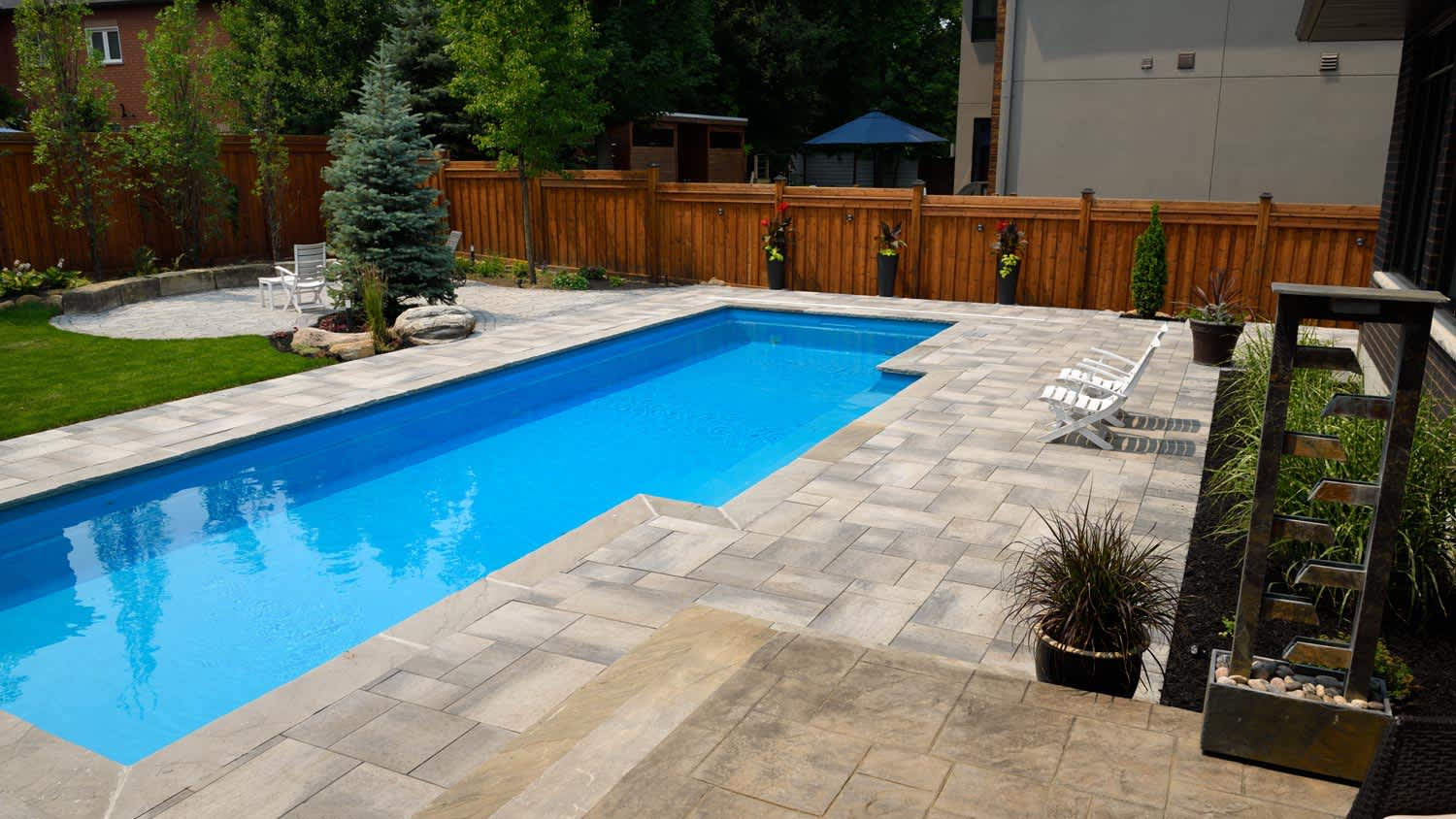
Thinking about putting in a fiberglass pool? Use this guide to learn about fiberglass pool costs in Chicago, IL.

Need to know what pool resurfacing costs in Chicago, IL? Use this handy guide to get an accurate estimate for your project and see what factors can affect your total.
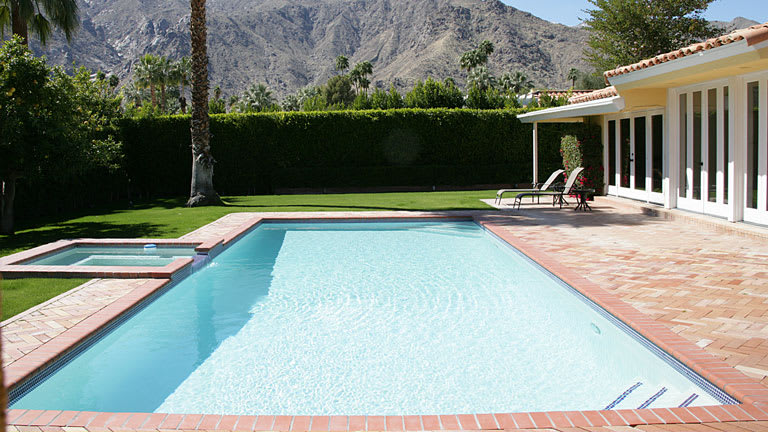
Find out the average swimming pool repair cost in Chicago, IL. Learn what you can expect to pay for local pool fixes and get your backyard ready for summer.

A pool remodel can transform your pool from drab to fab. Find out the average pool remodel costs in Chicago and plan your next project.
Find out the average swimming pool repair cost in Chicago, IL. Learn what you can expect to pay for local pool repair services to fix leaks and pumps.