
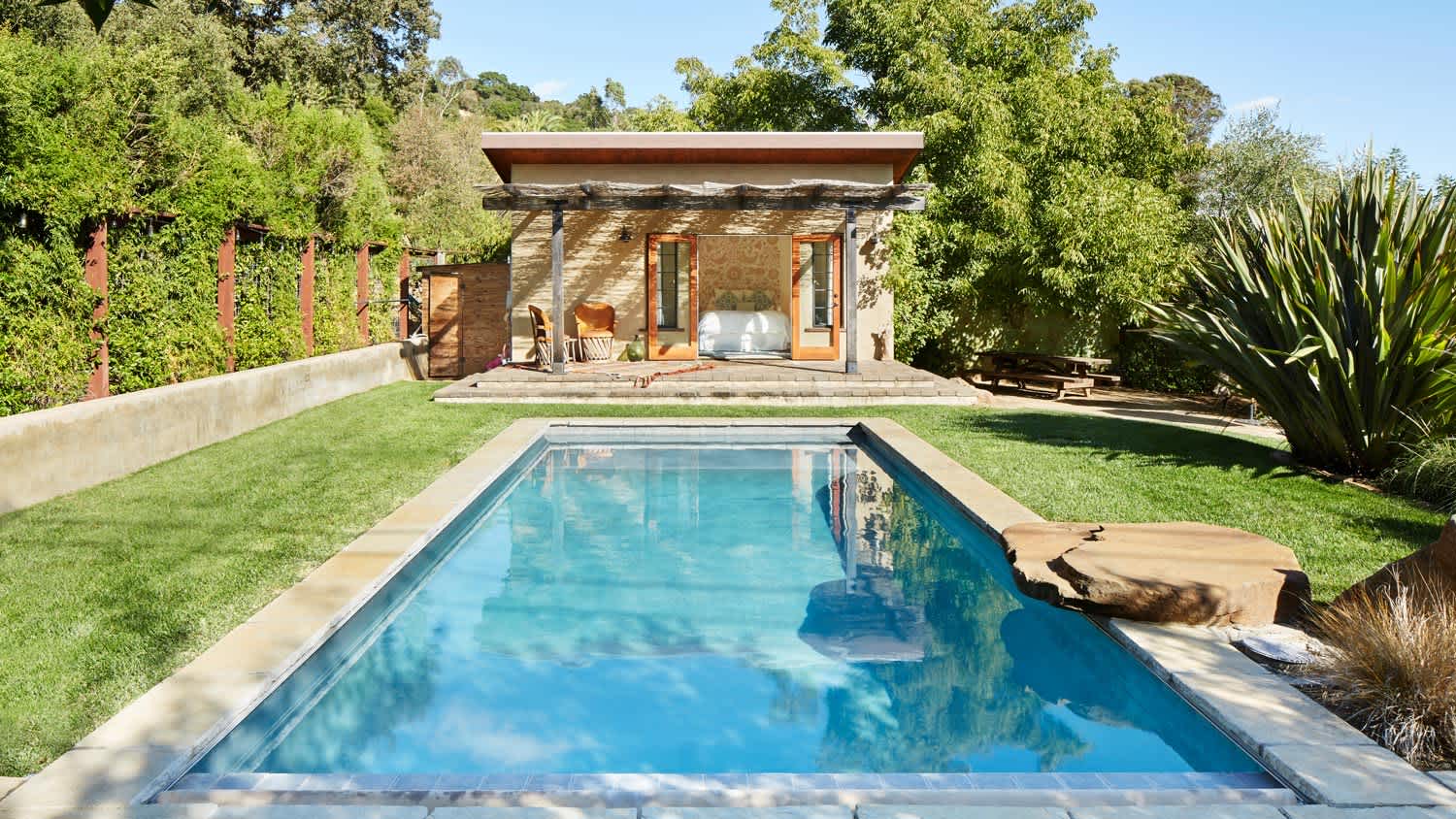
The cost to install a pool heater in Los Angeles, CA, varies by type, pool size, and other factors. Weigh different cost factors in this comprehensive guide.
Excavation costs depend on your project and location. Check with a local pro for your specific job.

Full pool removal averages $4,550 to $18,200 in Los Angeles, CA.
Your pool size and type impact costs, with in-ground pools costing significantly more to remove than above-ground pools.
Hiring a structural engineer can add $115 to $225 per hour to your total.
Having your pool removed by a local pool removal pro ensures a safe, code-compliant project that improves your curb appeal and resale value.
Los Angeles, CA’s higher cost of living drives pool removal costs significantly above the national average. The average pool removal cost in Los Angeles, CA, is $6,816, with most projects falling between $5,680 and $9,088. In this guide, we’ll walk you through how key factors like your pool size, demolition type, and local labor rates impact your total so you can budget accordingly.
When budgeting for pool removal in Los Angeles, CA, you’ll need to factor in your pool size, type, and material. The demolition type, draining and emptying costs, and fill material will also impact your total.
The cost of removing or filling a swimming pool depends on the method. You can completely demolish the pool or partially break it up before filling it in.
| Demolition Type | Average Cost | Pros and Cons |
|---|---|---|
| Full | $4,550–$18,200 | Takes longer, increases property value more, and the area is backfilled and prepared for new construction |
| Partial | $2,850–$11,350 | Illegal in some regions, can decrease property value, leaves a part of the pool in the ground, not suitable for new buildings due to settling and drainage issues, and must disclose partial removal to buyers |
Like many projects, the bigger a pool, the more expensive pool removal tends to be. However, a smaller pool with a more complex design may be more expensive to demo than a larger pool with a simple shape and fewer features. Built-in steps or spas, waterfalls, and large decks and patios all add to removal costs.
For pool removal, expect to pay around $15.35 per square foot. The table below includes average costs based on pool dimensions:
| Dimensions (Feet) | Average Cost |
|---|---|
| 6x8 | $740 |
| 8x10 | $1,250 |
| 8x12 | $1,475 |
| 8x20 | $2,500 |
| 12x20 | $3,650 |
| 16x32 | $7,850 |
| 18x36 | $9,900 |
| 20x40 | $12,250 |
Whether your pool is located above the ground or in the ground also makes a big difference. Here’s why:
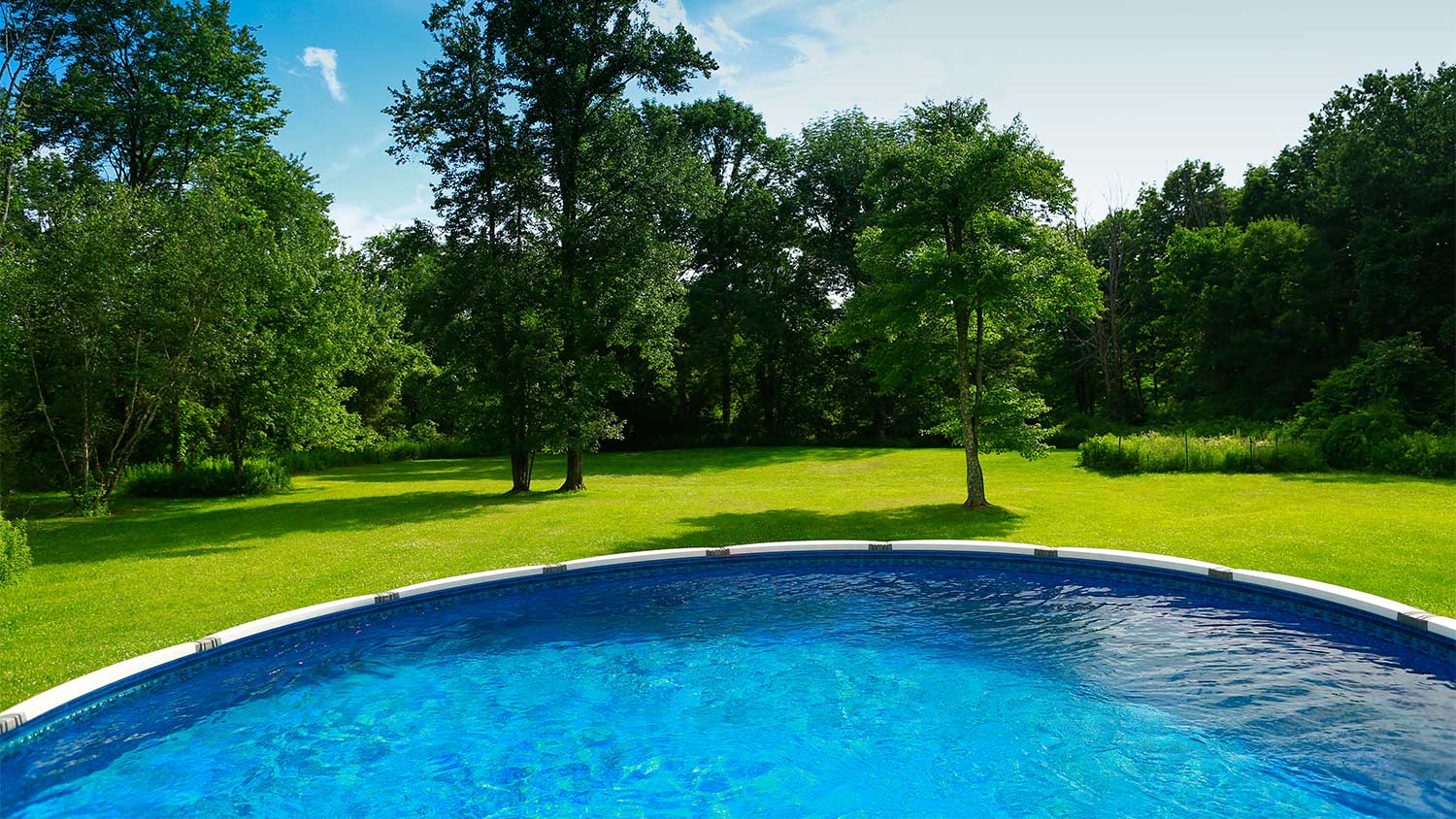
Aboveground pool: Much like the cost to install an aboveground pool, removing an aboveground pool is less expensive ($340 to $910) and faster (less than four hours) than removing an in-ground pool. Excavating base sand costs more, but you might get a discount if your metal pool frame is recyclable.
In-ground pool: Expect to pay $2,850 to $11,350 for a partial fill-in of an in-ground pool or $4,550 to $18,200 for a full removal. Removing an in-ground pool requires heavy machinery, backfill soil, and engineering expertise to make the land safe for reuse.
| Pool Type | Average Cost |
|---|---|
| Aboveground | $340–$910 |
| In-ground | $2,850–$18,200 |
In-ground pool removal costs are higher than aboveground pool removal costs. Here’s what to expect based on the size of your in-ground pool and whether you partially fill it in or fully remove it.
| In-Ground Pool Size (Feet) | Partial Fill-In (Average Cost) | Full Removal (Average Cost) |
|---|---|---|
| 10x20 | $2,250–$7,050 | $4,900–$12,250 |
| 12x24 | $2,400–$7,600 | $5,250–$13,200 |
| 14x28 | $2,600–$8,750 | $5,550–$14,650 |
| 15x30 | $2,850–$9,200 | $4,650–$15,200 |
| 18x36 | $3,200–$10,550 | $6,350–$17,150 |
| 20x40 | $3,400–$11,700 | $6,950–$18,650 |
| 30x50 | $4,650–$16,700 | $9,100–$25,550 |
Pool material is a major cost factor during removal. Materials like gunite and concrete require additional demolition and disposal steps, making the labor more expensive. Below are the most common pool materials and their removal costs.
| Material | Average Cost |
|---|---|
| Concrete | $3,400–$17,050 |
| Fiberglass | $5,700–$17,050 |
| Gunite | $3,400–$17,050 |
| Vinyl | $3,400–$11,350 |
Vinyl: Removing a vinyl-lined pool costs $3,400 to $11,350. Full removal is required because a partial fill-in won’t work in this scenario. Before demolition, an engineer needs to inspect the vinyl liner's backing and declare it safe for removal.
Fiberglass: Fiberglass pools cost $5,700 to $17,050 to remove. They require full removal since fiberglass pieces cannot be left in the ground, unlike concrete. However, the fiberglass shell may come out in one piece, making removal less expensive. If the shell comes out in sections, the removal cost increases.
Concrete: Concrete pools are the most expensive to remove in full, so they're typically partially removed for $3,400 to $17,050. In most cases, a pool removal contractor will break apart the concrete and combine it with dirt to fill the pool cavity.
Gunite: Gunite is a type of sprayable concrete. Removing a gunite pool also involves several steps, and the price range falls between $3,400 and $17,050.
Before the removal process, close your pool and drain the water. This takes about 24 hours and costs as much as $200, depending on the pool's size. You can save by draining the pool yourself with a small pump rental from a home improvement store for $45 to $80.
Check with a local pool removal company or your municipality for instructions on draining your pool in accordance with local regulations. Many municipalities allow drainage to the ground or street without permits. For areas requiring a permit, it’s best to leave the work to a pro to ensure you don’t violate local laws.
Whether you're doing a full or partial fill, the cost to fill in your pool will depend on the material you’re using. To ensure the fill area settles and has proper drainage, a structural engineer should oversee the filling process.
Gravel: This is the least expensive fill material at $5.75 to $9 per cubic yard. However, it doesn’t compact easily and can form sinkholes. It also isn’t good for support, so you won’t be able to build over it. Some homeowners use it as a base material to save on the cost of dirt.
Dirt: Dirt costs $9 to $13.75 per cubic yard. You can opt to fill your pool with dirt alone, but it’s often mixed with a gravel base. Leave space on top of the dirt fill for landscaping topsoil.
Concrete: This isn’t a common fill material due to its high cost. However, you can use broken-up concrete from a partial pool removal to help fill the space along with dirt.
Pool removal labor averages $1,150 to $3,400. Los Angeles, CA, pool removal pros calculate labor rates based on the time it takes to complete the project, the complexity of the job, and the cost of materials. Expect labor costs to be higher for heavy materials, like concrete, and full demolition. Vinyl pool removal costs are on the lower end of the range.
Local building codes may require an engineer to oversee the pool removal and filling process. An engineer can ensure that your pool area has proper drainage, won't sink or swell, and will be buildable after pool removal. The cost to hire a structural engineer is $115 to $225 per hour.
After removing your pool, you might consider hiring a Los Angeles, CA, landscaper to transform the space into a usable lawn, garden, or hardscape. Landscapers charge $50 to $85 per hour, or $0.03 to $0.12 per square foot.
Pool removal can offer a 20% to 40% return on investment (ROI) for homeowners in Los Angeles, CA. Removing an aging, damaged, or hard-to-maintain pool can attract buyers and free up yard space on the city’s small lots. Transforming the space into an outdoor entertainment space or garden after removal can improve functionality, curb appeal, and resale value.
To help homeowners plan their next project, Angi provides readers with carefully researched cost data and upholds strict editorial standards. We start with national average project costs, which we collect by analyzing competitor information, retailer material costs, and input from professional contractors. We then apply local price index data to calculate location-specific estimates that reflect what homeowners typically pay in their local area. To do that, we use data from the U.S. Bureau of Economic Analysis (BEA), including its Regional Price Parities (RPPs), which measure price differences across cities. This helps us account for differences in labor, materials, and overall cost of living, so estimates in higher- or lower-cost areas better reflect real-world local pricing.
Every estimate undergoes a thorough editorial review to verify accuracy, consistency, and alignment with observed market conditions.
Want to help us improve our cost data? Send us a recent project quote to [email protected]. Quotes and personal information will not be shared publicly.
Everything about this project was first-class. Communication with the office and the teams performing the actual work (three of them: one for excavation at the clean-out site near the house, one for hydro-jetting, and one for installing the liner) was excellent. All workers were professional...
 Rooter Alert Plumbers & Sewer Contractors
My house was built in 1926 and the sewer pipes have not been changed in over 50 years. Plotke Plumbing would come out every year and snake out the roots in the main line. This year they had a hard time breaking through, so I decided to have the camera run down the length of the pipe. Roots...
 Plotke Plumbing inc
For years we had a minor problem with water pooling under our house, particularly in the wintertime and after rainstorms. Southwest Construction assessed our situation, and recommended a modestly-priced solution that combined a sump pump and circulating fans to keep the soil dry under our...
 Southwest Construction & Home Improvement
This job was a major undertaking, requiring excavation and concrete repair. Not to mention that it was raining during portions of the job. Dale was a true professional. I will most certainly use him again.
From average costs to expert advice, get all the answers you need to get your job done.
The cost to install a pool heater in Los Angeles, CA, varies by type, pool size, and other factors. Weigh different cost factors in this comprehensive guide.

Need to know what pool resurfacing costs in Los Angeles, CA? Use this handy guide to get an accurate estimate for your project and see what factors can affect your total.
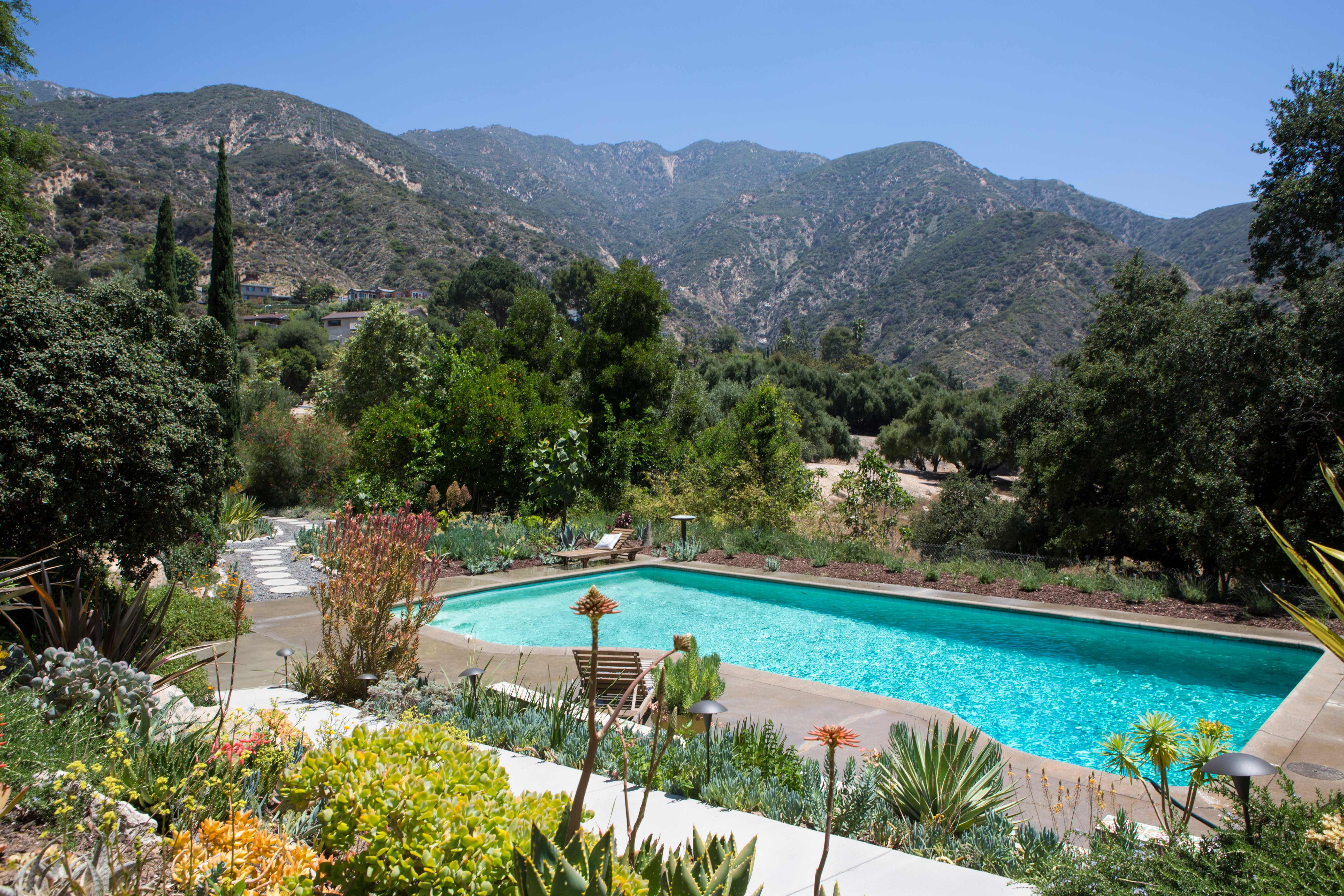
Pools are plentiful in California, but they require consistent maintenance and upkeep. This guide outlines pool liner replacement costs in Los Angeles.
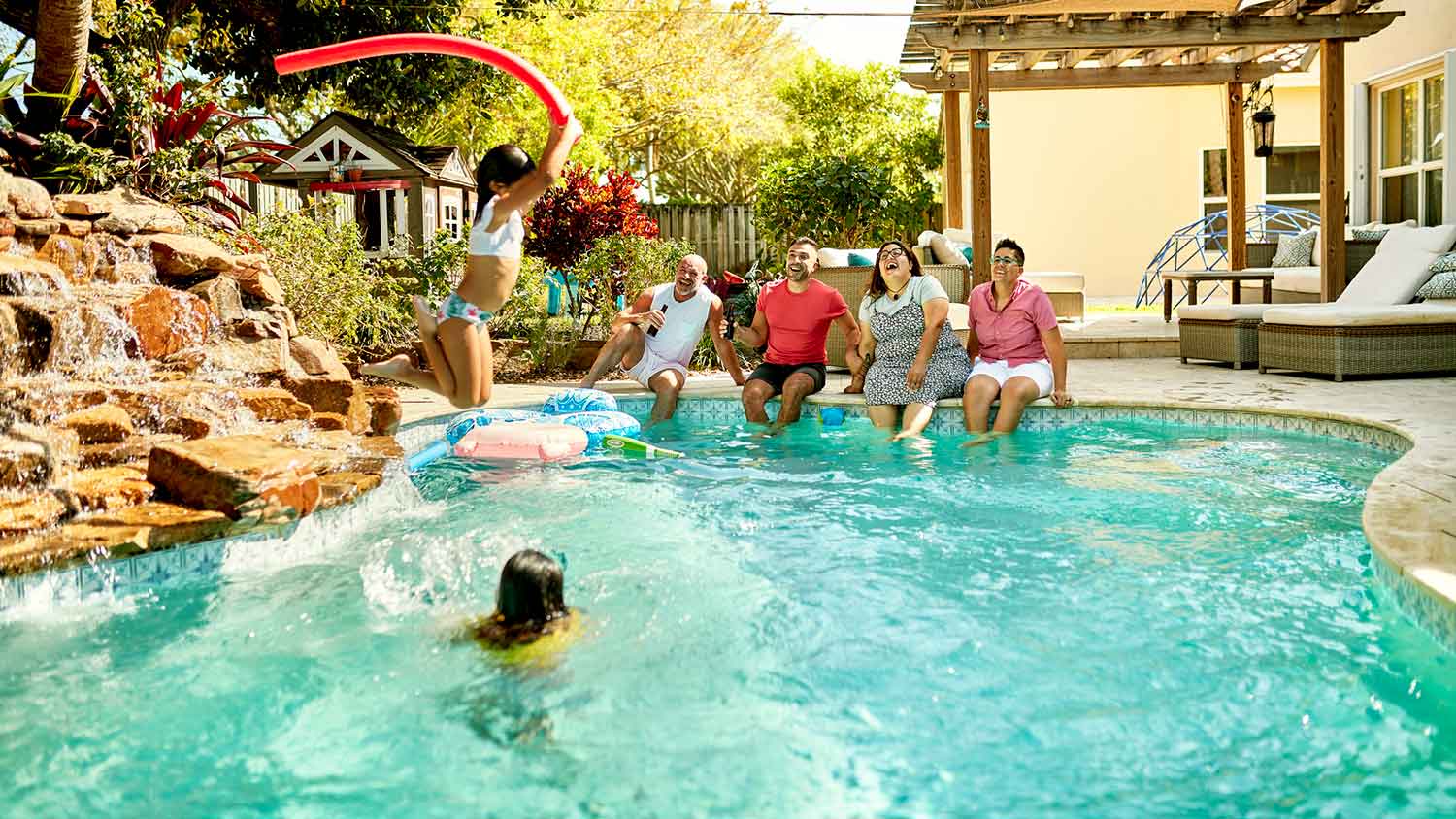
A well-maintained pool can add significant value to your home, so why not dive into a remodel? This guide covers pool remodel costs in Los Angeles.
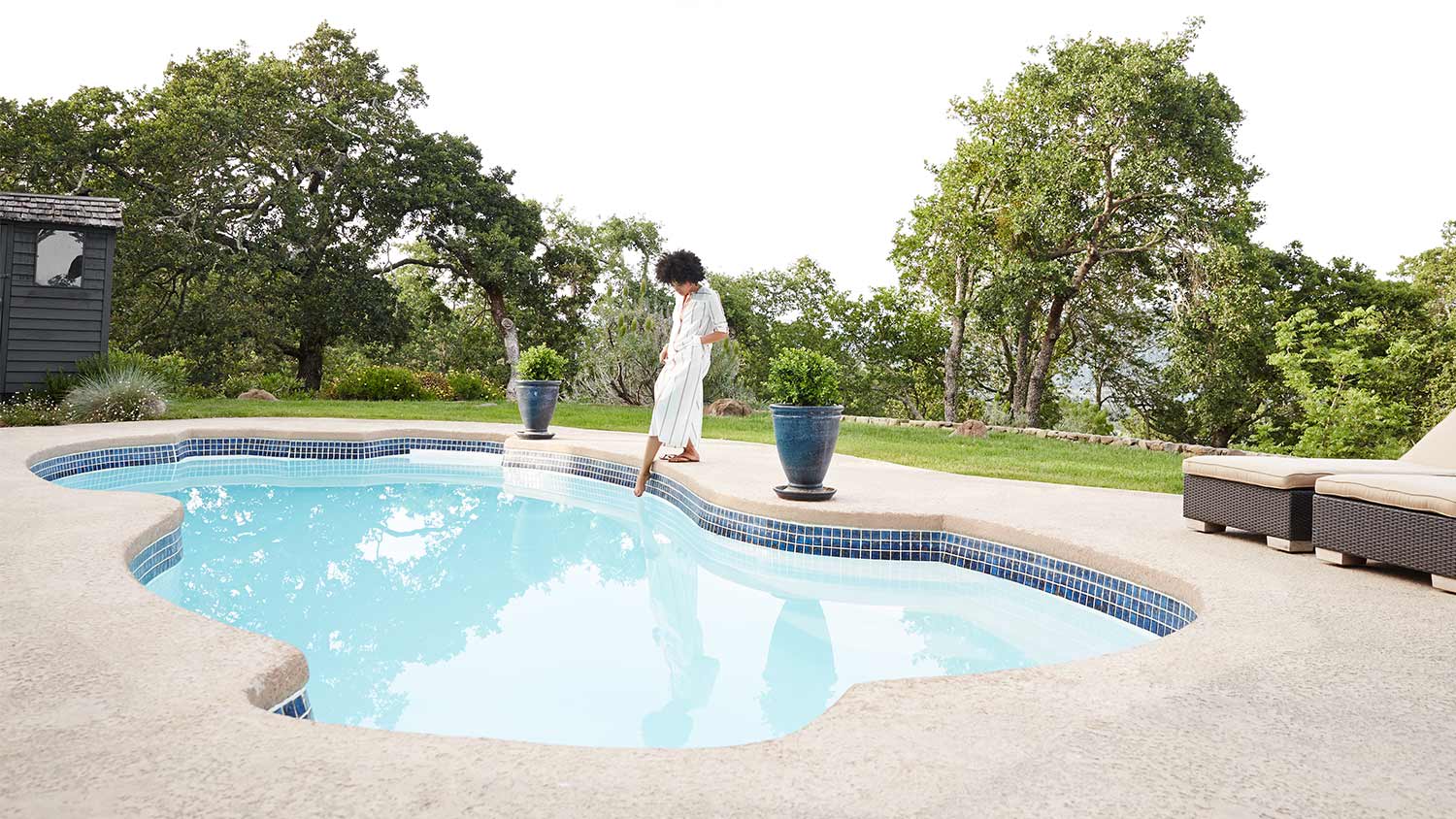
Discover how much pool maintenance costs in Los Angeles, CA, including average prices, cost factors, and expert tips to help you budget and keep your pool sparkling all season.
Find out the average aboveground pool cost in Los Angeles, CA. Learn what you can expect to pay for materials and installation to get your backyard ready.