


When planning a cross-country move, anticipate the total cost by looking at all the relevant price factors and consider ways to save money.
Moving costs depend on your project and location. Check with a local pro for your specific job.

Out-of-state moving costs $2,000 to $7,000 on average, but your distance and home size determine your final total.
The number of bedrooms in your home changes your cost significantly, with a one-bedroom move costing far less than a five-bedroom home.
You should account for packing supplies, specialty services for fragile items, and moving insurance when you create your budget.
Hiring a local moving company provides reliable help with heavy lifting and saves you the physical effort of the move.
In 2026, the national average cost to move out of state is $3,000. Most homeowners spend $2,000 to $7,000, with the final total driven by the distance of the move, the size of your home, and whether you need specialty packing or additional services.
Several key variables shape your total out-of-state moving cost, from the distance you're traveling and the size of your home to the moving method you choose and the weight of your belongings. Understanding each factor before you book helps you build a realistic budget and avoid surprises on moving day.
Distance is one of the most direct cost drivers for an out-of-state move, with most companies charging $6 to $16 per mile and the cost of a cross-country move averaging around $4,600. The table below shows how costs vary by distance for moves of up to 1,000 miles.
| Distance in Miles | Average Moving Cost in 2026 |
|---|---|
| 100 | $600–$1,600 |
| 200 | $1,200–$3,200 |
| 300 | $1,800–$4,800 |
| 400 | $2,400–$6,400 |
| 500 | $3,000–$8,000 |
| 600 | $3,600–$9,600 |
| 700 | $4,200–$1,200 |
| 800 | $4,200–$11,200 |
| 900 | $5,400–$14,400 |
| 1,000 | $6,000–$16,000 |
Home size plays a major role in out-of-state moving costs, ranging from $700 for a small one-bedroom apartment to $10,000 or more for a home with three or more bedrooms. The table below breaks down average moving costs by number of bedrooms.
| Number of Bedrooms | Average Moving Cost in 2026 |
|---|---|
| Studio/1 | $700–$3,000 |
| 2 | $1,000–$7,000 |
| 3 | $1,400–$8,000 |
| 4 | $1,800–$10,000 |
| 5 | $3,000–$12,000 |
The cost to hire movers runs $25 to $50 per hour per mover, though adding crew members raises that rate quickly. Three movers cost $75 to $150 per hour, and a four-person crew runs $100 to $200 per hour. The table below shows how hourly labor costs scale with crew size.
| Number of Movers | Average Cost per Hour in 2026 |
|---|---|
| 1–2 | $25–$50 |
| 3 | $75–$150 |
| 4 | $100–$200 |
Adding full-service packing and unpacking to your move costs an additional $1,000 on average, though the final price depends on the weight and volume of your belongings. Specialty handling for fragile or sensitive items will push that cost higher. When planning your move, you can hire packers for moving or bundle packing services directly through your moving company.
Professional movers cost $2,700 to $10,000 for moves over 100 miles, a moving pod runs around $3,000, and renting a moving truck is the most affordable path at $300 to $5,000 for moves over 50 miles, though it requires you to pack, drive, and unload everything yourself.
If you're DIY packing your belongings, packing materials will add to your moving cost. It's a good idea to buy more than you think you'll need and return anything you don't use. Here are some common costs for the moving supplies you'll need:
Small moving boxes: $1 to $2 per box
Large moving boxes: $2 to $3 per box
Storage bins and crates: $5 to $30 each
Bubble wrap: $20 to $40 per roll
Moving blankets: $10 to $20 each
Packing tape: $2 to $4 per roll
Plastic wrap for furniture: $10 to $20 per roll
TV boxes: $10 per box
The weight of your belongings is the second-most influential cost factor after distance, with movers charging $0.50 to $0.80 per pound on average. While some companies estimate costs based on home size, most require a detailed inventory of all items, including boxes, to give you an accurate quote.
Choosing the right time to move is one of the most effective ways to reduce your costs, and tips for planning your move date consistently point to the off-season as the smartest window. A winter move avoids the peak spring and summer demand that drives up truck rental and labor rates, and scheduling on a weekday rather than a weekend can trim costs further.
If you're wondering how much to tip movers, the standard range is 10% to 20% of the total move cost. Tipping is not required, but it is a widely appreciated way to recognize your crew's hard work. Check with your moving company before moving day to confirm their preferred method and timing for receiving tips.

When moving to a new state, other general ongoing expenses to consider include the local cost of living, state tax structure, housing costs, and utilities.
Researching the cost of living in your new state, including housing, groceries, transportation, and healthcare, gives you a clearer picture of how your day-to-day expenses will change. That context helps you adjust your ongoing budget before you arrive rather than after.
Every state has its own tax structure, and differences in income tax, sales tax, property tax, and local taxes can meaningfully affect your take-home pay and spending power. Factor these changes into your financial plan before you finalize your move so there are no surprises when you file.
Beyond the purchase price or first month's rent, ongoing costs like property taxes, homeowners association (HOA) fees, maintenance, and repairs add up quickly. Researching these expenses during your home search gives you a more accurate picture of your true monthly cost before you commit.
Utility costs for electricity, water, gas, and internet vary significantly by location and usage, so it pays to research average rates in your new area before setting your monthly budget. Knowing whether your destination trends high for utility costs helps you plan more accurately from the start.
If you manage your own out-of-state move (instead of hiring professional movers), you'll save between $25 and $200 per hour in labor. However, even though a DIY move costs less than hiring pros, it requires significant time, planning, and effort. Plus, you'll need to rent a truck, load it, drive across state lines, and unload everything when you arrive, which is far easier for an experienced local moving company.
We recommend hiring pros for an out-of-state move for the following reasons:
Professional movers already have the necessary equipment, including a truck, furniture dollies, and packing supplies,for the job.
Pros understand how to lift and move heavy objects safely to reduce the risk of injury.
They also know how to pack fragile and valuable items so they don't break during the move.
Movers are used to driving long distances and navigating unfamiliar roads (unlike the average homeowner).
Thanks to their experience, pros can finish a move faster than non-professionals.
Reputable moving companies have insurance to protect their workers and your belongings.
Even if you hire professionals, there are certain tasks you can handle yourself before they arrive, including:
Creating an inventory and taking photos of your furniture, appliances, and other belongings
Packing smaller items into boxes
Removing mirrors, artwork, and other hanging items from your walls
Selling or donating unwanted items
Unplugging and cleaning your appliances
Clearing a pathway for movers to load items into the truck
Several add-on services can increase the total cost of a long-distance move, and knowing the typical price range for each helps you budget accurately. Furniture assembly and disassembly cost runs $35 to $90 per piece, while piano moving costs average $2.50 to $10.00 per mile. Specialty services like antique or fine art moving range from $150 to $2,500 per piece, moving a shed costs up to $2 per mile, and moving a mobile home costs $1,000 to $20,000. Other common additions include the cost to ship a car at $700 to $1,200, move-out cleaning costs at $120 to $420, and moving insurance at approximately $0.06 per pound.
Moving out of state can get pricey, but you can follow these moving tips to reduce your costs:
Declutter before packing: Reduce the weight and space requirements to save on moving costs.
Resell unwanted items: Consider reselling furniture, clothing, and other items beforehand to reduce your load and get extra cash for your moving budget.
Donate to lighten your load: Donate unwanted items to potentially benefit from tax deductions.
Compare multiple quotes: Secure multiple moving quotes to compare prices and services from different moving companies.
Move off-peak: Schedule your move during the off-peak season to take advantage of lower rates and potential discounts.
Pack yourself: Pack your items yourself to save on packing services and materials.
Use recycled supplies: Use recycled boxes and packing supplies from local stores or friends to cut costs.
Negotiate your rate: Negotiate services and rates with movers, especially if you have flexibility in your moving date.
Be ready to discuss which type of move—load and unload or full-service—you want.
To get a cost estimate, you’ll need to provide the size of your house and the distance you’re moving.
Let your moving company know if there are any obstacles that could make their job harder (like multiple flights of stairs, narrow hallways, or low ceilings).
Before the movers arrive, reserve space in front of your home for the truck.
Home is the most important place on earth, which is why Angi has helped more than 150 million homeowners transform their houses into homes they adore. To help homeowners with their next project, Angi provides readers with the most accurate cost data and upholds strict editorial standards. We extensively research project costs to develop the pricing data you see, so you can make the best decisions for you and your home. We rely on reputable sources, including the U.S. Bureau of Labor Statistics, academic journals, market studies, and interviews with industry experts—all to ensure our prices reflect real-world projects.
Want to help us improve our cost data? Send us a recent project quote to [email protected]. Quotes and personal information will not be shared publicly.
I recently moved to another state and chose United Trust Van Lines after comparing several companies. Their team was punctual, professional, and extremely careful with my belongings. I was especially impressed with how they handled my home office setup and fragile items. Everything arrived on...
 United Trust Van Lines, LLC
Showed up on time and cleaned carpets well, but didn?t move furniture.
 Voda Cleaning & Restoration of Columbus
A reliable team for moves across state. My switch to a new place needed careful lifting through tight hallways. The movers checked the doorway first, then carried heavier pieces with slow, controlled movements. Their patience helped prevent damage, and I?d choose them again.
**Would rate a 0 if i could** NEVER USE THIS COMPANY!!!!! They shattered my tv console and dresser, lost a mirror, and never finished the move. The broken furniture cost me over $600 to replace. They left me with 6+ hours of personal labor moving my 1BR apartment, when I was quoted a FULL...
 All My Sons Moving & Storage
I could not have moved without the help of Jen Stover! I was in my house for nearly 20 years, so the thought of clearing it out while working full time was overwhelming. Jen takes great joy in sorting and organizing while asking the hard questions with patience and compassion. Jen is...
 Go and Stow Home Organizing
Couldn't have been a worse experience. 3 of my belongings were lost and 5 belongings were damaged. My furniture was clearly dragged across the ground. The movers couldn't move the furniture I paid extra heavy weight fees for so I had to help them move my own furniture. The manager gave me...
 US Interstate and Rail
Excellent experience for me! They helped me a lot with my move. very reasonable price. Good communication with the office manager is excellent.
 Goodview Moving and Storage
I was concerned about my possessions safety throughout the move but Bridge View Van Lines took all necessary security measures to make sure everything arrived in mint shape I am really appreciative of their effort and commitment They made my long distance move seem simple
 Bridgeview Van Lines
This moving company is the best in Columbus, Ohio! They rescued me when my movers didnâ t show up. Do not ever use Plane Movers! They never showed up for my move, claiming that I never signed the contract. They didnâ t call me to follow up, communication was awful. The people that work for...
 All My Sons Moving & Storage
Ozie and Tyquese were great and worked fast. It was a good move
 All My Sons Moving & Storage
From average costs to expert advice, get all the answers you need to get your job done.
When planning a cross-country move, anticipate the total cost by looking at all the relevant price factors and consider ways to save money.
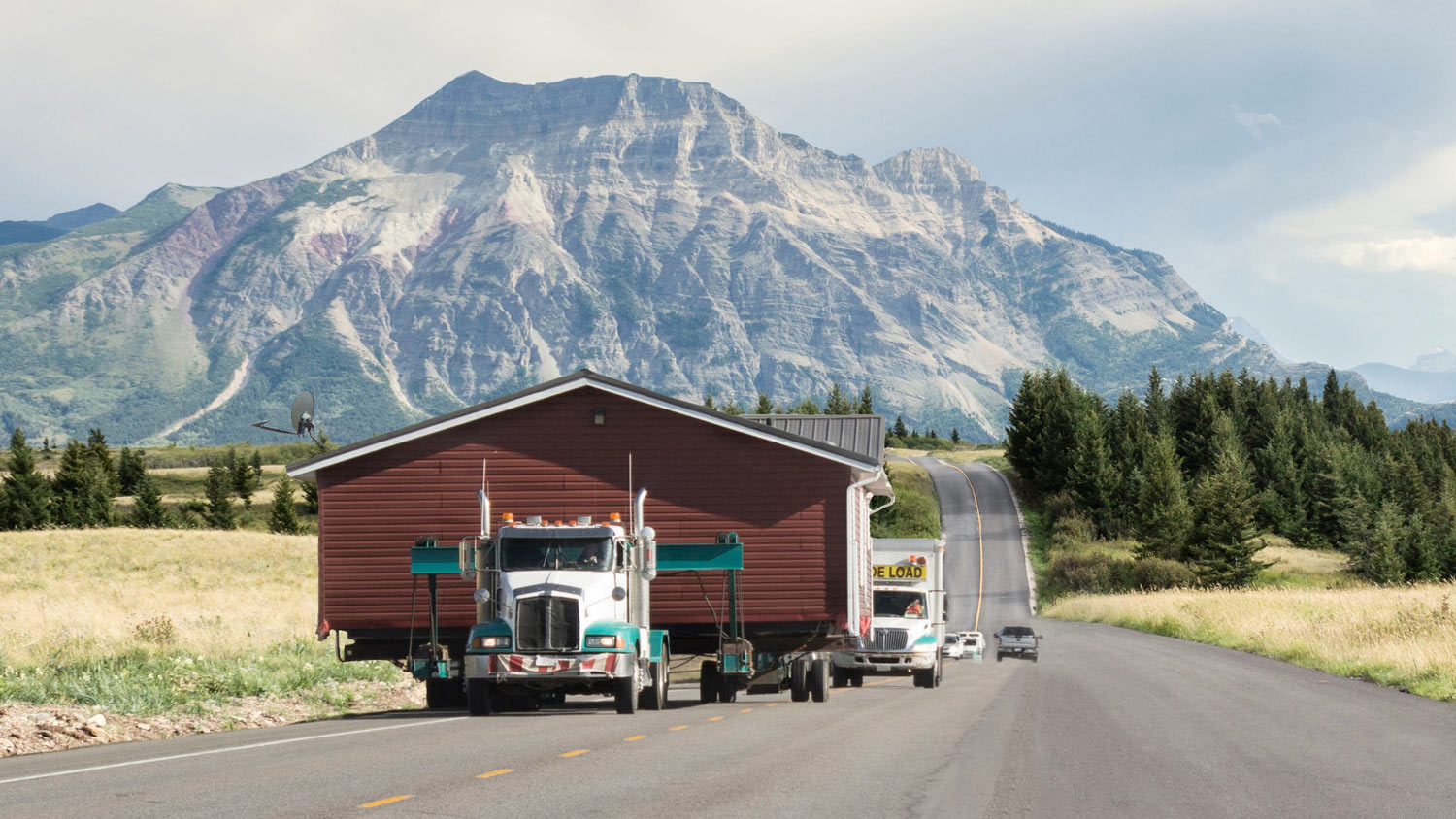
Wondering how much it costs to move your house to a new spot? Check out our helpful cost guide to learn how to budget for this major home project.

The cost to move a tiny house depends on its weight, distance, and what type of moving equipment is required. Our guide can help you budget for your move.

Whether you’re moving out of state for the first time or the fifth, it can be overwhelming. And no matter if you hire a moving company or handle it all yourself, these six tips will make your long-distance move to a new state easy and exciting.

Moving out of state? Use this checklist to prepare for a successful move.

Our comprehensive moving out checklist will help you stay organized and prepared, whether you’re moving a few streets over or across the country.